Fathala Reserve: forest safari in the Saloum | QFS
Accueil » iconic locations » Fathala Reserve: the Saloum forest where you come looking for the Derby eland

Home › Locations › Fatick Region › Fathala › Fathala Reserve: the Saloum forest where you come looking for the Derby eland

FATHALA

Fathala Reserve: the Saloum forest where you come looking for the Derby eland

At the far end of the Saloum, a stone's throw from the Gambia, Fathala Reserve does not hand you the animals on a plate: you have to look for them among the tall trees. That is precisely what makes it the country's most endearing safari, and the refuge of an antelope that West Africa almost lost.

Fathala Reserve is not a place where you tick off a list: here, the forest decides what it shows you. The trees are tall, the bush is dense, and a giraffe can stand twenty metres from the track without you seeing it until the guide points it out. If you accept the rules of that game, Fathala will give you something that open savannahs do not: the pleasure of searching, and an encounter with the Derby eland, the largest antelope in the world, whose West African subspecies now numbers only a few small herds.

At a glance

RegionFatick Region, Foundiougne department, in the south of the Sine-Saloum, between Toubacouta, Missirah and the Karang border post
TypeFenced wildlife reserve set in the Fathala forêt classée (protected forest), the land section of Saloum Delta National Park; management delegated to a private operator
Getting there from DakarHalf a day on the road: around 4 to 5 hours depending on traffic, via Kaolack and Sokone
From the GambiaOnly a few kilometres from the border: the reserve is a classic outing from the Gambian coast
Recommended timeHalf a day on site; at least one night in the area so that you do not do everything in a single day
Official feesNo public entry fee: reserve entry is either included or payable on site and not included in the price, depending on the listing
Best time to goThe dry season, November–May; at sunrise or late in the afternoon
Related QFS activitiesSafari by vehicle, Sine-Saloum stays including Fathala, pirogue trips and birdwatching in the delta

Resident or visitor: a safari you have to earn

Live in Senegal? Fathala is the natural next step after Bandia. You have seen the giraffes of the Petite Côte in a morning; here, you enter a real forest, with red colobus monkeys in the treetops and elands you have to wait for. Allow a long weekend or a bank holiday: leave on Friday, spend the night in Toubacouta or Missirah, go on safari at dawn on Saturday, take a pirogue through the bolongs (tidal creeks) in the afternoon, and head back on Sunday. Come at least twice, in December and in April: the green, closed forest of the early dry season and the scorched bush at the end of the season tell different stories. On QFS, you get the resident rate: up to 30% off depending on the activity.

Just passing through? The classic mistake is trying to squeeze Fathala into a day trip from Saly or Dakar: you would spend more time in the car than in the forest. Make it part of your stop in the Saloum, or come from the Gambia if you are staying there. And be clear about what you are coming to see: the giraffes, zebras and rhinos were brought in from elsewhere and live in a fenced, managed area. The forest, though, is original, and it is the real reason for the trip.

A protected forest, an antelope to save

Fathala is first and foremost the name of a forest. The Fathala forêt classée, wooded savannah and dry forest on sandy soil, forms the land section of Saloum Delta National Park, just north of the Gambian border, between the Bandiala bolong and the Karang road. The whole delta has been a UNESCO World Heritage Site since 2011. The reserve occupies only part of it: about 6,000 hectares, fenced and crossed by laterite tracks.

Its story begins around the turn of the millennium. At that time, antelopes and buffaloes captured in Niokolo-Koba were moved to the Fathala forest, with the plan of creating a wildlife viewing park for visitors. The operation was not universally welcomed: the IUCN and the World Heritage Centre expressed concern about these transfers. The reserve was nevertheless built, under management entrusted to a private operator, and animals from southern Africa were later brought in, notably giraffes and white rhinos, as well as lions, in a separate enclosure. So you are visiting a hybrid place, halfway between conservation and tourism, and it is better to know that before you arrive.

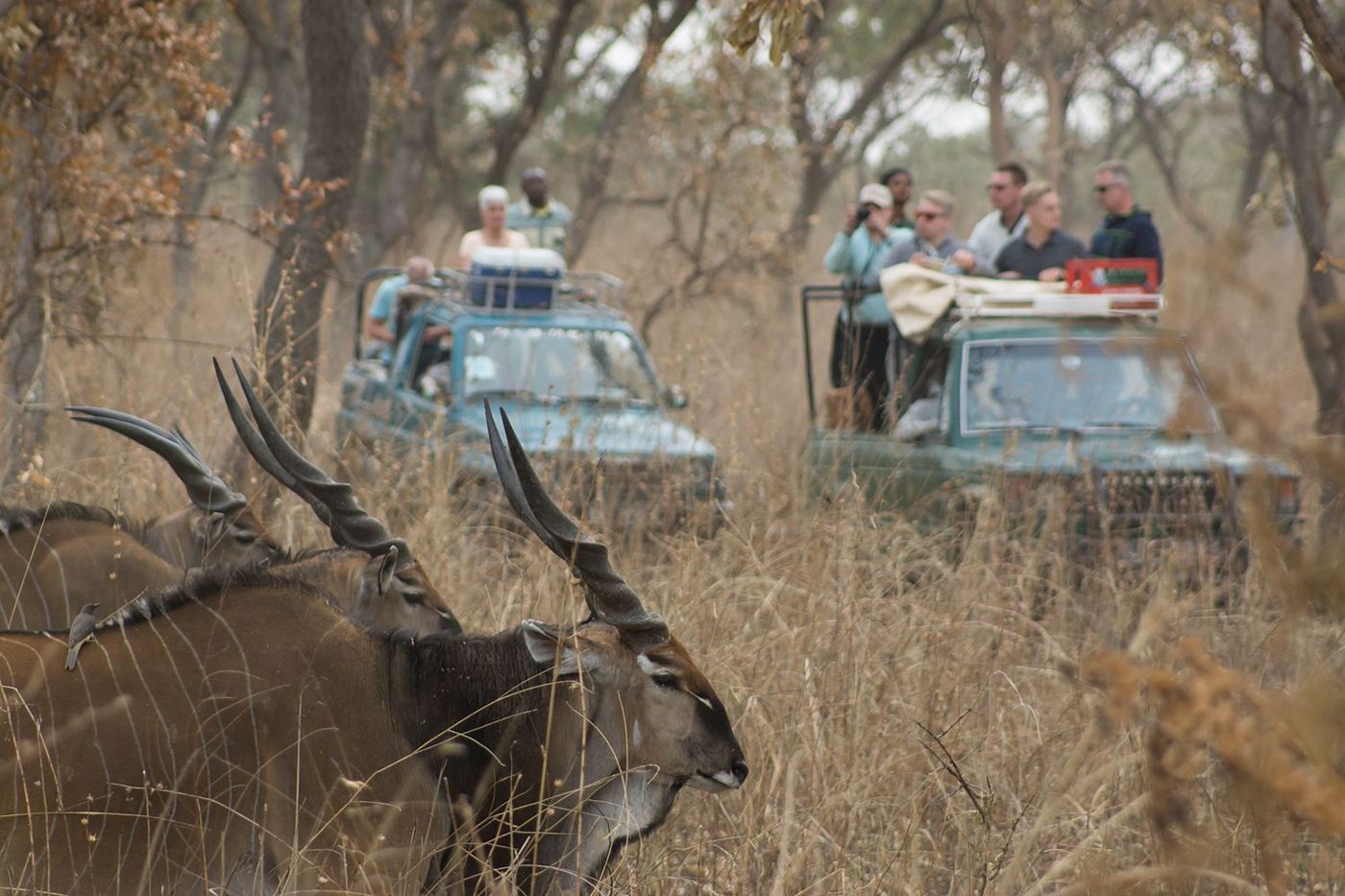
What gives Fathala its real meaning, though, is the western Derby eland. This giant antelope, with spiral horns and a coat striped with white, is seriously threatened. In the wild, it now survives only in small numbers, in and around Niokolo-Koba. In the early 2000s, a handful of animals were captured there and moved to Bandia, on the Petite Côte; their offspring were then divided between Bandia and Fathala. A breeding programme monitored by scientists, notably from the Czech University of Life Sciences Prague, together with a conservation NGO, produces calves there every season. The stated goal: one day to send these animals back to Niokolo-Koba, the park their ancestors came from. The Fathala forest, whose vegetation is closer to their original habitat than the Bandia savannah, is particularly well suited to this role.

So when a herd of elands crosses the track in front of your vehicle, you are not just looking at a beautiful animal: you are looking at a safeguard population, the one that might one day repopulate the east of the country.

  • Adventure & outdoors

    Tricycle ride in Simal

    Fimela · 2 h


    From11 000 CFA
    Resident price10 450 CFA−5 %
  • Adventure & outdoors

    3-day bivouac in the Sine-Saloum Delta with lion walk

    Fathala · 3 days


    From715 000 CFA
    Resident price679 250 CFA−5 %
  • Quad & buggy

    Couples getaway in the Sine-Saloum Delta

    Dakar · 2 days


    From297 000 CFA
    Resident price282 150 CFA−5 %

Key facts & figures

FactFigure
StatusFenced reserve in the Fathala forêt classée, within Saloum Delta National Park; management delegated to a private operator
AreaAbout 6,000 hectares
OriginProject launched around the turn of the millennium, after animal transfers from Niokolo-Koba
World HeritageSaloum Delta listed by UNESCO in 2011
Distance from DakarAround 4 to 5 hours by road
Flagship speciesWestern Derby eland, a threatened species, in a scientific breeding programme
Introduced wildlifeGiraffes and white rhinos from southern Africa, zebras, buffaloes; lions in a separate enclosure
Forest wildlifeRed colobus monkeys, patas monkeys, green monkeys, warthogs, many forest birds
VisitBy vehicle with a reserve guide, on laterite tracks

Getting there & official fees

From Dakar, head down towards Kaolack, then Sokone and Toubacouta; the reserve lies beyond, on the road to Karang and the Gambian border. Allow around 4 to 5 hours depending on traffic and the state of the road: it is this distance that makes staying overnight worthwhile, in Toubacouta, in Missirah or on the edge of the forest. Without a car, the simplest option is an outing that includes transport, or vehicle hire with driver and intercity transfers. From the Gambia, the reserve is only a few kilometres from the Karang post: keep your passport and vehicle papers to hand.

On site, the visit is made by vehicle, accompanied by a reserve guide. You do not wander alone in the fenced forest.

As for fees, Fathala works like Bandia: it is a privately managed reserve, so there is no public entry fee set by the state. Reserve entry, the guide and the vehicle are, depending on the listing you book, either included in the price or payable on site and not included in the price. Each QFS listing specifies this, and the listing is what counts. If you extend your trip with a pirogue outing in the delta’s marine protected area, any access permit is also payable on site and not included in the price.

What to see

The Derby elands. The reason the place exists. They live in herds, often with calves in the dry season, and like to stay at the edge of the trees. Ask the guide to slow down at the spots they frequent, switch off the engine if possible, and keep your voice low: they are shyer than the giraffes.

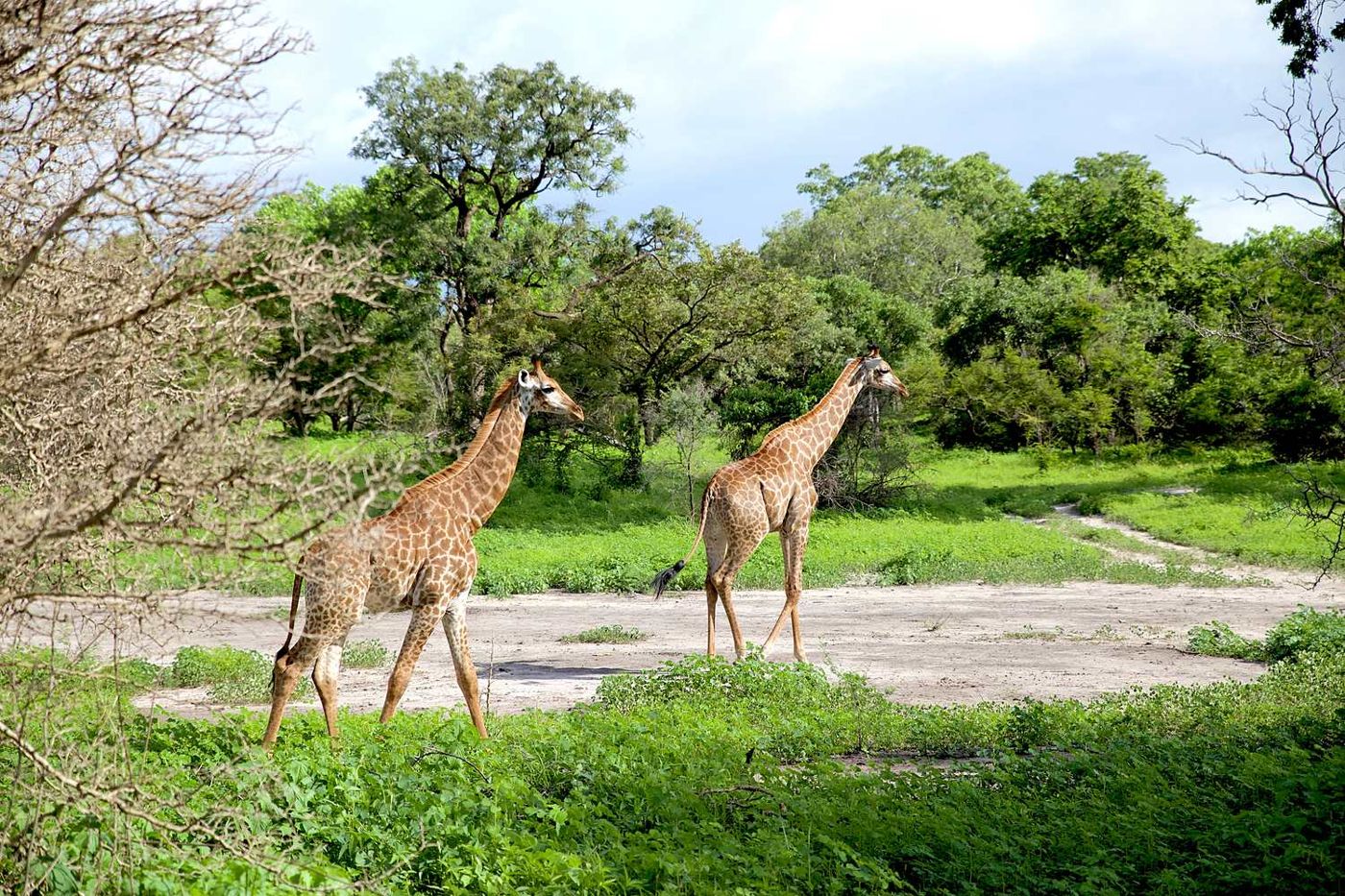
The giraffes. They emerge from the foliage above the acacias, often in small groups. Their silhouette among the tall trees is Fathala’s most striking image, far more so than on a bare savannah.

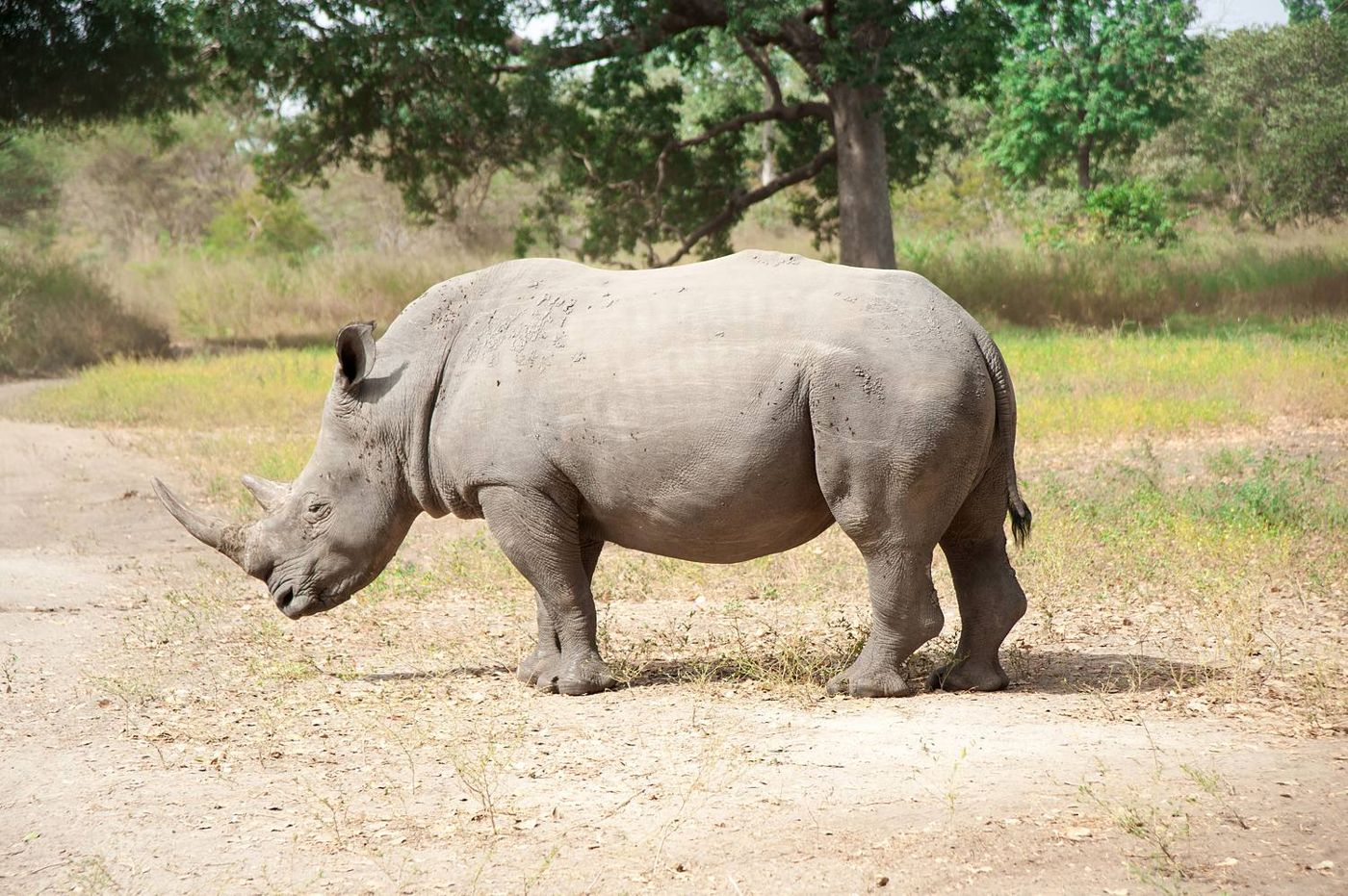
The other herbivores. Zebras, buffaloes, roan antelopes, kobs and warthogs, to look out for near the waterholes. The white rhino is one of the introduced animals, but it is rare and cannot always be found: do not build your visit around it.

The forest monkeys. The red colobus, a russet monkey with long limbs, is one of Fathala’s lovely surprises: it lives in the treetops and can be located by the sound of branches. Patas and green monkeys, for their part, show themselves without needing to be asked.

The birds. Abyssinian rollers with turquoise-blue flashes, hornbills, parakeets and kingfishers: with binoculars, the forest becomes an aviary. Keen birdwatchers will carry on into the nearby bolongs.

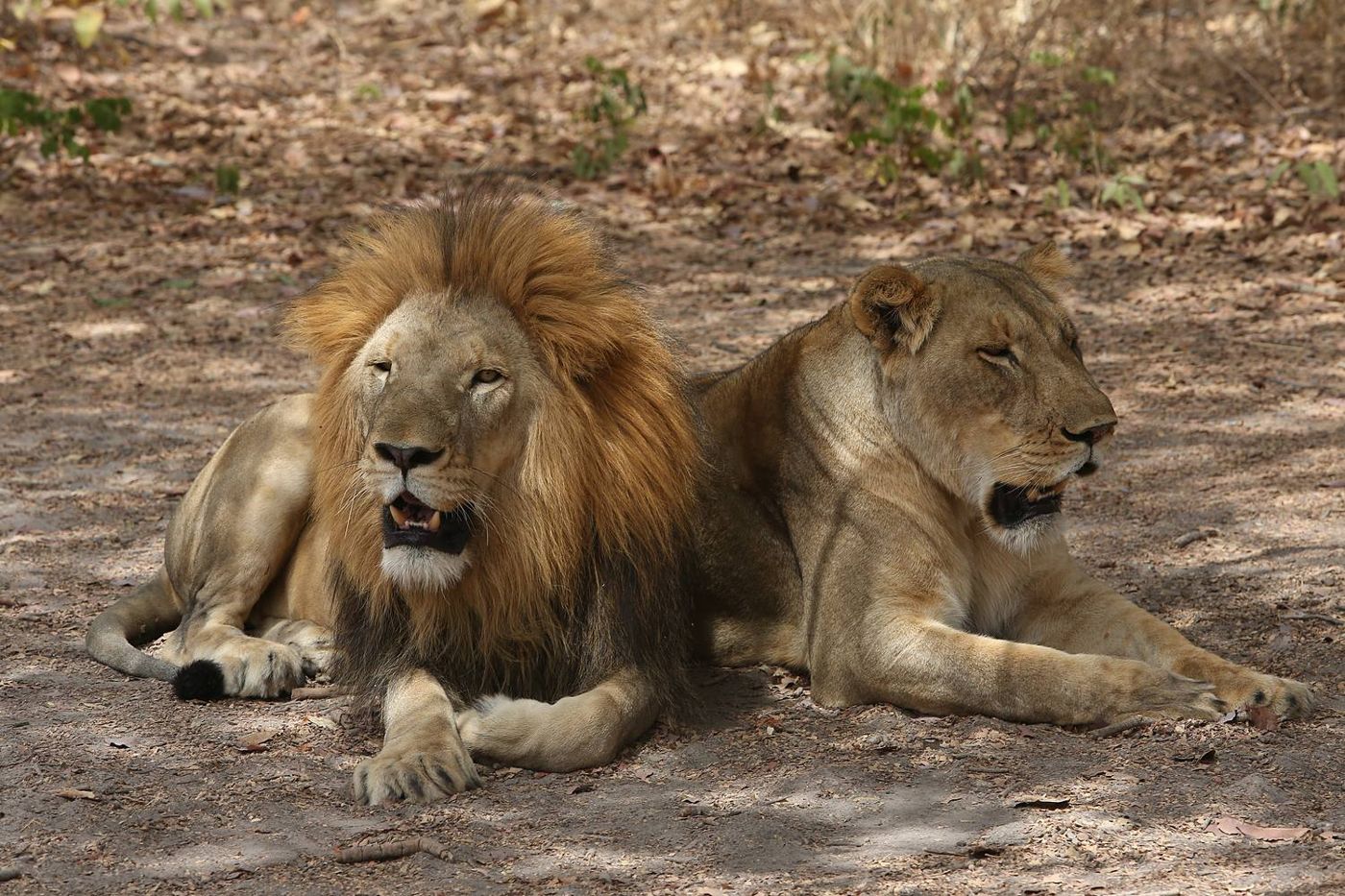
The lions, set apart. The reserve is also home to lions used to humans, in a separate enclosure, and a walk with them, supervised by keepers, is offered. These are not wild animals, and the reserve does not claim they are: Senegal’s free-roaming lions live in Niokolo-Koba. Age requirements and the format are set by the supervising team.

  • Island excursions

    Sine-Saloum Region Discovery Day with Meal

    Sine-Saloum · 8h


    From77 000 CFA
    Resident price73 150 CFA−5 %
  • Island excursions

    Tour of the Saloum Islands from Palmarin

    Sine-Saloum · 4h


    From55 000 CFA
    Resident price52 250 CFA−5 %
  • Adventure & outdoors

    3-day bivouac in the Sine-Saloum Delta with lion walk

    Fathala · 3 days


    From715 000 CFA
    Resident price679 250 CFA−5 %

Nearby

Fathala combines naturally with the delta. Just to the north, Toubacouta is the starting point for pirogue trips into the Bandiala mangroves, towards the bird roosts and Sipo Island. The neighbouring village of Missirah is worth a stop for its giant kapok tree, a sacred tree with immense buttress roots. To understand the national park as a whole, read our Sine-Saloum Delta page. Further north, Palmarin and Ndangane show another side of the delta, more open and saltier. For safaris, Bandia Reserve on the Petite Côte and Niokolo-Koba National Park in the east complete the picture. For an overview: our Fathala, Sine-Saloum and Fatick Region pages.

The right time

PeriodWhat changes
November–FebruaryCool mornings, thinning vegetation, young elands: the best time for a first safari, and the busiest
March–MayRising heat, dry and open bush, animals gathered near the waterholes: easier viewing, provided you go out very early
JuneTransition, with the first rains possible at the end of the month
July–October (hivernage, the rainy season)A very green and beautiful forest, but tall vegetation that hides the animals, harder tracks and mosquitoes: best kept for regulars
During the dayAt sunrise or late in the afternoon; at midday, the forest falls silent and the animals take shelter

Our advice: sleep in the area the night before and take the first morning slot. The animals move in the cool, the light filters through the trees and you have the afternoon for the pirogue. In the rainy season, a visit to Fathala needs planning: leave extra time for the road, and the listing will tell you what is still running.

Practical tips

  • Against the sun and insects. A hat, sun cream and plenty of water during the day; long sleeves and mosquito repellent at the end of the day, especially near the bolongs.
  • To see more. Binoculars, essential for the elands and the colobus monkeys. Neutral-coloured clothing, no red or bright white.
  • In the vehicle. Stay on board until the guide invites you to get out, keep your voice low, and do not feed any animal, monkeys included.
  • With the lions. Closed shoes and absolute attention to the keepers: every instruction is followed to the letter. Age requirements are set by the supervising team and are shown on the listing.
  • With children. The road is long: break it with a night in the Saloum. The safari by vehicle suits even the youngest, provided you set off early and bring a snack.
  • Respect the site. The Fathala forest is a forêt classée and part of a national park: no litter, no picking plants, no drone without authorisation.
  • Money. Keep cash in small notes for the balance of the activity and anything payable on site according to the listing: card terminals are rare in the area.
  • No guarantees. In a dense forest, sightings are more unpredictable than on an open savannah. Your guide knows where to look; the animals decide the rest.

Book an activity here with QFS

On QFS, Fathala is booked under safari: a day of forest safari, or a two-day stay that adds the Sine-Saloum Delta. The wildlife reserves & parks section offers the same outings from the nature side, as well as a three-day bivouac in the Saloum. To extend your stay in the delta, see pirogue trips and birdwatching.

Each activity is run by an independent local professional. You pay 20% to secure your booking (the booking fee), and the balance is paid on site, on the day. Entry to the reserve, which is privately managed, is either included or payable on site and not included in the price, as the listing states. If you live in Senegal, you get the resident rate: up to 30% off (the exact rate is shown on each listing).

Frequently asked questions

Where is Fathala Reserve?
In the south of the Sine-Saloum, in Fatick Region, between Toubacouta, Missirah and the Karang border post, a few kilometres from the Gambia. It occupies part of the Fathala forêt classée, within Saloum Delta National Park.
What animals can you see at Fathala?
Derby elands, giraffes, zebras, buffaloes, several antelopes and introduced white rhinos, as well as the forest’s red colobus monkeys, patas monkeys, green monkeys and birds. Lions used to humans live in a separate enclosure.
Do you have to pay an entry fee in addition to the price shown?
Fathala is a privately managed reserve: there is no public entry fee. Entry, the guide and the vehicle are either included in the price or payable on site and not included in the price, depending on the listing, which specifies this.
Can you do Fathala as a day trip from Dakar?
It is possible, but not recommended: allow around 4 to 5 hours on the road each way. Spend at least one night in Toubacouta or nearby so you can go on safari at sunrise.
What is the best season to visit Fathala?
The dry season, November–May. From November to February, it is cooler; from March to May, the animals gather near the waterholes. In the rainy season, the dense vegetation hides the wildlife and the tracks are harder.
Fathala or Bandia: which should you choose?
Bandia, on the Petite Côte, can be done in a morning from Saly or Dakar, in an open savannah where the animals are easy to see. Fathala requires at least one night on site, but offers a real forest, red colobus monkeys and a much wilder setting, to combine with the delta.

Read also