The markets of Dakar are much more than simple trading spots: they are living theaters of Senegalese diversity and energy, where the popular culture of the capital is expressed. Whether in the bustling alleys of Sandaga, among the colorful fabrics of the HLM market, or at the Soumbédioune craft stalls, each market reveals a facet of Dakar — blending traditions, encounters, and vibrant bargaining. Visiting these markets means diving into daily life in Dakar: a multisensory experience filled with sounds, colors, scents, and authentic exchanges.
Sandaga market: The beating heart of Dakar
Located in the city center, Sandaga is Dakar’s historic main market, built between 1933 and 1935 in a neo-Sudanese style inspired by Timbuktu. A vast market district, it owes its name to the “Dang Ga” tree that was once planted at its center. Sandaga was initially designed to supply the Médina but became the largest popular commercial hub in the country, a concentration of crafts, fabrics, fruits, fish, electronics, and fashion. A bustling place, it welcomes producers and artisans from all over Senegal — a hive where people meet, negotiate, gather information, and discover Dakar’s deep popular soul.
Today, Sandaga continues to thrive despite recent renovation projects and remains the best reflection of Senegalese vitality.
HLM Market: Paradise of fabrics and fashion
In the HLM neighborhood (Habitat Léger Moderne), this market is the haven for African fabrics: wax, bazin, embroidery, pagnes, and patterned cloths. On-site tailors create custom boubous, dresses, and shirts. Here, one truly feels the importance of fashion and textiles in Senegalese society: the HLM market supplies the whole country with fabrics and clothing, at prices negotiated on the spot.
Soumbédioune Market: Crafts & souvenirs
Located by the ocean on the west corniche, the Soumbédioune craft market showcases essential Senegalese craftsmanship, perfect for picking up a sculpture, mask, jewelry, or batik. Artisans sometimes work in front of you, sharing their know-how and interacting with visitors.
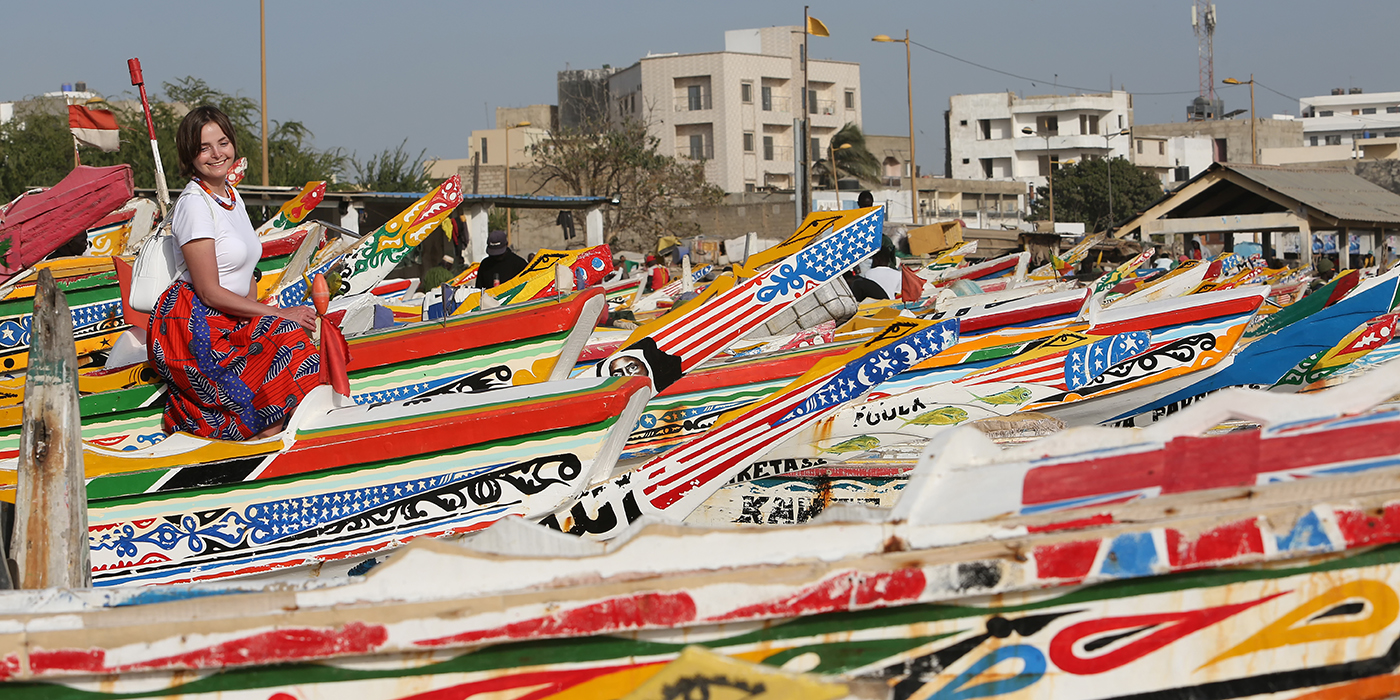
Next door, the traditional fishing port of Soumbédioune offers another spectacle: colorful pirogues returning and fish auctions at the end of the day.
Anecdotes & immersion
- At Sandaga Market, tradition has apprentice sellers “sing” their prices in Wolof, French, English, or even Bambara, turning every negotiation into a mini-performance.
- Every year, HLM Market sets the trends of Dakar fashion: the new wax patterns from the market become “the color of the year” at weddings.
- At Soumbédioune, some sculptors attribute “powers” to their works, explaining the story of each mask or statue to clients, ensuring luck for the new owner.
What to do in Dakar’s Markets?
- Stroll through Sandaga’s alleys to feel the intensity of Dakar life.
- Buy wax or bazin at HLM Market and have a custom outfit made.
- Bring home an authentic sculpture from Soumbédioune and chat with the artisan.
- Taste fruits, bissap juice, or pastels at mobile stalls, or photograph the crowds and colors.
- Observe Dakar life through negotiations, vendor rituals, and street scenes.
Practical information
- Sandaga: Plateau, city center, 7 a.m.–8 p.m., very lively, best in the morning or early afternoon.
- Kermel: Plateau, near Independence Square, ideal between 9 a.m. and 4 p.m., closed in the evening.
- HLM: popular neighborhood, fashion, fabrics, bargaining expected.
- Soumbédioune: west corniche, crafts all day, lively fishing port in late afternoon.
- Tips: bring water, wear closed shoes, watch out for pickpockets (especially in Sandaga), negotiate except for food at Kermel, visit early for freshness and ambiance.