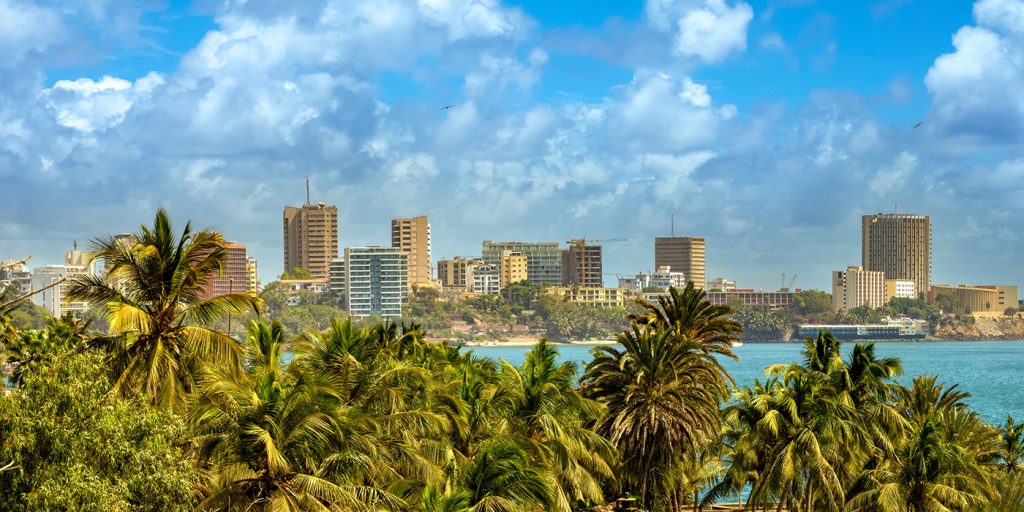
Ngaparou and Popenguine are ideal destinations for lovers of nature, ecotourism, rejuvenation, and genuine human encounters. Tourism development has been deliberately controlled to avoid harming the coastline: guesthouses, small family inns, and community-based tourism are favored, ensuring that each euro spent also benefits the local community.
Ngaparou: a preserved fishing village
A truly authentic identity
Ngaparou has preserved the deep soul of Senegal’s coastal villages. Long isolated and nearly self-sufficient, it resisted the rise of concrete buildings and mass tourism. Fishing remains the main economic activity, but the village also lives from crafts, small shops, and discreet tourism. The local economy benefits from a community-protected marine area, managed by the fishermen themselves to preserve resources and ensure a future for younger generations. Proud of their independence, the people of Ngaparou actively participate in co-managing fish resources at a national level—an example of resilience and innovation in Senegal.
Ngaparou’s beaches
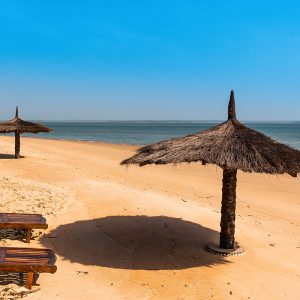
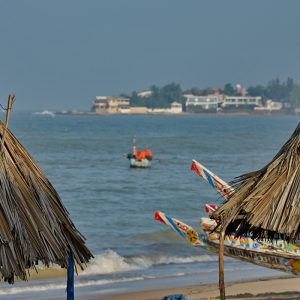
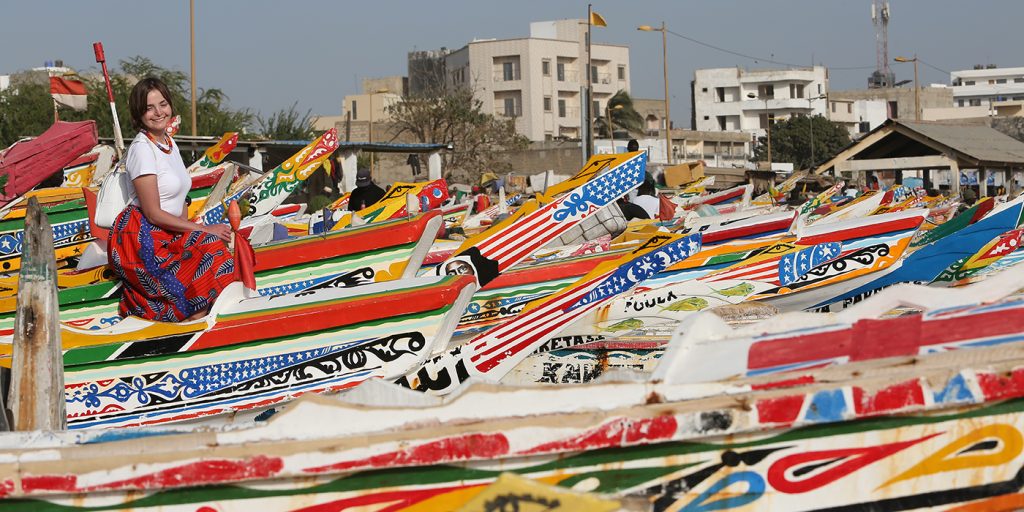
The beach, beautiful but unpretentious, is the daily stage for the return of the pirogues: a vibrant spectacle of colors, shouts, songs, and lively discussions. Less developed than Saly but far more authentic, it invites you to stroll, collect shellfish, or observe local life. A few restaurants and panoramic terraces allow you to enjoy the sunset in peace.
Crafts and local hospitality
Ngaparou also offers artist workshops (sculpture, jewelry, shell painting…), artisan markets where you can buy or even create your own bracelet or small sculpture. The guesthouses, often run by local families, offer a warm, personalized experience—the opposite of large resort hotels.
Popenguine: nature and spirituality
Popenguine Nature Reserve
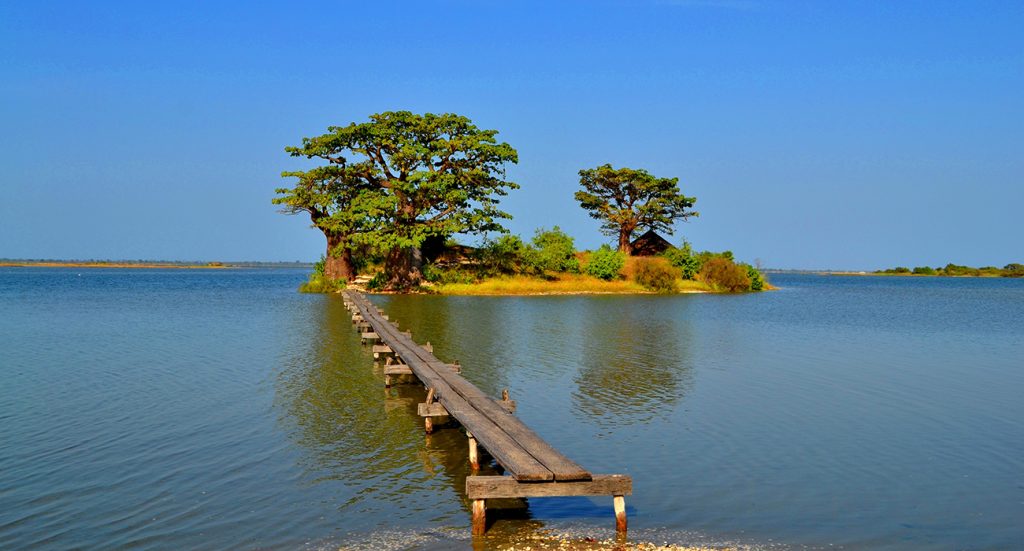
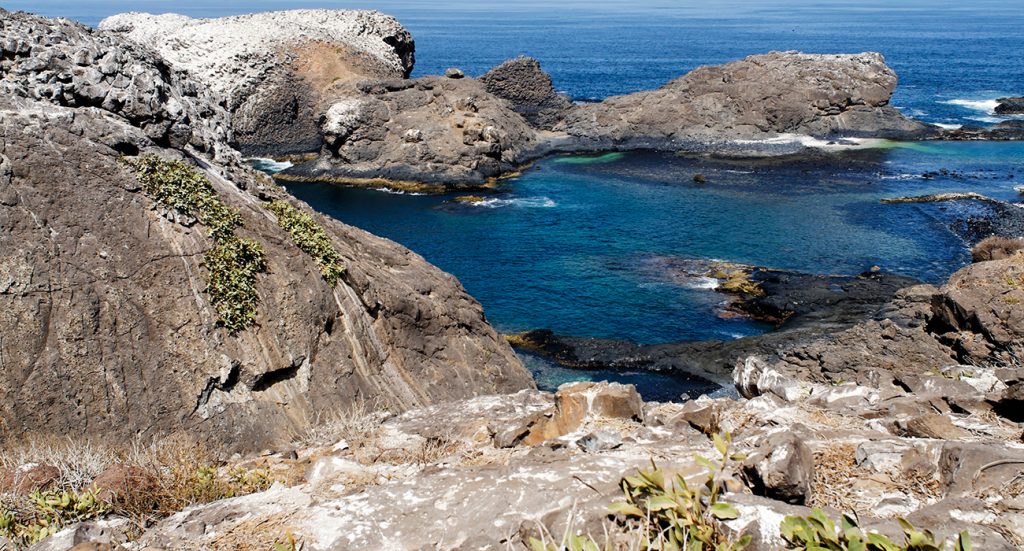
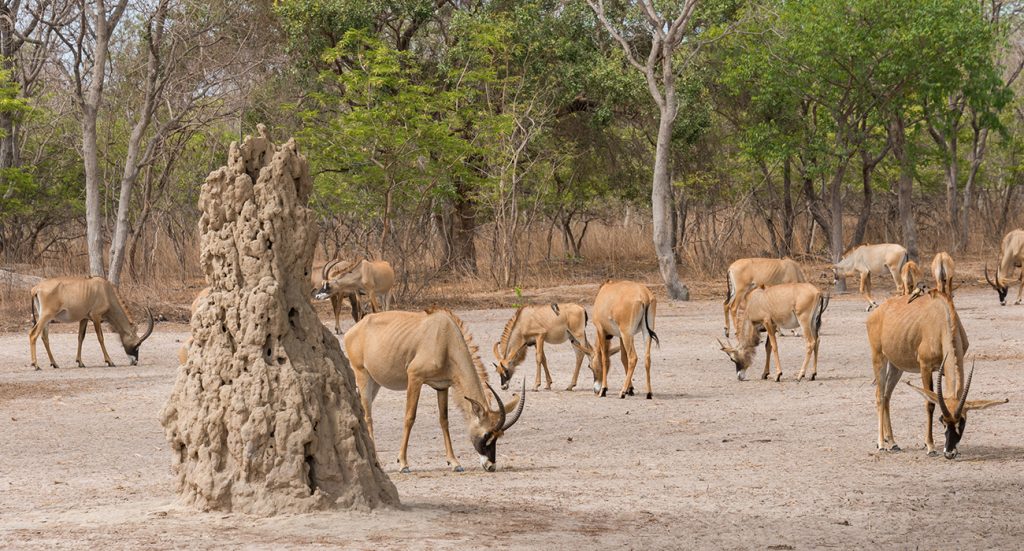
Created in 1986, this community reserve of nearly 1,000 hectares protects cliffs, savannah, baobabs, forests, and sandy beaches. A true paradise for guided hikes, it shelters varied wildlife: monkeys, monitor lizards, turtles, dozens of bird species… Botany lovers will enjoy the great diversity of flowers and endemic plants; viewpoints from the cliff tops offer breathtaking panoramas of the Atlantic and the coastline.
Marian pilgrimage
During Pentecost, Popenguine becomes the spiritual capital of the country. The Marian pilgrimage attracts thousands of worshippers each year (Catholics, Muslims, and curious visitors) for a massive celebration at the church and on the beach. Songs, processions, night vigils, and moments of sharing reflect Senegal’s interreligious harmony. The rest of the year, the church remains open to visitors, and the Marian grotto offers a place of quiet reflection.
Beaches and cliffs
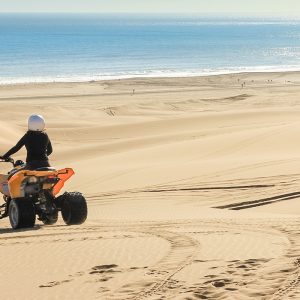
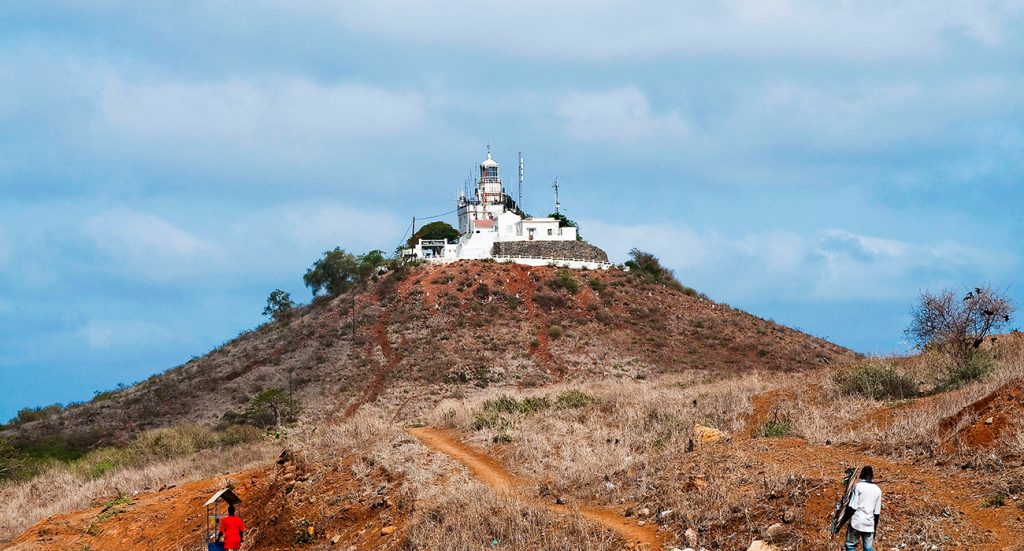
The beaches of Popenguine, bordered by cliffs plunging into the sea, offer a wild, preserved atmosphere—ideal for contemplation, cautious swimming, and photography. Watching the sunset from the “Belvédère” or along the reserve trails is a magical way to end the day.
Excursions around Ngaparou & Popenguine
- Somone (10 min): pirogue trips, birdwatching, lagoon-side dining.
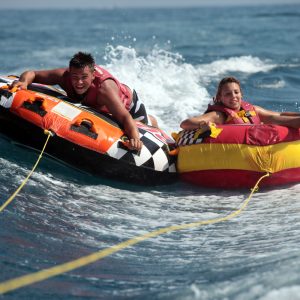
- Saly (15 min): watersports, lively beach, artisan market.
- Joal-Fadiouth (45 min): the shell island, cultural heritage.
- Bandia Reserve (30 min): safari, giraffe and zebra observation, giant baobabs.
What to do in Ngaparou & Popenguine?
In Ngaparou
- Watch the pirogues return at sunrise and take part in the fish market on the beach.
- Meet artisans at the market or in their workshops.
- Enjoy quiet beaches, photograph the sunset, or set up a picnic on the sand.
In Popenguine
- Hike through the reserve with a naturalist guide.
- Photograph birds, observe monkeys in the wild, explore hidden caves.
- Visit Popenguine’s church, an important pilgrimage site, and reflect in the Marian grotto.
- Admire the sea views from the cliffs and enjoy a local drink at sunset.
Local anecdotes
- Ngaparou’s fishermen say that on some evenings, they “bless the sea” with a short prayer and song, to thank the ocean and ward off dangerous currents.
- During the pilgrimage, entire families walk dozens of kilometers carrying statues, candles, and banners, and sleep on the beach or with locals, in a unique atmosphere of sharing.
Practical information: Ngaparou & Popenguine
- Access: 1h20–1h40 from Dakar. Easy road access by car, taxi, or shuttle from Saly/Somone.
- Accommodation: Family inns, guesthouses, small boutique hotels. No towers, few or no large resorts, villa rentals possible.
- Services: Markets, restaurants, artisan shops, local products, bike rentals, guides for hikes and nature walks.
- Safety/Health: Calm and safe villages, natural unsupervised beaches, basic caution recommended when swimming, local pharmacies available.
- Best season: November to May for pleasant weather and wildlife sightings. June to October is the “green season” (flowers, calmer atmosphere, supervised swimming).
FAQ
What’s the difference between Ngaparou and Popenguine?
Ngaparou: calm, lively fishing village, authentic and artisanal. Popenguine: untouched nature, reserve, spirituality, hikes, and pilgrimage.
Is swimming possible in Popenguine?
Yes, but with caution depending on the season and waves—wilder, less developed beaches than Saly.
How much time do you need to visit both villages?
1 day for an overview; 2–3 nights to enjoy the atmosphere, explore the reserve, and live at the local rhythm.
Are there hiking trails in Popenguine?
Yes, guided routes, nature trails, easy access—perfect for ecotourism enthusiasts.
Accommodation?
Guesthouses, inns, villa rentals: perfect for an immersive, personalized stay far from large hotels.