Somone
Filters
Categories
Cities
-
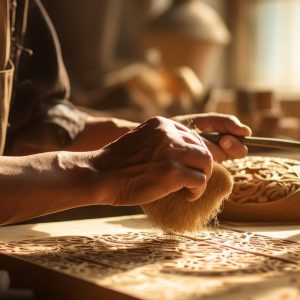
Get started with wood carving in the peaceful setting of Somone, surrounded by the lagoon, preserved nature, and the typical artisanal atmos...
Somone
Starting from
104 $ / pers -
Discover Somone in a different way with an immersive day combining a visit to the market, a hands-on workshop, traditional cooking, and expl...
Somone
Starting from
104 $ / pers
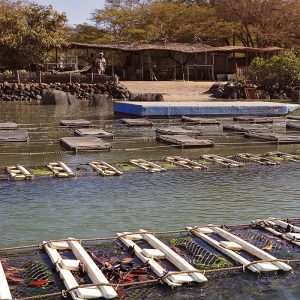
About ten kilometers south of Saly, Somone stands out as a peaceful gem of the Petite Côte, halfway between ecotourism, authentic village life, and relaxed seaside charm. Neglected by mass tourism, Somone offers a striking contrast to its lively neighbor: here, the atmosphere is serene, intimate, and perfect for contemplation and observing nature.
The village, built on the edge of an estuary where the sea meets the Somone River, favors modest accommodations: family inns, guesthouses on stilts, and restaurants close to the water. Everything revolves around the lagoon, classified as a community nature reserve: among mangroves, quiet beaches, colorful pirogues, and fishing markets, Somone has preserved its traditions and local life while welcoming visitors seeking gentle, responsible experiences. Somone’s secret? A rare balance between biodiversity and hospitality.
The Somone Lagoon: An Ecological Gem
The lagoon is Somone’s natural pearl, designated a reserve since 1999. Covering about 700 hectares, it consists of a patchwork of mangroves, sandy areas, sandbanks, and baobab forests. This fragile ecosystem protects the coast, serves as a nursery for many fish species, and hosts a major bird habitat (pelicans, flamingos, herons, little egrets, kingfishers…).
A traditional pirogue ride, gently gliding along the water, is the highlight experience, best enjoyed early in the morning or late in the day for the bird ballet and the “silent splash” of oars. Some excursions include stops on deserted islets, picnics or swimming, harvesting wild oysters (practiced by local women), or learning local fishing techniques. An ecological trail runs along the lagoon for over a kilometer, accessible on foot to observe fiddler crabs, birdwatch, or simply meditate in front of the mangroves.
Beaches of Somone
The main beach, sheltered from large waves, stretches under casuarina trees and hosts fishermen’s huts, affordable restaurants, and a few sunbeds for travelers seeking peace. Here, no jet skis or nightclubs: life revolves around the sea, light, and human encounters.
Picnics and family swimming are common on weekends, while sunrise attracts photographers, joggers, and shrimp fishermen at low tide.
Local Life and gastronomy
Somone remains an authentic fishing village: colorful pirogues return each morning, fish auctions on the beach, lively negotiations at the open-air market.
Lagoon-side restaurants are renowned for fresh fish: grilled thiof, prawns, oysters, and seafood—often enjoyed on a wooden terrace with feet in the sand. Some organize barbecues or themed dinners with storytelling, music, or acoustic concerts in the evening.
Excursions around Somone
- Saly (10 km): nightlife, water sports, shops, and trendy bars.
- Bandia Park (20 km): safari, giraffes, zebras, and baobabs by 4×4.
- Popenguine (15 km): nature reserves, cliff hikes, wild beaches, pilgrimage.
- Joal-Fadiouth (45 min): shell island, wooden bridge, mangrove, and Serer cultural heritage.
- Ngaparou and Guéréo: preserved villages, birdwatching, and nature circuits.
What to do in Somone? (Unique experience)
- Pirogue ride on the lagoon: nature immersion, birdwatching, stop for swimming or picnic on a sandbank.
- Bird observation with a passionate guide, ideal for photographers and biodiversity lovers.
- Local market, cast-net fishing with residents, cooking workshops with lagoon products.
- Relax on the beach, walk, swim, meditate, or practice yoga at sunrise.
- Ecotourism excursions (Bandia Park, Popenguine, Joal-Fadiouth).
Somone Anecdotes
Village women still harvest wild oysters, prawns, and shrimp by hand, sometimes jealously guarding their “secret patch” in the mangrove.
The lagoon is the stage of local legends: some guides say a protective spirit, nicknamed “the lagoon genie,” watches over the birds and wards off overly greedy fishermen.
The mangrove has undergone a major replanting campaign led by Somone’s children under the guidance of the local school and association, to preserve this gem and make it a model of community management in Senegal.
Practical information – Somone
- Access: 1h15 from Dakar (highway), 20 min from Saly/Somone by car or taxi. Dead-end road, guaranteed tranquility.
- Accommodation: family inns, guesthouses, small villas, eco-camps, stilted accommodations facing the lagoon.
- Health/Safety: safe beaches, monitored lagoon; calm village suitable for families; basic vigilance for personal belongings.
- Best time to visit: Dry season (November to May), pleasant temperatures and clear skies. Green season: mangrove blooms and arrival of migratory birds.
- Local life: morning market, traditional festivals according to the calendar, warm hospitality, opportunity to join nature workshops with local associations.
FAQ
Why visit Somone?
For its lagoon classified as a nature reserve, tranquility, biodiversity, and quality of hospitality.
Can you do water sports in Somone?
Mainly nature rides (piroque, kayak) and birdwatching. No surfing/diving here—head to Saly or Ngaparou for those activities.
Is Somone family-friendly?
Yes: calm beach, safe lagoon, nature activities suitable for children and adults.
How long to stay?
One day is enough for the lagoon, but 2–3 nights recommended to soak up the atmosphere, visit the market, and explore surroundings.
Difference with Saly?
Saly: festive, beach-oriented, lively.
Somone: eco-touristic, preserved, slow-paced, and authentic—ideal for escaping the crowds.
Sénégal travel news
Latest news
Discover the latest trends and tips for traveling in Senegal. From cultural tourism to outdoor activities, stay informed about events and news that will make your stay unforgettable.
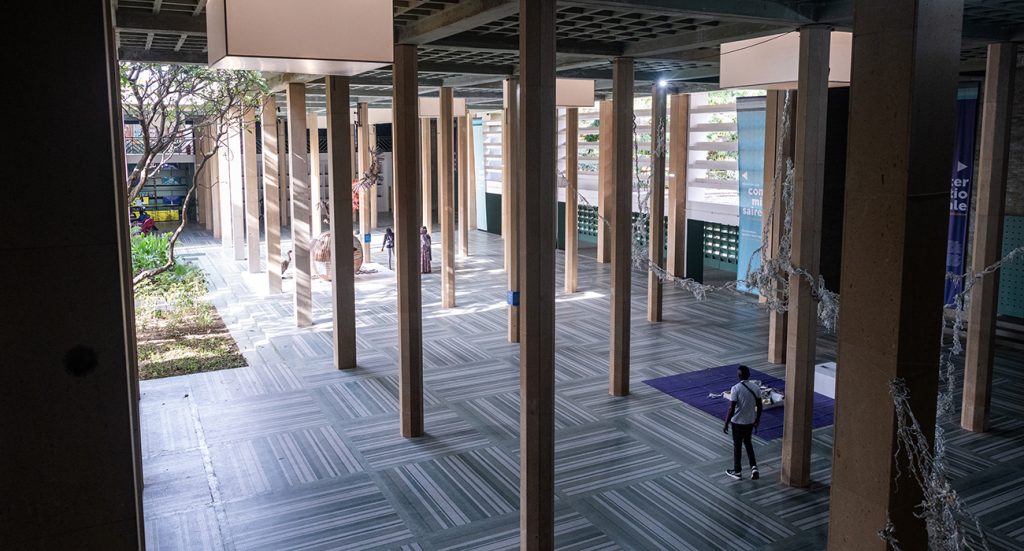
The Dakar Biennale (Dak’Art): Showcase of Contemporary African Art

The Saint-Louis International Jazz Festival: A Must-Attend Musical Event
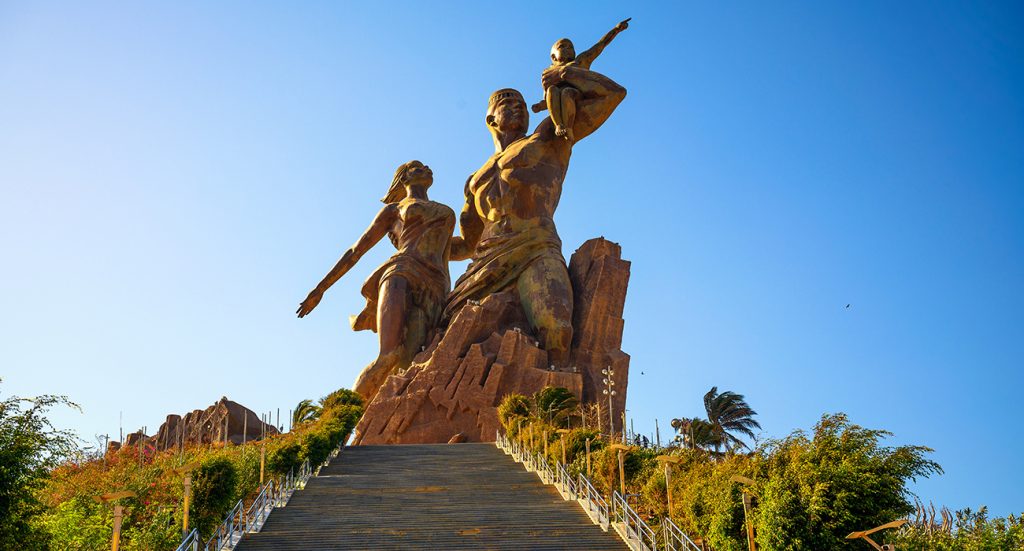
The African Renaissance Monument: Pride and Symbol of Dakar
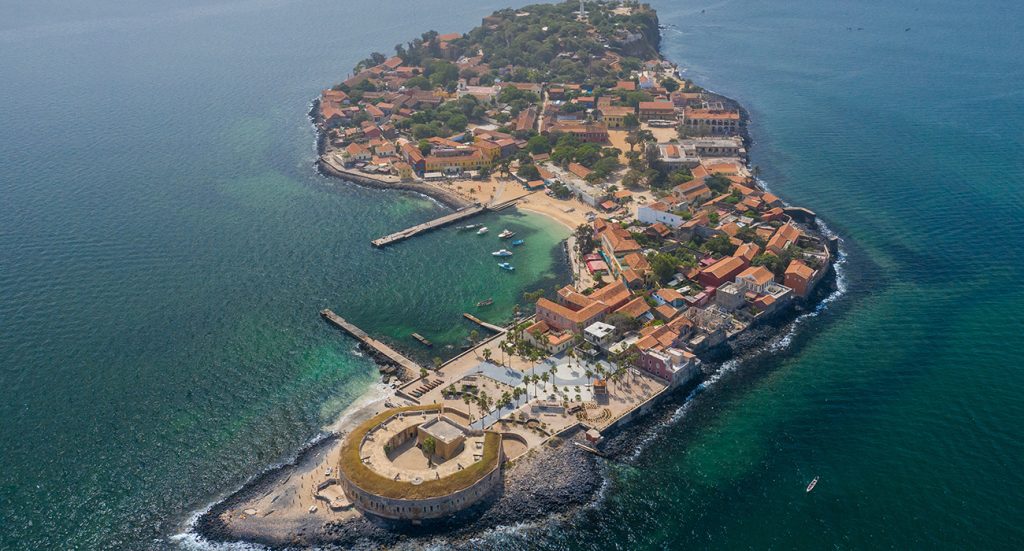
Gorée Island: Memory and World Heritage off the Coast of Dakar
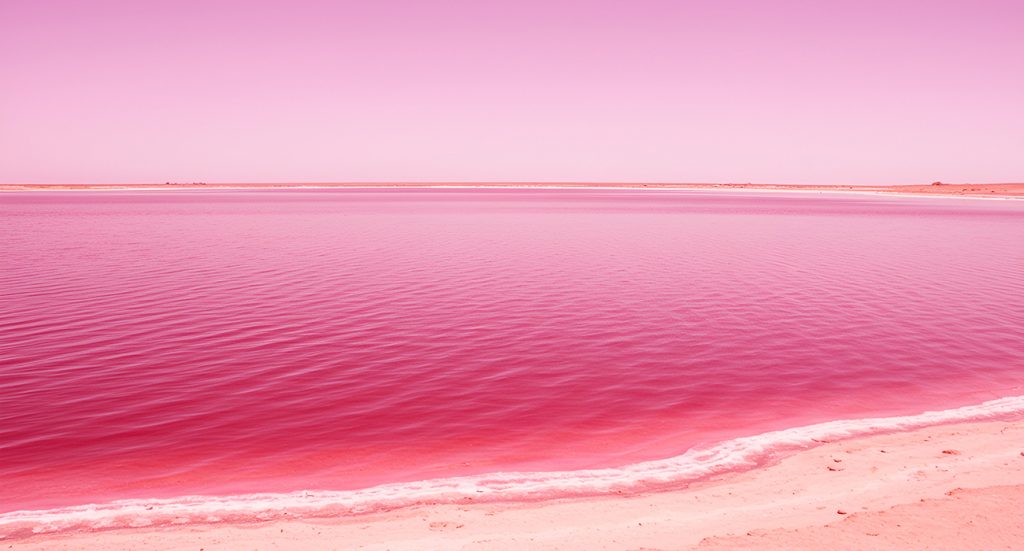
Lake Rose (Lake Retba): a natural wonder at the gates of Dakar
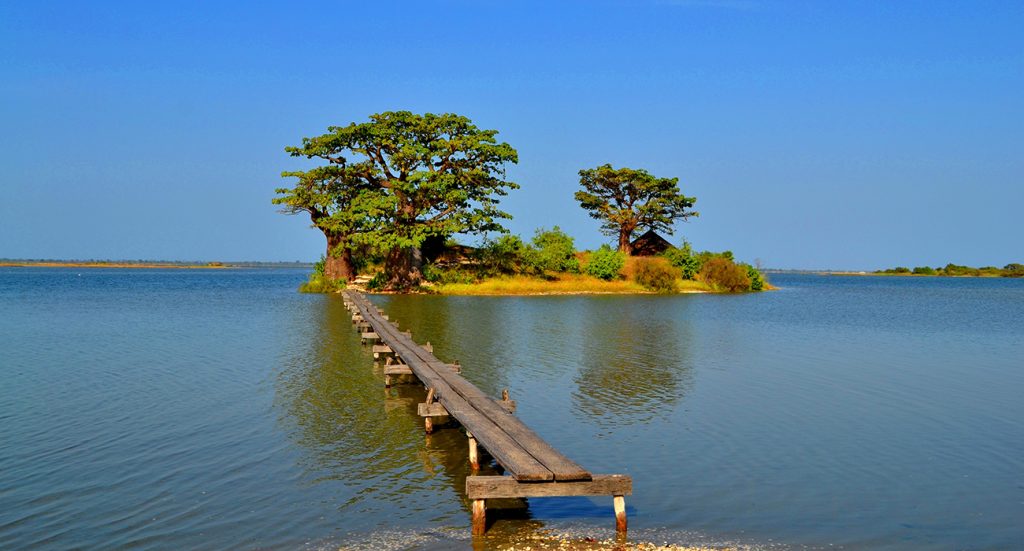
The Sine-Saloum Delta: between mangroves, islands, and Serer traditions
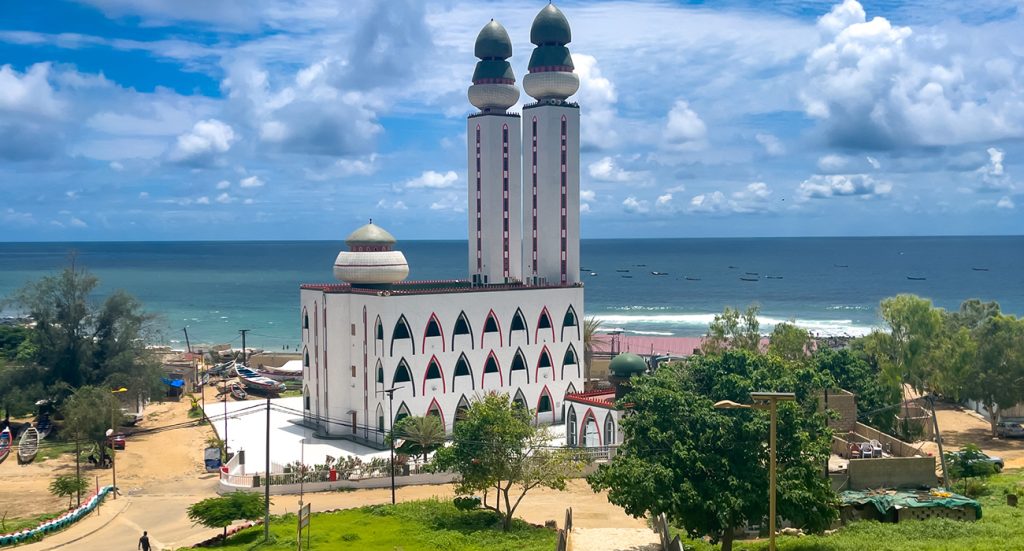
The Mosque of Divinity: Spirituality and Architecture Facing the Ocean
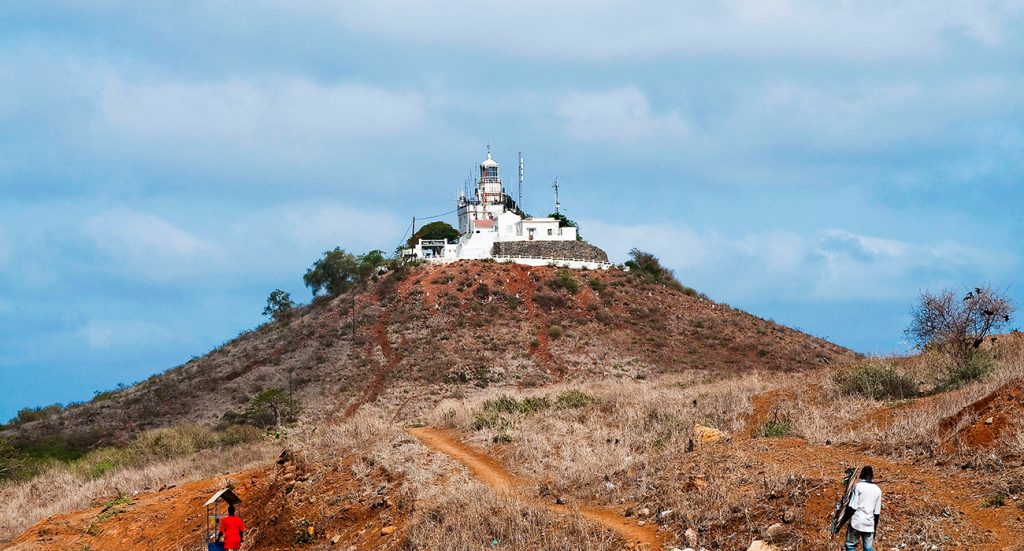
The Mamelles Lighthouse: Panorama and History of Dakar
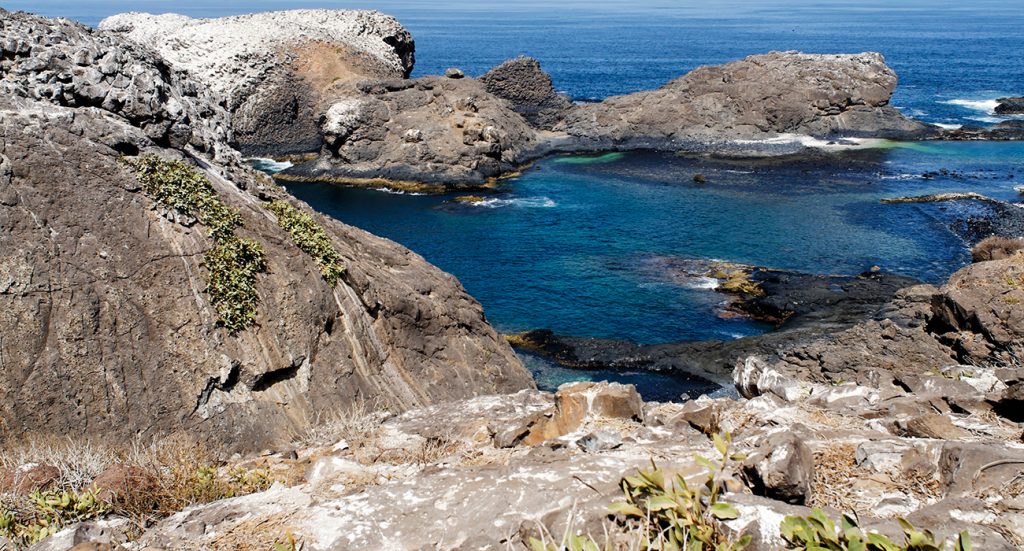
The Madeleine Islands: National Park Off the Coast of Dakar
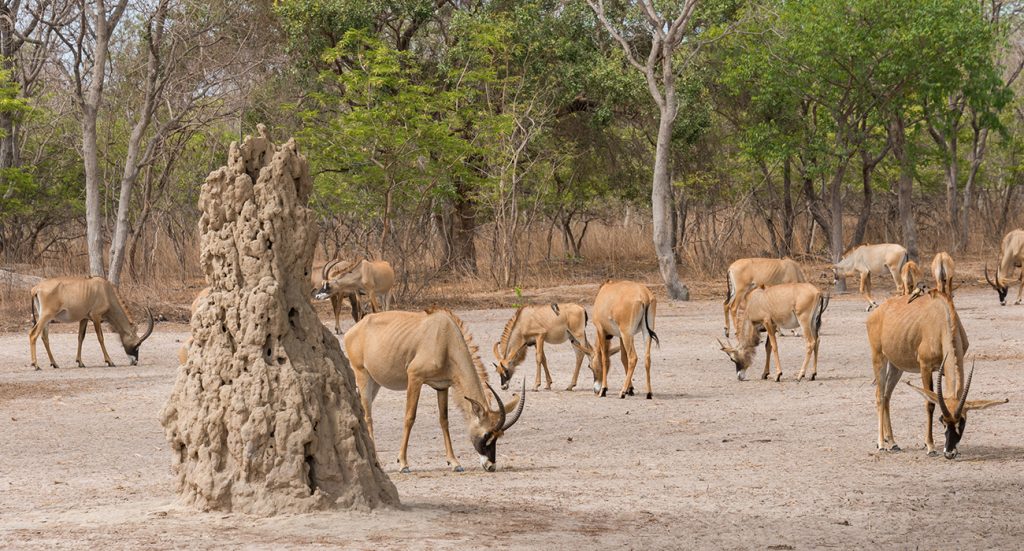
Fathala Reserve: a full-scale safari in Senegal
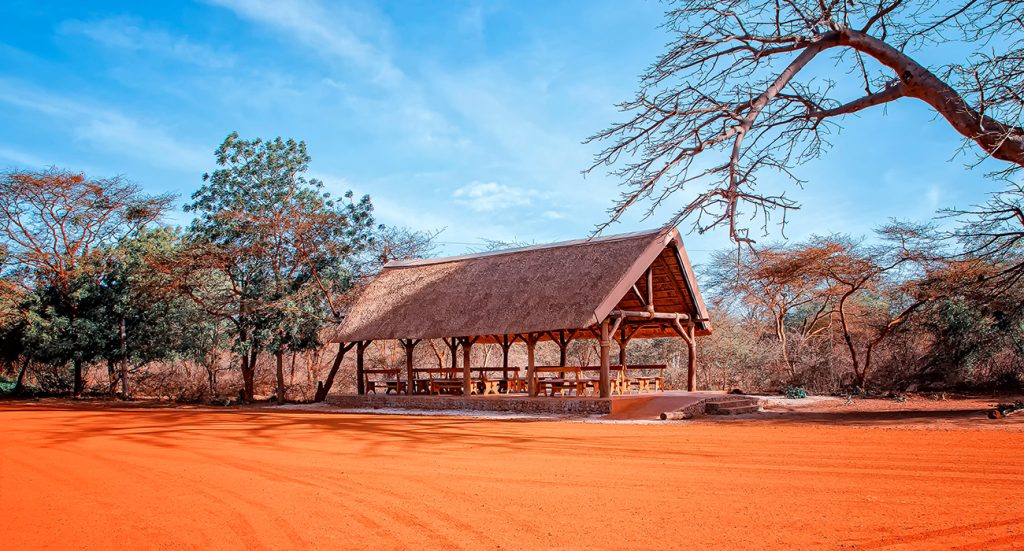
Bandia Park: safari in the heart of the Petite Côte
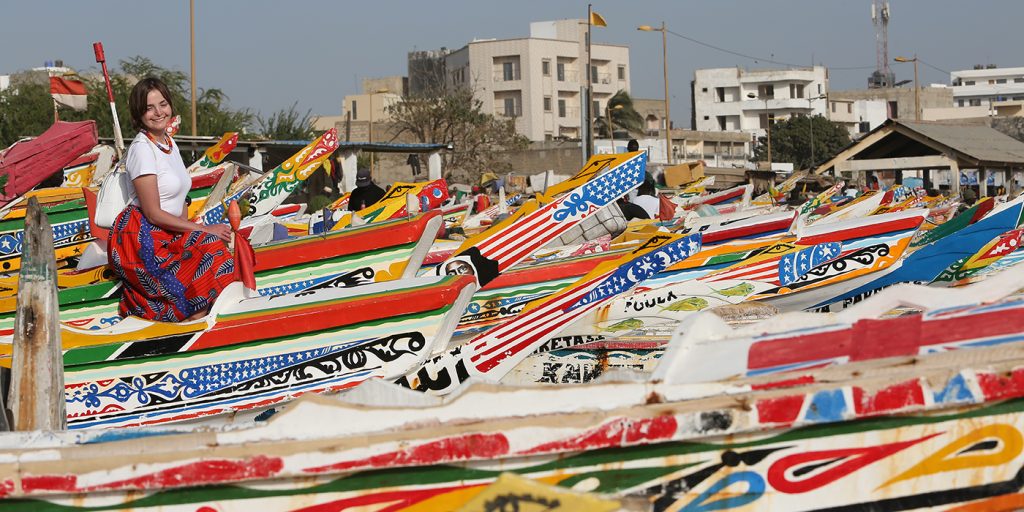
Dakar’s Iconic Markets: Immersion into the Soul of the Capital
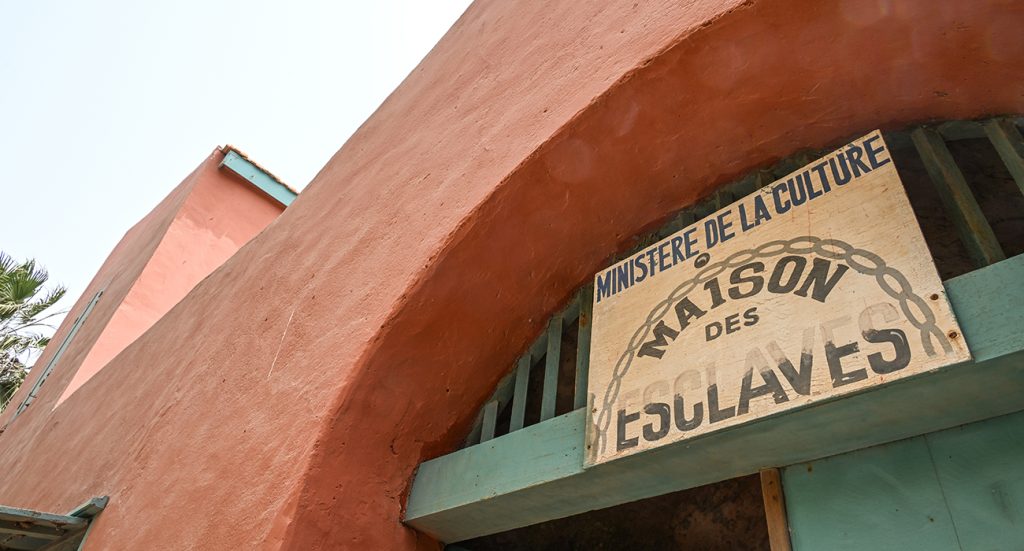
The House of Slaves on Gorée Island: A Universal Memory in Senegal
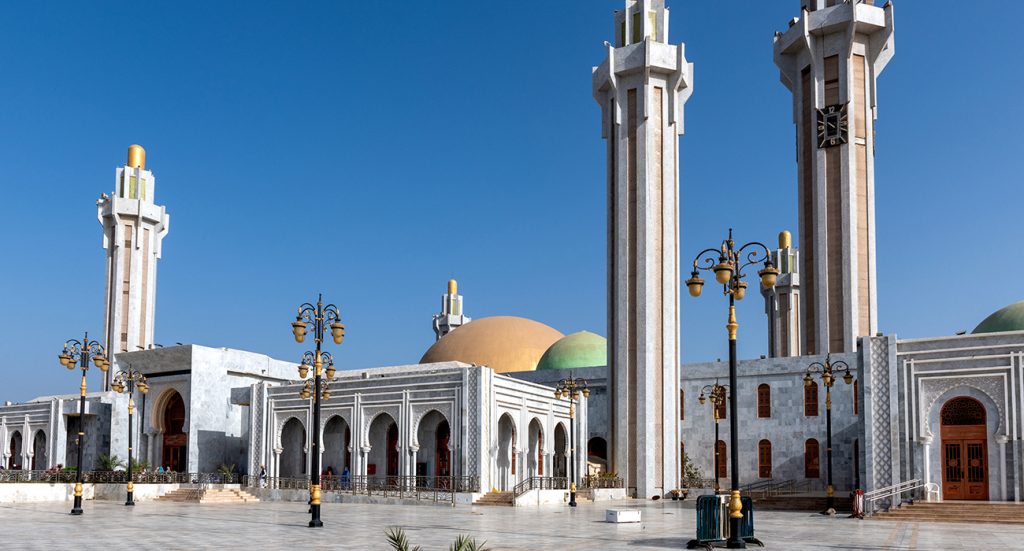
The Great Mosque of Dakar: Spirituality and Cultural Heritage
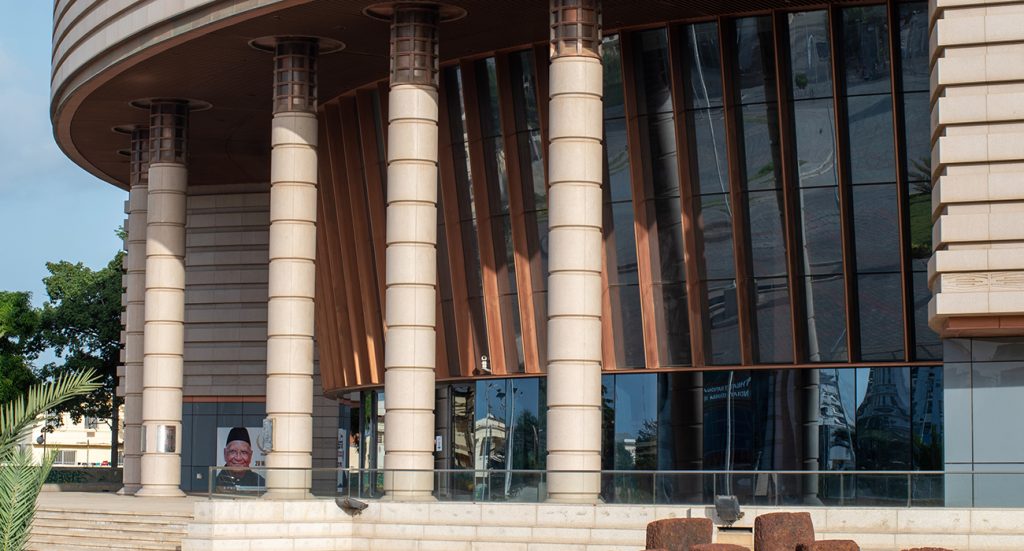
The Museum of Black Civilizations: Heritage and Modernity in Dakar
The Théodore Monod Museum of African Art: Heritage Treasure of Dakar
Ideal Itinerary : 3 Days in Dakar
The Dakar region, the beating heart of Senegal