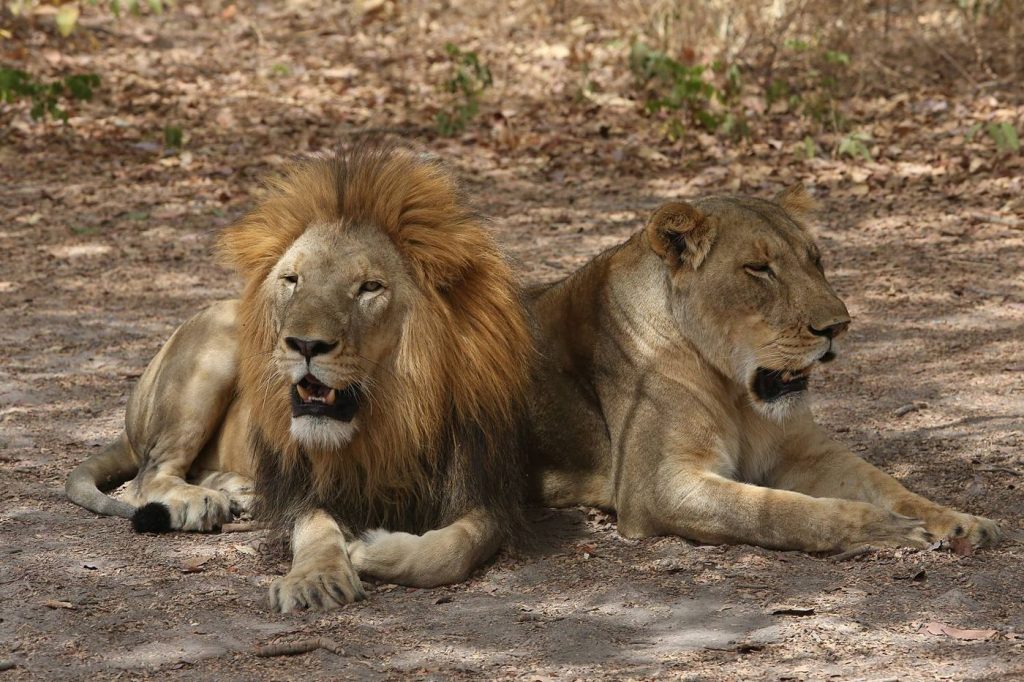
Spanning 3,500 hectares of fenced woodland savanna, Bandia was born from an innovative vision: to restore the classified Bandia forest—degraded by logging and agriculture—and reintroduce large African mammals that had sometimes disappeared for centuries due to hunting and poaching. Today, the park is home to giraffes, white rhinoceroses, buffalo, zebras, antelopes, monkeys, rare mammals, crocodiles, hyenas, and over 120 bird species, set against a backdrop of giant baobabs and centuries-old kapok trees. Recognized as a conservation model, the park attracts tens of thousands of visitors each year for an authentic African safari, just 1.5 hours from the capital or as a short getaway from the beaches.
An Exemplary conservation project
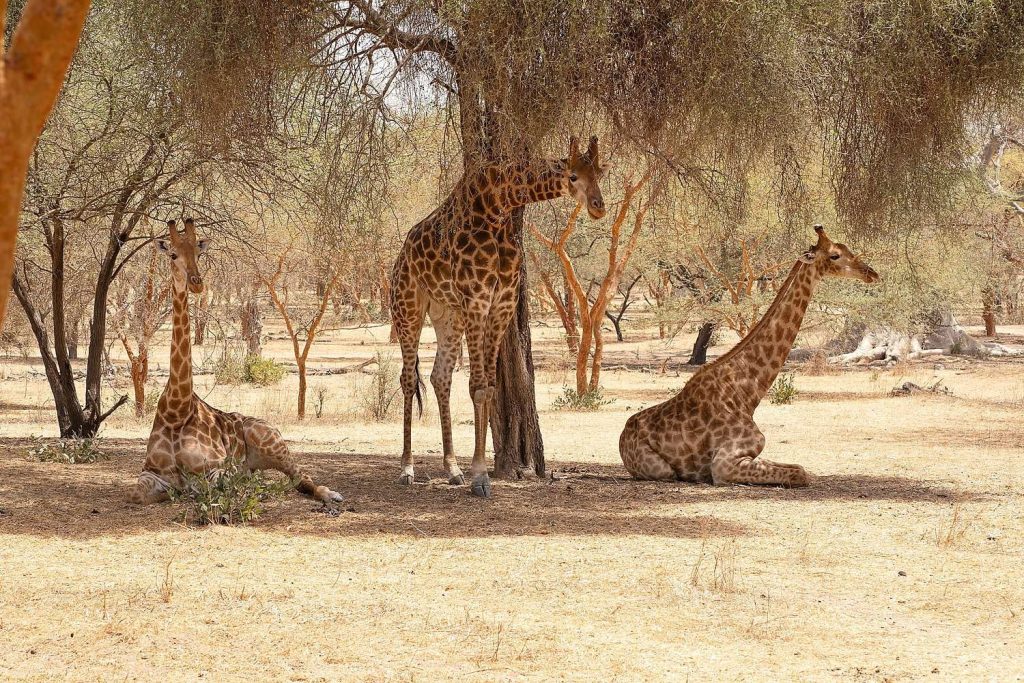
Bandia Park owes its existence to the reforestation project launched in the 1980s (PARFOB) and the vision to create Senegal’s first private reserve, combining sustainable tourism, protection of endangered wildlife, and ecological valorization of the Senegalese savanna. The reserve has enabled the gradual reintroduction of giraffes, oryx, zebras, Derby elands, buffalo, ostriches, crocodiles… Many of these species had not been seen in the region for decades.
With its animals living in semi-freedom, Bandia is now a recognized ecological and economic success in West Africa. Visitors can also admire unique flora (baobabs, acacias, tamarinds, lianas) and cultural heritage, including Serer burial mounds and the famous griot tomb inside a millennial baobab.
Animals to observe
During 4×4 or open-truck safaris (about 2–3 hours), visitors can get close to:
- Herbivores: giraffes, zebras, oryx, antelopes, Derby elands, buffalo, warthogs, impalas, gnus, and kob.
- Predators: spotted hyenas (in a specific enclosure), jackals, mongooses.
- Primates: patas monkeys, vervets, baboons.
- Reptiles: Nile crocodiles, giant tortoises, monitor lizards, snakes.
- Birds: over 120 species; ostriches (free-roaming), hornbills, fish eagles, herons, vultures, flamingos, rare raptors, and countless passerines. The park’s stars remain the white rhinoceroses, whose guided walking encounters are a highlight of the safari.
Scenery and atmosphere
Bandia’s landscape evokes a dreamlike Africa: savanna dotted with ancient baobabs, gnarled tamarinds, giant kapok trees, acacia clusters, and wide clearings.
Visitors encounter a hollow baobab, classified as a historical monument, which long served as a tomb for griots—their remains are still visible during guided tours.
Serer burial mounds, ancient millet grinding stones, and restored Fulani huts line the trails, blending wild nature with the memory of local peoples.
The ambiance is typically African: distant hyena roars, rustling leaves in the wind, monkeys calling from tamarinds, and the low evening light on tall grass create an immediate sense of immersion.
Facilities and services
Bandia features a renowned panoramic restaurant—built on stilts above a waterhole—allowing guests to observe crocodiles, monkeys, and birds while dining.
The gift shop offers local crafts, books, and nature items. Safaris are organized with experienced guides (French, Wolof, English); parking, restrooms, a picnic area, and a welcoming staff complete a well-thought-out infrastructure suitable for families and small groups.
Things to do at Bandia Park
- Guided 4×4 or open-truck safari (2–3 hours).
- Birdwatching and photography workshops with naturalists.
- Introduction to Senegalese savanna ecology.
- Visit the baobab-griot tomb; guided or self-guided tours of cultural sites and burial mounds.
- Lunch overlooking animals at the park restaurant.
- Educational sessions on conservation and the life of reintroduced species; school awareness programs.
Bandia anecdotes
- Some children call Bandia’s giraffes “the queens of the park” because no predator has ever stolen their spotlight during photo safaris.
- The hollow baobab tomb sometimes attracts griots from the region during secret ceremonies to “communicate” with their ancestors through major musical rites.
Practical Information
- Location: 15 km from Saly, 65 km from Dakar (on the main national road), near Sindia.
- Access: Private car, taxi, or organized hotel/resort excursions. Parking on site.
- Hours: Open daily from 8 am to 6 pm; recommended arrival in the morning or late afternoon.
- Safari duration: Approximately 2–3 hours for a full tour; full-day options with lunch available.
- Prices: 15,000 FCFA (€23) per adult, 10,000 FCFA (€15) per child; 4×4 rental available on-site (guide required).
- Services: Panoramic restaurant, gift shop, guides, restrooms, educational rooms, accessible for children and people with reduced mobility.
- Best season: Year-round. Dry season (Nov–May) offers ideal lighting and easier animal observation; wet season brings lush landscapes and more wildlife births.
FAQ
Which animals can be seen at Bandia? Giraffes, rhinoceroses, buffalo, zebras, antelopes, monkeys, crocodiles, ostriches, 120+ bird species, hyenas.
How long does a visit take? 2–3 hours for a standard circuit; longer if including lunch or extended observation.
Is it suitable for children? Yes: secure park, educational guides, short distances, easy observation.
Can it be visited in a day from Dakar? Yes, 1.5 hours away; organized tours or by car/taxi, reservation recommended, especially on weekends.
Best time to visit? Morning (8–10 am) or late afternoon (4–6 pm) for active animals and beautiful light.