Dakar
Filters
Categories
Cities
-
Discover Dakar from an authentic perspective with an immersive day combining a market visit, hands-on workshop, traditional cooking, and a s...
Dakar
Starting from
104 $ / pers -
Dive into the unique world of Senegalese wrestling, the country’s most popular national sport, through an immersion in a traditional schoo...
Dakar Arena Yoff Pikine, Cassation Beach
Starting from
104 $ / pers
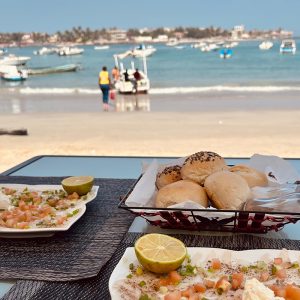

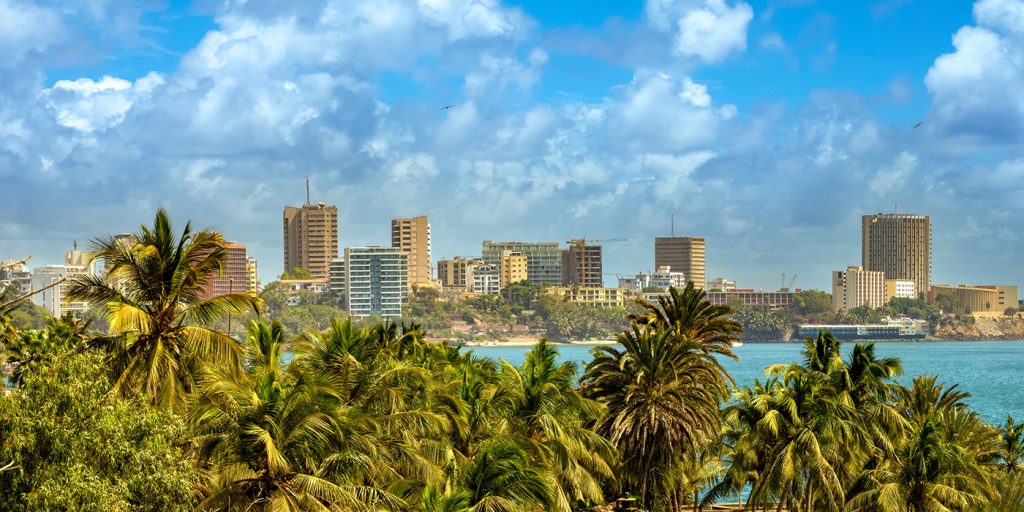
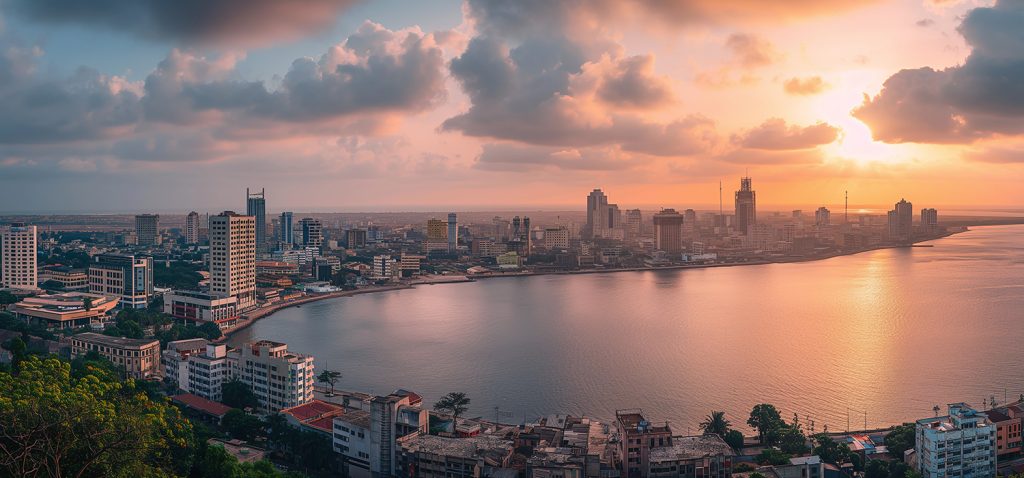
A dynamic, historic, and cosmopolitan capital, Dakar is the gateway to Senegal — a place of contrasts where urban energy, deep-rooted traditions, and the vast Atlantic Ocean meet. Located at the westernmost tip of Africa on the Cape Verde Peninsula, Dakar charms visitors with its cultural diversity, exceptional architectural heritage, lively beaches, and colorful markets. As the artistic and political heart of the country, the city represents a crossroads between Africa, Europe, and the Americas — a mosaic of cultures reflected in its architecture, arts, music, cuisine, and the unparalleled hospitality of its people, always ready to welcome visitors from around the world.
A major African port city, Dakar is home to a unique array of museums, historical sites, modern monuments, and popular neighborhoods. Beyond being an administrative or commercial center, it is also a beach destination, an adventure hub, and an ideal starting point to explore spectacular surroundings — lakes, islands, small villages, or nature reserves. Whether visiting Dakar for a weekend or several weeks, each day offers something new, blending history, encounters, leisure, and contemplation of the Atlantic.
Must-See Museums in Dakar
Museum of Black Civilizations
This brand-new museum, inaugurated in 2018, impresses with its size and architectural design inspired by a traditional Casamance hut with an impluvium. It recounts the history of Africa from prehistory to contemporary art through masks, sculptures, textiles, archaeological objects, and modern works. Essential for anyone wishing to understand the African soul and the cultural diversity of the continent — and the word “Dakar” resonates throughout the museum, reflecting its Pan-African spirit.
House of Slaves on Gorée Island
Just 20 minutes by boat from Dakar’s port, Gorée Island is a powerful place of memory and emotion: its House of Slaves, home to the famous “Door of No Return,” is UNESCO-listed. The cobblestone streets, historic buildings, and museum recount the slave trade and the history of the peoples who crossed the Atlantic.
Théodore Monod Museum of African Art
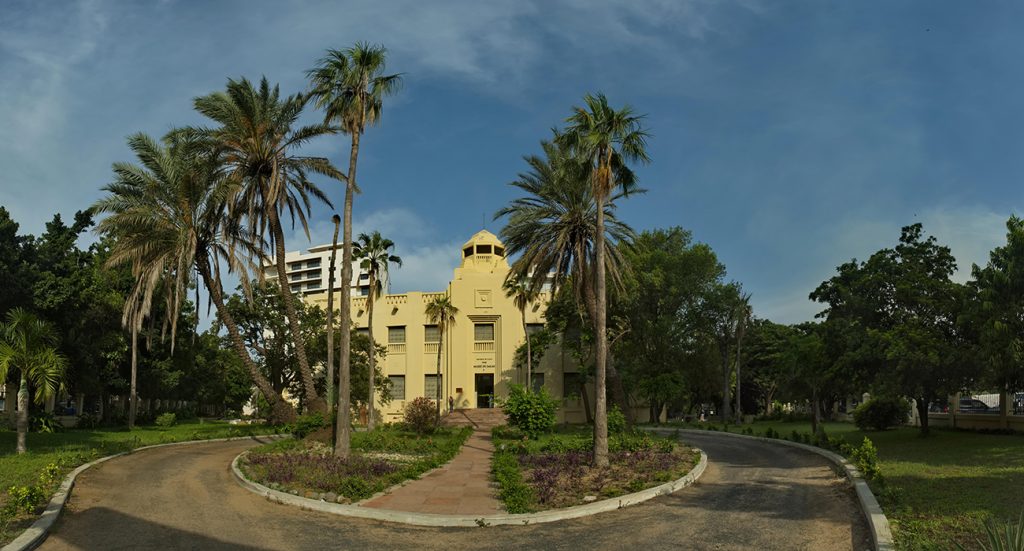
Formerly the IFAN Museum, it houses one of West Africa’s richest collections: masks, textiles, musical instruments, and ritual objects from sub-Saharan Africa. Essential to understand Dakar’s multi-ethnic roots and its mission to unite Africa through art.
Armed Forces Museum
This more discreet museum traces the military history of Senegal, from the tirailleurs in both World Wars to independence and contemporary peacekeeping missions.
Léopold Sédar Senghor Museum
Located in the former home of the poet-president, this museum offers an intimate look at Senghor’s life, celebrating Negritude and Senegalese francophonie with furniture, manuscripts, and artworks gifted by artists from around the world.
Iconic Monuments & Sites
African Renaissance Monument
Standing 52 meters tall, it is the highest statue in Africa. It depicts a couple and a child facing the future, overlooking Dakar from the Mamelles hill — a symbol of pride, ambition, and Pan-African memory. At the top, a 360° panoramic view reveals the entire Cape Verde Peninsula and the vast Atlantic Ocean.
Independence Square
The nerve center of the Plateau — Dakar’s historic district — surrounded by major administrative buildings, banks, and institutions. It is “the modern heart of Dakar,” where colonial heritage and African dynamism coexist.
Mosque of the Divinity
Facing the ocean at the foot of the Mamelles hills, it features refined architecture. On Fridays, witness the strong local devotion and enjoy an exceptional view at high tide.
Presidential Palace
A beautiful white monument surrounded by flowered gardens, guarded by Senegal’s iconic Red Guards. Visits are limited to the exterior but it remains a must-see during a walk through Dakar.
Mamelles Lighthouse
Built in 1864, this lighthouse overlooks the city. Its guided daytime tour offers one of the best views of Dakar, the Corniche, the islands, and even Léopold Sédar Senghor Airport. A small cliff-top restaurant serves simple yet high-quality cuisine 100 meters above the sea.
The Surroundings of Dakar
Ngor Island
Just a few hundred meters from Ngor beach, the island is accessible by pirogue. Paradise beaches, surfing, restaurants, crafts, and a bohemian atmosphere make it a favorite getaway for Dakar residents.
Madeleine Islands
A classified volcanic national park, these islands are known for cliffs, caves, and seabirds. Visitors come here for calm, unique swimming spots, and spectacular landscapes.
Lac Rose
Located 30 km northeast of Dakar, Lake Retba owes its pink color to microalgae, shifting between shades of pink and magenta depending on the season. Swimming is possible, but this former Paris-Dakar rally stage is best known for quad biking, 4×4 rides on the dunes, and witnessing artisanal salt harvesting.
Hann Park & Zoo
Ideal for family walks or observing local wildlife (monkeys, birds, turtles, and hippopotamus ponds).
Markets & Local Life
Sandaga Market
A lively maze, perfect for immersing yourself in daily life: fabrics, crafts, colorful spices, and typical street scenes. Bargaining here is part of the authentic Dakar experience.
Kermel Market
A historic building listed as UNESCO heritage, combining West African and Arab-Muslim influences. This covered market offers seafood, fresh produce, and local specialties in a warm atmosphere.
Tilène Market & HLM Market
Tilène is known for its “grigris” section dedicated to traditional medicine and animist beliefs. HLM Market is the go-to place for wax fabrics and textiles.
Village des Arts
This historic artistic center attracts art lovers and collectors: open studios, murals, temporary exhibitions, and a permanently creative atmosphere. A must-see off the beaten path.
Anecdotes from Dakar
- All in the same boat…
The origin of the name “Senegal” is often linked to the Wolof expression “sunugaal,” meaning “our canoe.” This wordplay symbolizes the unity and friendliness that characterize Dakar and Senegal as a whole. - Street trades & colorful life
Dakar lives to the rhythm of countless small street trades: fruit sellers, fabric vendors, peanut sellers, shoemakers, shoe shiners, and tailors working outdoors. Everyone contributes to the city’s daily ballet, and bargaining at Sandaga or Tilène is both a human and theatrical experience. - Gorée’s jewelry sellers
On Gorée Island, Siga continues her mother’s tradition of selling handmade jewelry table-to-table in the few island restaurants — competition with Dakar’s sellers is sometimes fierce. - The “damp”: a unique massage
The Senegalese “damp” is a traditional massage passed down through generations. Practiced from birth, it is believed to protect, heal, or support growth. In Dakar, some modern therapists continue the tradition in wellness centers. - Dakar, capital of mbalax and Youssou N’Dour
Dakar is the birthplace of mbalax, the emblematic rhythm that makes all West Africa dance. Every night, it echoes through the popular neighborhoods and comes alive in concerts and family events. Youssou N’Dour, born in Dakar, is now a global icon of Senegalese music. - Legendary hospitality (Teranga)
“Teranga” is not an empty word: in Dakar, it’s common to be invited for attaya tea or a meal even when meeting someone for the first time.
Cultural Life & Events
- Dak’Art Biennale: the flagship event of contemporary African art, held at the former Cap-Manuel courthouse, with exhibitions across the city.
- Saint-Louis International Jazz Festival: easily combined with a stay in Dakar.
- Mbalax concerts & nightlife: music from Youssou N’Dour and other Senegalese stars enlivens bars, clubs, and popular districts.
- Daniel Sorano Theater and its national ballet, alongside hip-hop shows and slam performances, keep the cultural calendar full year-round.
Food in Dakar
Enjoy thiéboudienne (the national dish), yassa, mafé, or fresh seafood at Pointe des Almadies or Kermel Market.
- Chic option: Lagon 1 (ocean view, grilled fish).
- Traditional meals: Le Djembé or Chez Loutcha.
- Veg-friendly: Table d’Alkimia.
What to Do in Dakar & Surroundings?
- Water sports: Surfing in Yoff or Ngor, paddleboarding, diving, boat trips.
- Excursions & adventure: Quads at Lac Rose, Corniche hikes, Bandia safaris, horseback riding on the beach.
- Nature & culture: Trip to Gorée, canoe rides in Somone, birdwatching in Djoudj, visits to Lebou and Serer villages.
- Workshops: Dance, drumming, cooking, craft workshops.
- Wellness: Yoga facing the Atlantic, massages in Ngor or Saly, private beach days.
Practical Information for Visiting Dakar
Best Time to Visit
- November–May, dry season: mild weather, pleasant sea, major events.
- June–October, rainy season: lush landscapes, short but heavy rains, calmer atmosphere.
Transport
- Blaise Diagne International Airport: 45 minutes from the center, taxis, shuttles, ride-hailing services.
- In the city: yellow taxis (always negotiate), ride-hailing, buses, car rentals with or without driver.
- Excursions: pirogues to Gorée or Ngor, buses or taxis to Lac Rose or Bandia, tourist train along the Corniche.
Accommodation
- From luxury hotels (Terrou Bi, Noom Hotel) to family guesthouses.
- Recommended districts: Plateau (historic center), Almadies (seaside), Ngor, Yoff.
- Petite Côte: beach resorts ideal for families and groups.
Visa & Formalities
- Most European nationals do not need a visa for stays under 90 days. Valid passport required.
- Entry forms may sometimes be requested. Check updates before departure.
Health, Safety & Budget
- No mandatory vaccines, but yellow fever and routine vaccines are recommended. Bring sunscreen and mosquito repellent.
- Dakar is safe for travelers, but watch out for pickpockets in crowded areas and be cautious on the Corniche at night.
- Average budget: meals 5,000–15,000 FCFA, museum tickets €2–4, day trips €25–60, hotels €20–120 depending on category.
Local Tips
- Climb Mamelles Lighthouse at sunset.
- Visit HLM Market for wax fabrics or handmade jewelry souvenirs.
- To meet local artists, visit the hidden studios of the Village des Arts or a vernissage in the city.
FAQ
- Which museums to visit in Dakar?
Museum of Black Civilizations, House of Slaves, Théodore Monod Museum, Senghor Museum. - What is Dakar’s most iconic monument?
The African Renaissance Monument (52 meters). - Best excursions from Dakar?
Lac Rose, Ngor Island, Madeleine Islands, Bandia Reserve. - Ideal season?
November–May (dry season). - Is Dakar family-friendly?
Yes — beaches, markets, museums, boat trips, and safaris. - How to get around?
Taxis, buses, shuttles, pirogues, car rentals. - Visa, safety, health?
No visa required for short stays for Europeans, vaccines recommended, Dakar is generally safe.
Sénégal travel news
Latest news
Discover the latest trends and tips for traveling in Senegal. From cultural tourism to outdoor activities, stay informed about events and news that will make your stay unforgettable.
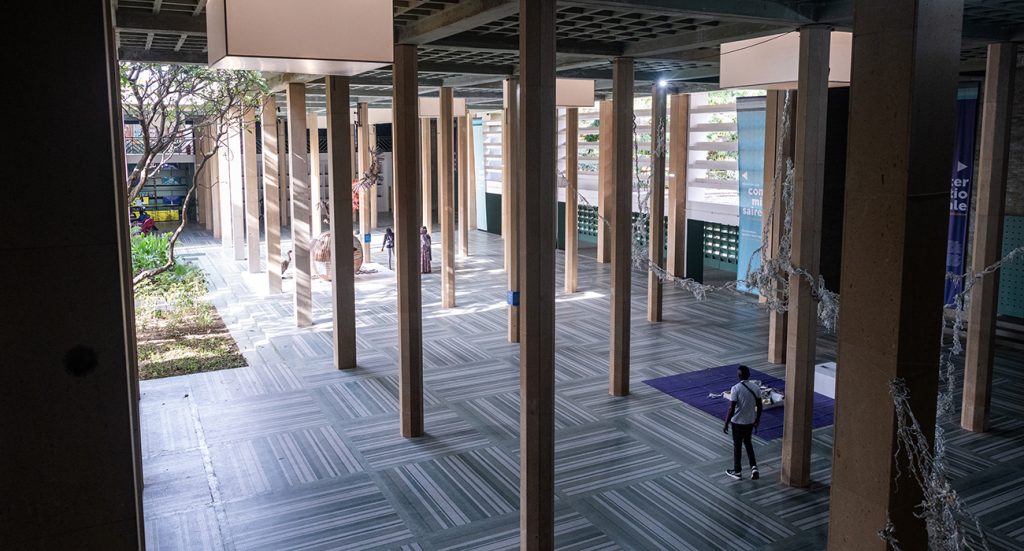
The Dakar Biennale (Dak’Art): Showcase of Contemporary African Art
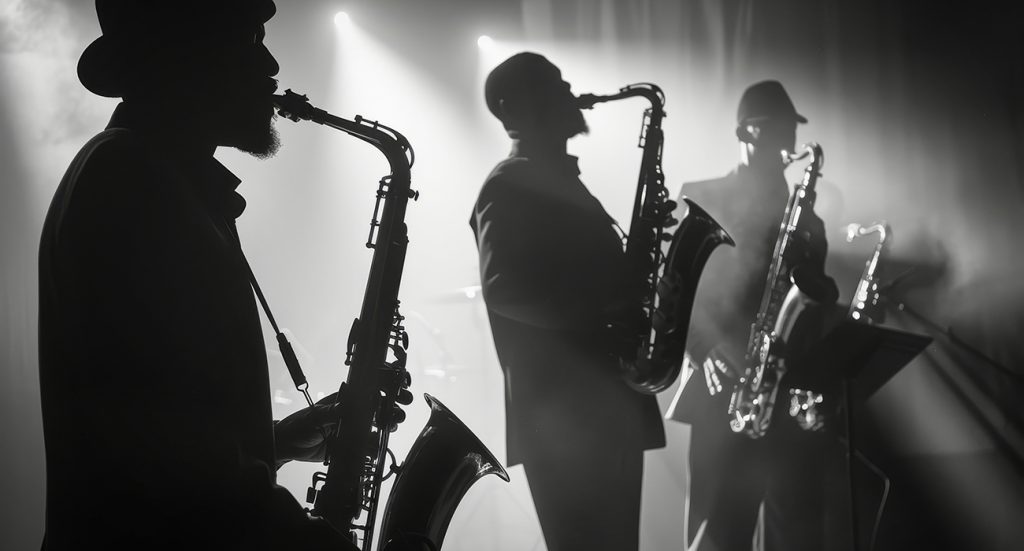
The Saint-Louis International Jazz Festival: A Must-Attend Musical Event
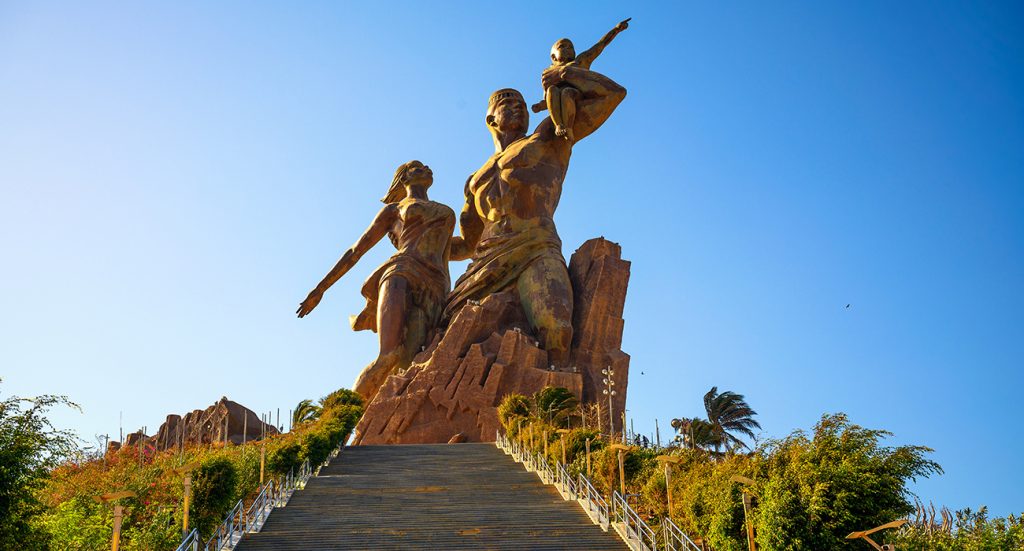
The African Renaissance Monument: Pride and Symbol of Dakar
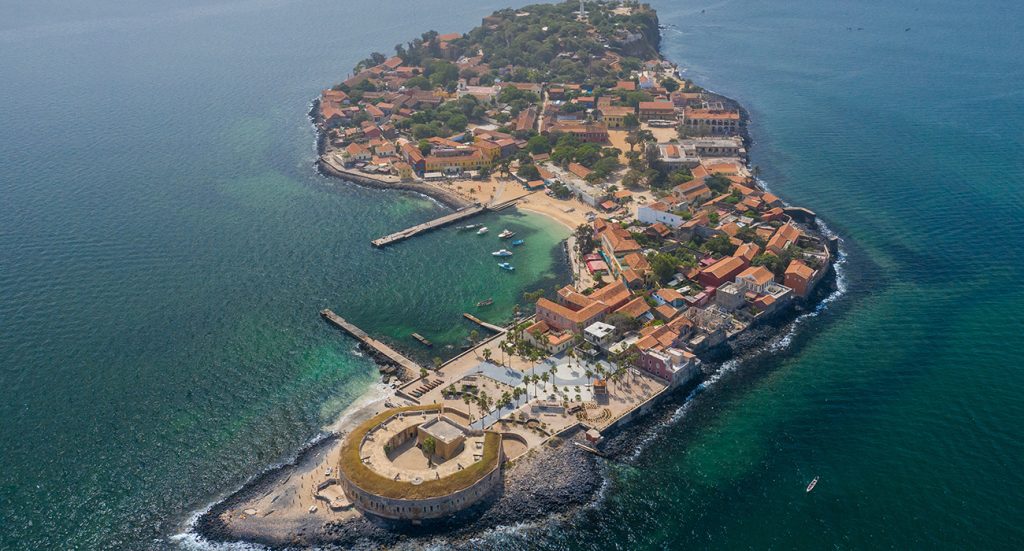
Gorée Island: Memory and World Heritage off the Coast of Dakar
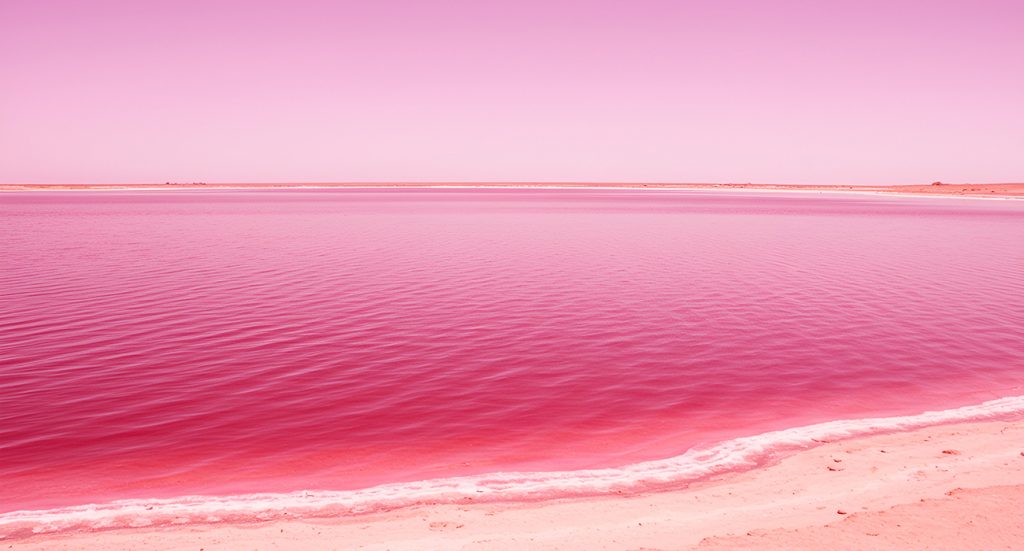
Lake Rose (Lake Retba): a natural wonder at the gates of Dakar
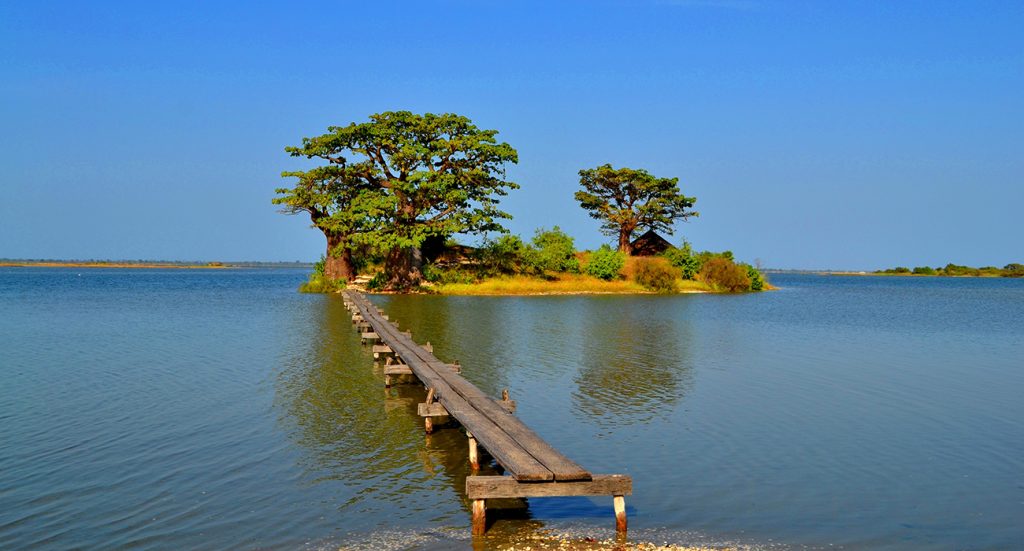
The Sine-Saloum Delta: between mangroves, islands, and Serer traditions
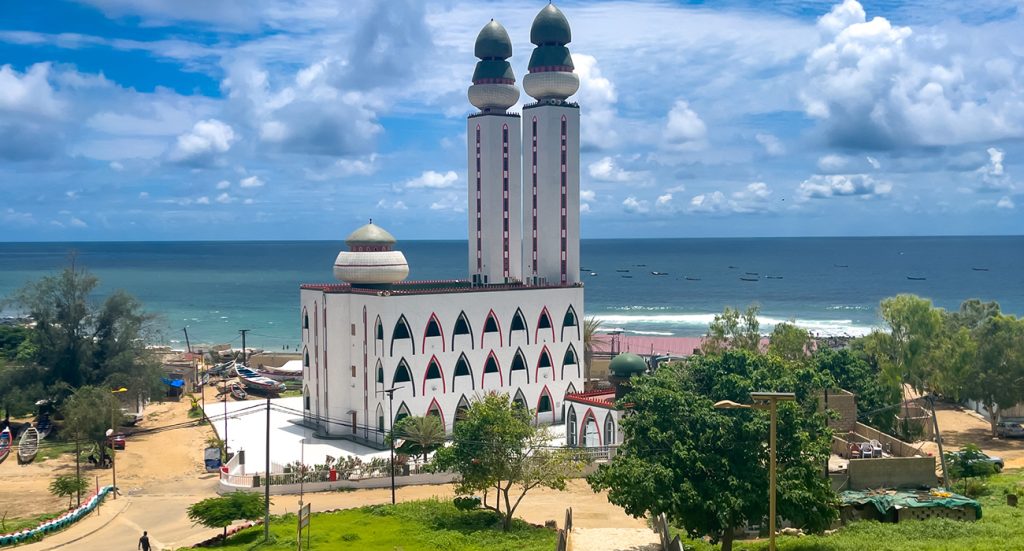
The Mosque of Divinity: Spirituality and Architecture Facing the Ocean
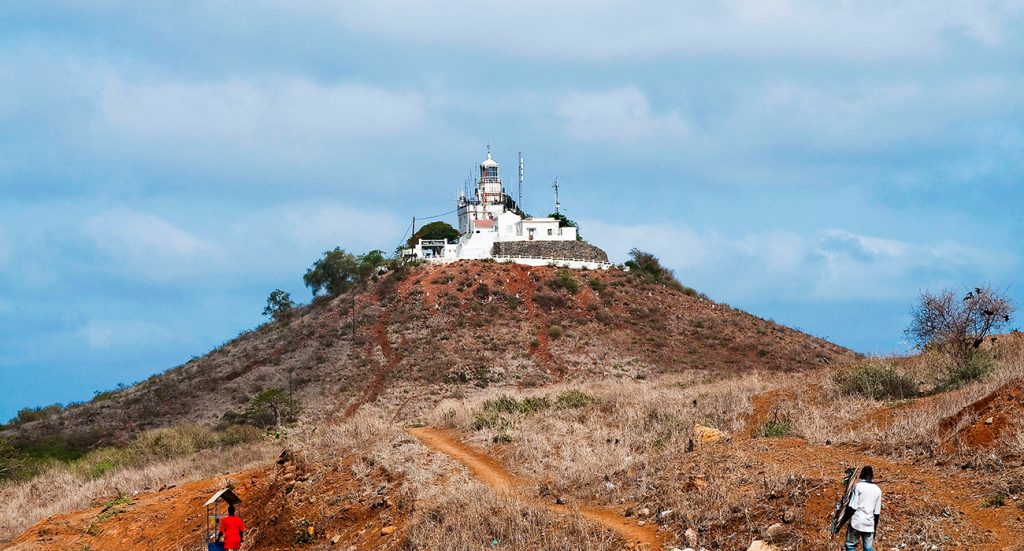
The Mamelles Lighthouse: Panorama and History of Dakar
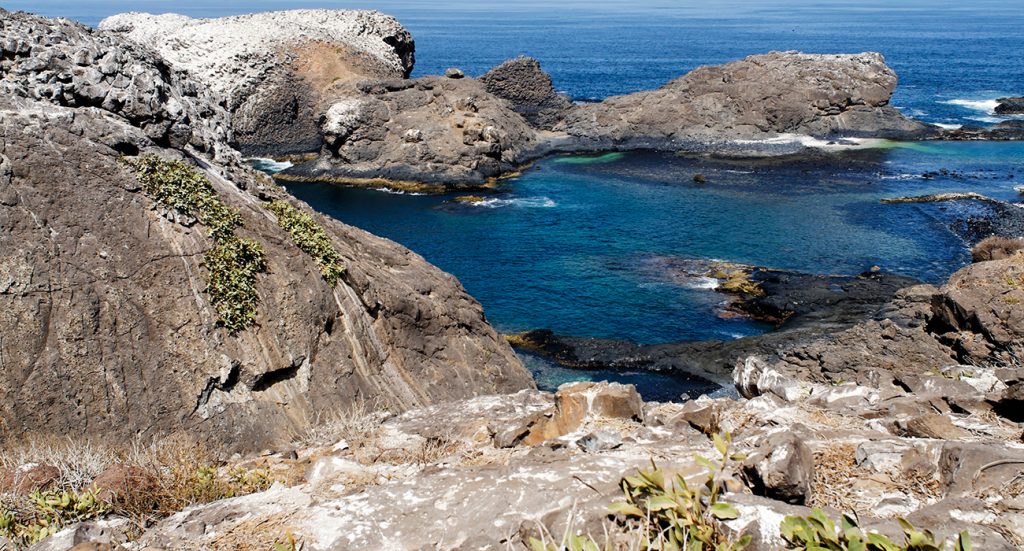
The Madeleine Islands: National Park Off the Coast of Dakar
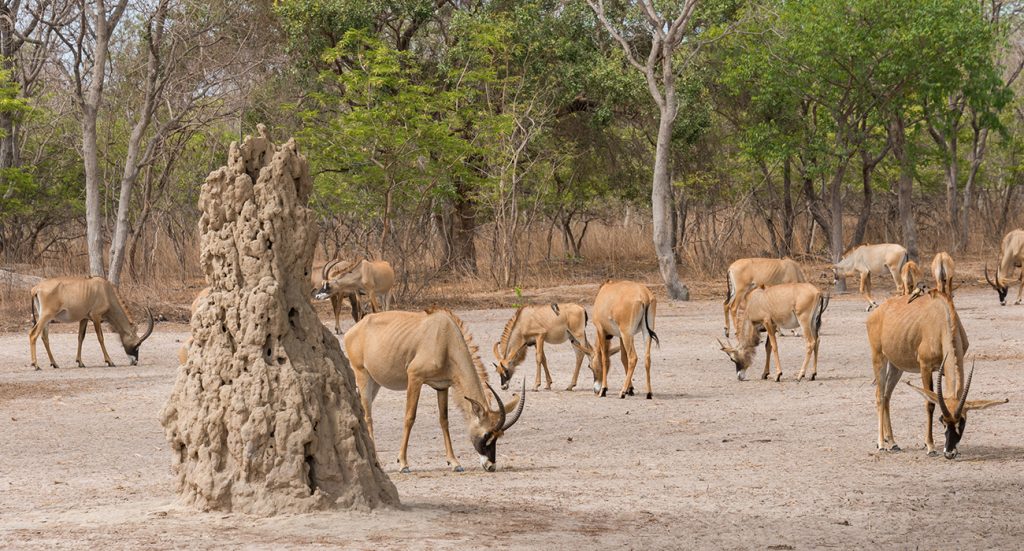
Fathala Reserve: a full-scale safari in Senegal
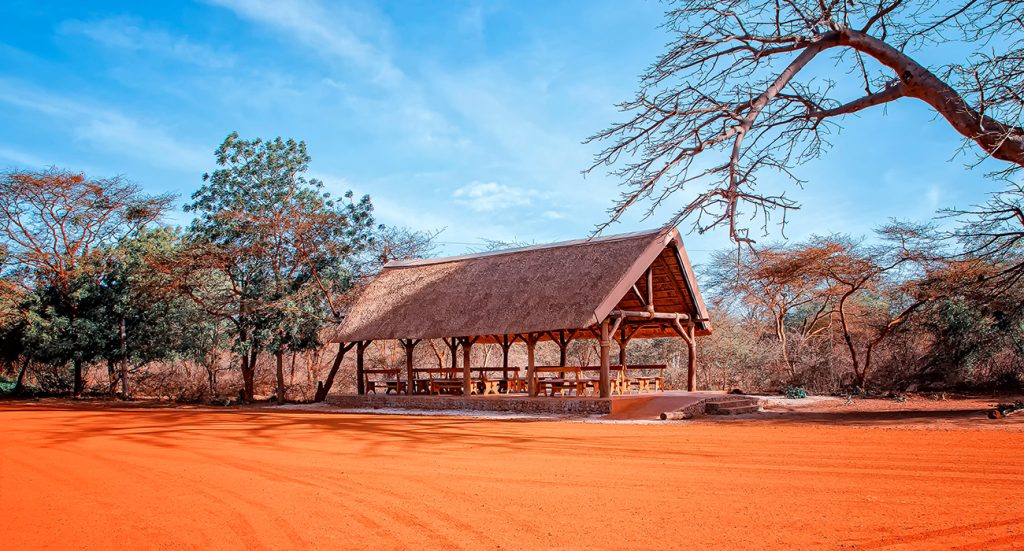
Bandia Park: safari in the heart of the Petite Côte
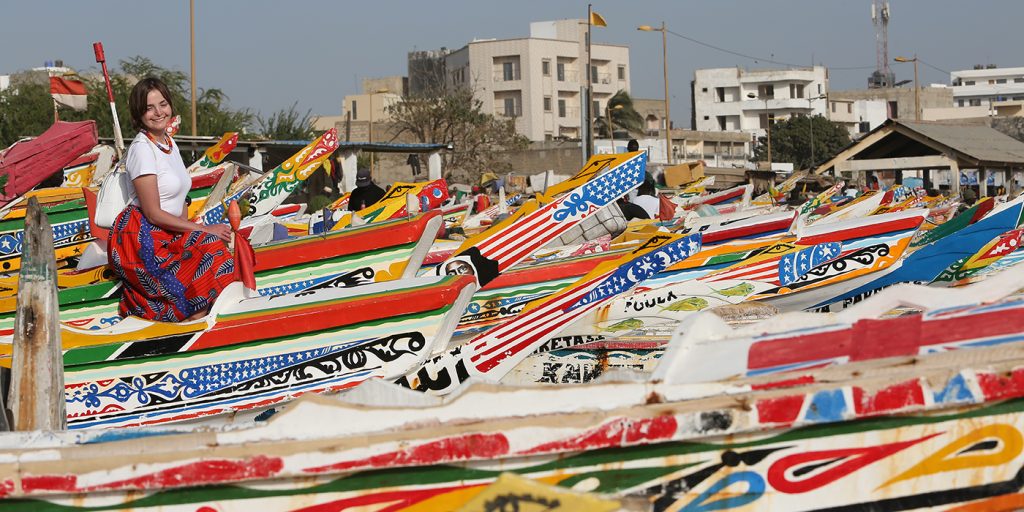
Dakar’s Iconic Markets: Immersion into the Soul of the Capital
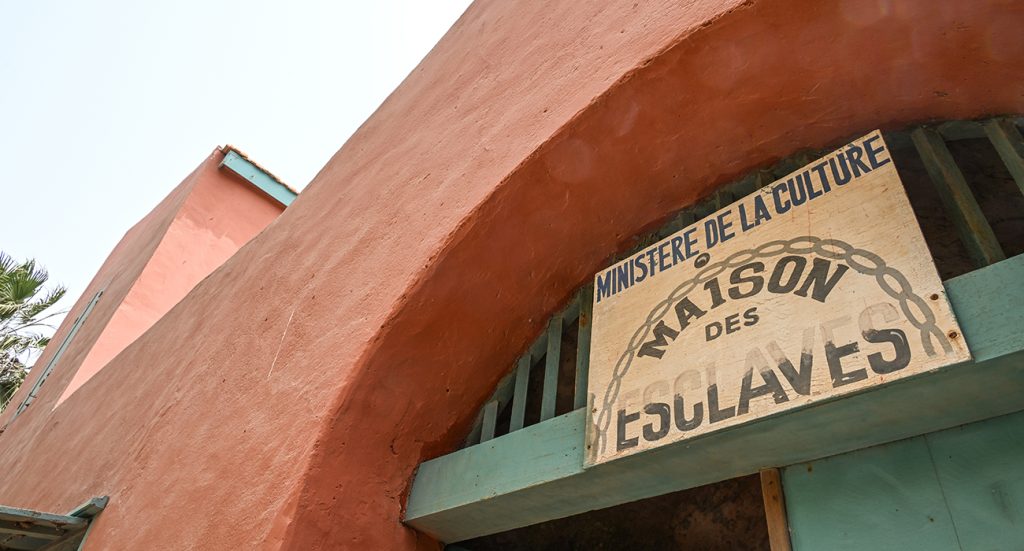
The House of Slaves on Gorée Island: A Universal Memory in Senegal
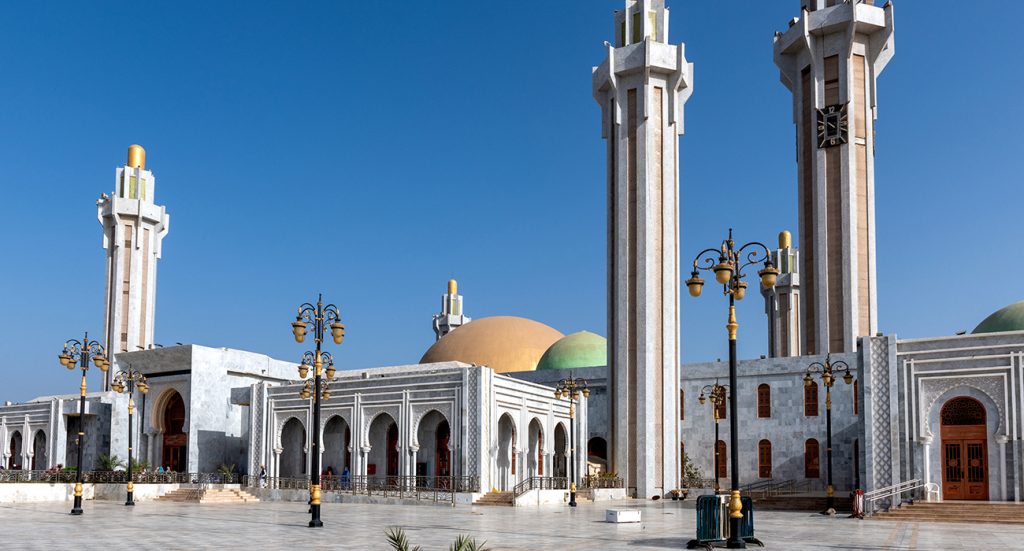
The Great Mosque of Dakar: Spirituality and Cultural Heritage
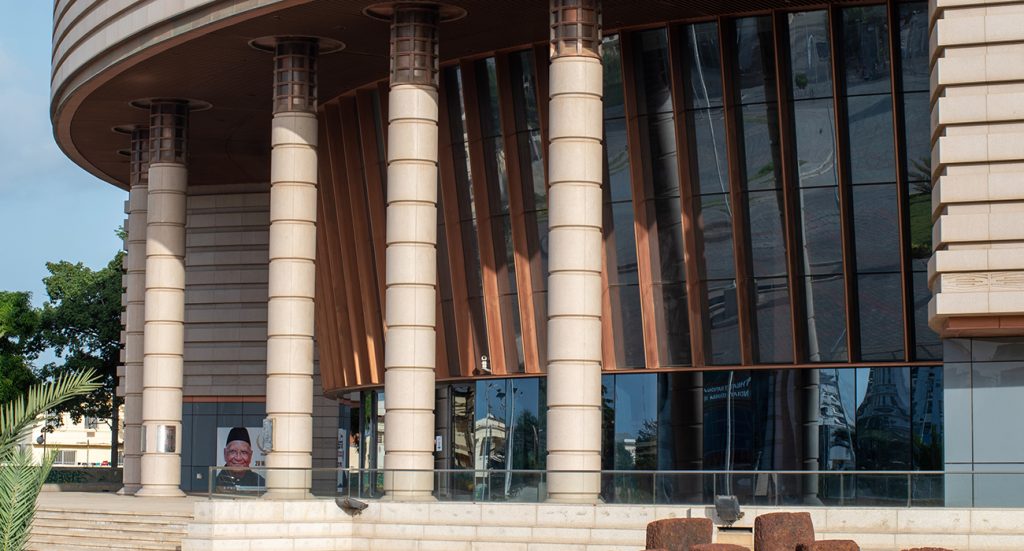
The Museum of Black Civilizations: Heritage and Modernity in Dakar
The Théodore Monod Museum of African Art: Heritage Treasure of Dakar
Ideal Itinerary : 3 Days in Dakar
The Dakar region, the beating heart of Senegal