Lac Rose
Availability
Category
Duration
Where it happens
Who for
6 activities
- Lac Rose

 15 min – 30 min
Starting at:
5 500 CFA4 400 CFA -20%
Resident :
- Lac Rose2 h
Starting at:
16 500 CFA14 190 CFA -14%Resident :
- Lac Rose15 min – 30 min
Starting at:
5 500 CFA4 675 CFA -15%Resident :
- Lac Rose15 min – Full day
Starting at:
5 500 CFA4 675 CFA -15%Resident :
- Saly45 min – 1h
Starting at:
38 500 CFA26 950 CFA -30%Resident :
- Lac Rose45 min
Starting at:
44 000 CFA37 400 CFA -15%Resident :


Thirty kilometers northeast of Dakar, the Pink Lake, also known as Lake Retba, fascinates visitors with its ever-changing waters, displaying shades of pink, orange, and violet depending on the time of day and the season. This natural site, located at the boundary between the Sahel and the Atlantic Ocean, has become one of Senegal’s most iconic postcards, known worldwide as the legendary finishing point of the Paris-Dakar Rally.
Covering barely three square kilometers, the lake also charms visitors with its vibrant life: salt harvesting, traditional crafts, adventure sports, and unique encounters shape every visit. A true place of contrasts, the Pink Lake offers an immersion into local daily life and traditions, with dunes and casuarina trees in the background, tropical light, and the warm hospitality of the Sangalkam region.
Why is the Pink Lake pink?
The magic of the Pink Lake comes from a microalga called Dunaliella salina. This microorganism produces a red pigment when salinity is extremely high and sunlight is intense. As a result, especially during the dry season (November to May), the lake displays pink to deep red hues, particularly visible in mid or late morning.
Salinity levels range from 120 to 380 g per liter, among the highest in the world. This extreme salt concentration allows any visitor to float effortlessly, much like in the Dead Sea.
During the rainy season, the water sometimes becomes less saline and the lake can turn green, highlighting the fragility of its ecosystem in the face of climate change and Dakar’s urban expansion. Preserving this unique environment is now a shared concern for both authorities and local communities.
Salt harvesters
More than 3,000 people earn their living from salt extraction, carried out by hand and by canoe, in a scene unlike anywhere else in the world. The salt, collected in baskets and brought ashore, is sorted, washed, dried on site, and exported throughout West Africa.
The harvesters—often protected during more than eight hours in the water by a layer of shea butter applied to their skin—perpetuate an ancestral know-how. Tourists can observe their work, talk with them, or even symbolically try salt harvesting.
The reputation of Pink Lake salt also comes from its purity: some “salt artists” carve white or pink figurines, typical souvenirs sold locally.
The surrounding landscapes
Around the lake stretch dunes of pale, sometimes reddish sand and casuarina forests, all bathed in a very distinctive light. The atmosphere evokes the gateway to the Sahel desert.
The dunes lend themselves to every kind of adventure: 4×4 or quad rides, horseback or camel treks, and photogenic viewpoints over the lake, the ocean, and nearby villages. It is also a playground for photography lovers: sunrise or sunset over the pink waters of the lake is an unforgettable moment.
Activities at the Pink Lake
- Floating swim: a unique and reassuring experience thanks to the lake’s extreme buoyancy.
- Canoe rides: crossing the lake with a boatman, quietly discovering color variations and accessing less crowded areas.
- Observing salt harvesters: cultural immersion; opportunities to interact with workers or buy salt “straight from the source.”
- Quad or 4×4 excursions: heading toward the dunes, wild beaches, or the historic Paris-Dakar Rally route.
- Horseback or camel rides: a Sahelian experience, ideal at sunset.
- Cultural encounters: visits to surrounding villages, artisan workshops (salt sculpture, decorative objects, textiles).
- Birdwatching: flamingos, pelicans, herons; during migration periods, the lake becomes a sanctuary reminiscent of an African Camargue.
Restaurants and handicrafts
Around the lake, you will find family-run guesthouses and restaurants serving grilled fish, yassa, or grilled meats, often with views over the lagoon. Temporary markets offer jewelry, decorative items, small boats, and above all natural or hand-painted salt sculptures—true emblems of the site.
Combined excursions
- Dakar & Gorée: a day combining nature, history, and culture.
- Saly & Petite Côte: round-trip excursions to the Pink Lake from the beaches.
- Lompoul Desert: Saharan extension, overnight stay in a camp under the stars, quad biking on the dunes.
Pink Lake anecdotes
- During the Paris-Dakar Rally, the final stage involved crossing the dunes between the ocean and the lake—missed finishes sometimes ended in the salty waters!
- Locally, it is said that the pink color of the lake “responds” to the mood of the sky: the brighter the sun, the pinker the hue—some fishermen claim that on full moon nights, the lake can take on magical silvery reflections.
- Several former salt harvesters say that when a child is born on a day of “peak pink,” their skin is “blessed by the salt,” which explains the abundance of the names Salif and Salimata around the lake.
- During the green season, groups of women sometimes sing while paddling canoes to “call the pink,” a ritual of gratitude toward the Dunaliella Salina algae.
- In the past, some authors reported that on certain nights, plankton light made the lake phosphorescent, like a sea of pink-blue stars.
Practical information
- Location: 30 km northeast of Dakar, about 1 hour by car.
- Access: taxi, private vehicle, or organized excursions from Dakar, Saly, or the Petite Côte.
- Best time to visit: dry season (November–May), optimal pink hues at midday or sunset.
- Recommended duration: half a day for a quick visit, a full day to enjoy the dunes and local life.
- Prices: free access to the site; activities (canoe, quad, horse riding) are paid.
- Services: guesthouses, restaurants, local guides, craft markets, parking, souvenir shops.
FAQ (SEO optimized)
Why is the Pink Lake pink?
Because of the microalga Dunaliella Salina, which produces a red pigment in hypersaline and sunny conditions.
Can you swim in it?
Yes: the high salt density allows you to float like in the Dead Sea.
When can you see the lake at its pinkest?
From November to May, especially during the day in dry, bright weather.
How long does a visit take?
From half a day to a full day to combine swimming, canoe rides, and dune excursions.
Is the Pink Lake far from Dakar?
No, it is only 30 km away and accessible in less than one hour by road.
Sénégal travel news
Latest news
Discover the latest trends and tips for traveling in Senegal. From cultural tourism to outdoor activities, stay informed about events and news that will make your stay unforgettable.
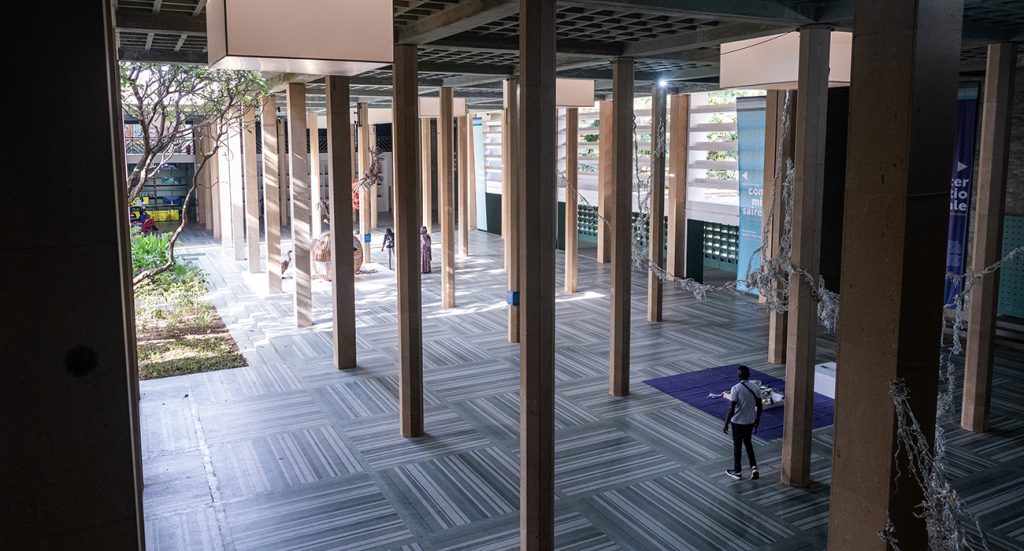
The Dakar Biennale (Dak’Art): Showcase of Contemporary African Art

The Saint-Louis International Jazz Festival: A Must-Attend Musical Event

The African Renaissance Monument: Pride and Symbol of Dakar
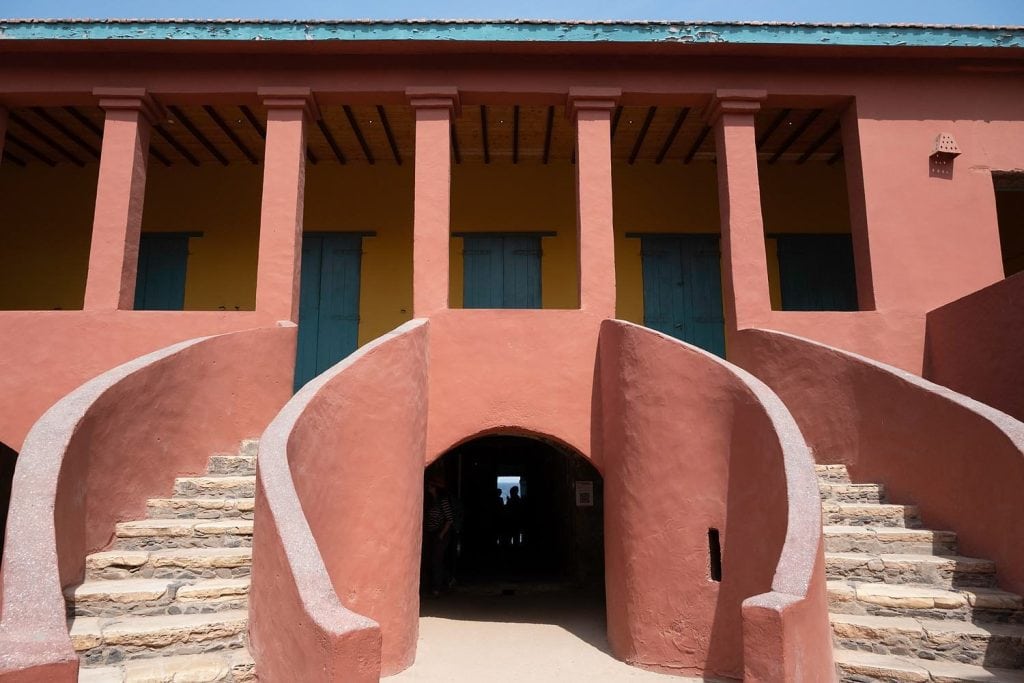
Gorée Island: Memory and World Heritage off the Coast of Dakar

Lake Rose (Lake Retba): a natural wonder at the gates of Dakar

The Sine-Saloum Delta: between mangroves, islands, and Serer traditions

The Madeleine Islands: National Park Off the Coast of Dakar

Fathala Reserve: a full-scale safari in Senegal

Bandia Park: safari in the heart of the Petite Côte

The Mosque of Divinity: Spirituality and Architecture Facing the Ocean
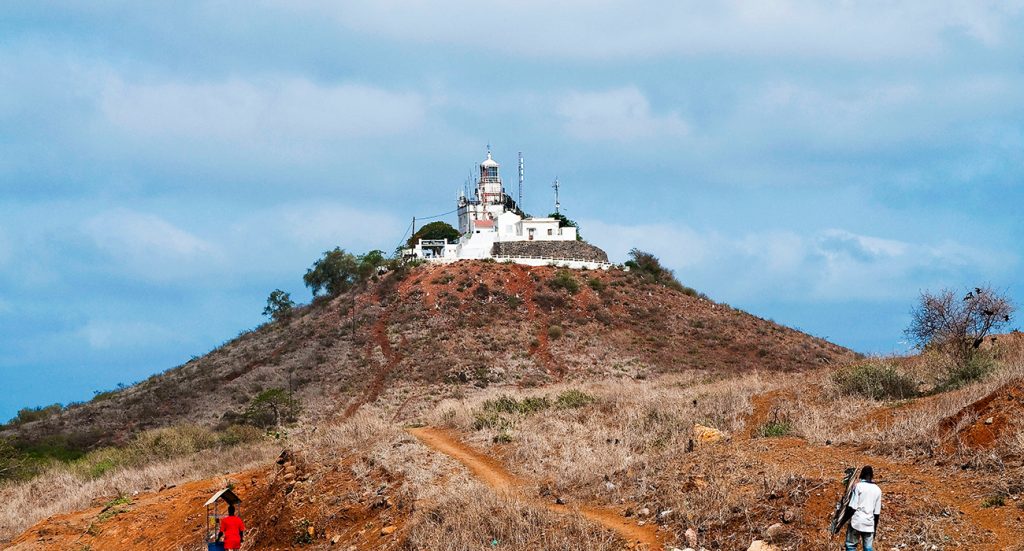
The Mamelles Lighthouse: Panorama and History of Dakar

Dakar’s Iconic Markets: Immersion into the Soul of the Capital

The House of Slaves on Gorée Island: A Universal Memory in Senegal
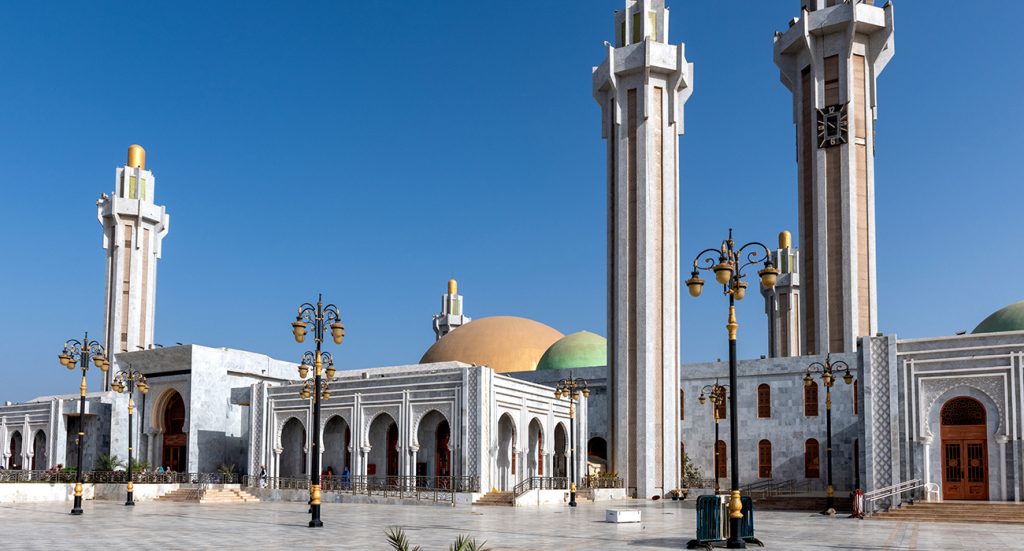
The Great Mosque of Dakar: Spirituality and Cultural Heritage

The Museum of Black Civilizations: Heritage and Modernity in Dakar

The Théodore Monod Museum of African Art: Heritage Treasure of Dakar
Ideal Itinerary : 3 Days in Dakar

The Dakar region, the beating heart of Senegal