Lompoul
Availability
Category
Duration
Where it happens
Who for
1 activity
- Lompoul

 2 days / 1 night
Starting at:
165 000 CFA156 750 CFA -5%
Resident :

Lompoul, a small village on the Grande-Côte in the Louga region, is best known for its ochre sand dune desert and proximity to the Atlantic, making it a unique stop between Dakar and Saint-Louis. Between dunes, Sahelian scrubland, coastline, and new tourist developments like the Oasis du Sénégal, the area offers an experience halfway between desert and ocean.
Geography: Terrain, Flora, Climate, Population, Area
Lompoul is located in the Kébémer department, in northwestern Senegal, roughly midway between Dakar and Saint-Louis, not far from the Atlantic Grande-Côte. The territory is divided between inland Lompoul village, the dune area known as the “Lompoul Desert,” and Lompoul-sur-Mer along the coast.
The landscape is dominated by a small dune system of about 18 km², consisting of fine sand dunes reaching 40 to 50 meters high, creating a true “mini-desert” in a country otherwise dominated by savanna. This dune system contrasts with the lower plains and sandy coastline along the ocean, where Sahelian scrubland develops.
The climate is Sahelian—hot and dry for much of the year, with low rainfall, a short rainy season, and nights significantly cooler than the days. The best time to visit is during the dry season, when temperatures and winds make exploring the dunes more pleasant, away from intense heat or rain.
Vegetation is sparse in the desert area, consisting of grass clumps, Sahelian shrubs, and a few isolated trees, while rows of casuarinas, palm trees, and plantations have been created around projects like the Oasis du Sénégal. Away from the dunes, scrubland and cultivated areas reflect agricultural and pastoral practices adapted to the semi-arid climate.
In terms of population, Lompoul village and Lompoul-sur-Mer are home to a small rural community living from farming, livestock, fishing, and increasingly, tourism. Both belong to the Louga region, whose statistics reflect a sparsely populated and predominantly rural character.
Urban planning and development in Lompoul
Lompoul is organized into three zones: the village, located inland in a bush and agricultural environment; the dune area, developed with tourist camps and visitor sites; and Lompoul-sur-Mer on the coast, where housing, artisanal fishing, and accommodation structures are located. Traditional housing consists of compounds and huts surrounded by fences, alongside more recent camps and ecolodges.
Lompoul-sur-Mer has been subject to ambitious development projects, including a “new town” designed by architects and a revitalization of the coastline. More recently, the closure of several historic desert camps, largely due to mining activities, has shifted some tourist activity to the Oasis du Sénégal site, which recreates artificial dunes, a water basin, and a palm grove.
The area faces sustainability challenges, particularly due to zircon and other mineral extraction, which dramatically alter the dune landscape and create tensions with local communities. Water management, dune preservation, and responsible tourism in a fragile environment are central issues in debates about Lompoul’s future.
Political life and Mayor
Administratively, Lompoul and Lompoul-sur-Mer are part of the Kébémer department, Louga region, within a rural commune whose administrative center is in Diokoul Diawrigne. The area is governed by a municipal council that manages land issues, infrastructure, education, and basic services for villages and hamlets.
The commune of Diokoul Diawrigne is led by Mayor Gora Gaye, who oversees local matters including tourism development and land management. Other local officials are often involved in controversies concerning land governance and the impacts of mining in the Lompoul area.
Local authorities must balance the interests of the extractive industry, landscape protection, and the sustainability of tourism, while meeting the population’s needs for infrastructure and services.
The desert remains the main attraction
The main draw of the area is still the Lompoul Desert itself, a set of golden dunes that stand out from the scrubland and offer spectacular views, especially at sunrise and sunset. Once in the dunes, visitors enjoy hiking, camel or horse rides, dune descents, and photo sessions in a nearly Saharan setting.
Tourist camps, now partly relocated to the Oasis du Sénégal, offer nights in Mauritanian-style tents, traditional dinners with djembe music, campfires, and stargazing evenings. This type of accommodation, often called an “ecolodge,” emphasizes desert immersion while offering varying levels of comfort.
Lompoul-sur-Mer complements the experience with its wild Grande-Côte beaches, ideal for walking, ocean views, and discovering artisanal fishing. The Oasis du Sénégal, a new tourist hub, combines a reconstructed dune, water basin, palm grove, and leisure facilities, offering an alternative while the historic desert is affected by mining activities.
Outdoor activities often include quad biking, certain 4×4 tours, camel rides, and hiking. Stargazing, landscape photography, exploring the bush, and visiting nearby villages complete the visitor experience.
Cultural events and local life
Cultural life in Lompoul is less structured than in Saint-Louis, but it is expressed through evenings organized at camps and village life. Communal dinners under tents, musical performances, drumming, and improvised dances provide moments of sharing that highlight local traditions.
Muslim religious festivals, such as Mawloud, the end of Ramadan, and Tabaski, mark the year and gather locals around mosques, sermons, and shared meals. Peul and Wolof cultures, transhumance, livestock, and agricultural work include rituals and social milestones that are quieter but important for community cohesion.
With the development of the Oasis du Sénégal, the site is also starting to host private events, seminars, and concerts, positioning itself as a potential venue for cultural events or responsible tourism awareness. Some stakeholders advocate for events highlighting dune preservation and the impacts of mining.
Things to do nearby
Thanks to its location, Lompoul easily fits into circuits combining desert, coastline, and historical heritage. Many itineraries link Dakar to Saint-Louis with a night or two in Lompoul, allowing travelers to move from urban landscapes to the coast and then to the dunes.
Excursions can include detours to Louga and Kébémer, or other villages along the Grande-Côte, to experience Sahelian rural life and local markets. Nature enthusiasts can also explore coastal wetlands for birdwatching, though major ornithological sites are closer to Saint-Louis.
For travelers with more time, Lompoul is an ideal stop before continuing to Saint-Louis, the Langue de Barbarie, or the Djoudj National Bird Sanctuary, in a sequence of desert (colonial town) and natural reserve. This makes Lompoul a balance point between Sahelian immersion and more urban cultural discoveries.
Practical Information and FAQ
Lompoul is accessible from Dakar or Saint-Louis via the paved Grande-Côte road, followed by a track leading to the village, the dune area, or Lompoul-sur-Mer. The last section is often traveled by 4×4 or organized transfers provided by camps and accommodations.
Accommodation ranges from Saharan-style tents and khaïmas in camps to ecolodges and beachfront structures, with occasional homestays in the village. Meals feature Senegalese cuisine (thieboudienne, yassa, mafé) and, on the coast, seafood specialties.
The best time to visit is during the dry season, when daytime temperatures are bearable and wind and sand are less harsh for visitors. It is recommended to bring lightweight covering clothing, sun protection, a scarf or cheche against sand, and a warm layer for cool nights in the dunes.
FAQ – Lompoul, Desert, and Lompoul-sur-Mer
Where exactly is Lompoul, and how long from Dakar or Saint-Louis?
Lompoul is in the Louga region, between Dakar and Saint-Louis, about 3–4 hours from Dakar depending on the route and road conditions, followed by a track to reach the dunes or the coast.
Does the Lompoul Desert still exist, and what does the closure of some camps mean?
Part of the desert is heavily impacted by mining, leading to the closure or relocation of historic camps to sites like the Oasis du Sénégal, which offers a new dune and accommodation experience.
When is the best time to visit Lompoul?
The most favorable months are during the dry season, when the heat is less extreme and rainfall is limited, making nights in tents more comfortable.
What activities can visitors do on-site?
Main activities include dune walks, camel or quad rides, evenings at the camp, stargazing, and walks and fishing at Lompoul-sur-Mer.
Is Lompoul suitable for families with children?
Yes, provided children are supervised in the dunes and sun and sand protection is arranged, as camps and beaches are often enjoyed by families.
What are the accommodation options?
There are camps in or near the dunes, accommodations at Lompoul-sur-Mer on the seaside, and in some cases, homestay options for an immersive village experience.
How does mining affect tourism?
Mining activities dramatically alter the dune landscape, causing camps to disappear or relocate, raising concerns about the desert’s future as a tourist destination.
What can be visited nearby?
Lompoul easily fits into a Dakar–Lompoul–Saint-Louis itinerary, with opportunities to continue to the Langue de Barbarie, Saint-Louis, and major sites in the Senegal River delta.
Sénégal travel news
Latest news
Discover the latest trends and tips for traveling in Senegal. From cultural tourism to outdoor activities, stay informed about events and news that will make your stay unforgettable.
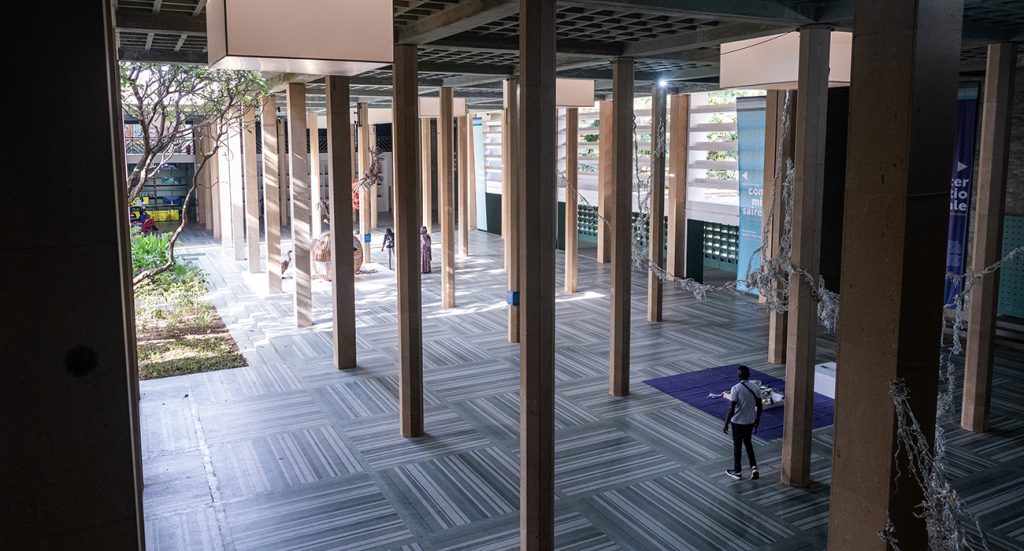
The Dakar Biennale (Dak’Art): Showcase of Contemporary African Art

The Saint-Louis International Jazz Festival: A Must-Attend Musical Event

The African Renaissance Monument: Pride and Symbol of Dakar
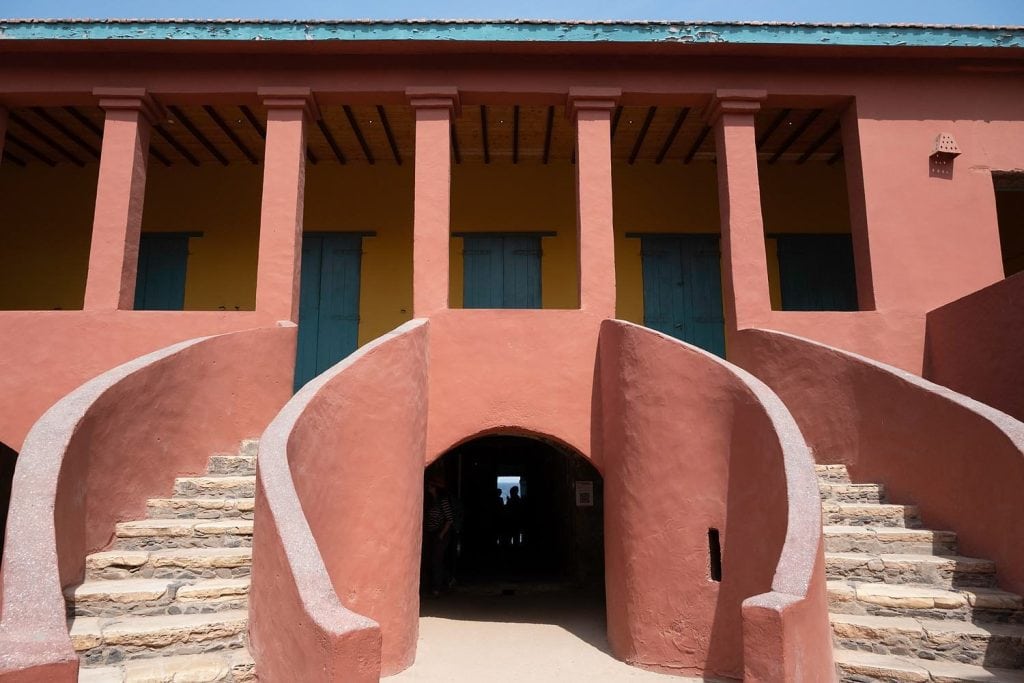
Gorée Island: Memory and World Heritage off the Coast of Dakar

Lake Rose (Lake Retba): a natural wonder at the gates of Dakar

The Sine-Saloum Delta: between mangroves, islands, and Serer traditions

The Madeleine Islands: National Park Off the Coast of Dakar

Fathala Reserve: a full-scale safari in Senegal

Bandia Park: safari in the heart of the Petite Côte

The Mosque of Divinity: Spirituality and Architecture Facing the Ocean
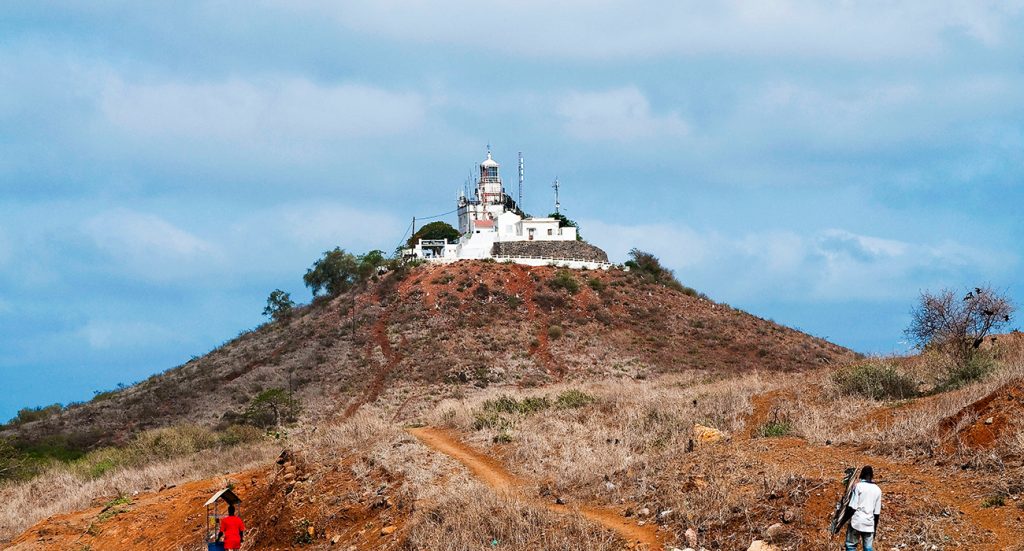
The Mamelles Lighthouse: Panorama and History of Dakar

Dakar’s Iconic Markets: Immersion into the Soul of the Capital

The House of Slaves on Gorée Island: A Universal Memory in Senegal
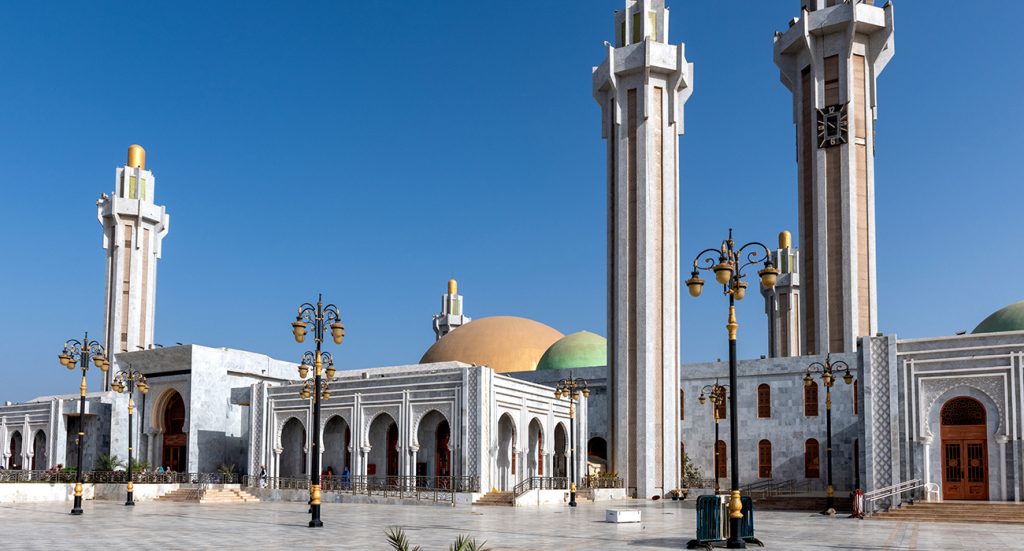
The Great Mosque of Dakar: Spirituality and Cultural Heritage

The Museum of Black Civilizations: Heritage and Modernity in Dakar

The Théodore Monod Museum of African Art: Heritage Treasure of Dakar
Ideal Itinerary : 3 Days in Dakar

The Dakar region, the beating heart of Senegal