Mbour
Availability
Category
Duration
Where it happens
Who for
1 activity
- Saloum

 Full day
Starting at:
198 000 CFA188 100 CFA -5%
Resident :

80 km south of Dakar, Mbour beats to the rhythm of fishermen’s pirogues and colorful markets, offering a unique blend of African authenticity, idyllic beaches, and living traditions — an unmissable stop for any traveler seeking immersion in Senegal.
Mbour, the capital of the department of the same name in the Thiès region, is the second-largest fishing port in Senegal after Dakar, located on the Petite Côte, 5 km from the seaside resort of Saly.
This dynamic coastal city combines a thriving fishing economy with emerging tourism, featuring fine sandy beaches and an ecological reserve protected since 1987. Its bustling atmosphere, marked by horse-drawn carriages and vintage cars, contrasts with the calm of nearby beach towns.
History of Mbour
Developed around a titanium mine and the colonial peanut trade, Mbour became an economic hub with its warehouses, church, and remnants of a historic wharf. During the colonial period, the city dominated the Petite Côte before fishing boomed, with exports sent to Europe and neighboring countries.
Iconic and Attractive Places
Fishing port and beach: A lively scene where hundreds of colorful pirogues unload until 8 p.m., turning the beach into a giant fish market.
Craft and central markets: Workshops of djembes, wooden statues, and batik, with live demonstrations in the midst of a multiethnic bustle.
Ecological reserve: A sanctuary of mangroves and birds since 1987, ideal for walks and biodiversity observation.
Culture of Mbour
Local culture shines through its warm hospitality and artisanal traditions, such as batik-making and live djembe rhythms performed at the market.
Thiéboudienne, the national dish made with fresh fish, embodies the everyday culinary art shared with visitors. A true ethnic melting pot, Mbour vibrates with a “pure African” atmosphere between sustainable fishing and community celebrations.
Unforgettable Anecdotes
– The return of the pirogues creates joyful chaos on the beach, with swarms of vendors and lively negotiations under the sun.
– At the market, artisans carve animal statues directly from tree trunks while improvised djembe sessions captivate children and adults alike.
– The reserve, once a wild lagoon and now a community model, symbolizes successful local management for both birds and fishing.
What to Do in Mbour
Watch the spectacle of the pirogues at dawn or dusk, stroll through the market for souvenirs and fresh thiéboudienne, or explore the reserve by pirogue.
Choose big-game fishing, horse-drawn carriage rides, or batik workshops for a fully immersive day.
Extend your visit toward the Somone lagoon or Bandia for nature safaris.
Practical Information
Taxi or bus access from Dakar (1h30–2h, 80 km); best season is November to May.
Stay in authentic riads or hotels near Saly; enjoy grilled fish on the beach.
Local guides recommended for safety and deeper immersion.
FAQ
Best time to visit?
November to May, the dry season.
Safety?
Welcoming; avoid walking alone at night and consider hiring guides.
A typical day?
Pirogues, market, reserve, local dinner.
Local transport?
Horse-drawn carriages or inexpensive taxis.
Souvenirs?
Djembes and batik from the craft market.
Sénégal travel news
Latest news
Discover the latest trends and tips for traveling in Senegal. From cultural tourism to outdoor activities, stay informed about events and news that will make your stay unforgettable.
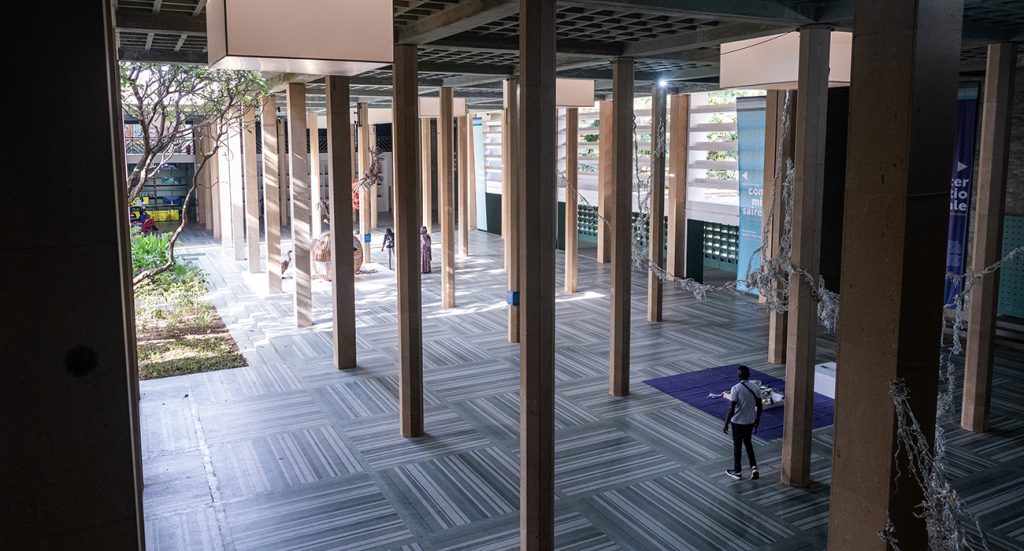
The Dakar Biennale (Dak’Art): Showcase of Contemporary African Art

The Saint-Louis International Jazz Festival: A Must-Attend Musical Event

The African Renaissance Monument: Pride and Symbol of Dakar
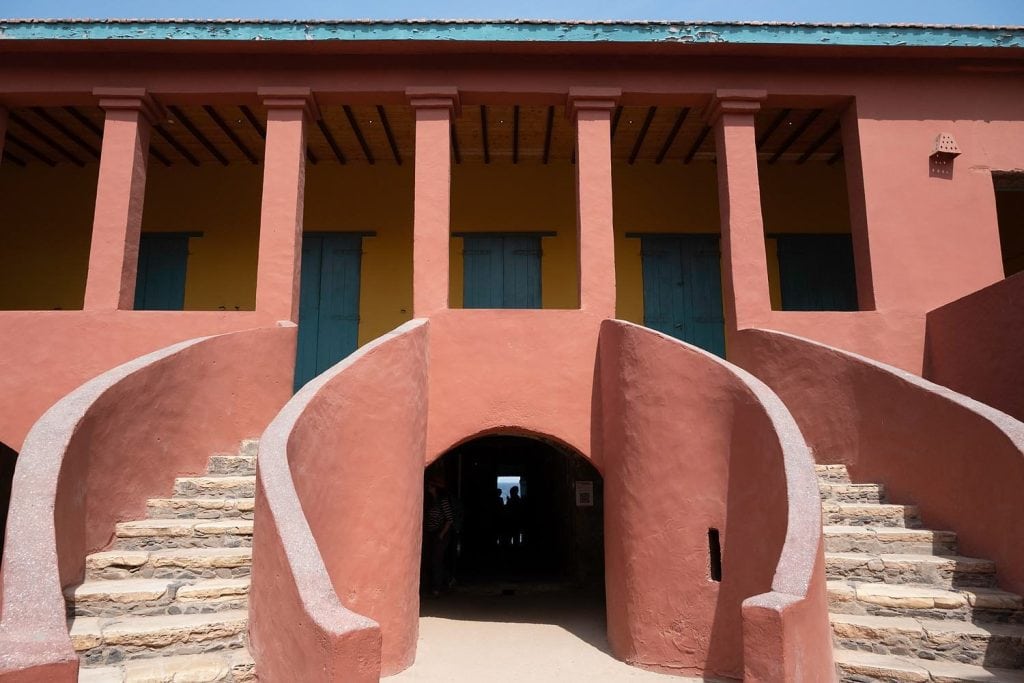
Gorée Island: Memory and World Heritage off the Coast of Dakar

Lake Rose (Lake Retba): a natural wonder at the gates of Dakar

The Sine-Saloum Delta: between mangroves, islands, and Serer traditions

The Madeleine Islands: National Park Off the Coast of Dakar

Fathala Reserve: a full-scale safari in Senegal

Bandia Park: safari in the heart of the Petite Côte

The Mosque of Divinity: Spirituality and Architecture Facing the Ocean
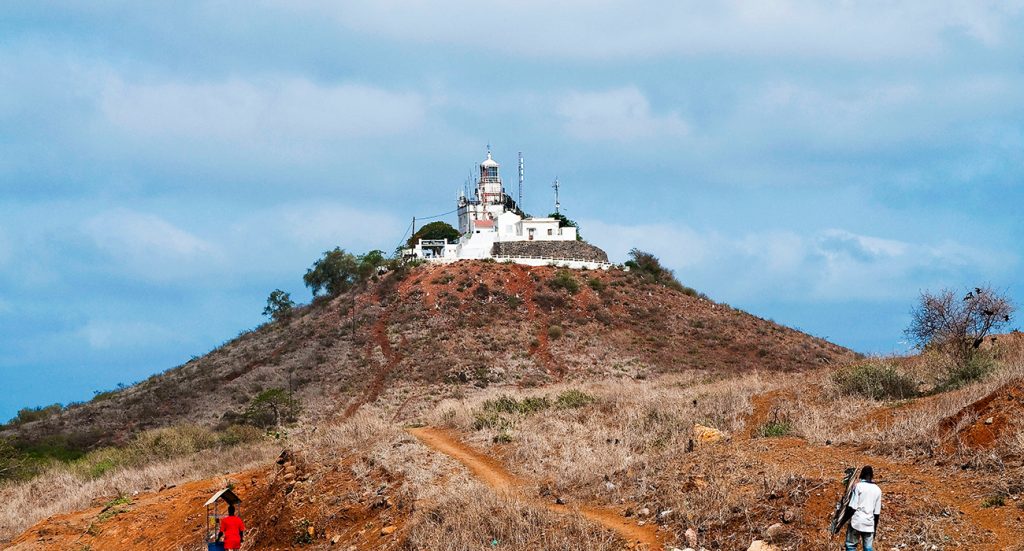
The Mamelles Lighthouse: Panorama and History of Dakar

Dakar’s Iconic Markets: Immersion into the Soul of the Capital

The House of Slaves on Gorée Island: A Universal Memory in Senegal
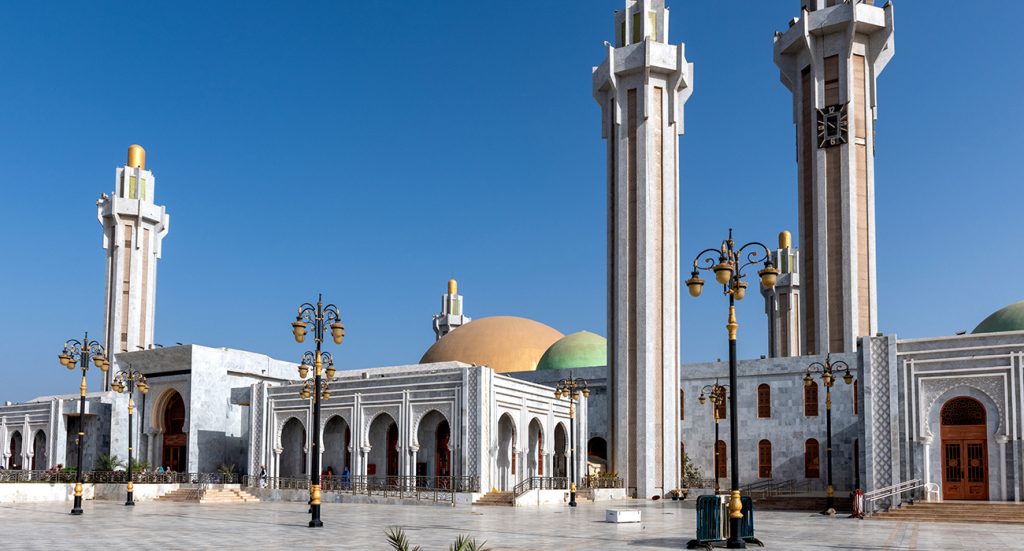
The Great Mosque of Dakar: Spirituality and Cultural Heritage

The Museum of Black Civilizations: Heritage and Modernity in Dakar

The Théodore Monod Museum of African Art: Heritage Treasure of Dakar
Ideal Itinerary : 3 Days in Dakar

The Dakar region, the beating heart of Senegal