Medina of Dakar
Availability
Category
Duration
Where it happens
Who for
4 activities
- Dakar, Plateau, , Medina, corniche ouest

 1 week to 2 months
Starting at:
33 000 CFA31 350 CFA -5%
Resident :
- Dakar, Plateau, , Medina, corniche ouest1 week
Starting at:
55 000 CFA52 250 CFA -5%Resident :
- Dakar, Plateau, , Medina, corniche ouest,2 days to 1 month
Starting at:
11 000 CFA10 450 CFA -5%Resident :
- Dakar, Plateau, Medina1 h to a full day
Starting at:
6 600 CFA6 270 CFA -5%Resident :


Located to the west of the Plateau and founded in 1914, the Médina of Dakar is one of the most iconic and lively neighborhoods of Senegal’s capital. Born from a tumultuous history — a “reserved” district for African populations during colonial urbanization — the Médina has preserved a strong identity, blending religious traditions, a spirit of resistance, and popular creativity. Today, its bustling markets, mosques, street art, and artistic figures testify to a vibrant urban culture, far from the business district of the Plateau or the trendy beaches of the Corniche.
History and identity of the Médina
Created by colonial decree in July 1914, the Médina was conceived as a “segregation village”: under the pretext of a plague epidemic, authorities decided to move the “indigenous” populations away from the European Plateau. Each expelled family received a plot of land, and the neighborhood quickly took the name Médina on the suggestion of El Hadji Malick Sy, referencing the holy city in Arabia to ease the community’s pain. The Médina soon became defiant, mixing Lebou traditions, cultural resistance, and popular energy. It is the birthplace of mbalax and contemporary Senegalese music. Youssou N’Dour, considered the “king of Mbalax,” is a son of the Médina.
Religious life and spiritual heritage
The Médina is strongly influenced by Islamic brotherhoods: Mouridism, Tijaniyya, and Layene shape its religious life. Numerous mosques can be found here, the most famous being the Grand Mosque of the Médina (Rue 19), the spiritual heart inaugurated in 1964. Throughout the year, the neighborhood hosts religious ceremonies, brotherhood meetings, talibé processions, Sufi chants, and traditional festivals that mark social life.
Culture and artistic life
A true artistic hub, the Médina remains the primary home of mbalax, the musical style that became a national symbol thanks to Youssou N’Dour. The neighborhood also thrives with dance and theater groups, and especially street art: alleys abound with colorful murals, notably during the Festigraff festival, turning the Médina into an open-air museum. Hip-hop artists, slammers, graffiti artists, and musicians gather in multipurpose spaces or at the Espace Médina, an art center founded in the 1960s.
Markets and daily life
Life here revolves around neighborhood markets, small shops, and street stalls. The Médina is known for its main market (Tilène Market), grocery stores, fishmongers, fabrics, and fruits sold directly on the sidewalks. Unlike Sandaga or Kermel, the Médina’s markets maintain a strong local character, rarely visited by tourists but essential to the community’s daily life.
Landmarks of the Médina
- Grand Mosque of the Médina (Rue 19): a major religious and gathering place.
- Rue 19: the main street and heart of the neighborhood, lively at all hours.
- Murals: living testimonies of the neighborhood’s artistic vitality and urban dialogue.
- Colorful houses with inner courtyards: popular architecture from the colonial era, now renovated or occupied by artists.
Anecdotes about the Médina
- Youssou N’Dour recounted playing percussion on tin cans in the streets of the Médina before performing his first concerts with Super Étoile.
- The neighborhood has always been a space for dissent: many union leaders, engaged artists, and members of Senegalese cultural resistance were born or trained here.
- Residents proudly claim their Médina identity, often calling themselves “Médinois,” representing a unique identity within Dakar’s mosaic.
What to do in the Médina of Dakar?
- Explore Rue 19: commerce, atmosphere, popular life, and street art murals.
- Visit the Grand Mosque of the Médina: a key site of Senegalese spirituality and neighborhood hub.
- Admire urban murals during a guided walk or festival.
- Attend a concert or cultural evening, or simply enjoy mbalax during a local evening.
- Meet artisans and residents to discover daily life, markets, community interactions, and the oral history of the Médinois.
Practical information
- Location: west of the Plateau, central and easily accessible.
- Access: taxi (specify “Mosquée de la Médina”), city buses, or walking from the Plateau.
- Recommended duration: 2–3 hours for a stroll, a full day for an in-depth immersion.
- Tips: a local guide is recommended, be careful with photography, carry small bills for purchases, and respect sacred sites and residents.
FAQ
Why visit the Médina? Because it embodies the popular, artistic, and spiritual heart of Dakar, the birthplace of mbalax and countless talents.
Médina vs. Plateau? Médina: traditional, popular, artistic neighborhood. Plateau: administrative and business center, more modern.
Famous artists? Youssou N’Dour, as well as many graffiti artists and dancers.
Can it be visited without a guide? Yes, but a local guide provides valuable cultural insights.
Time to spend? 2–3 hours for an overview, one full day for complete immersion.
Sénégal travel news
Latest news
Discover the latest trends and tips for traveling in Senegal. From cultural tourism to outdoor activities, stay informed about events and news that will make your stay unforgettable.
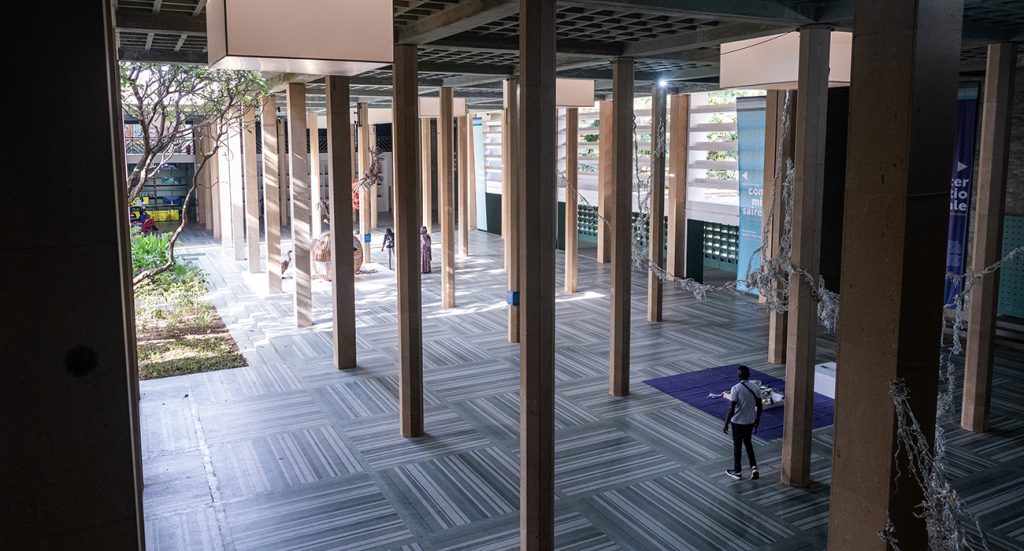
The Dakar Biennale (Dak’Art): Showcase of Contemporary African Art

The Saint-Louis International Jazz Festival: A Must-Attend Musical Event

The African Renaissance Monument: Pride and Symbol of Dakar
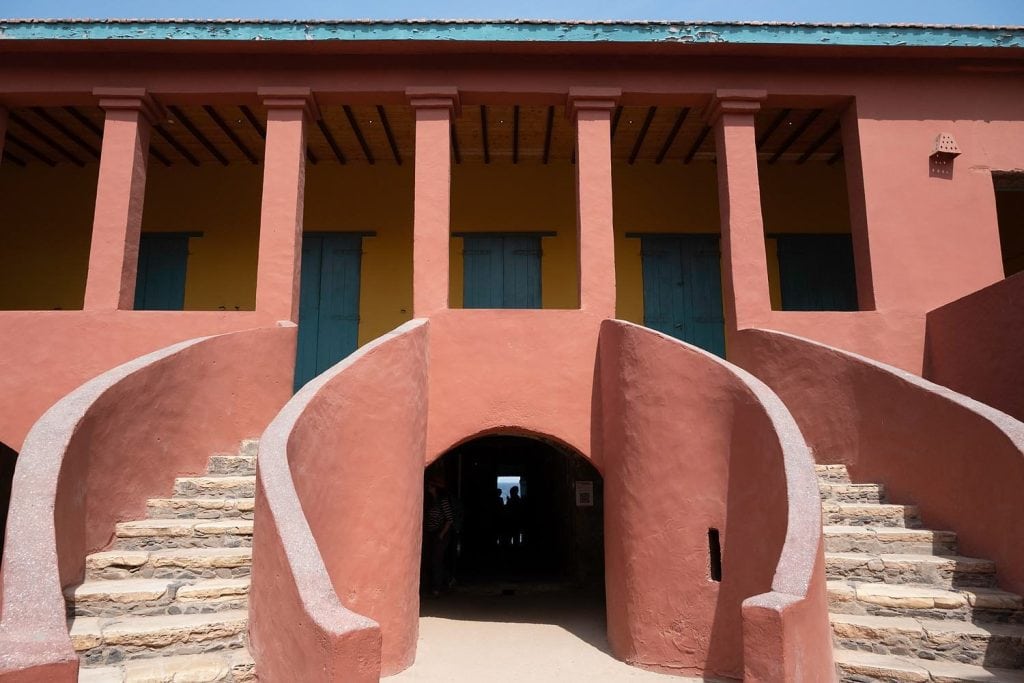
Gorée Island: Memory and World Heritage off the Coast of Dakar

Lake Rose (Lake Retba): a natural wonder at the gates of Dakar

The Sine-Saloum Delta: between mangroves, islands, and Serer traditions

The Madeleine Islands: National Park Off the Coast of Dakar

Fathala Reserve: a full-scale safari in Senegal

Bandia Park: safari in the heart of the Petite Côte

The Mosque of Divinity: Spirituality and Architecture Facing the Ocean
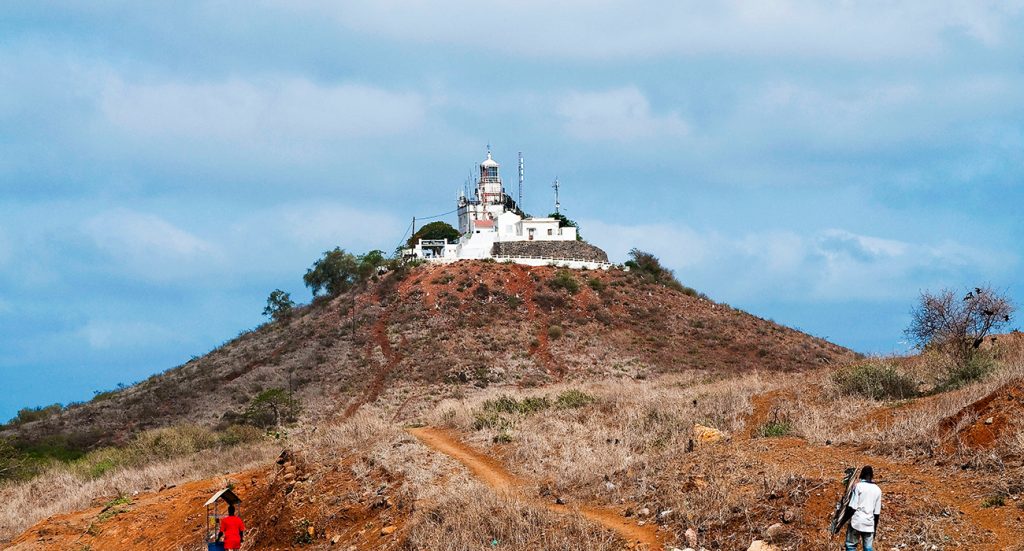
The Mamelles Lighthouse: Panorama and History of Dakar

Dakar’s Iconic Markets: Immersion into the Soul of the Capital

The House of Slaves on Gorée Island: A Universal Memory in Senegal
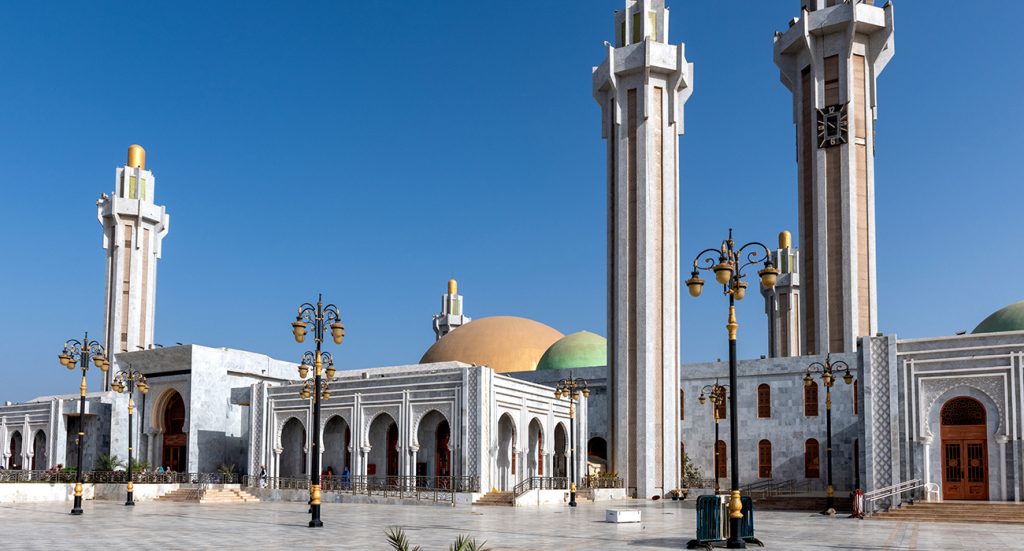
The Great Mosque of Dakar: Spirituality and Cultural Heritage

The Museum of Black Civilizations: Heritage and Modernity in Dakar

The Théodore Monod Museum of African Art: Heritage Treasure of Dakar
Ideal Itinerary : 3 Days in Dakar

The Dakar region, the beating heart of Senegal