Geography: relief, flora, climate, population, area
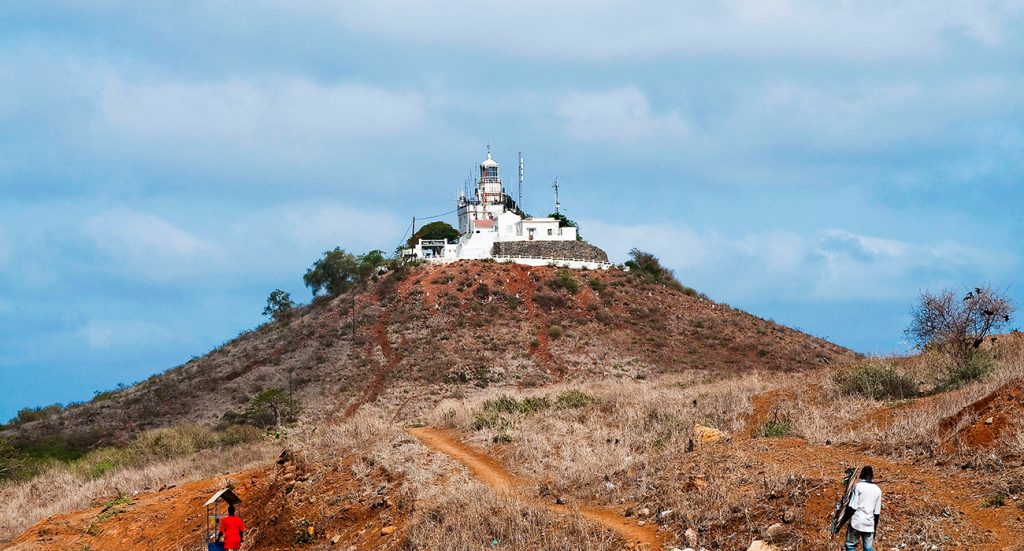
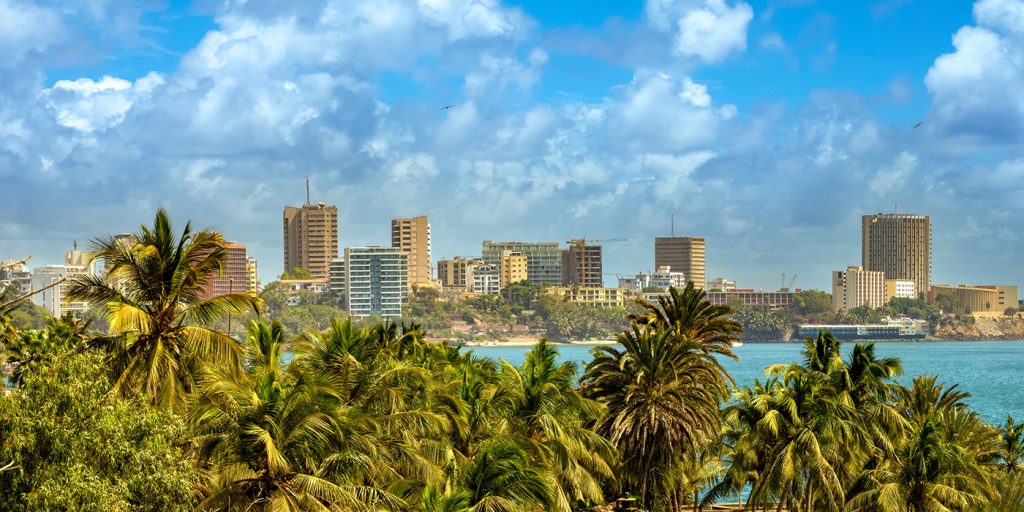
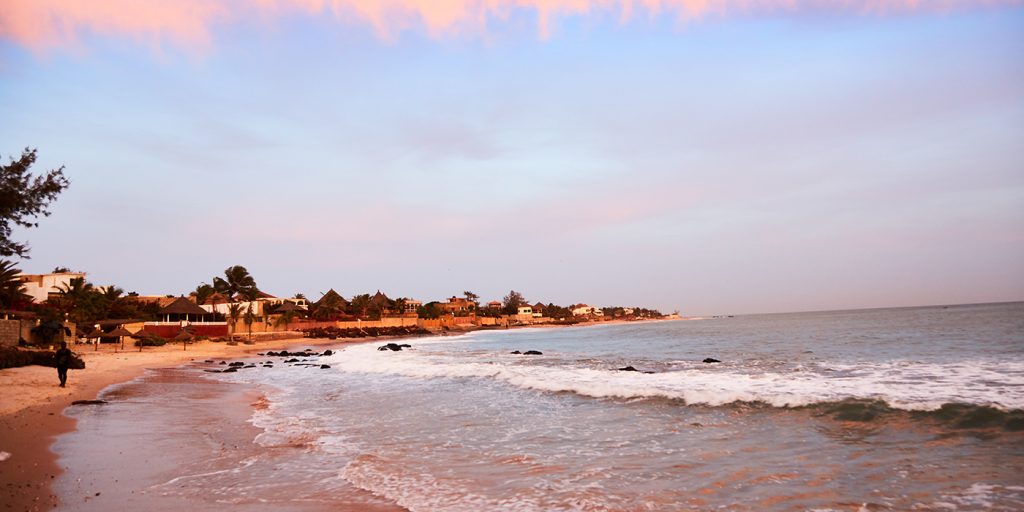
Popenguine‑Ndayane is located in the Thiès region, Mbour department, along a stretch of coastline featuring cliffs (notably at Cap de Nazé), small sandy bays, and dunes descending toward the Atlantic Ocean. In the background, hills and ravines rise to form the heart of the nature reserve, offering several viewpoints along the coast.
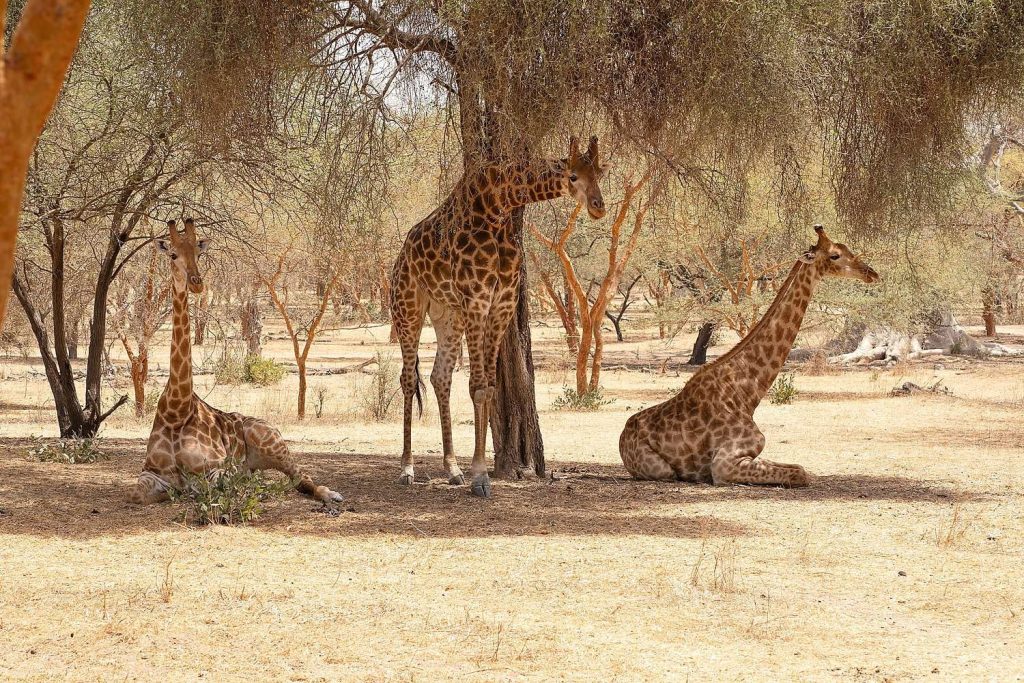
The Popenguine Nature Reserve covers approximately 1,009 hectares, encompassing dunes, hills, ravines, and a coastal strip, with vegetation including scrubland, wooded savannah, and drought-adapted grass formations. It borders the classified Popenguine Forest and hosts rich birdlife, making it one of the most interesting sites on the Petite‑Côte for birdwatching.
The climate is coastal Sahelian: a long dry season ventilated by the sea breeze, and a short, sometimes intense rainy season. The proximity of the ocean moderates the heat, making November to April particularly pleasant for hiking, beach visits, and exploring the sanctuary.
In 2023, the town had 12,743 inhabitants, spread across slightly more than 1,400 households and around a thousand compounds, with high density around the village center and coastal fringe. The urban core covers about 5 km², while the reserve and natural areas strongly structure land use.
Urban planning and village layout
Historically, Popenguine was a fishing and farming village before becoming an important Marian pilgrimage site and then a vacation retreat for residents of Dakar and Petite‑Côte travelers. The village is organized in terraces between the beach, the base of the cliffs, the town center, and the plateau where the sanctuary, church, and part of the housing are located.
Houses and compounds line the main road and a network of alleys leading up to the sanctuary, while small guesthouses, inns, and secondary residences have developed around the village. To the north and south, urbanization remains limited due to the nature reserve and the constraints of the coastal terrain.
The nature reserve, encircled by urban areas, plays a structuring role in urban planning: it limits expansion to the south and enforces close coexistence between the village, tourist areas, and protected land. Its management largely relies on the Popenguine Women’s Association for Nature Protection (RFPPN), which has been undertaking habitat restoration projects since the 1980s and promotes an “eco-town” model.
The administrative merger with Ndayane and the development of the future deep-water port at Ndayane nearby are changing land-use balances, increasing pressure on the coast and available land. Local authorities now have to balance residential demand, port infrastructure, seaside tourism, and the preservation of cliffs and the reserve.
Political life and mayor of Popenguine‑Ndayane
Popenguine‑Ndayane is now a fully functioning commune in the Thiès region, created from the former rural community and equipped with a municipal council. The municipality manages basic services, tourism development (coastal and religious), cooperation with the reserve, and interactions with major projects like the Ndayane port.
The mayor is Mamadou Mansour Thiandoum (often referred to as Mansour Thiandoum), first elected in 2009 and subsequently re-elected, and is seen as a central figure in local political and social life. His recent communication emphasizes promoting academic excellence, supporting tourism, improving living conditions, and managing changes related to the port project.
The commune works closely with the RFPPN, the Forestry and Water Administration, and various NGOs on environmental issues, including reserve preservation, erosion control, and promoting ecotourism integrated into village realities.
Must-see sites and experiences
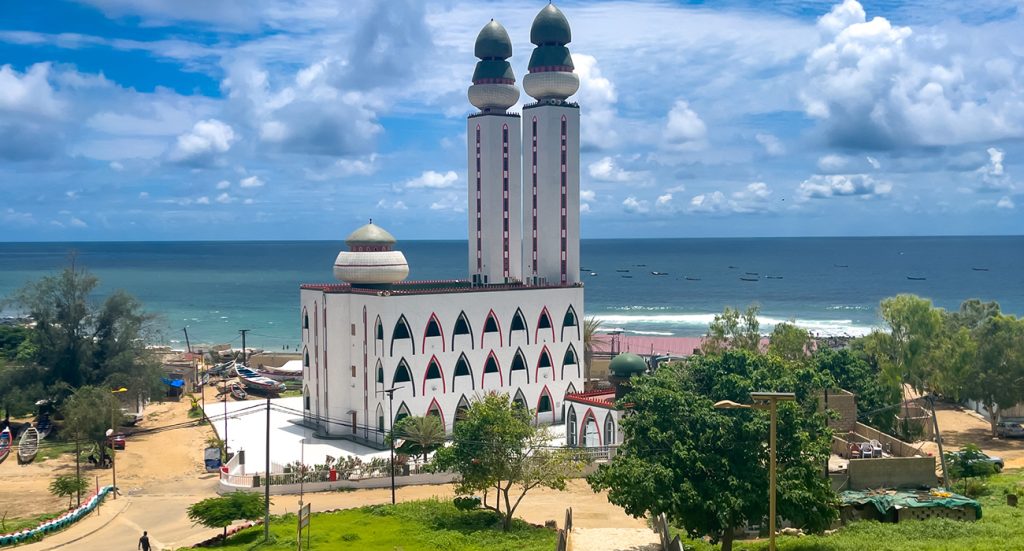
The Marian sanctuary of Notre-Dame de la Délivrance is the spiritual heart of Popenguine and one of Senegal’s main Catholic sanctuaries. Perched above the sea, it includes a church, a large esplanade, a Marian grotto, and a statue of the Black Madonna, blessed by John Paul II during his visit to Senegal in 1992.
Notre-Dame de la Délivrance Church overlooks the village and the ocean and hosts masses, retreats, and Catholic movement gatherings year-round, with peak attendance at Pentecost. The grotto and gardens surrounding the sanctuary are places of reflection where pilgrims pray, leave ex-votos, and light candles.
The Popenguine Nature Reserve is a must for nature lovers: created in 1986, it protects 1,009 hectares of cliffs, dunes, and ravines where coastal savannah vegetation and a wide variety of birds can be observed. Marked trails allow hiking along the ridges, descending to the sea, and enjoying panoramic coastal views.
Popenguine Beach, framed by the cliffs of Cap de Nazé, offers a calmer, wilder setting than some more urbanized Petite‑Côte beaches. Swimming is possible with caution, but many visitors prefer walking, picnicking, and enjoying the scenery, especially at sunset.
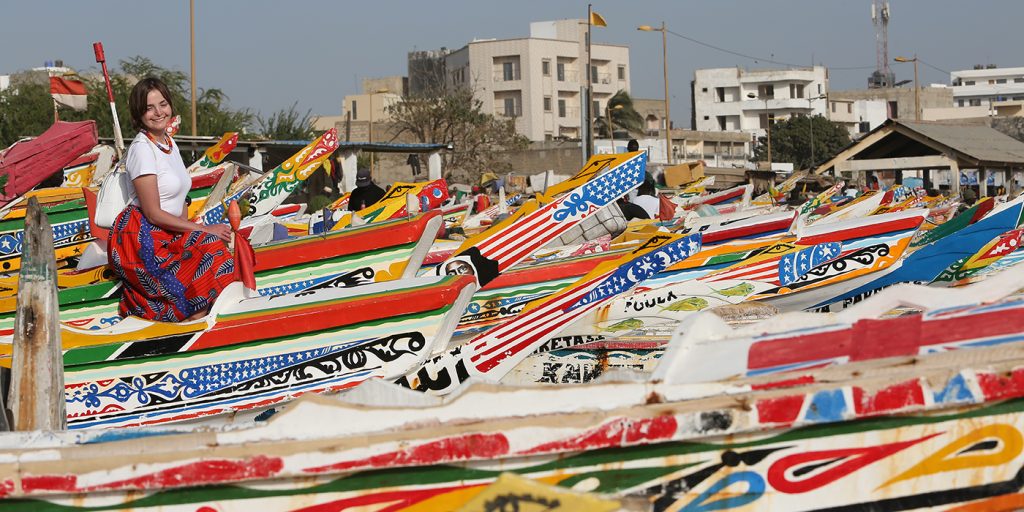
The village itself, with its Popenguine “center,” Popenguine‑Sérère, and Ndayane districts, retains a fishing and farming village spirit, even though fishing activity has shifted to other coastal sites. Small chapels, shrines, village squares, and a few guesthouses contribute to the commune’s discreet charm.
Cultural and religious events
The grand Marian pilgrimage at Pentecost is Popenguine’s flagship event, drawing thousands of faithful from Senegal and the wider region each year. During this weekend, the village turns into a tent city, with prayer vigils, open-air masses, processions, and choral singing, in an atmosphere both solemn and festive.
Outside of this peak, the sanctuary hosts numerous retreats, training days, and gatherings of Catholic movements, ensuring regular spiritual activity and a steady flow of small pilgrim groups. These events often take place in a more intimate setting, conducive to silence and meditation.
On the environmental side, the Popenguine Women’s Association organizes tree-planting days, biodiversity awareness campaigns, and workshops on sustainable resource management. These activities have helped make Popenguine a national symbol of community engagement for nature.
The village is also lively during Muslim and Christian holidays (Tabaski, Korité, Christmas, Easter), celebrated in homes, at the mosque, and in the church, reflecting the religious diversity of the local population.
Things to do nearby
Popenguine is an excellent base for exploring the Petite‑Côte: to the north, Ndayane and Toubab Dialaw offer other beaches, artistic cliffs, dance workshops, and cultural centers. To the south, the road leads to Somone, Ngaparou, Saly, and Mbour, where hotels, restaurants, water activities, and pirogue excursions on the Somone lagoon are concentrated.
Travelers can combine lively seaside stays with a calmer stop in Popenguine, focused on walking, contemplation, and, for some, the spiritual dimension of the sanctuary. The more curious can also explore inland toward Diass or Thiès, or further south toward Sine‑Saloum.
Practical information
Popenguine‑Ndayane can be reached from Dakar in about 1.5–2 hours by road, via the Autoroute de l’Avenir and the national road to Mbour, before turning toward the coast. Taxis, minibuses, and private tours are available from Dakar, Saly, or Mbour.
Accommodation includes small guesthouses, inns, and a few lodges, sometimes located on the heights with sea views or near the sanctuary. Dining is offered at some restaurants and campsites, as well as guest tables featuring classic Senegalese dishes (fish, yassa, thiéboudiène).
The dry season, from November to April, is the best period to enjoy the reserve, cliffs, and beach, with milder temperatures and generally clear skies. Visitors are advised to wear closed shoes for hiking, sun protection, a hat, and modest clothing when visiting the sanctuary.
FAQ – Popenguine‑Ndayane
Where is Popenguine and how can I get there?
The town is about 70 km south of Dakar, on the Petite‑Côte; it is accessible by road via Mbour, then a turn toward the coast, by car, taxi, or organized tour.
What is the best time to visit Popenguine?
From November to April, during the dry season, temperatures are milder and conditions are ideal for hiking in the reserve, beach walks, and visiting the sanctuary.
How many people live in Popenguine‑Ndayane?
The commune had 12,743 inhabitants in 2023, spread across about 1,426 households.
Who is the mayor of the town?
The mayor is Mamadou Mansour Thiandoum, in office since 2009, active in education, tourism, and improving local living conditions.
What are the must-see sites for a first visit?
The sanctuary and Notre-Dame de la Délivrance Church, the Marian grotto, the nature reserve (with hiking trails), the beach, and the cliffs of Cap de Nazé form the core attractions.
Is Popenguine suitable for families?
Yes, the village is calm and activities (beach, short hikes, sanctuary visit) are accessible; caution is advised for children near cliffs, the sea, and during large pilgrimage crowds.
Can you swim at Popenguine beach?
Swimming is possible but should be done cautiously due to waves and currents; many visitors prefer walking and relaxing on the beach.
How can you visit the nature reserve?
Access is via marked entrances, often with the option to be accompanied by guides or members of the women’s association, enhancing the experience and supporting community management of the site.