Saint-Louis
Availability
Category
Duration
Where it happens
Who for
2 activities
- Saint Louis

 4h
4h
Starting at:
66 000 CFA62 700 CFA -5%
Resident :
- Saint-LouisHalf day – Full day
Starting at:
6 600 CFA6 270 CFA -5%Resident :


Saint-Louis of Senegal is a former colonial capital located at the mouth of the Senegal River, facing the Atlantic Ocean, and listed as a UNESCO World Heritage Site for its historic island and distinctive architecture. Today, it is a major cultural and nature destination where heritage, fishing, birdwatching, and Sahelian atmosphere come together.
Geography: relief, climate, area
Saint-Louis lies in the extreme northwest of Senegal, close to the Mauritanian border, at the delta of the Senegal River. The city is organized around three main areas: Ndar Island in the middle of the river, the Langue de Barbarie on the ocean side, and Sor on the mainland.
The terrain is almost perfectly flat, typical of the Lower Delta, with elevations generally below 5–10 meters, extensive wetlands, sandy dunes, and sandbanks exposed to tidal movements. This low-lying landscape makes the city particularly vulnerable to coastal erosion, sea-level rise, and river flooding during high-water periods.
The climate is coastal Sahelian, characterized by a long dry season dominated by maritime trade winds and a short but sometimes intense rainy season centered around the winter monsoon (summer). Vegetation combines shrub savanna, mangrove areas, and irrigated crops in the river valley, while the Langue de Barbarie features dunes and casuarina trees.
In terms of size, the municipality of Saint-Louis covers a limited area around the urban archipelago, but the Saint-Louis region, of which it is the capital, extends across a large part of northern Senegal, encompassing the delta, the river valley, and part of the Ferlo. This location gives the city a strategic role as a crossroads between the Atlantic coast, the agricultural valley, and the interior Sahel.
Urban planning and cityscape
The historic island of Saint-Louis features a grid-like urban layout inherited from the colonial period, with long streets running parallel to the quays and rectangular blocks composed of multi-story houses, wrought-iron balconies, and ochre or pastel façades. This orderly layout contrasts with the dense and more spontaneous organization of the fishing neighborhoods on the Langue de Barbarie, particularly in Guet Ndar.
The city is structured around three main areas: Ndar Island, the administrative and tourist heart; the Langue de Barbarie, dominated by fishing settlements, ocean beaches, and protected areas; and Sor, the mainland section where many services, shops, and facilities are concentrated. This spatial fragmentation gives Saint-Louis a plural identity, combining colonial city, port town, and popular suburbs.
The inscription of Saint-Louis Island on the UNESCO World Heritage List recognizes the universal value of its architecture and urban plan, typical of colonial cities in West Africa. This recognition brings major challenges related to the preservation of historic buildings, traffic management, and balancing conservation with residents’ daily lives.
Under demographic pressure, the city is expanding toward the mainland, with the growth of peripheral neighborhoods often lacking proper sanitation and road infrastructure. Flood risks, erosion of the Langue de Barbarie, and the effects of climate change represent major challenges for urban planning and the future development of Saint-Louis.
Political life and the mayor of Saint-Louis
Saint-Louis is both a municipality and a regional capital, giving it a central administrative role in northern Senegal. The city is governed by a municipal council led by a mayor, within the framework of Senegal’s decentralization system.
The current mayor is Amadou Mansour Faye, a national political figure who has held office since 2014. His municipal agenda focuses on key issues such as infrastructure modernization, coastal management, tourism development of the historic island, and responses to climate risks.
The city benefits from cooperation with the state, international partners, and twin cities to finance sanitation projects, heritage restoration, and climate change adaptation. These programs translate into riverbank development works, restructuring of vulnerable neighborhoods, and enhancement of tourist routes.
Must-see sites and landmarks (Top 10)
The rich heritage of Saint-Louis makes it one of the most atmospheric and photogenic cities in Senegal, ideal for strolling among historic buildings and river views. Here are the main sites to discover.
Saint-Louis Island is the historic heart of the city, listed as a UNESCO World Heritage Site, and is easily explored on foot, with its quays, colonial houses, and shaded squares. The atmosphere is both peaceful and lively, animated by markets, schools, and administrative offices.
The Faidherbe Bridge, a symbol of Saint-Louis, is a metal bridge linking the island to Sor and a major visual landmark often associated with the era of large colonial infrastructures. It offers beautiful views of the river, pirogues, and island façades.
The old town and colonial streets of Ndar stand out for their aligned streets, gallery houses, and interior courtyards that tell the story of the city, once the capital of French West Africa. Walking through this urban fabric reveals architecture, colors, and everyday neighborhood life.
Saint-Louis Cathedral, located on the island, is one of the oldest Christian religious buildings in the region, with a sober architecture rich in history. It reflects the religious and administrative role Saint-Louis played from the 19th century onward.
The Great Mosque of Saint-Louis, recognizable by its minaret and imposing structure, is a central place of worship for the city’s Muslim population. It symbolizes the deep religious roots of Saint-Louis, where various Islamic brotherhoods and traditions coexist.
The Hôtel de la Poste and surrounding historic buildings are famous for their links to aviation and the legacy of Aéropostale, making them places rich in anecdotes for history enthusiasts. Nearby administrative buildings recall the period when Saint-Louis was a colonial command center.
The quays of the Senegal River offer a pleasant waterside walk, with views of pirogues, fishermen, goods, and the changing light of late afternoon. It is an ideal place to feel the city’s intimate relationship with the river.
The Guet Ndar district, on the Langue de Barbarie, is a large fishing neighborhood known for its intense activity, colorful pirogues, and strong social identity. Visits should be made respectfully, preferably with a guide, to better understand life in this very dense area.
The Langue de Barbarie National Park, south of the city, protects part of the sandy spit and lagoon areas that shelter birds, turtles, and rich coastal biodiversity. Access is often by pirogue or vehicle, offering wild beaches and nature outings.
The Djoudj National Bird Sanctuary, located about sixty kilometers from Saint-Louis, is one of Africa’s largest sanctuaries for migratory birds, especially pelicans and flamingos. Boat excursions in the park are a highlight for birdwatching and photography enthusiasts.
Major cultural events (Top 5)
Saint-Louis is recognized as a major center of artistic and festive life, blending jazz, fashion, visual arts, and religious traditions, with several events punctuating the year and influencing travel dates.
The Saint-Louis Jazz Festival is an international event attracting artists from Africa, Europe, and the Americas, filling the city with jazz and related music. Concerts, jam sessions, and performances take place on the island, in hotels, and in open-air venues.
The city also hosts fashion festivals and events dedicated to visual arts, contemporary creation, and photography, led by local and international designers. These events often take the form of fashion shows, exhibitions, and workshops held in historic buildings.
Religious and brotherhood celebrations play a central role, with major Islamic events such as Mawloud, featuring vigils, prayers, and gatherings in mosques and neighborhoods. Tidjaniyya brotherhoods and other religious families also organize events that structure the local spiritual calendar.
In Guet Ndar, the sea and fishing shape social life through traditional ceremonies, boat blessings, and sometimes informal competitions. These more intimate moments reveal the city’s strong maritime culture.
Finally, Saint-Louis’ UNESCO World Heritage status has encouraged the organization of heritage-focused events, including conferences, heritage days, special guided tours, and artistic projects centered on colonial memory and historic buildings.
What to do nearby?
The surroundings of Saint-Louis offer a wide range of nature, cultural, and seaside excursions, many of which can be done as day trips or overnight stays. Djoudj and the Langue de Barbarie are must-see sites for birdwatching, pirogue rides, and discovering coastal and lagoon ecosystems, while wetlands and the river valley provide access to irrigated fields, backwaters, and Sahelian bush.
Pirogue trips are offered on the Senegal River, in bolongs or toward small islands, often including birdwatching and explanations of traditional fishing techniques. Depending on the season, some beaches of the Langue de Barbarie are suitable for swimming, walking, or water sports, offering a seaside break close to the city.
Longer itineraries allow visitors to travel up the river valley toward villages, former trading posts, or sites linked to river history and trans-Saharan trade. Local markets, crafts, and encounters with communities complete the discovery of Saint-Louis’ historic center with immersion in daily life and regional know-how.
Practical information for visitors
Saint-Louis is accessible by road from Dakar, following the northern route along the coast or via Thiès and Louga, for a journey of several hours by bus or private car. On site, the city center is best explored on foot, with taxis, horse-drawn carriages, or pirogues used as needed.
Accommodation ranges from charming hotels set in colonial houses to simpler hostels, camps, and guesthouses. Local cuisine highlights fish and emblematic Senegalese dishes, enjoyed in island restaurants, hotels, or small popular eateries.
The best time to visit is generally during the dry season, when temperatures are more comfortable and roads more passable. Visitors should check Jazz Festival dates if they wish to attend. During the rainy season, some excursions may be more difficult, but light and landscapes take on different hues appreciated by photographers.
FAQ – Saint-Louis of Senegal
What is the best time to visit Saint-Louis? The dry season, between the end of the rainy season and the onset of extreme heat, is generally the most pleasant for travel and nature excursions. Many visitors also plan their trip around the Jazz Festival.
How many days are needed to explore the city and its surroundings? For a first visit, two to three days are enough to see the historic island, Guet Ndar, and a national park such as the Langue de Barbarie or Djoudj. Birdwatchers and photographers may extend their stay to four or five days.
Is Saint-Louis suitable for families? Yes, many accommodations welcome families, and walks on the island or along the river are accessible to children. Caution is advised near the water, quays, and beaches exposed to currents.
What are the must-see sites for a first stay? The historic island, Faidherbe Bridge, river quays, Guet Ndar, and at least one national park (Djoudj or Langue de Barbarie) form the core of essential visits.
How should one dress and behave? Modest and respectful clothing covering shoulders and knees is recommended in places of worship and popular neighborhoods. Asking permission before photographing people and adopting a discreet attitude helps interactions with locals.
What day trips can be taken from Saint-Louis? The most common are visits to Djoudj National Bird Park, the Langue de Barbarie, and pirogue trips on the river or bolongs. Some agencies also offer tours to the river valley and nearby villages.
How to prepare for the Jazz Festival? It is advisable to book accommodation and concert tickets in advance, as the city can be fully booked during the event. Arriving early at venues and combining evening concerts with daytime visits offers a complete experience.
Sénégal travel news
Latest news
Discover the latest trends and tips for traveling in Senegal. From cultural tourism to outdoor activities, stay informed about events and news that will make your stay unforgettable.
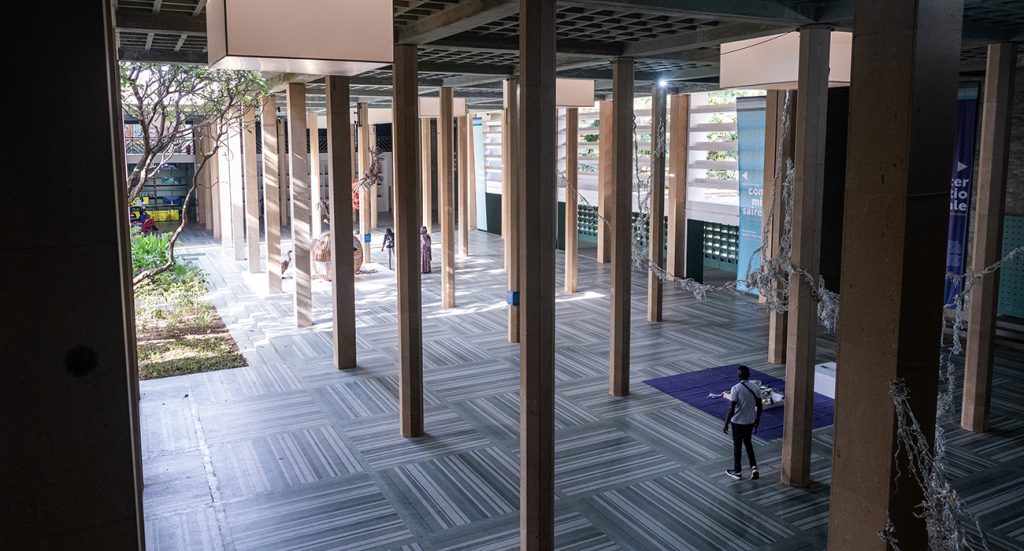
The Dakar Biennale (Dak’Art): Showcase of Contemporary African Art

The Saint-Louis International Jazz Festival: A Must-Attend Musical Event

The African Renaissance Monument: Pride and Symbol of Dakar
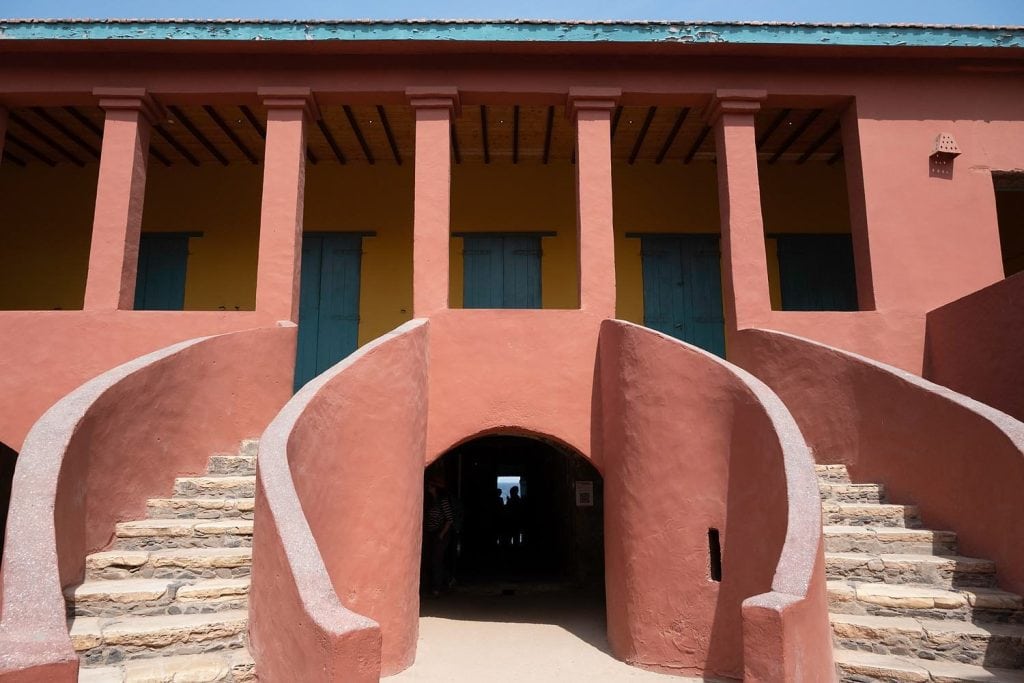
Gorée Island: Memory and World Heritage off the Coast of Dakar

Lake Rose (Lake Retba): a natural wonder at the gates of Dakar

The Sine-Saloum Delta: between mangroves, islands, and Serer traditions

The Madeleine Islands: National Park Off the Coast of Dakar

Fathala Reserve: a full-scale safari in Senegal

Bandia Park: safari in the heart of the Petite Côte

The Mosque of Divinity: Spirituality and Architecture Facing the Ocean
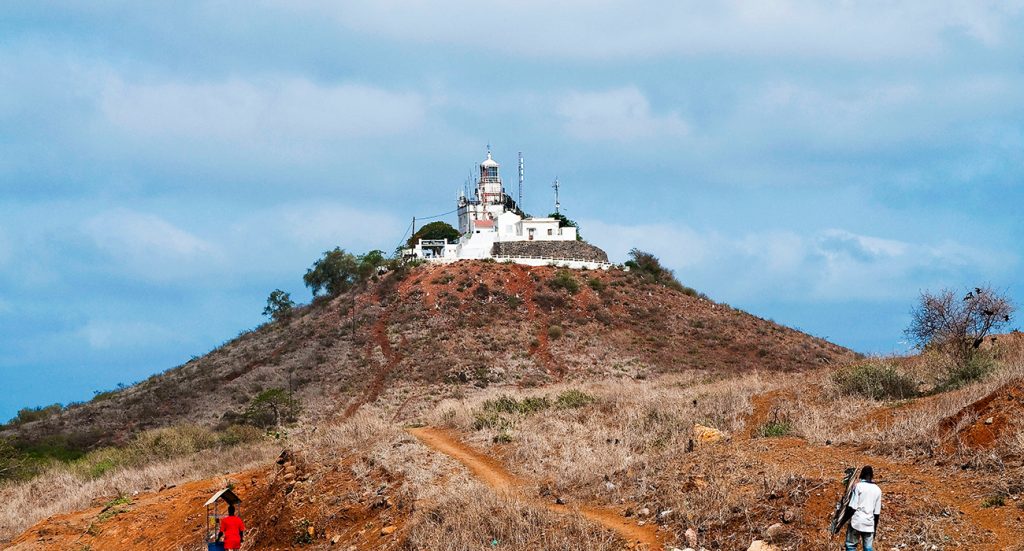
The Mamelles Lighthouse: Panorama and History of Dakar

Dakar’s Iconic Markets: Immersion into the Soul of the Capital

The House of Slaves on Gorée Island: A Universal Memory in Senegal
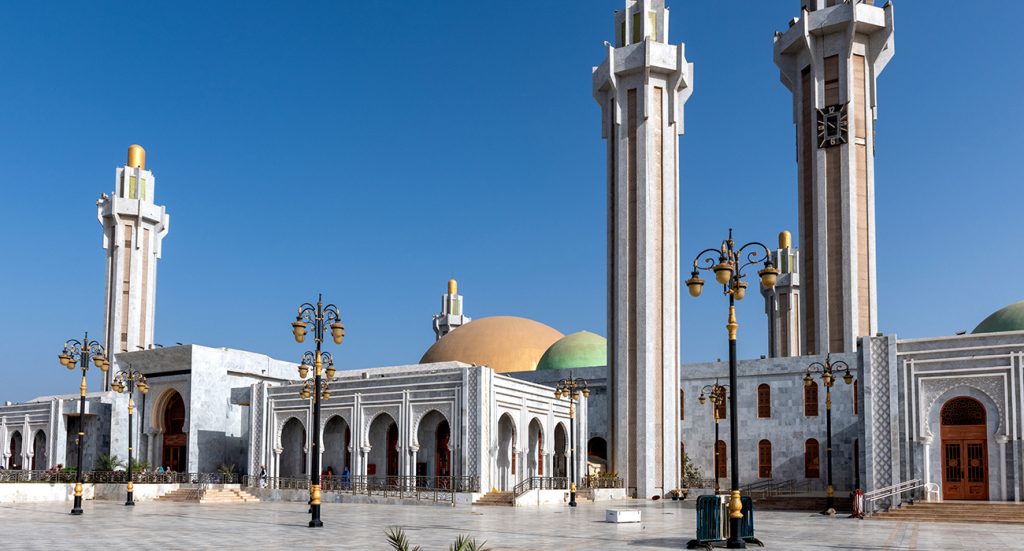
The Great Mosque of Dakar: Spirituality and Cultural Heritage

The Museum of Black Civilizations: Heritage and Modernity in Dakar

The Théodore Monod Museum of African Art: Heritage Treasure of Dakar
Ideal Itinerary : 3 Days in Dakar

The Dakar region, the beating heart of Senegal