Dakar 2026 Youth Olympic Games: your guide to Africa’s first Olympic Games, from the stands
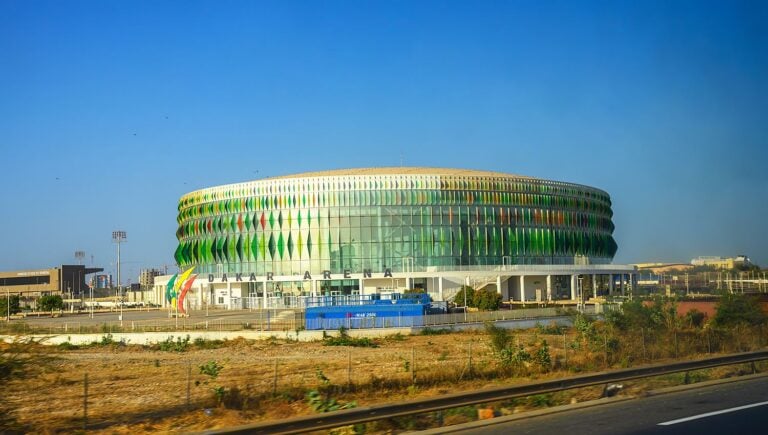
From 31 October to 13 November 2026, Dakar, Diamniadio and Saly will host the Youth Olympic Games, the first Olympic event in…
Read the article ›
Home › Locations › Thiès Region › Nguéniène › Nguéniène market: on Wednesdays, the Serer bush does its shopping (and you are invited)
NGUÉNIÈNE
Once a week, a small town in the hinterland of the Petite Côte becomes the crossroads of the whole surrounding bush. You do not visit the Nguéniène *louma*: you make your way through it, on a Wednesday morning, with small notes and plenty of courtesy.
Nguéniène market exists only one day a week, and that is what makes it precious: on Wednesdays, this quiet town in the hinterland of the Petite Côte becomes the louma (weekly rural market) for a whole area, where the Serer bush sells its harvests, trades its animals and does its shopping. Come on any other day and you will find only a village. Come on a Wednesday morning and, in two hours, you will see how rural Senegal lives half an hour from the beaches.
| Region | Thiès Region, Mbour department, Nguéniène commune (Sessène arrondissement) |
| Type | Open-air weekly rural market (louma): farm produce, livestock, fabrics, hardware |
| Location | Inland, between Thiadiaye and Joal-Fadiouth: the market is not on the coast |
| Getting there from Dakar | About a hundred kilometres, roughly 2 to 3 hours by road depending on traffic, via the motorway and Mbour |
| From the Petite Côte | About 15 to 25 minutes from Joal, 25 to 40 minutes from Mbour, 30 to 45 minutes from Saly |
| Day and time | Wednesday, in the morning |
| Recommended time | Two to three hours at the market; half a day with the journey, a full day if you add Joal-Fadiouth |
| Official fees | No additional official fees: access to the market is free |
| Best time to go | All year round on Wednesday mornings; in the dry season, crowds and choice are at their peak |
| Related QFS activities | Traditional sites & villages, guided cultural tours, quad & buggy, vehicle hire with driver |


If you live in Senegal, and especially if you live on the Petite Côte, Nguéniène is first and foremost a market, not an outing. People come here for the seasonal fruit and vegetables that arrive straight from the neighbouring fields, for poultry, spices, millet and fabrics, and for sheep and goats when a festival is coming up. If you have family or friends visiting, it is one of the most revealing mornings you can offer them, provided you act as their go-between. On outings booked through QFS, you get the resident rate: up to 30% off.
If you are a visitor, change your perspective before you arrive. There is no ticket office, no signposted route and no monument: you are walking into the workplace of a whole area, on a day when everyone has something to sell, buy or settle. A companion who speaks Serer and Wolof makes all the difference: they start conversations, explain what you are seeing and stop you from remaining a mere spectator at the edge of the aisles.
In Senegal, the louma is the countryside’s weekly market: every small town has its day, and travelling traders move from one to the next over the course of the week. This rhythm organises rural life far more reliably than any calendar. In Nguéniène, it is Wednesday. From dawn, carts pulled by horses or donkeys, packed buses and sept-places (shared taxis) converge on the town, loaded with sacks, baskets, animals and passengers.
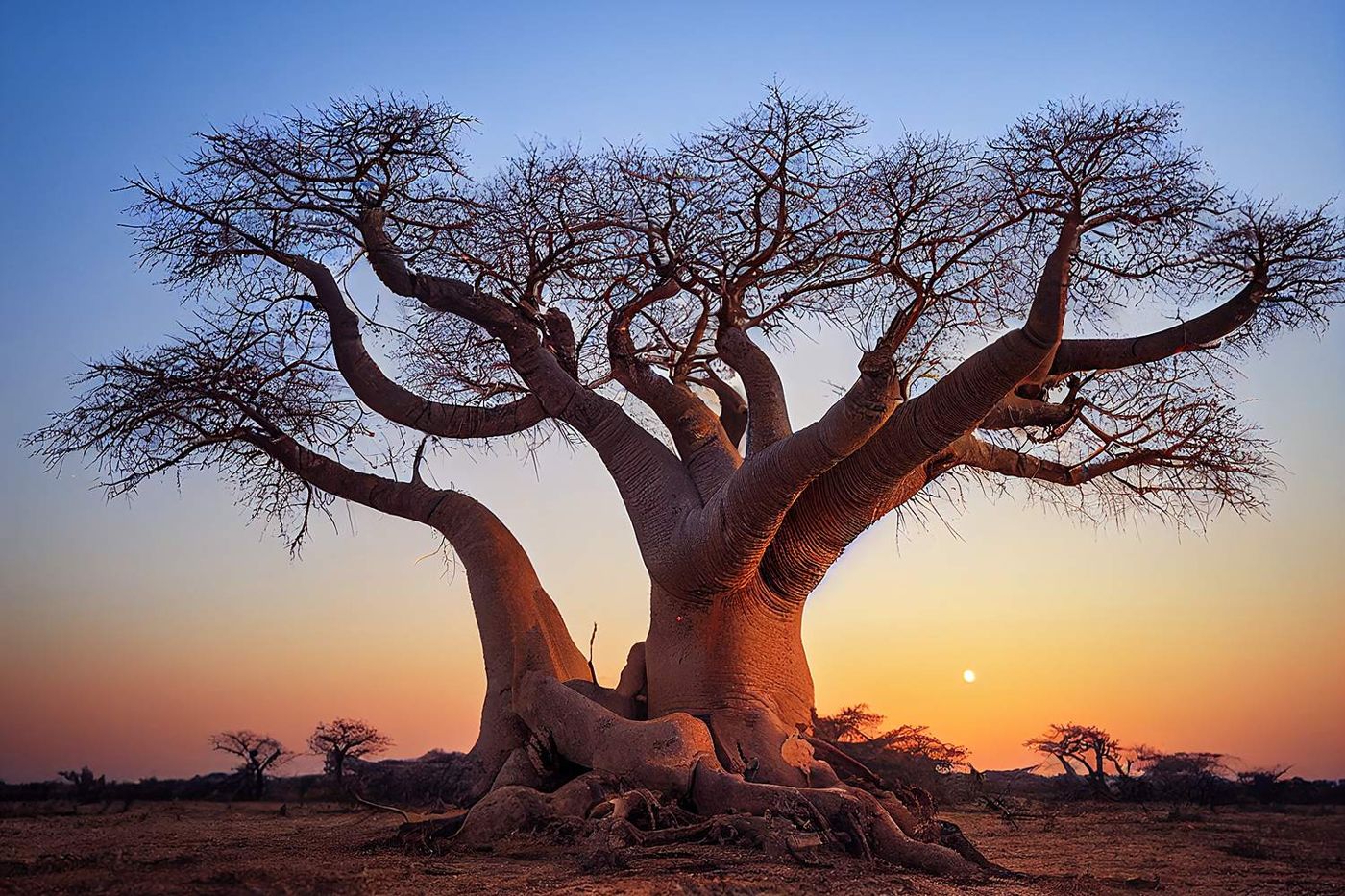
Nguéniène is in Serer country. The commune brings together a constellation of villages, from Fadial to Mbodiène, in this land of farmers and herders that stretches from the Petite Côte to the Sine. On the road, the landscape heralds the market: fields of millet and groundnuts dotted with baobabs and acacias, granaries, stalk enclosures, herds crossing the road. On Wednesdays, whatever these fields and enclosures have produced during the week ends up on the stalls. Sellers and buyers come from all over the area, mostly Serer, Fula (Peul) too, among others: the louma is where these worlds meet and talk.
Réservez votre sortie avec nos prestataires locaux. Le prix du service est distinct des éventuels coûts officiels réglés sur place.
Guided canoe trip on the Somone lagoon
Somone · 1 h 30
Towed banana boat ride in Saly
Saly · 15 or 20 minutes
Boat trips from Saly along the Petite Côte
Saly · Half-day, Full day
| Fact | Figure |
|---|---|
| Market day | Wednesday, every week |
| Busiest time | The morning |
| Location | Hinterland of the Petite Côte, between Thiadiaye and Joal-Fadiouth |
| Administrative area | Nguéniène commune, Sessène arrondissement, Mbour department, Thiès Region |
| Distance from Joal-Fadiouth | About 15 to 20 km |
| Distance from Mbour | About 30 to 40 km |
| Distance from Saly | About 35 to 45 km |
| Distance from Dakar | About a hundred kilometres |
| Entry charge | None |
The town lies inland, south-east of Mbour and north-east of Joal-Fadiouth. Do not look for the sea: the nearest beach, at Mbodiène, Pointe Sarène or Joal, is about twenty minutes away by road.
| Starting point | Approximate driving time |
|---|---|
| Joal-Fadiouth | About 15 to 25 minutes |
| Mbour or Nianing | About 25 to 40 minutes |
| Saly or the Somone | About 30 to 45 minutes, longer from the Somone |
| Dakar | About 2 to 3 hours depending on traffic, via the motorway and Mbour |
By car, set off early: on Wednesdays, the approaches to the town fill up quickly with carts, buses and herds, and the last stretch is done at walking pace. By public transport, buses and sept-places link Nguéniène with Mbour and Joal, with more frequent services on market day. The simplest option is an accompanied outing, in a vehicle with a driver or by quad or buggy along the bush tracks, which lets you add a village or the Fadial baobab on the way.
As for fees, there is nothing to plan for: no additional official fees, access to the market is free. You pay only for your purchases, and for the activity if you book an outing.
Produce from the land. Seasonal vegetables and fruit, millet and cereals, groundnuts, chillies, okra, leaves and seasonings: this is the food heart of the market, where you understand what families in the bush eat from one season to the next.
The spice corner. Small colourful heaps, open sacks, strong smells: this is the easiest purchase to take home, and the most evocative.
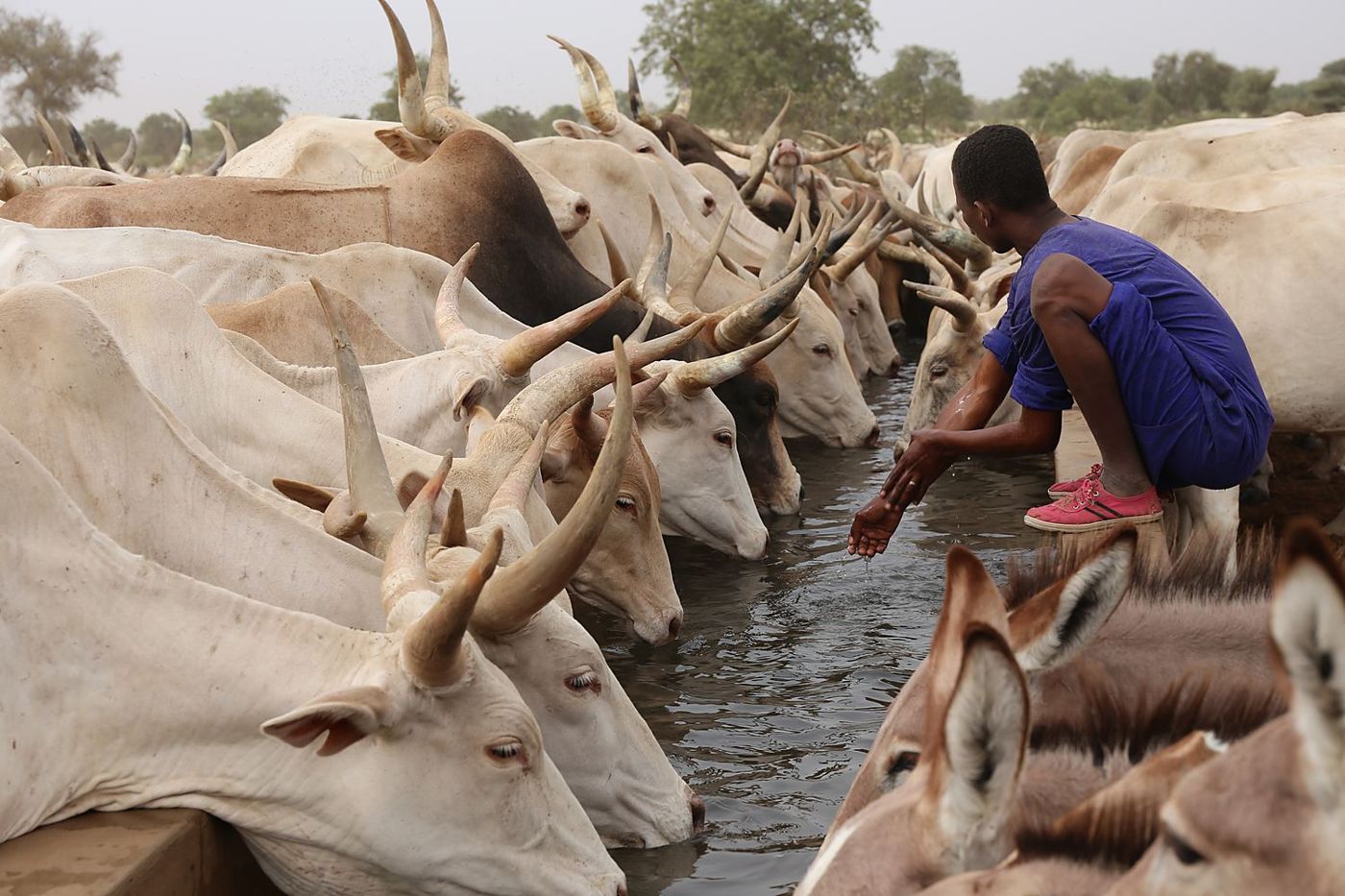
The livestock market. This is the most spectacular part. Sheep and goats tethered, herders sizing up the animals, feeling them and talking at length before shaking on a deal. Stay to the side, let the animals and carts through, and watch: the bargaining is unhurried, and voices are rarely raised.
Fabrics and wrappers. Lengths of wax-print cloth, wrappers, second-hand clothes, everyday clothing: a good place to buy fabric at local prices, haggling with a smile.
The everyday bazaar. Tools, cooking utensils, buckets, seeds, hardware, small solar panels, phones: the market is first and foremost for equipping households, and it is this mix that makes it so lively.
The market combines effortlessly with the coast. To the south-west, Joal-Fadiouth and its shell island, covered on our Joal-Fadiouth page: the market in the morning and the island in the afternoon is the most popular combination. Within the commune itself, the sacred baobab of Fadial is worth a stop. Very close by, the village of Ndianda. Towards the sea, Pointe Sarène and Nianing, then Mbour and its fishing quay. Further north, Bandia Reserve. For everything about the town and its surroundings, see our Nguéniène page and, more broadly, the Petite Côte and Thiès Region.

Excursions, visites guidées et combinés : nos prestataires locaux organisent tout.
Archery in Saly: a supervised 1-hour introduction
Saly · 1h
Horse-cart ride around Saly and Mbour
Mbour · 1h, 2h, 3h
Bush quad ride to Nianing and Popenguine
Nianing · Half-day
The day matters more than the season: it is Wednesday, and it is the morning. Arrive early, when the stalls are full and the heat is still bearable; towards midday, the market starts to pack up and the sun beats down on a square with no shade.
In the dry season, the market is in full swing and the tracks are easy to travel. During the rainy season (hivernage), July to October, the bush is green, but work in the fields keeps families busy, crowds thin out and the tracks become difficult after heavy rain. In the weeks before a major festival, especially Tabaski (Eid al-Adha), the livestock section grows considerably: it is the most impressive time, and the most crowded.
Cash and small notes. No card payments: bring low-value notes and coins, in a pocket that closes.
Haggle, yes, with a smile. Prices are negotiable; that is the custom. Foreign visitors are often quoted a higher opening price: make an offer, go back and forth, laugh, and accept that you will not get the last franc. A purchase concluded in good humour is worth more than a discount wrung out of someone.
Ask before taking photos. Before photographing a person or their stall, ask, and accept a refusal without insisting. A greeting or a small purchase often changes the answer.
Respect and clothing. You are among people at work: greet them, do not block the aisles, and do not handle goods you have no intention of buying. Clothing that covers shoulders and knees is welcome in rural areas.
Safety and comfort. Closed shoes, a hat, water: the ground is earth, sometimes muddy, and carts and animals have right of way. At the livestock market, keep your distance from the animals and keep an eye on children.
To discover the market with a companion, browse our traditional sites & villages: some outings are devoted to Nguéniène market, on its own or combined with Joal-Fadiouth or a Serer and Fula village in the bush. The guided cultural tours and guided hikes in the bush complete the range. To get there along the tracks, see quad & buggy; for a tailor-made journey, vehicle hire with driver.
Each activity is run by an independent local professional. You pay 20% to secure your booking (the booking fee), and the balance is paid on site, on the day. For the market, there are no additional official fees. If you live in Senegal, you get the resident rate: up to 30% off (the exact rate is shown on each listing).

From 31 October to 13 November 2026, Dakar, Diamniadio and Saly will host the Youth Olympic Games, the first Olympic event in…
Read the article ›October closes the rainy season and opens the finest season of the year. Workshops for children, sport, wellness, classes and getaways: everything…
Read the article ›In Senegal, the day runs to the rhythm of five prayers whose times follow the sun, and so shift a little every…
Read the article ›Good deals, news and highlights from Senegal, straight to your WhatsApp.