Key facts & figures
| Fact | Figure |
|---|
| Market day | Wednesday, every week |
| Busiest time | The morning |
| Location | Hinterland of the Petite Côte, between Thiadiaye and Joal-Fadiouth |
| Administrative area | Nguéniène commune, Sessène arrondissement, Mbour department, Thiès Region |
| Distance from Joal-Fadiouth | About 15 to 20 km |
| Distance from Mbour | About 30 to 40 km |
| Distance from Saly | About 35 to 45 km |
| Distance from Dakar | About a hundred kilometres |
| Entry charge | None |
Getting there & official fees
The town lies inland, south-east of Mbour and north-east of Joal-Fadiouth. Do not look for the sea: the nearest beach, at Mbodiène, Pointe Sarène or Joal, is about twenty minutes away by road.
| Starting point | Approximate driving time |
|---|
| Joal-Fadiouth | About 15 to 25 minutes |
| Mbour or Nianing | About 25 to 40 minutes |
| Saly or the Somone | About 30 to 45 minutes, longer from the Somone |
| Dakar | About 2 to 3 hours depending on traffic, via the motorway and Mbour |
By car, set off early: on Wednesdays, the approaches to the town fill up quickly with carts, buses and herds, and the last stretch is done at walking pace. By public transport, buses and sept-places link Nguéniène with Mbour and Joal, with more frequent services on market day. The simplest option is an accompanied outing, in a vehicle with a driver or by quad or buggy along the bush tracks, which lets you add a village or the Fadial baobab on the way.
As for fees, there is nothing to plan for: no additional official fees, access to the market is free. You pay only for your purchases, and for the activity if you book an outing.
What to see
Produce from the land. Seasonal vegetables and fruit, millet and cereals, groundnuts, chillies, okra, leaves and seasonings: this is the food heart of the market, where you understand what families in the bush eat from one season to the next.
The spice corner. Small colourful heaps, open sacks, strong smells: this is the easiest purchase to take home, and the most evocative.
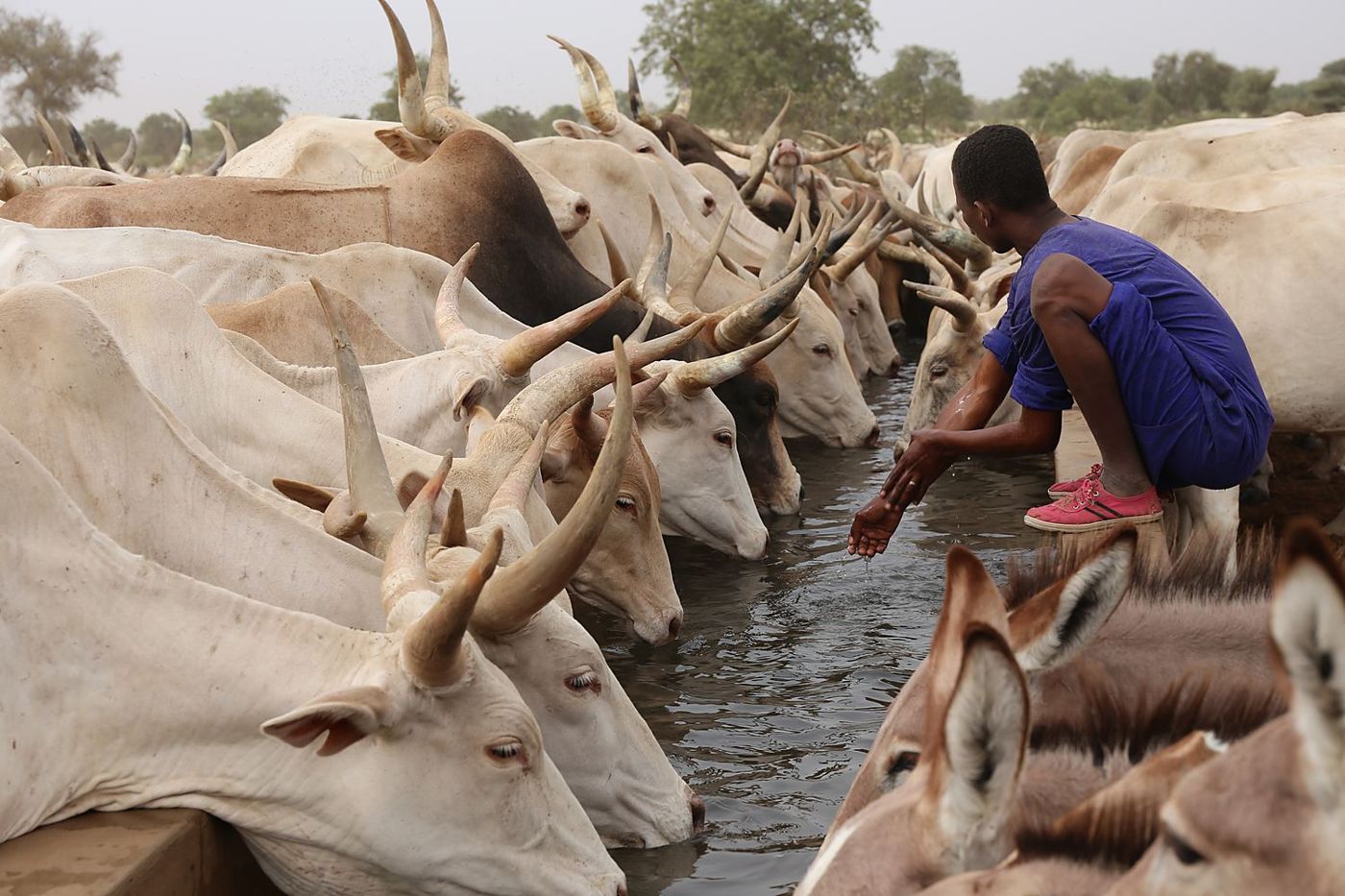
The livestock market. This is the most spectacular part. Sheep and goats tethered, herders sizing up the animals, feeling them and talking at length before shaking on a deal. Stay to the side, let the animals and carts through, and watch: the bargaining is unhurried, and voices are rarely raised.
Fabrics and wrappers. Lengths of wax-print cloth, wrappers, second-hand clothes, everyday clothing: a good place to buy fabric at local prices, haggling with a smile.
The everyday bazaar. Tools, cooking utensils, buckets, seeds, hardware, small solar panels, phones: the market is first and foremost for equipping households, and it is this mix that makes it so lively.
Nearby
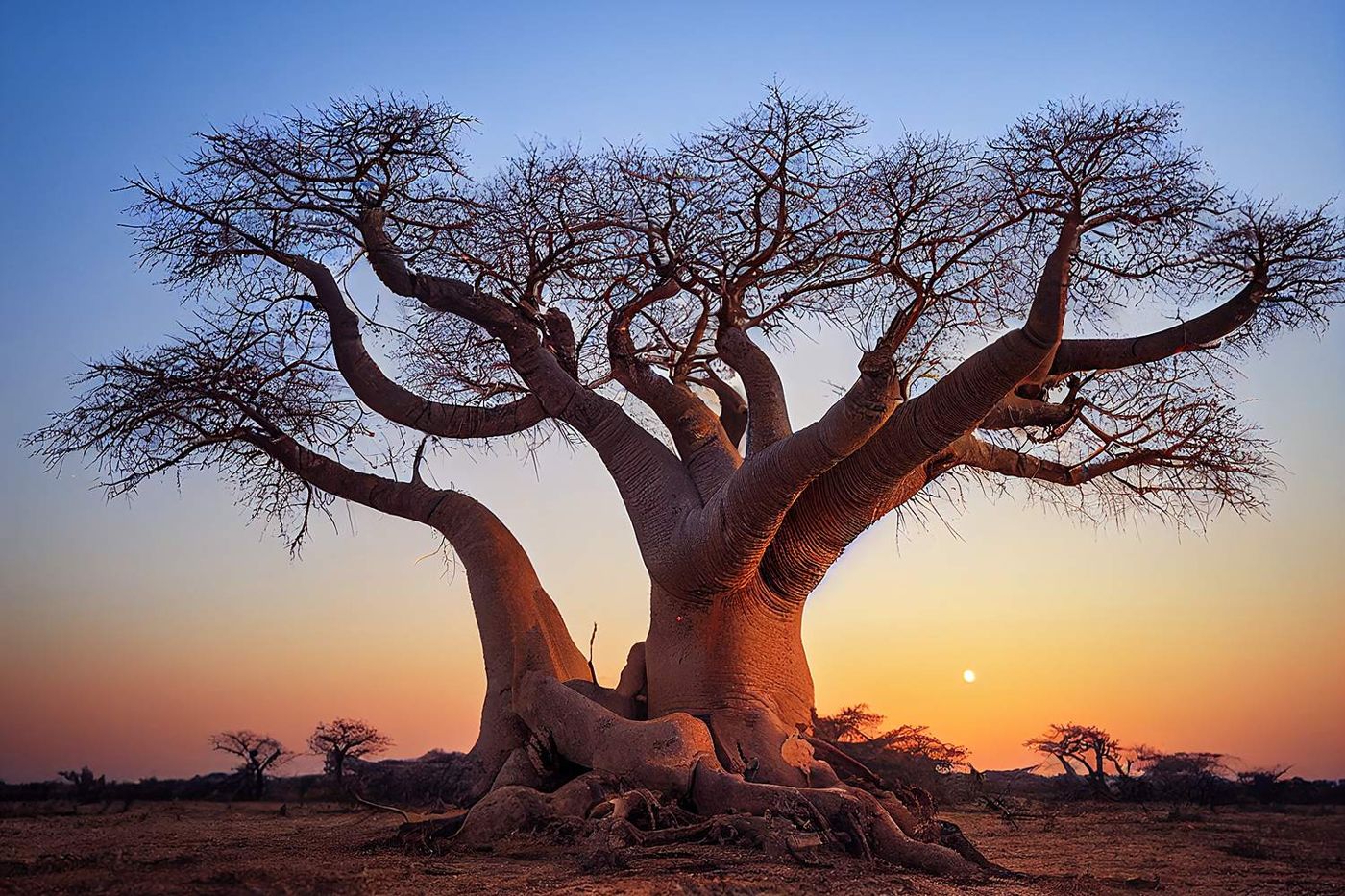
The market combines effortlessly with the coast. To the south-west, Joal-Fadiouth and its shell island, covered on our Joal-Fadiouth page: the market in the morning and the island in the afternoon is the most popular combination. Within the commune itself, the sacred baobab of Fadial is worth a stop. Very close by, the village of Ndianda. Towards the sea, Pointe Sarène and Nianing, then Mbour and its fishing quay. Further north, Bandia Reserve. For everything about the town and its surroundings, see our Nguéniène page and, more broadly, the Petite Côte and Thiès Region.