The Derby eland, from the bush to the reserves of the west
If Niokolo-Koba needed an emblem, it would be the Derby eland, the largest antelope in the world, with spiralled horns and a dewlap hanging from its neck. Its West African subspecies is critically endangered: according to the latest scientific estimates, no more than two hundred animals remain in the wild, and this is where they live. Discreet and confined to a few sectors of the park, they very rarely show themselves to visitors.
That is why eland captured in Niokolo-Koba were taken, in the early 2000s, to the fenced reserves in the west of the country. They breed there under a programme overseen by scientists, at Fathala Reserve and Bandia Reserve, with the idea of one day sending some back to their park of origin. If you have seen an eland at Bandia, you have seen a little of Niokolo-Koba; here, above all, you will see the world that has to be kept for them.
Key facts & figures
| Fact | Figure |
|---|
| Hunting reserve | Mid-1920s |
| National park | Since 1 January 1954, enlarged until 1969 |
| Area | About 913,000 hectares, the largest park in Senegal |
| UNESCO World Heritage Site | Since 1981 |
| List of World Heritage in Danger | From 2007 to 24 July 2024 (removal decided in New Delhi) |
| Highest point | Mount Assirik, 311 metres |
| Rivers | The Gambia River, with the Koulountou and the Niokolo-Koba |
| Wildlife | More than 70 mammal species and about 330 bird species recorded |
| Derby eland | No more than 200 animals in the wild according to the latest estimates |
| Large carnivores | Lions, leopards and African wild dogs, in small numbers |
Getting there & official fees
Everything goes by road. From Dakar, you head to Kaolack and then Tambacounda: it is a long day in the car, and a night in Tambacounda means you reach the park rested, early in the morning, when the bush is at its liveliest. From Tambacounda, the N7 runs south-east, crosses the park and carries on to Kédougou. The main entrance is at Dar Salam, beside this road: allow about one and a half to two hours from Tambacounda depending on the state of the tarmac. If you are coming from Kédougou, the same road brings you there heading north-west, so you can fit the park in on the way to or from a trip to the south-east. Drive in daylight: the road crosses the park, and both wild animals and herds of livestock cross it.
Inside, forget the saloon car. The laterite tracks call for a high-clearance vehicle, ideally a 4×4, and you do not venture onto them alone: the visit is made with a park guide, who knows which waterholes are busy that day. To reach eastern Senegal from Dakar, intercity transfers and vehicle hire with driver spare you from driving that long road yourself.
As for fees, budget for park entry, paid per person, and a vehicle charge. These are official fees set by the national parks administration. They are paid on site, in cash, are not included in the price of your outing, and no discount applies to them. Withdraw cash in Tambacounda or Kédougou: there is no cashpoint in the park.
What to see
Simenti and its waterhole. The heart of the visit, beyond the Dar Salam entrance. The site lies between the Gambia River and the Simenti waterhole, which holds its water when the bush dries out: in the dry season, this is where the wildlife comes to drink. Settle quietly at the water’s edge in the late afternoon: kob, warthogs, baboons and waterbirds take turns there.
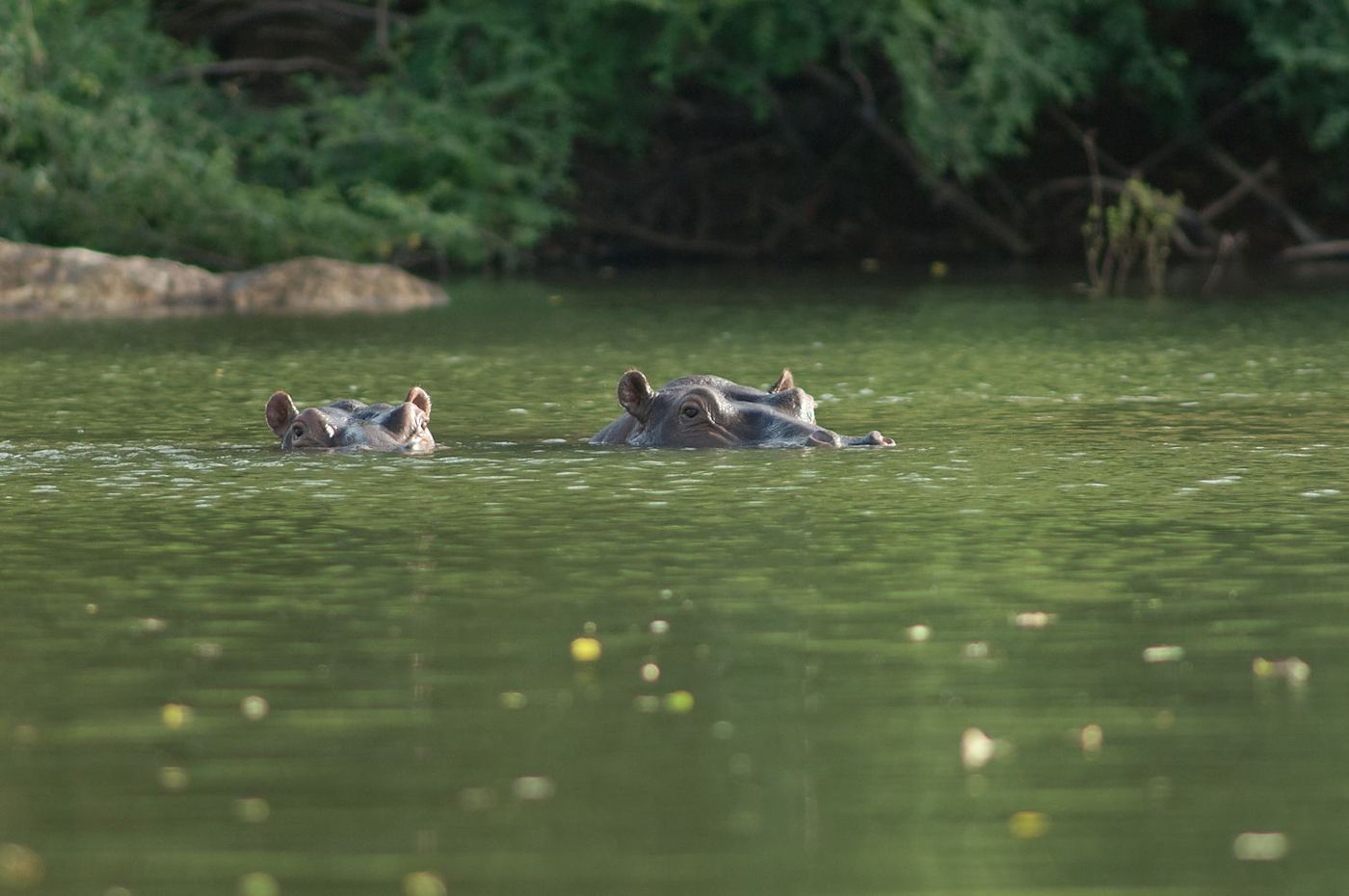
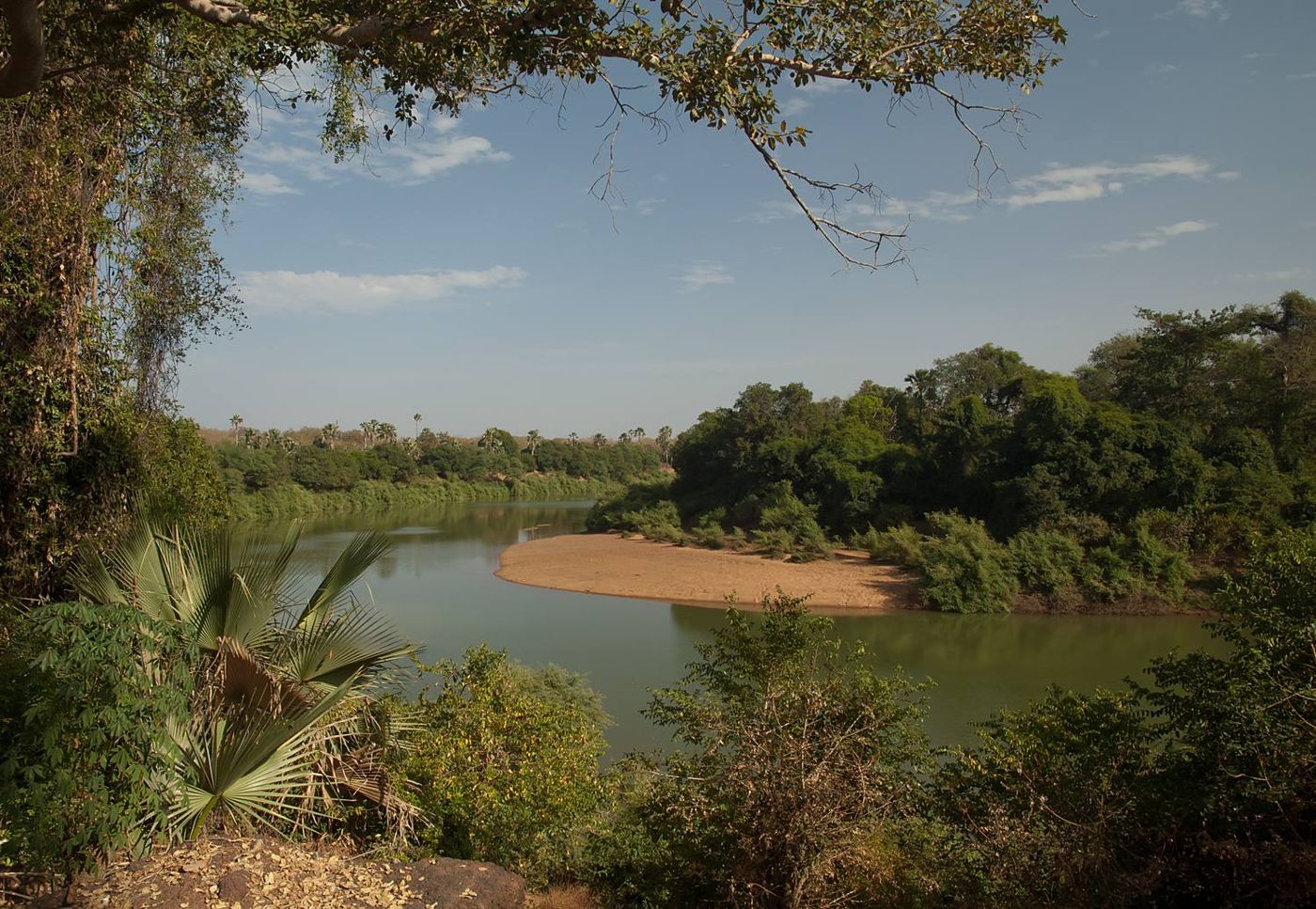
The Gambia River and its hippos. The river, wide and calm in the dry season and lined with gallery forest, is home to hippos and crocodiles. A pirogue trip, when one is possible, offers another way of seeing the park: right at water level, surrounded by birdsong.
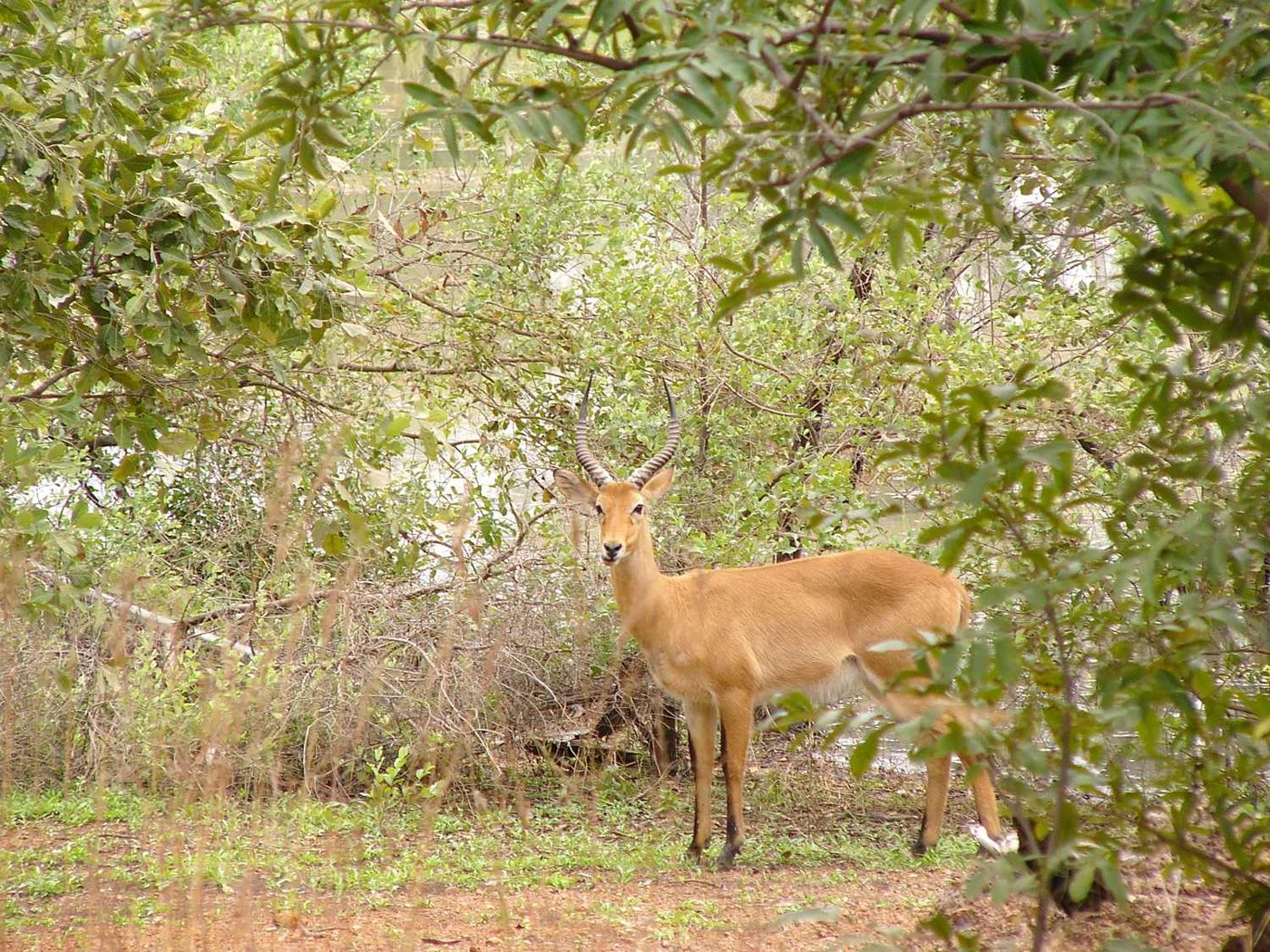
The savannah tracks. The safari itself, by 4×4, at daybreak. You are far more likely to come across antelopes (Buffon’s kob, roan antelope, bushbuck), buffalo, warthogs and monkeys than big cats. Watch the ground for tracks: your guide can read a fresh lion or leopard print, and that is often the most thrilling moment of the day.
The large carnivores. Niokolo-Koba is the refuge of Senegal’s last wild lions, which belong to a critically endangered West African population, and one of the last strongholds of the African wild dog in the region. Their numbers remain small and the territory is immense: sightings are never guaranteed, and that is just as it should be.
Mount Assirik. The highest point in the park, at 311 metres, in the south-east, far from the busiest tracks. Its slopes are home to chimpanzees, among the most northerly in Africa, which scientists have studied for decades. It can be reached as part of a stay of several days, in the dry season, and the chimpanzees there remain hard to spot.
The birds. About 330 species recorded: hornbills, bee-eaters, kingfishers, birds of prey above the river. Even on days without any large mammals, your binoculars will be kept busy.