Guembeul Reserve, Saint-Louis: a visit on foot | QFS
Accueil » iconic locations » Guembeul Reserve: on foot among the gazelles the Sahel had lost

Home › Locations › Saint-Louis Region › Gandiol › Guembeul Reserve: on foot among the gazelles the Sahel had lost

GANDIOL

Guembeul Reserve: on foot among the gazelles the Sahel had lost

About ten kilometres from Saint-Louis, Guembeul Reserve does not promise a safari: it tells the story of the return of antelopes that Senegal had seen disappear. An hour's walk with an eco-guide, gazelles a few metres away, and a lagoon where avocets nest.

Guembeul Reserve is visited on foot, and that changes everything: no 4×4 window between you and the gazelles, just sand, acacias and an eco-guide who knows where to look. Do not come here looking for Africa’s big game. Come to see a story of return, that of Sahelian antelopes hunted until they vanished from the country, then brought back from Spain and Israel behind a fence, south of Saint-Louis. An hour’s walk is enough to understand what a lost species costs, and what it takes to bring it back.

At a glance

RegionSaint-Louis Region, Saint-Louis department, in the Gandiol area (the Gandiolais), between the communes of Ndiébène Gandiole and Gandon
TypeFenced special wildlife reserve, breeding and reintroduction centre, wetland of international importance (Ramsar Site)
Getting there from Saint-LouisAbout ten kilometres south, on the Gandiol road: around twenty minutes
Getting there from Dakar4 to 5 hours by road to Saint-Louis, via Thiès and Louga: stay overnight
Recommended time45 minutes to 1½ hours on foot depending on the trail; half a day including the journey
Official feesReserve entry and eco-guide payable on site and not included in the price of the activity
Best time to goThe dry season, November–May; December–March for migrant birds; early in the morning or late in the afternoon
Related QFS activitiesGuided tour of the reserve, birdwatching, pirogue trips to the Langue de Barbarie

Resident or visitor: the same hour, two ways to experience it

Live in Saint-Louis or the north? Guembeul is an easy nature outing to fit into a Saturday: set off in the cool of the morning, walk for an hour, and be back in town before lunch. It is also a lovely first encounter with Sahelian wildlife for children. The African spurred tortoises never fail to impress, and the story of the reintroductions speaks to all ages. Come back a second time in the depths of winter, between December and March, for the lagoon: the birds from Europe transform it. Live in Dakar? Slip Guembeul into a long weekend in Saint-Louis, between the island and the Langue de Barbarie. On QFS, you get the resident rate: up to 30% off depending on the activity.

Just passing through? The trap is turning Guembeul into a box to tick between two transfers. Make it the opening act of a day south of Saint-Louis, before the pirogue to Langue de Barbarie National Park, and let the guide tell the story. Without it, you will see gazelles behind a wire fence; with it, you will understand why they are there, and why everyone hopes they will not stay. And if you arrive expecting a safari, adjust your expectations: here, the emotion lies in the closeness and in the story, not in the number of species.

A waiting room for vanished species

Over the course of the 20th century, the Senegalese Sahel emptied. Hunting and droughts wiped out the dama gazelle and the scimitar-horned oryx from the country, and made the African spurred tortoise very rare in the wild. It was to bring them back that the state created the Guembeul special wildlife reserve by decree in 1983: 720 hectares of fixed dunes, thorn savannah and salt lagoon, entirely fenced. The word “special” says it all. Guembeul was not created to protect what was left, but to breed, in safety, what had disappeared.

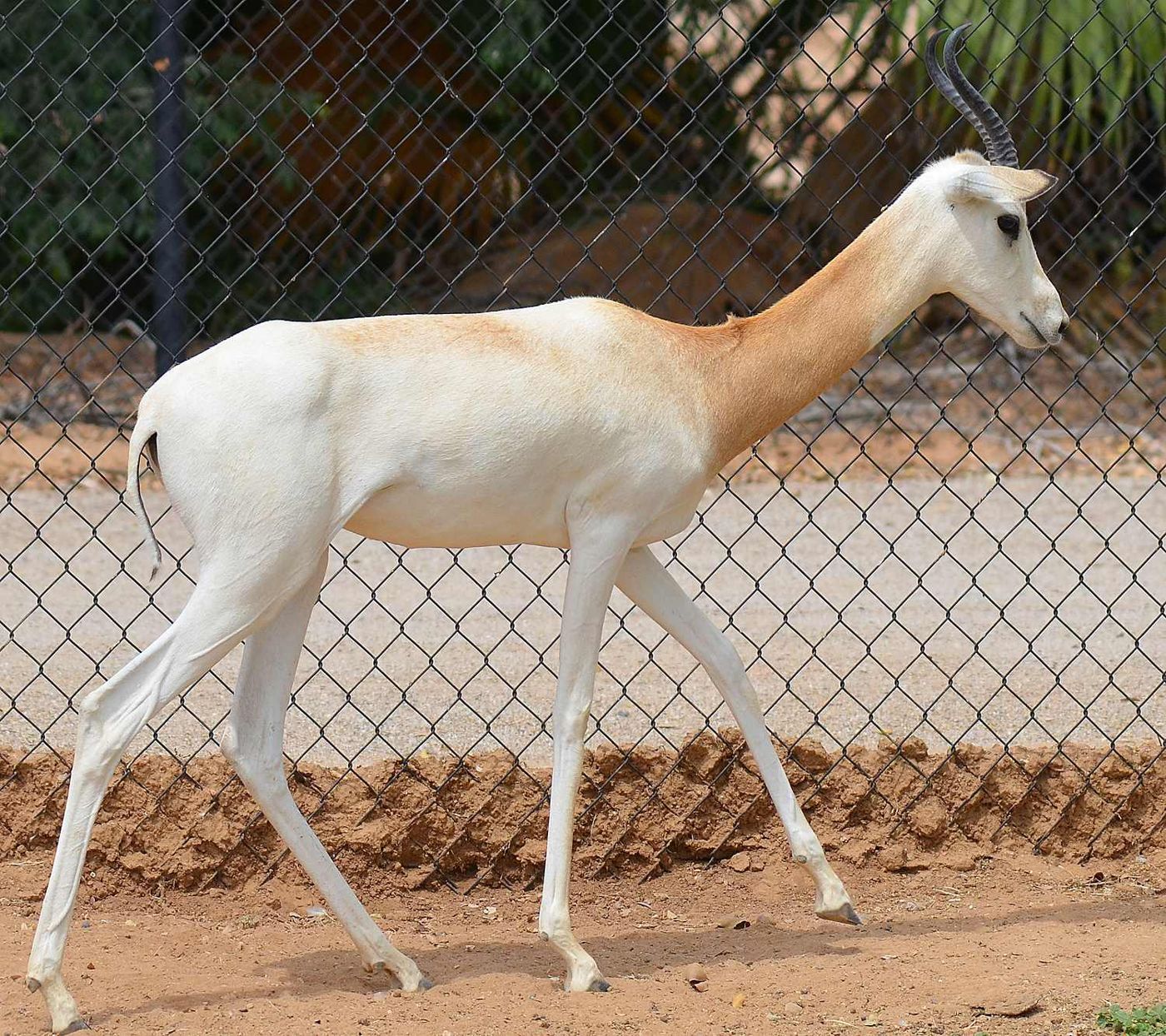
The first arrivals date from 1984. That year, Spain gave Senegal a small herd of Mhorr gazelles (dama mhorr) born in captivity at the Sahelo-Saharan antelope breeding station in Almería, Andalusia. The Mhorr gazelle is the largest of the gazelles, long-legged, white beneath a fawn back and neck, and one of the most threatened antelopes in Africa. Later, scimitar-horned oryx from Israel joined the reserve. This oryx with long, arched horns was for a long time classified as extinct in the wild; it survived only in breeding centres and parks, which is where the reintroduction programmes came from. The smaller dorcas gazelles complete Guembeul’s trio of Sahelian antelopes.

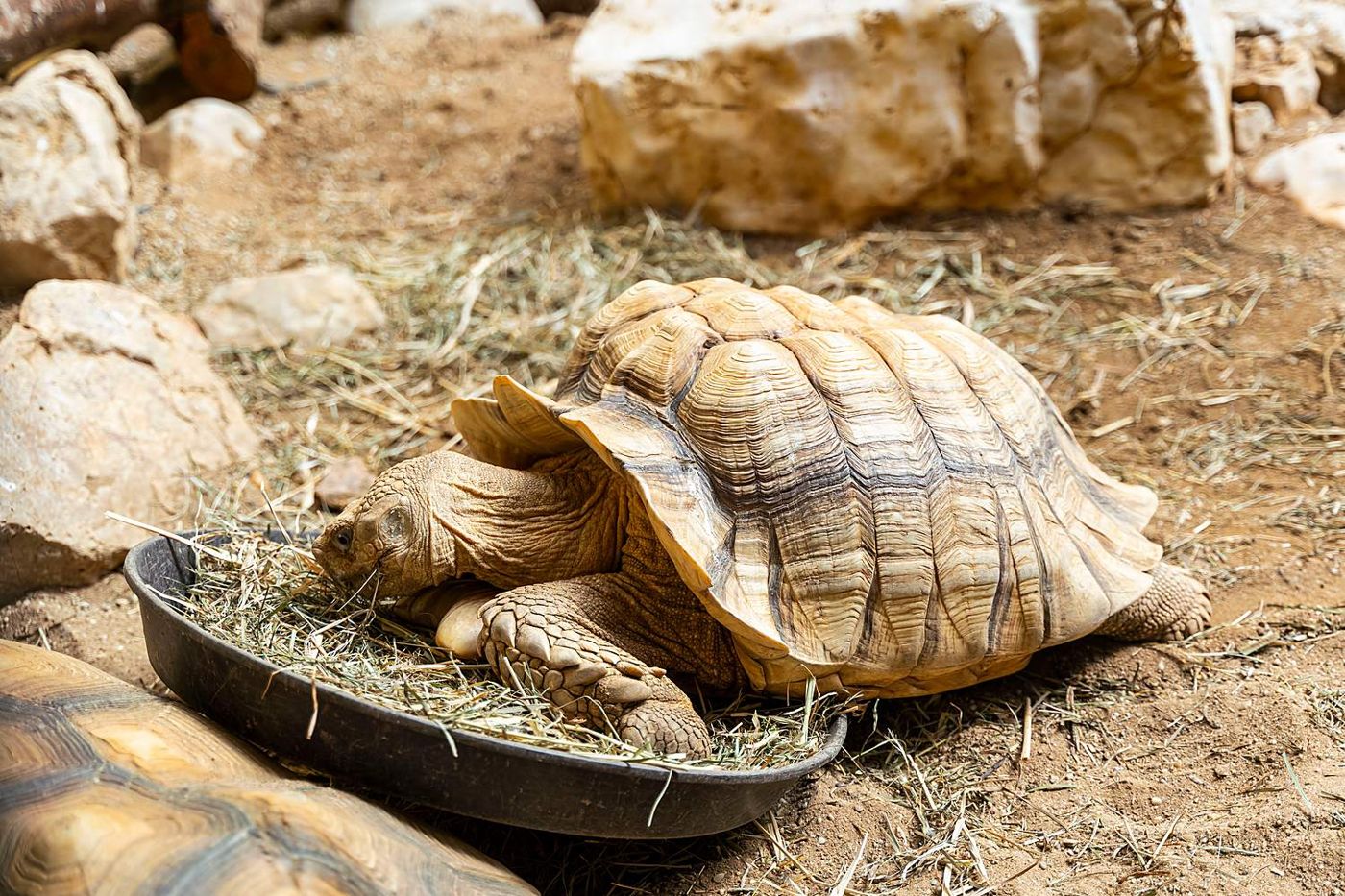
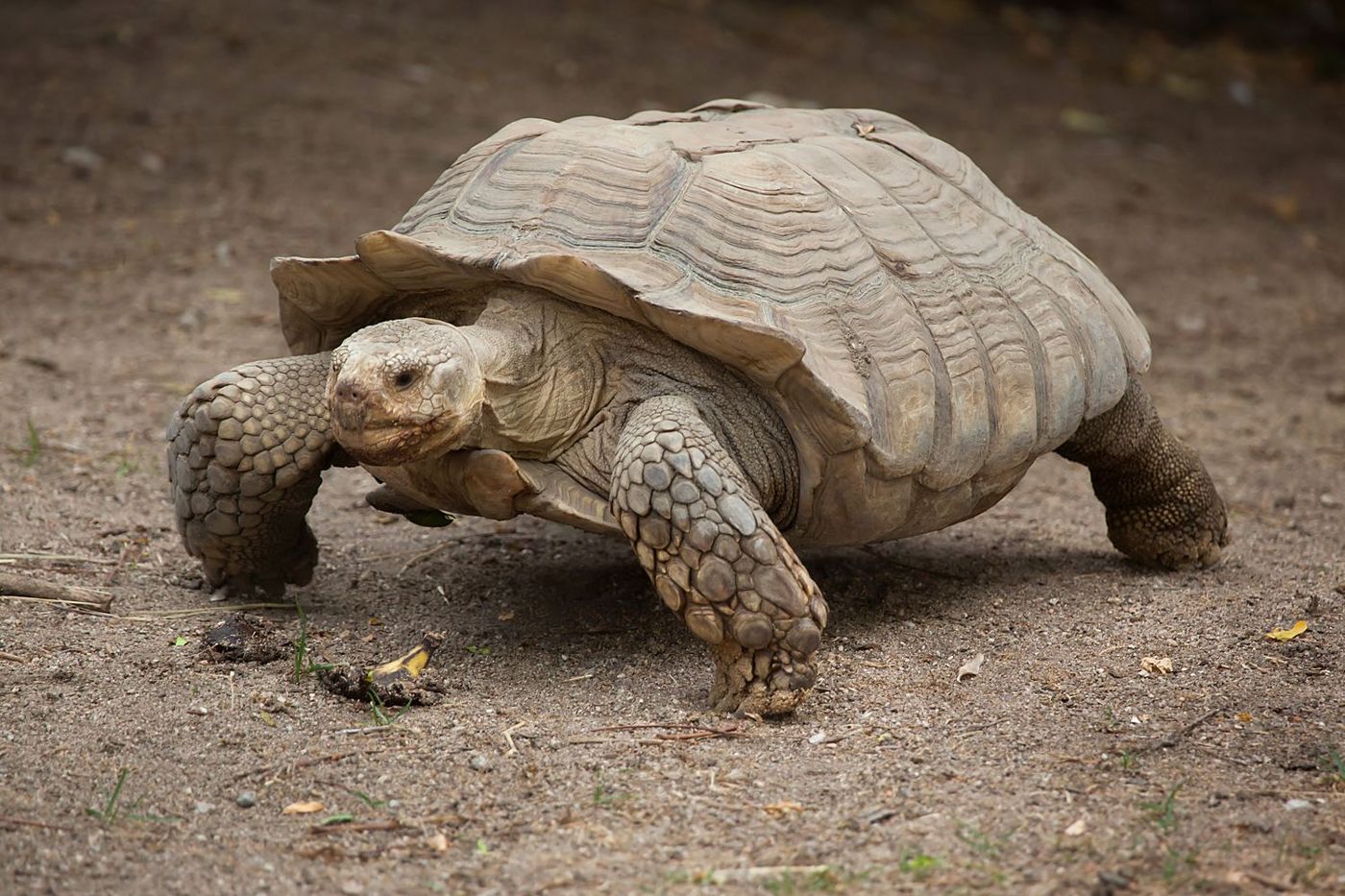
The reserve then acts as a relay. Once the herds have acclimatised and bred, some of the animals are transferred to the Ferlo, further east, where there is far more space. The African spurred tortoises follow the same path: the continent’s largest land tortoise is raised in protected enclosures, then released into its natural habitat.

The story is not a fairy tale, and your guide will not tell it as one. The Mhorr gazelle population thrived for nearly twenty years, then declined in the early 2000s. Studies carried out on site point to changes in the habitat: vegetation closing in, and the spread of an invasive cactus, Opuntia, which the reserve works to pull up. The lagoon, for its part, suffers from drought, salinisation and a reduced inflow of fresh water since the Diama Dam was built on the Senegal River. Guembeul is therefore a permanent work in progress, and that is also what makes it so fascinating.

Then there is the lagoon, the reserve’s other face. This expanse of brackish water, fed by the rains and the estuary, earned Guembeul its designation as a wetland of international importance under the Ramsar Convention, in 1986. Some two hundred bird species have been recorded here, and above all the largest colony of pied avocets in Senegal. Since 2005, the reserve has also been part of the core area of the Senegal River Delta Transboundary Biosphere Reserve, recognised by UNESCO.

  • Wildlife reserves & parks

    Guided half day at Djoudj National Bird Park

    Saint-Louis · Half-day (5h)


    From66 000 CFA
    Resident price62 700 CFA−5 %
  • Adventure & outdoors

    Guided excursions in Saint-Louis

    Saint-Louis · 1h30 to several days depending on the option


    From13 200 CFA
    Resident price12 540 CFA−5 %
  • Wildlife reserves & parks

    Djoudj day trip from Saint-Louis: pirogue and horse cart

    Saint-Louis · 1h30, Full day


    From4 400 CFA
    Resident price3 740 CFA−15 %

Key facts & figures

FactFigure
StatusSpecial wildlife reserve, managed by the Directorate of National Parks
Created1983, by decree
Area720 hectares, entirely fenced
LocationAbout 10 km south of Saint-Louis, in the Gandiol area
RamsarWetland of international importance since 1986
BiosphereCore area of the Senegal River Delta Transboundary Biosphere Reserve (2005)
First gazellesMhorr gazelles given by Spain, from Almería in 1984
Scimitar-horned oryxFrom Israel
Species bredMhorr gazelle, dorcas gazelle, scimitar-horned oryx, African spurred tortoise
Local wildlifePatas monkeys, warthogs, mongooses, foxes, monitor lizards
BirdsAbout 200 species; the country’s main colony of pied avocets

Getting there & official fees

From the island of Saint-Louis, take the road south towards Gandiol. The reserve entrance is about ten kilometres from town, on the inland side of the road: around twenty minutes by car or taxi. The road is surfaced, so no 4×4 is needed. From Dakar, allow 4 to 5 hours by road to Saint-Louis via Thiès and Louga: Guembeul cannot reasonably be done as a day trip, so stay overnight. For the journey, see intercity transfers or vehicle hire with driver.

On site, the visit is made on foot, accompanied by one of the reserve’s eco-guides. This is not optional: the enclosures house breeding programmes that are sensitive to disturbance, and the guide knows the trails, the habits of the herds and the story of each species.

As for fees, Guembeul is a public reserve. Reserve entry and the eco-guide’s fee are paid on site, in cash, and are not included in the price of the activity booked through QFS. The amounts have changed over the years and vary with the type of visit: bring small notes, and the activity listing will tell you what remains to be paid.

What to see

The Mhorr gazelles. The stars of the reserve. Their two-tone coats stand out against the sand, and they often let you approach to within a few dozen metres. In the morning, they graze in the open; at midday, they retreat to the shade of the thorn trees.

The scimitar-horned oryx. Massive, white, with brown markings on the face and those long curved horns. Seeing on foot, a few metres away, an animal that had disappeared from the wild remains one of the highlights of the visit.

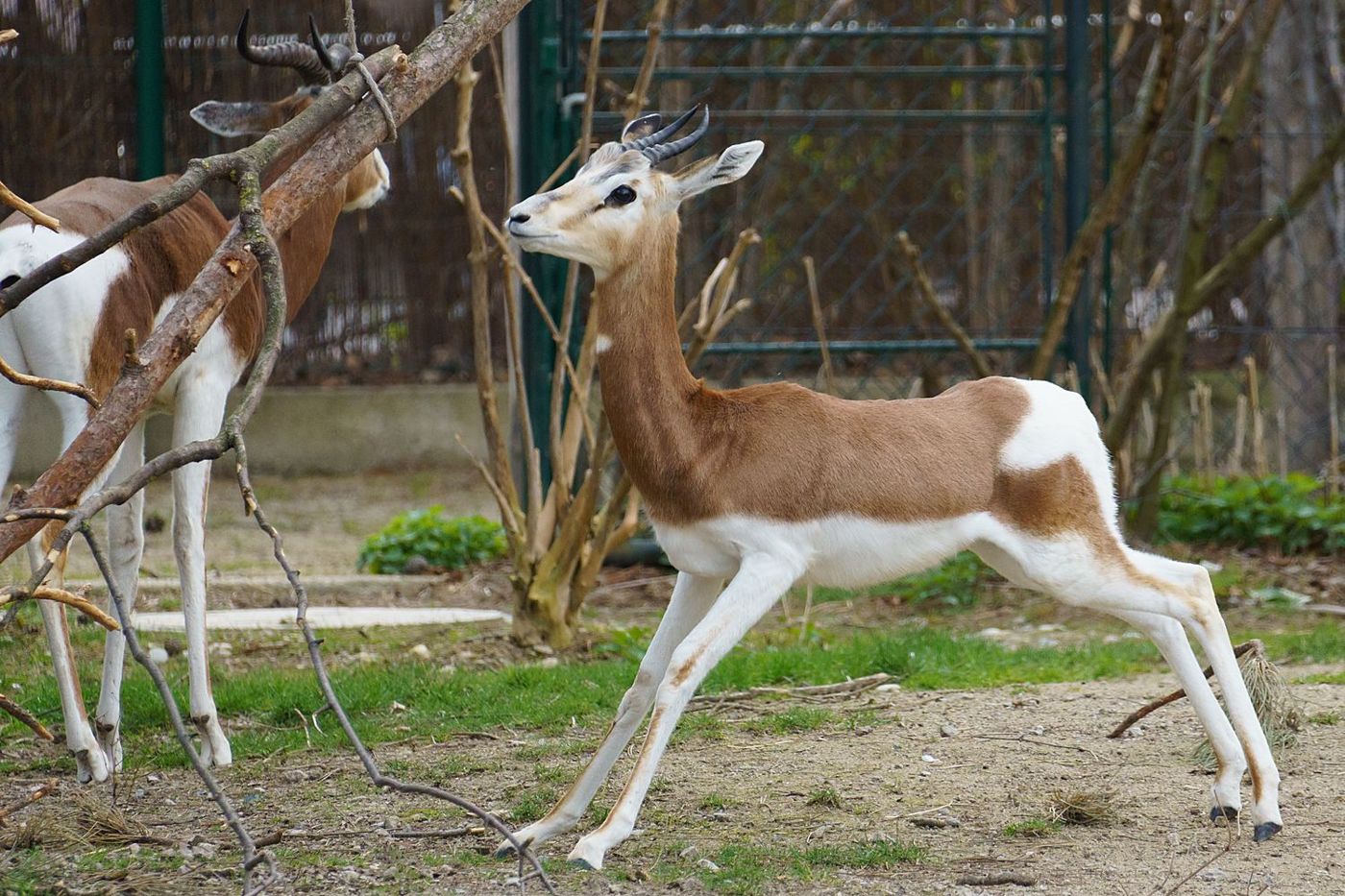
The dorcas gazelles. Smaller and livelier than the Mhorr, often in groups. The guide will teach you to tell them apart at a glance.

The African spurred tortoises. In their breeding enclosures, animals of every size, from youngsters barely bigger than a hand to imposing adults. This is children’s favourite stop, and a chance to understand the reserve’s patient work.

The patas monkeys and local wildlife. These russet monkeys with pale bellies, which have always lived here, readily cross the trail. Warthogs, mongooses and monitor lizards also show themselves, with a little luck.

The lagoon. The long trail goes as far as its shores: avocets, flamingos, spoonbills and waders by the hundred in winter. With binoculars, the lagoon becomes the second reason to come.

  • Adventure & outdoors

    Guided excursions in Saint-Louis

    Saint-Louis · 1h30 to several days depending on the option


    From13 200 CFA
    Resident price12 540 CFA−5 %
  • Excursions & adventures

    4×4 excursion from Saint-Louis: bush and villages

    Saint-Louis · Half-day (~4h)


    From38 500 CFA
    Resident price36 575 CFA−5 %
  • Water sports & sea activities

    Electric scooter ride in Saint-Louis

    Saint-Louis · 30 min – 1h


    From1 650 CFA
    Resident price1 485 CFA−10 %

Nearby

Guembeul is the natural start to a day south of Saint-Louis. Further along the same road, Gandiol is the departure point for pirogues to Langue de Barbarie National Park, its bird colonies and the breach opened in 2003 (our Langue de Barbarie page). North of Saint-Louis, some sixty kilometres away, the Djoudj National Bird Sanctuary completes a birdwatching stay in the dry season (our Djoudj page). Heading up the river, Lac de Guiers and Podor extend the trip; on the way back to Dakar, the Lompoul desert lends itself to a night under canvas. For other wildlife reserves, Bandia Reserve on the Petite Côte and Fathala Reserve in the Saloum tell another story of repopulation. For an overview: our Guembeul Reserve and Saint-Louis Region pages.

The right time

PeriodWhat changes
November–FebruaryCool mornings, pleasant walking, migrants on the lagoon: the best time for a first visit
March–MayRising heat, little shade on the trails: aim for opening time, as the animals gather in the cool
December–MarchThe heart of the season for birds from Europe on the lagoon
July–October (hivernage, the rainy season)The reserve can still be visited, green after the rains, but it is muggy and the mosquitoes are out; leave extra time for the road
During the dayEarly in the morning or late in the afternoon; at midday, the gazelles hide and the light flattens everything

Our advice: arrive at opening time, do the long trail before the sun climbs, then carry on with the pirogue at Gandiol. You will have seen the land and the water south of Saint-Louis in the same morning.

Practical tips

  • Against the sun. The trails are sandy and offer little shade: a hat, sun cream and plenty of water, even in winter.
  • On your feet. Closed shoes for the sand and the thorns; open sandals are a bad idea.
  • To see more. Binoculars, essential for the lagoon. Neutral-coloured clothing, and a low voice as you approach the herds.
  • Respect the animals. Stay on the trail and behind the guide, do not feed any animal, monkeys included, and do not touch the tortoises unless invited to.
  • Photography. A medium telephoto lens is enough for the gazelles. No drone without the reserve’s authorisation.
  • With children. The short trail and the tortoises suit the youngest; set off early to avoid the heat.
  • Money. Keep cash in small notes for entry, the eco-guide and the balance of the activity: cards are not accepted at the reserve entrance.
  • Honesty. The animals live in semi-freedom over a large area: the guide knows where to look, but no sighting is guaranteed.

Book an activity here with QFS

On QFS, Guembeul is booked under wildlife reserves & parks: guided tours of the reserve from Saint-Louis, lasting 1½ to 2 hours including the journey. For birdwatchers, the birdwatching section brings together outings in the north; to combine it with the water, see pirogue trips to the Langue de Barbarie. And for the island itself, the guided cultural tours of Saint-Louis.

Each activity is run by an independent local professional. You pay 20% to secure your booking (the booking fee), and the balance is paid on site, on the day. Reserve entry and the eco-guide are official fees: they are payable on site and not included in the price. If you live in Senegal, you get the resident rate: up to 30% off (the exact rate is shown on each listing).

Frequently asked questions

Where is Guembeul Reserve?
About ten kilometres south of Saint-Louis, on the Gandiol road, in the Saint-Louis department. Allow around twenty minutes from the island.
What animals can you see at Guembeul?
Mhorr and dorcas gazelles, scimitar-horned oryx and African spurred tortoises, bred for reintroduction, as well as patas monkeys, warthogs and monitor lizards. The lagoon is home to avocets, flamingos and spoonbills.
Where do the reserve’s gazelles and oryx come from?
The first Mhorr gazelles were given by Spain in 1984, from the breeding station in Almería. The scimitar-horned oryx came from Israel. Both species had disappeared from Senegal.
How long does the visit last?
From 45 minutes to 1½ hours on foot depending on the trail, always with one of the reserve’s eco-guides. Including the journey from Saint-Louis, allow half a day.
Is entry included in the price of the activity?
No. Reserve entry and the eco-guide are official fees, paid on site, in cash, and not included in the price of the activity booked through QFS.
Can you combine Guembeul with the Langue de Barbarie?
Yes, and it is an easy combination: Guembeul at opening time, then the pirogue to the park from Gandiol. Both sites are south of Saint-Louis, on the same road.

Read also