Senegal & birds: a stopover on the East Atlantic Flyway
Look at the map the way a bird would. Scientists describe a great East Atlantic Flyway: an aerial corridor that millions of waterbirds follow every year, from their breeding grounds in the far north, from Iceland to the Siberian tundra, to their wintering grounds in West Africa. Along this corridor, a handful of wetlands serve as stopovers: the Wadden Sea, the Banc d’Arguin in Mauritania, the Bijagós in Guinea-Bissau and, between those last two, Senegal, with the Senegal River delta in the north and the Saloum Delta in the south.
The north of the country plays a special role. After days over the desert, the Senegal River delta is the first big stretch of fresh water the migrants come across. That is where you will find the Djoudj National Bird Sanctuary, designated a Ramsar Site (a wetland of international importance) in 1977 and a UNESCO World Heritage Site in 1981. Millions of birds pass through each season, with several hundred species recorded.
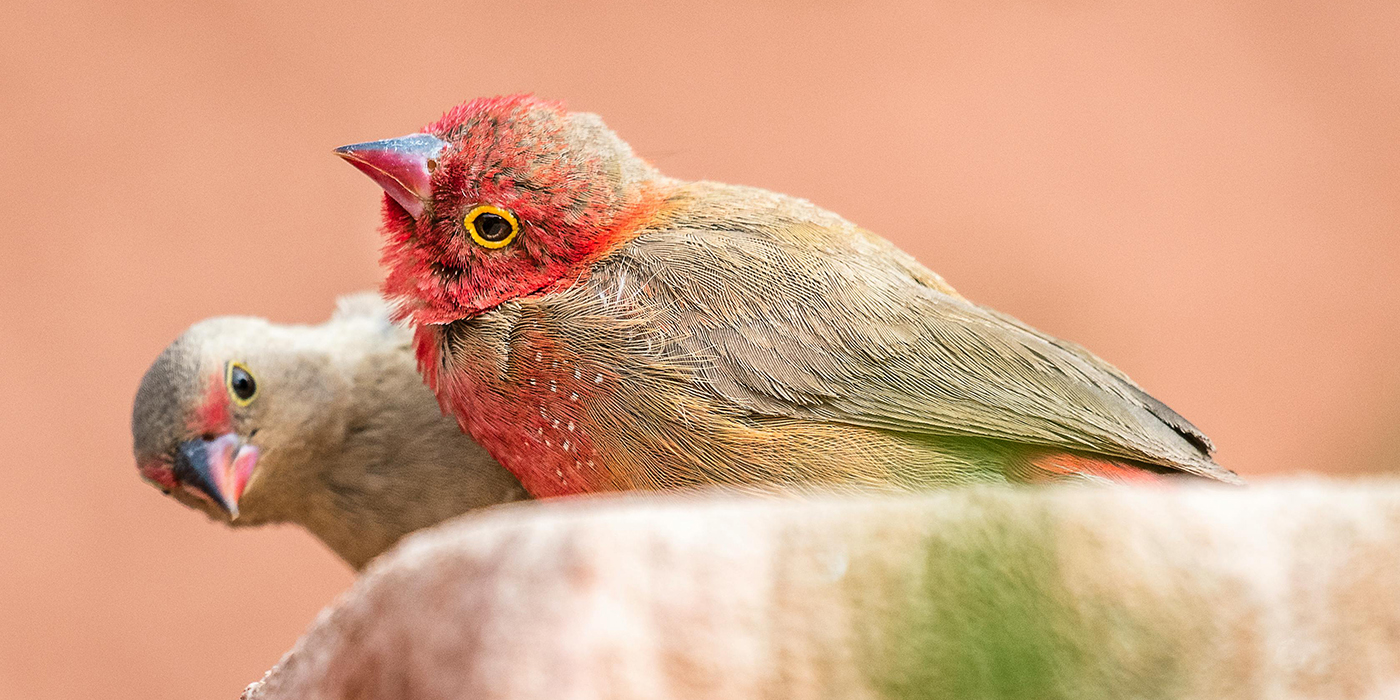
Two bird populations overlap here. On one side, the winter visitors from Europe and Iceland: black-tailed and bar-tailed godwits, common redshanks, turnstones, whimbrels, avocets, ducks by the thousand, ospreys. On the other, Africa’s own birds, present all year round: great white and pink-backed pelicans, flamingos, cormorants, herons and egrets, saddle-billed storks, goliath herons, kingfishers. On the same mudflat, you can tick off a species from the Arctic Circle and another that has never left the continent.
This stopover is fragile: Djoudj has twice been placed on the List of World Heritage in Danger. And it is often local people who look after the sites: women replanted the mangrove at the Somone, villages run the Palmarin reserve.
Formats: from a three-hour outing to a stay on the edge of the park
- The pirogue to the pelicans: the great Djoudj classic, as a half-day or full-day trip from Saint-Louis, with about an hour and a half on the backwaters up to the edge of the great white pelican colony.
- A stay on the edge of Djoudj: one night on site so you are at the water’s edge as soon as it opens, with a visit to the village next to the park.
- The Langue de Barbarie: two and a half to three hours, by pirogue from the Gandiol shore, to the sandbanks where gulls and terns nest.
- Guided outing from Saint-Louis: from an hour and a half to several days, taking in Djoudj, Guembeul and the Langue de Barbarie.
- Birdwatching and photo safari in the Saloum: from two hours to half a day in the bolongs (tidal creeks), timed for the morning or evening light.
- Pirogue circuit in the delta: a half-day or full day from Ndangane, island to island, at a flat rate for the whole pirogue.
Where to go birdwatching in Senegal
- Djoudj, some sixty kilometres north of Saint-Louis: the benchmark, for its great white pelican colony, its flamingos, spoonbills and ducks. Entry is charged per person, plus a vehicle fee: payable on site and not included in the price. See also our Djoudj National Bird Sanctuary page.
- The Langue de Barbarie: south of Saint-Louis, the national park created in 1976 at the tip of the sand spit. People come for the gull and tern colonies, reached by pirogue from Gandiol. Park entry payable on site and not included in the price.
- Guembeul Reserve: about ten kilometres south of Saint-Louis, a brackish lagoon designated a Ramsar Site in 1986, one of the country’s main nesting sites for avocets, with flamingos, spoonbills and godwits. Visit on foot with an eco-guide; entry and eco-guide paid on site.
- The Sine-Saloum: the delta became a UNESCO World Heritage Site in 2011. From Ndangane in the north or Toubacouta in the south, the pirogue heads for the evening roosts. Further out, on the south-western fringe of the delta, Île aux Oiseaux (Bird Island), a small uninhabited sand island, hosts a large breeding colony of royal terns, a longer trip organised from Toubacouta. Depending on the route, the national park entry fee is payable on site and not included in the price.
- Palmarin: the Saloum’s gateway to the ocean, a community nature reserve created by the villages in 2001 and designated a Ramsar Site. Pink-backed and great white pelicans, flamingos, saddle-billed storks and goliath herons on the lagoons and the tann (salt flats). Community entry fee payable on site.
- The Somone, on the Petite Côte: the easiest lagoon to reach, a reserve since 1999 and a Ramsar Site since 2017. Herons, egrets, pelicans and terns all year round, migrants on the mudflats from November to March. See also our Somone lagoon page.
- The Technopole, in Pikine, in Dakar Region: a last large remnant of the Niayes wetlands right in the city, designated an urban nature reserve in 2019, where resident and migratory birds stop. The site is under heavy urban pressure: go with a guide.
When to go birdwatching
The main season follows the migrants’ calendar: November–April, during the dry season, when birds from the north winter on the wetlands. The heart of the window is December–February: that is the peak at Djoudj, the air is still bearable and numbers are at their highest. March and April are still very good on the Petite Côte and in the Saloum, where some birds start to nest, as long as you head out early.
From July to October, during the rainy season (hivernage), Djoudj is closed and the tracks in the north become difficult. Africa’s birds stay, but heat and mosquitoes make outings less pleasant.
During the day, everything happens at either end. At dawn, the birds feed and the light is low; in the late afternoon, they head back to their roosts. On the lagoons and in the bolongs, the tide is in charge too: on a falling tide, the mudflats are exposed and the waders gather there. Let your guide set the departure time.
Good to know & budget
Binoculars make all the difference: at least one pair between two, and your guide often brings a telescope for the big stretches of water. Bring a hat, sunscreen, water, neutral-coloured clothes, and insect repellent for the evening. Keep cash in small notes for the entry fees. On the pirogue, you speak quietly, keep your life jacket on and never ask the boatman to go closer to a colony: distance protects the nesting birds.
On Que Faire Sénégal, the price shown is the price of the service. Most trips in this section are priced per person; the pirogue circuit from Ndangane is a flat rate for the whole pirogue: if there are several of you, compare. You pay 20% to secure your booking (the booking fee). The balance is paid on site, on the day of the trip. If you live in Senegal, you get the resident rate: up to 30% off (the exact rate is shown on each listing). Park and reserve entry charges (Djoudj, Langue de Barbarie, Guembeul, the Palmarin reserve and, depending on the route, the Saloum park or the Somone reserve) are official fees, payable on site and not included in the price. No discount applies to them.
Who is it for?
For experienced birders, Senegal makes it possible to line up Palearctic and African species in a single week, from Djoudj to the Saloum. Photographers find subjects close at hand from the pirogue. Beginners and families do not need to know a thing: the guide spots, names and tells the story, and an hour on the Somone lagoon is enough to spark a passion.
The resident has an advantage the traveller does not: you can come back. Pencil in Djoudj for December and make it the heart of a weekend in Saint-Louis, arriving on Friday evening and setting off before dawn on Saturday. Keep the Somone or Palmarin for other Sundays: with the resident rate, these trips can be repeated every season. The visitor, meanwhile, should above all avoid two mistakes: doing Djoudj as a day trip from Dakar, when you spend the day on the road for an hour and a half on the water, and coming in August for the migrants. Stay overnight in Saint-Louis or in the delta, and plan your trip between December and February if birds are the reason you are travelling.
One summer, in Scotland, a young osprey is fitted with a lightweight tracker on its back. It sets off for Africa, like the rest of its kind, then the tracker goes silent. Those following it believe it lost, until the day birdwatchers photograph it, alive and well, on the Senegalese coast. Other Scottish ospreys fitted with trackers have been followed to the bolongs of the Sine-Saloum, the mouth of the Senegal River and the marshes of Casamance. The osprey you see fishing in a bolong may well, come spring, be fishing in a loch.
Frequently asked questions
What is the best time for birdwatching in Senegal?
From November to April, during the dry season, when migrants from Europe and the far north winter on the wetlands. The peak is from December to February. Djoudj opens in November and closes during the rainy season.
Is the price per person or per boat?
Most trips in this section are priced per person. The pirogue circuit from Ndangane is a flat rate for the whole pirogue. Each activity’s listing says which.
Are park entry fees included?
No. At Djoudj, entry is charged per person, plus a vehicle fee. Guembeul, the Langue de Barbarie and Palmarin have their own too. These are official fees, payable on site, not included in the price and not discounted. The listing shows which ones apply.
Can I go birdwatching near Dakar?
Yes. The Somone lagoon, on the Petite Côte, is one to two hours away depending on traffic, and you explore it by pirogue on calm water. In Pikine, the Technopole urban nature reserve also hosts resident and migratory birds.
Is there a special rate for residents?
Yes. If you live in Senegal, you get the resident rate: up to 30% off depending on the activity (the exact rate is shown on each listing). It does not apply to park and reserve entry fees.