Podor: quays, fort and Île à Morphil on the river | QFS
Accueil » Points of interest – Saint-Louis region » Podor: the gum arabic trading post at the end of the river

Home › Locations › Saint-Louis Region › Podor: the gum arabic trading post at the end of the river

SAINT-LOUIS REGION

Podor: the gum arabic trading post at the end of the river

Podor grew rich thanks to the river, then was forgotten when the road took over. That is precisely what makes it the most unusual stop in the north: trading-post quays facing Mauritania, a restored fort and, beyond, Île à Morphil and its earthen villages.

Podor has to be earned, and that is the whole point. You have to drive for a day from Dakar, past Saint-Louis, Richard-Toll and the sugar cane fields, to reach Senegal’s northernmost town, set on the river facing the Mauritanian bank. What you will find there is not a tourist resort, but a former trading post that made its fortune from gum arabic, then fell asleep when trade left the river for the road. Come for its quays at sunset, for its fort and for Île à Morphil, which begins right on its doorstep: in Podor, slowness is not a flaw, it is the plan.

At a glance

RegionSaint-Louis Region, Podor department, in the heart of the Fouta Toro
TypeFormer river trading town: fort, quays, merchant houses, banco (mud brick) villages around it
Getting there from DakarJust under 500 km: a long day on the road, ideally broken by a night in Saint-Louis
Getting there from Saint-LouisAbout 210 to 230 km to the east, half a day on the road
Recommended timeOne night at the very least; two to three days for Île à Morphil
Official feesQuays and town free to explore: no additional official fees. A possible admission charge at the fort museum, payable on site and not included in the price
Best time to goNovember–February, for bearable heat; December for the Les Blues du fleuve festival
Related QFS activitiesGuided cultural tours, traditional sites & villages, pirogue trips, vehicle with driver

Resident or visitor: two ways to reach the end of the river

Do you live in Senegal? Podor is the trip you keep putting off because it is so far. Make it your big getaway of the year: a long weekend of four or five days is enough to travel up the river from Saint-Louis, with a stop at Djoudj or Lac de Guiers, and two nights in Podor. The best excuse of all is the Les Blues du fleuve festival in December: the town takes on a whole new face for three evenings. On activities booked with QFS, you get the resident rate: up to 30% off depending on the activity.

Just passing through? Podor is not a there-and-back trip, nor even something to do from Dakar in a single stretch if you want to enjoy it. Build it into a tour of the north, heading east from Saint-Louis, and arrange a vehicle with driver: beyond the town, the villages of Île à Morphil are not served by public transport. Here, there are no beaches and no souvenir shops: just a river, earthen architecture, a very vibrant Haalpulaar culture, and heat that has to be taken seriously.

The trading post the river made and the road unmade

A fort to hold the gum trade

Before groundnuts, before sugar, the great wealth of the Senegal River was called gum arabic. This resin, harvested from the acacias of the Sahel, was used in Europe for finishing fabrics, in pharmacy and in confectionery. To control this trade, the French East India Company (Compagnie des Indes) set up a first fortified post at Podor in 1744. The site was not chosen at random: it was close to the escales, the river trading stops where caravans from the north exchanged gum for cloth and European goods.

A century later, in 1854, the post was rebuilt and reconfigured under Louis Faidherbe, then head of the colony, at a time when France was pushing upstream and coming up against the resistance of El Hadji Omar Tall, who was born a few kilometres away.

The quays, showcase of a forgotten prosperity

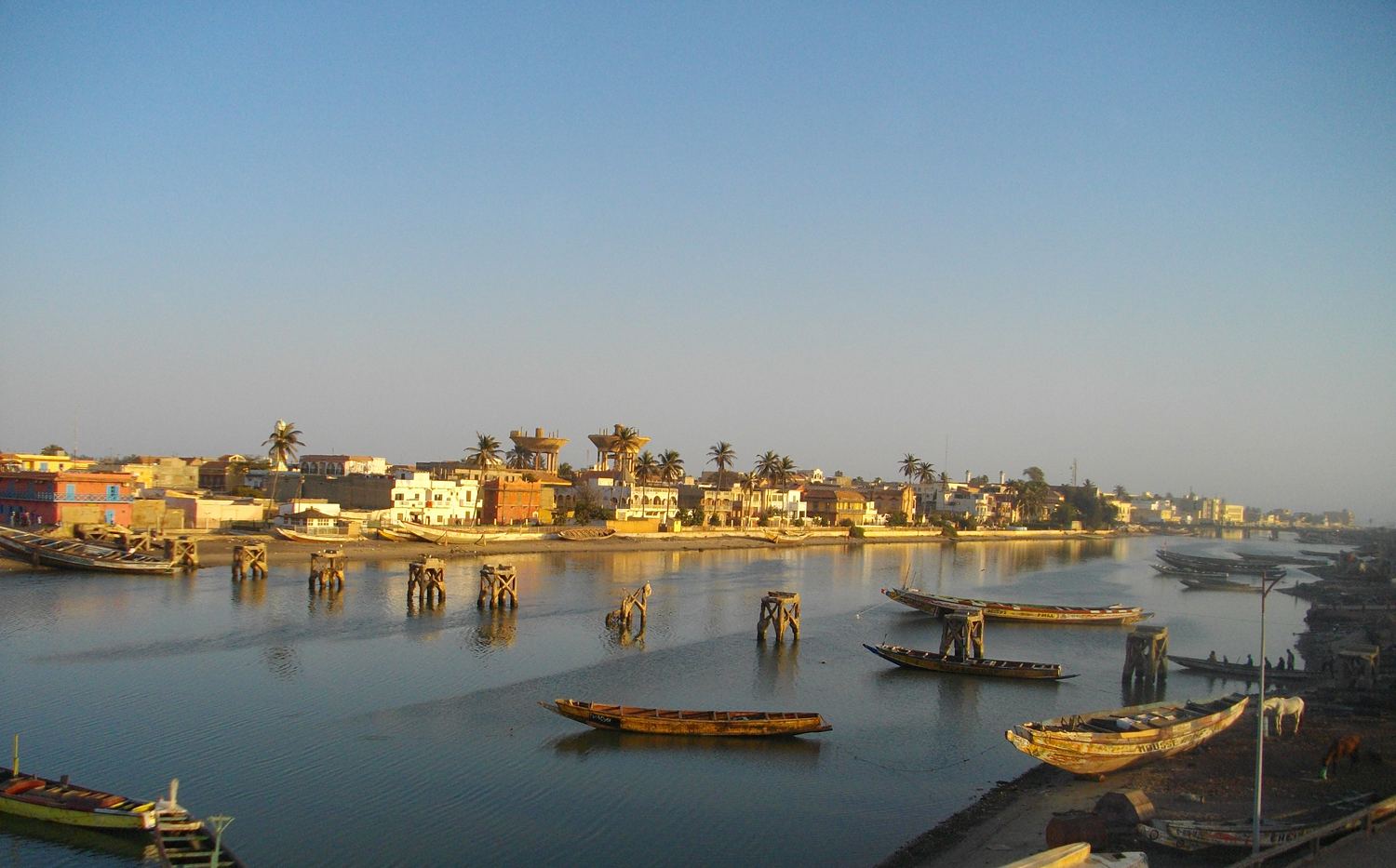
In the 19th century, Podor lived to the rhythm of the boats. Some ten large merchant houses lined the river: warehouses on the ground floor, living quarters upstairs, arcaded façades facing the water. Gum and millet were loaded here; cloth and goods from Europe were unloaded. Then, in the 20th century, trade switched to the road and the railway, far from the river, and Podor declined. It was this decline that saved its quays: nobody had the money to knock them down and rebuild. Several façades have been restored, while others remain fragile; together, they make up one of the most striking riverside settings in the country.

The restored fort, a heritage to keep an eye on

The fort was restored in the early 2000s with the support of French development cooperation, and reopened to the public in 2006. It houses an exhibition devoted to the history of Podor and its region. The Senegalese press regularly points out that the building remains fragile, for lack of maintenance funding: cracked walls, limited facilities. Go there without expecting a major museum, but for the view from the ramparts, which takes in the river and the Mauritanian bank, and to understand in an hour what the valley has been through.

Île à Morphil, cradle of Takrur

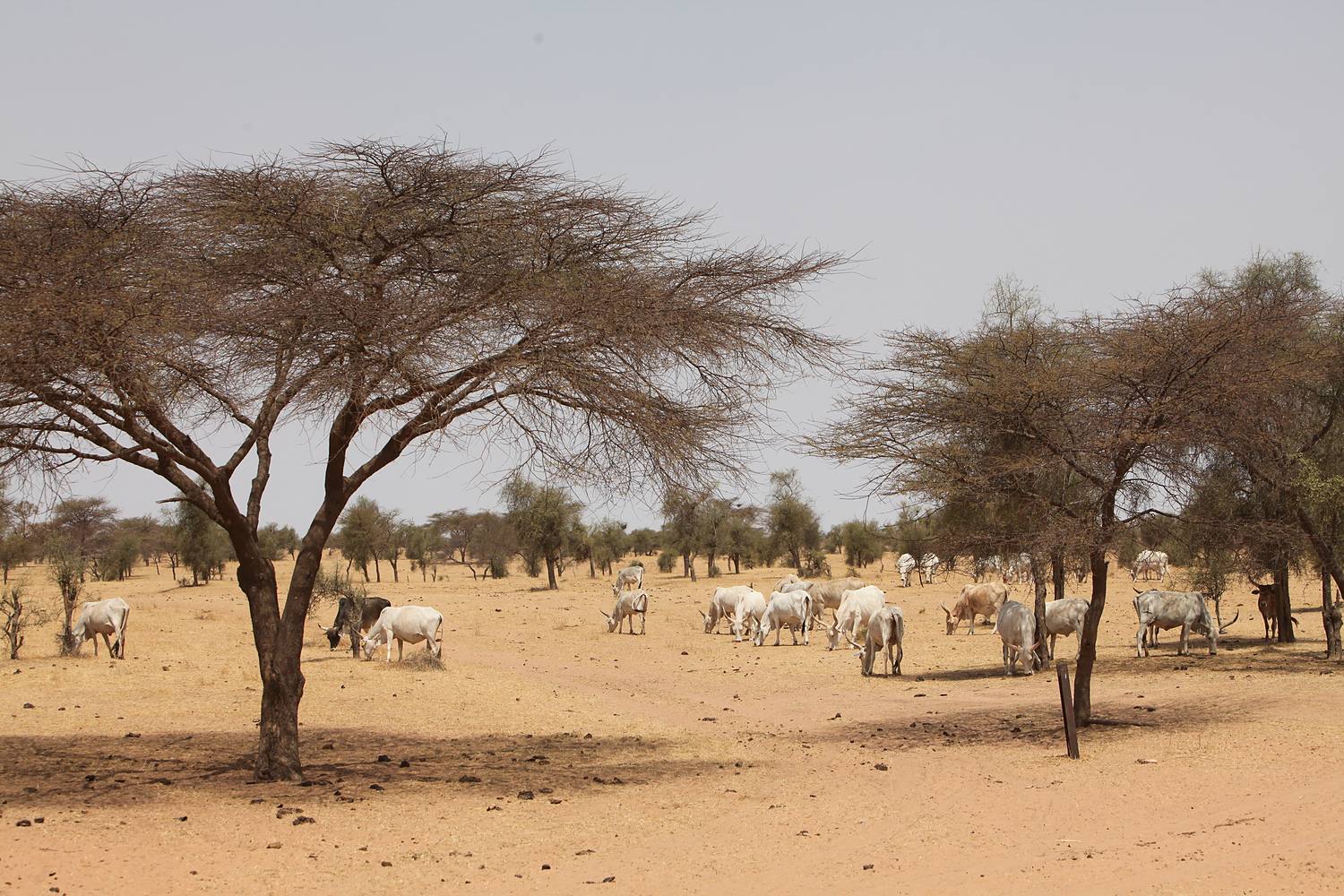
The town occupies the western tip of Île à Morphil, a very long river island, more than 100 km in length, lying between the Senegal River to the north and its branch, the Doué, to the south. Its name comes from an old French word, “morfil”, which meant raw ivory, a reminder of the elephants that once lived there. Long before the trading posts, the island was the heart of Takrur (Tekrour), one of the first states in West Africa to convert to Islam. Today, the Fouta Toro remains Haalpulaar land, deeply Muslim, where people speak Pulaar and where raw earth architecture has kept its full place.

Baaba Maal and Les Blues du fleuve

Podor is also the home town of the singer Baaba Maal, born on the banks of the river, who became one of the great voices of Senegalese music by singing in Pulaar. In his home town, he founded the Les Blues du fleuve festival, which is usually held in December, over three evenings. The 17th edition took place in December 2025, with the singer’s traditional arrival by pirogue from the Mauritanian bank. The festival showcases musicians from the Fouta, Haalpulaar culture and the ties between the two banks: it is the best time to see Podor come alive, provided you book your accommodation early.

  • Wildlife reserves & parks

    Horse-cart ride in the Djoudj National Bird Sanctuary

    Djoudj National Bird Sanctuary · Full day


    From16 500 CFA
    Resident price14 025 CFA−15 %
  • Wildlife reserves & parks

    Guided half day at Djoudj National Bird Park

    Saint-Louis · Half-day (5h)


    From66 000 CFA
    Resident price62 700 CFA−5 %
  • Adventure & outdoors

    Guided excursions in Saint-Louis

    Saint-Louis · 1h30 to several days depending on the option


    From4 400 CFA
    Resident price4 180 CFA−5 %

Key facts & figures

FactFigure
LocationSenegal’s northernmost town, on the river, facing Mauritania
First fortified post1744, for the gum arabic trade
Fort rebuilt1854, under Louis Faidherbe
Fort restoredEarly 2000s, reopened in 2006
QuaysSome ten former 19th-century merchant houses
Île à MorphilMore than 100 km long, between the Senegal River and the Doué
Distance from Saint-LouisAbout 210 to 230 km by road
Distance from DakarJust under 500 km by road
Les Blues du fleuveUsually in December; 17th edition in December 2025

Getting there & official fees

By road. From Dakar, take the northern road via Thiès and Louga to Saint-Louis: allow 4 to 5 hours. From Saint-Louis, the national road runs east alongside the river, via Richard-Toll and Dagana, then reaches Podor along a road built on a dyke: allow half a day, including stops. Doing Dakar–Podor in one go is possible, but it makes for a very long day; it is better to sleep in Saint-Louis and set off early. Bush taxis and coaches serve the town, but to get around Île à Morphil afterwards, a vehicle with driver is the simplest solution.

By river. River cruises sometimes sail up the river from Saint-Louis to Podor. Schedules vary with the seasons: check before you build your itinerary around one.

Official fees. The quays, the town and the villages are free to explore: no additional official fees. The fort museum, run by the state, may charge for admission, payable on site and not included in the price of any activity.

What to see

  • The quays at sunset: this is the scene that defines Podor. The ochre façades of the former merchant houses, the pirogues shuttling back and forth to Mauritania, the townspeople coming to enjoy the cool air by the water. Take a long, slow walk, then sit down.
  • The fort: an hour is enough for the historical exhibition and the ramparts. Climb up for the view over the river and the opposite bank.
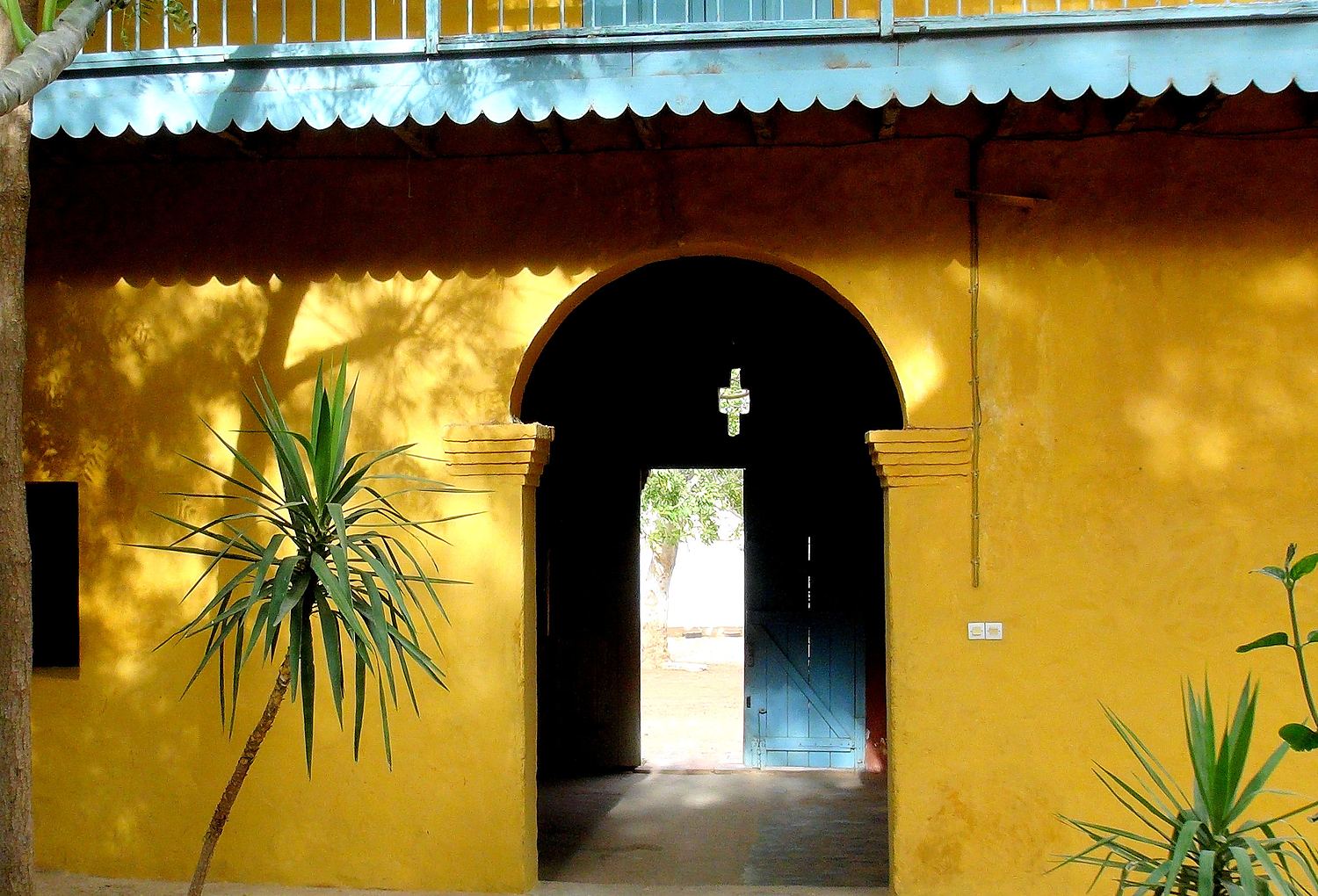
  • The old trading quarter: the streets behind the quays still have merchant houses, courtyards and warehouses, restored to varying degrees. Look at the details: arcades, balconies, doors.
  • Ngawlé: a few kilometres away, a village on the island known for its banco houses decorated with relief patterns moulded in clay.
  • Halwar: the birthplace of El Hadji Omar Tall, a few kilometres from Podor. It is a place of pilgrimage: go there respectfully and in modest clothing.
  • The banco mosques: the island has several raw earth mosques, often described as Omarian, with ochre walls and massive buttresses. Admire them from the outside, unless you are invited in.
  • The crafts of the Fouta: indigo dyeing, pottery (the large jars that keep water cool), weaving. A local guide will know how to take you to the workshops that welcome visitors.
  • Adventure & outdoors

    Bike rental and cycling tour of Saint-Louis

    Saint-Louis · 1h – 8h


    From2 200 CFA
    Resident price2 090 CFA−5 %
  • Adventure & outdoors

    Guided excursions in Saint-Louis

    Saint-Louis · 1h30 to several days depending on the option


    From4 400 CFA
    Resident price4 180 CFA−5 %
  • Excursions & adventures

    4×4 excursion from Saint-Louis: bush and villages

    Saint-Louis · Half-day (~4h)


    From38 500 CFA
    Resident price36 575 CFA−5 %

Nearby

Podor is the end point of the journey up the river described on our Saint-Louis Region page. Heading back west, Lac de Guiers, south-west of Richard-Toll, shows the river’s other face: the one that keeps Dakar’s taps running. Further on, the Djoudj National Bird Sanctuary (see also Djoudj) draws huge numbers of migrating birds in the dry season. Saint-Louis remains the natural base for the trip, with the Langue de Barbarie and Guembeul Reserve towards the river mouth, in Gandiol. On the road back to Dakar, the Lompoul desert (see Lompoul) offers a night in the dunes to break the journey.

The right time

By season. From November to February, the nights are cool and the days bearable: this is the best window, and December adds the festival. From March, the heat rises quickly; from April to June, Podor endures some of the harshest heat in the country, and the afternoons become gruelling. The rainy season (hivernage), from July to October, brings some rain, the river in flood and tracks on Île à Morphil that are sometimes cut off; in return, the landscape turns green.

By time of day. Do as the locals do: visits early in the morning, a siesta in the shade in the early afternoon, and out onto the quays as the light fades.

Sunset. Here the river flows from east to west: from the quays, you watch the sun go down over the water, downstream, while the pirogues cross. The fort’s ramparts offer a higher viewpoint, if they are open at that time.

Practical tips

  • Heat: a hat, sun protection and plenty of water, even in the cool season. Do not plan anything strenuous between midday and 16:00.
  • What to wear: the Fouta is a very Muslim region; cover your shoulders and knees in the town and in the villages alike, and all the more so in Halwar and around the mosques.
  • Photos: always ask before photographing a person, a house or a courtyard. The quays and the river can be photographed freely.
  • Border: the opposite bank is Mauritania. Only cross with your papers in order and through an official border post.
  • Cash: bring small notes; bank cards are rarely any use beyond Saint-Louis.
  • Accommodation during the festival: the town has little capacity; book well in advance or stay in a neighbouring town.
  • Île à Morphil: set off with someone who knows the tracks; depending on the season and the flood, some villages can only be reached by ferry or by pirogue.

Book an activity here with QFS

In Podor, the best experiences come with someone who knows the history and the villages. For the fort, the quays and Halwar, see the guided cultural tours and traditional sites & villages. To see the town from the water, choose from the pirogue trips; on the way to Djoudj, birdwatching rounds off the trip. To travel up the river at your own pace, vehicle hire with driver and intercity transfers are the most flexible options; if you are arriving by air, see the airport / Saint-Louis transfers.

You pay 20% to secure your booking (the booking fee), and the balance is paid on site, on the day. As the town and the quays are free to explore, there are no additional official fees to see them; any admission charge at the fort museum is payable on site and not included in the price. If you live in Senegal, you get the resident rate: up to 30% off depending on the activity (the exact rate is shown on each listing).

Frequently asked questions

Where is Podor?
In the far north of Senegal, in Saint-Louis Region, on the Senegal River facing Mauritania. The town occupies the western tip of Île à Morphil, in the heart of the Fouta Toro.
How long does it take to get to Podor?
Allow a long day from Dakar, for just under 500 km, and half a day from Saint-Louis, which is about 210 to 230 km away. The most comfortable option is to spend a night in Saint-Louis on the way there.
What is there to see in Podor?
The quays and their former merchant houses, the restored fort and its historical exhibition, then Île à Morphil: Halwar, birthplace of El Hadji Omar Tall, Ngawlé and its banco houses, and the raw earth mosques.
When is the Les Blues du fleuve festival held?
Usually in December, over three evenings. Founded by Baaba Maal, a native of Podor, it held its 17th edition in December 2025. Book your accommodation early.

When is the best time to visit Podor?
From November to February, when the heat remains bearable. From April to June, the afternoons are gruelling, and during the rainy season some tracks on Île à Morphil may be cut off.
Do you have to pay to visit Podor?
No, the town, the quays and the villages are free to explore: no additional official fees. Only the fort museum may charge for admission, payable on site.

Read also