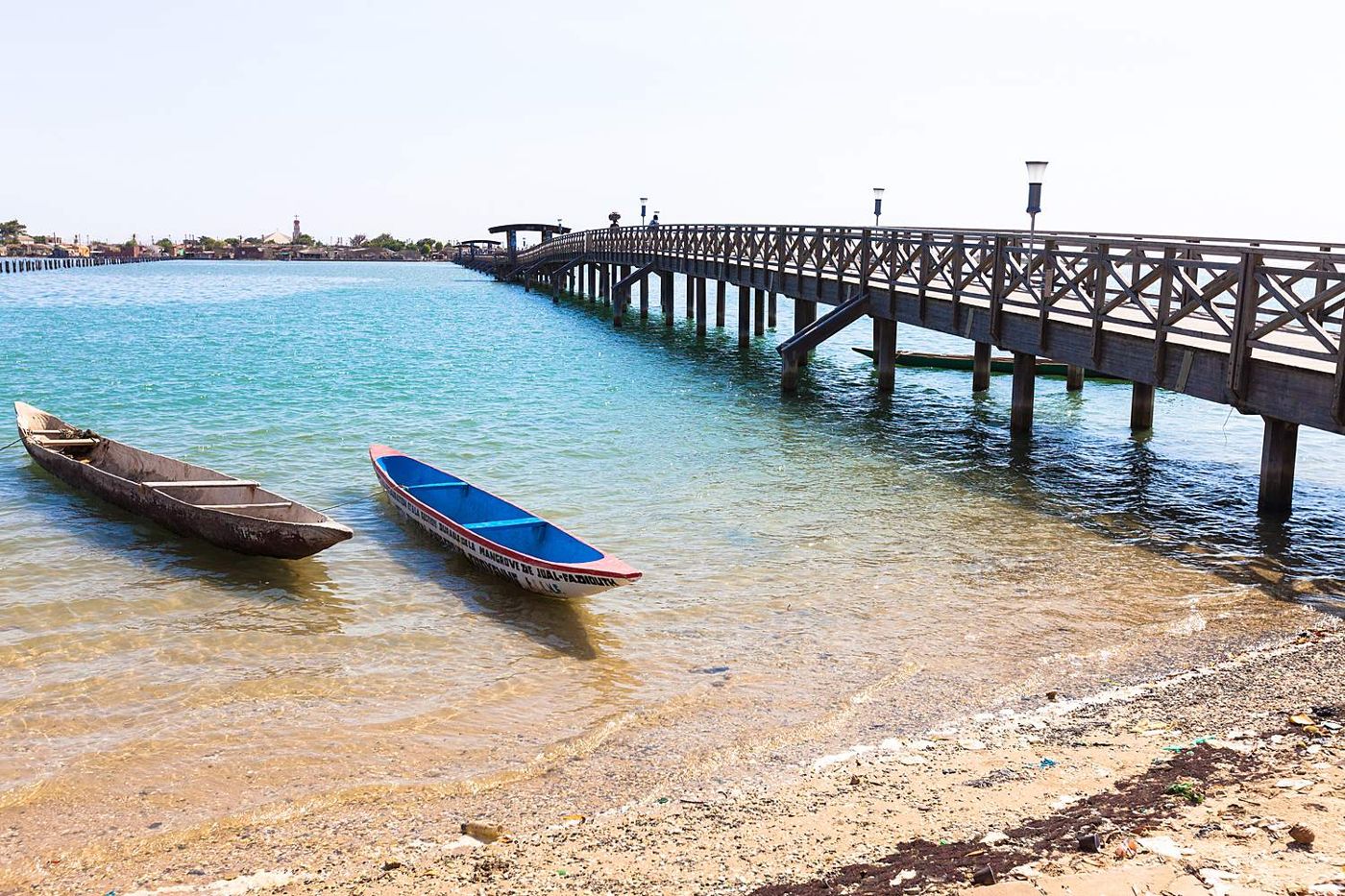
People often come to Dionewar for the pirogue ride, the sand and the calm of an island without cars. Stay for something else: this is one of the places in the Saloum Delta where you can see, with your own eyes, a very old way of life grappling with the ocean. Since the Sangomar spit gave way, Dionewar is no longer sheltered; the sea is eating away at the beach, coconut palms are falling, and the women who harvest oysters and ark clams have to go ever further by pirogue. Come as a respectful witness, not just a swimmer, and Dionewar will tell you about the delta better than any information board.
At a glance
| Region | Fatick Region, Foundiougne department, Niodior arrondissement, Dionewar commune |
| Type | Inhabited island in the Gandoul islands, Niominka fishing village, with no roads or cars |
| Getting there from Dakar | About 3 to 4 hours by road to Djifère depending on traffic, then half an hour or more by pirogue |
| Recommended time | A day at least; a night on the island to experience it in the evening and early morning |
| Official fees | No ticket office when you arrive on the island; depending on the route, the Saloum Delta National Park entry fee may apply, payable on site and not included in the price |
| Best time to go | Dry season, November to May; cross in the morning |
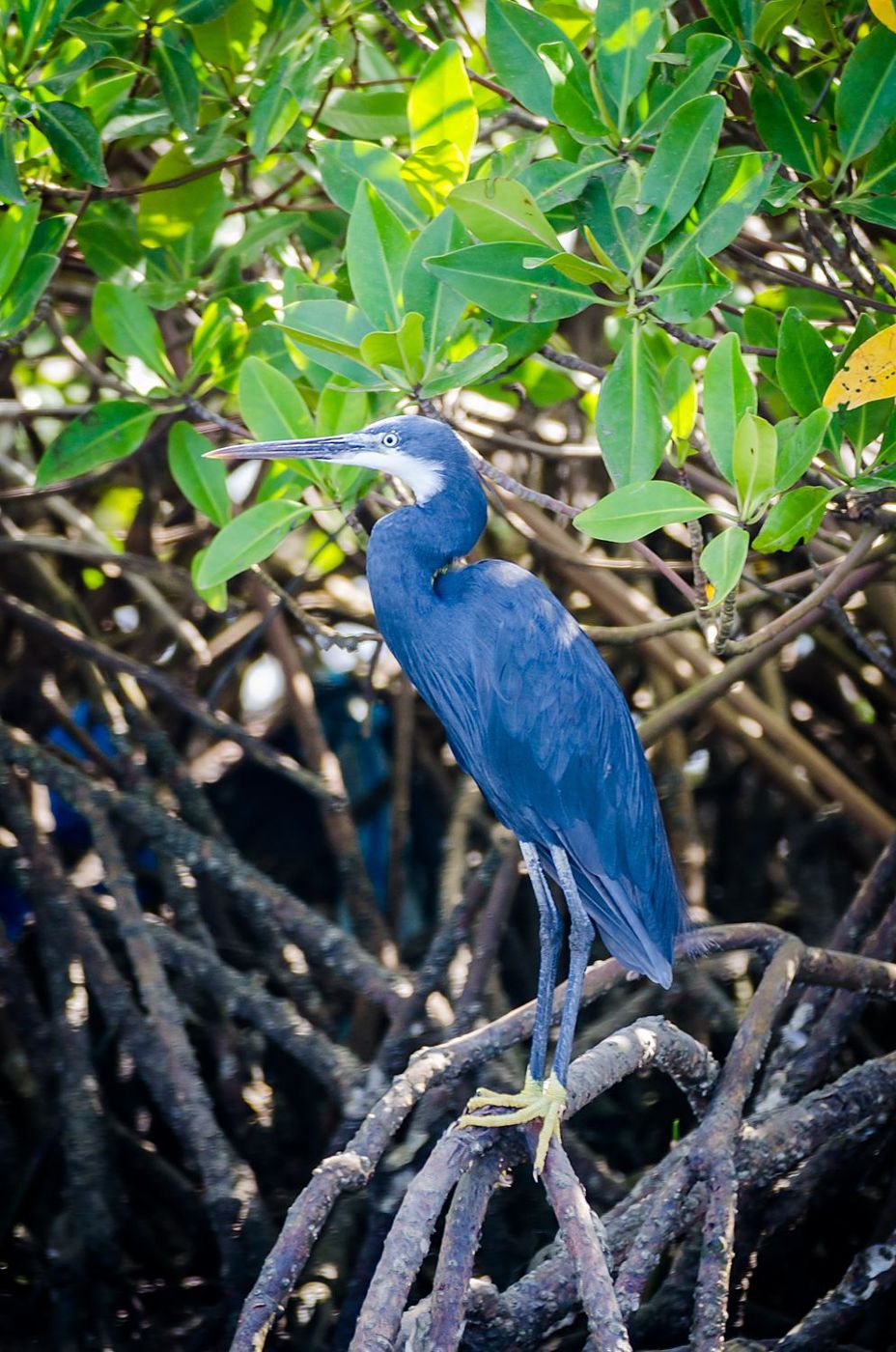
| Related QFS activities | Island excursions, pirogue transfers, trips through the bolongs (tidal creeks), traditional villages, birds, kayaking |
Resident or visitor: two ways to approach the island
Live in Senegal? You probably know Mar Lodj or Toubacouta, but rarely the Gandoul islands. Dionewar is the right weekend to take that step: drive to Palmarin on Friday evening or early on Saturday, take the pirogue at Djifère during the morning, spend the night on the island, head back on Sunday afternoon. Time the crossing to the tide and the weather rather than to your watch. On activities booked through QFS, you get the resident rate: up to 30% off.
Just passing through? Do not make Dionewar a one-hour stop between two bolongs. The village is discovered on foot, by greeting people, by accepting a glass of tea. Allow a proper day, or better still a night, and cash in small notes: the island runs on cash. And remember that you are entering a village where people work hard, not a holiday backdrop.
A Niominka island, between bolongs and the Atlantic
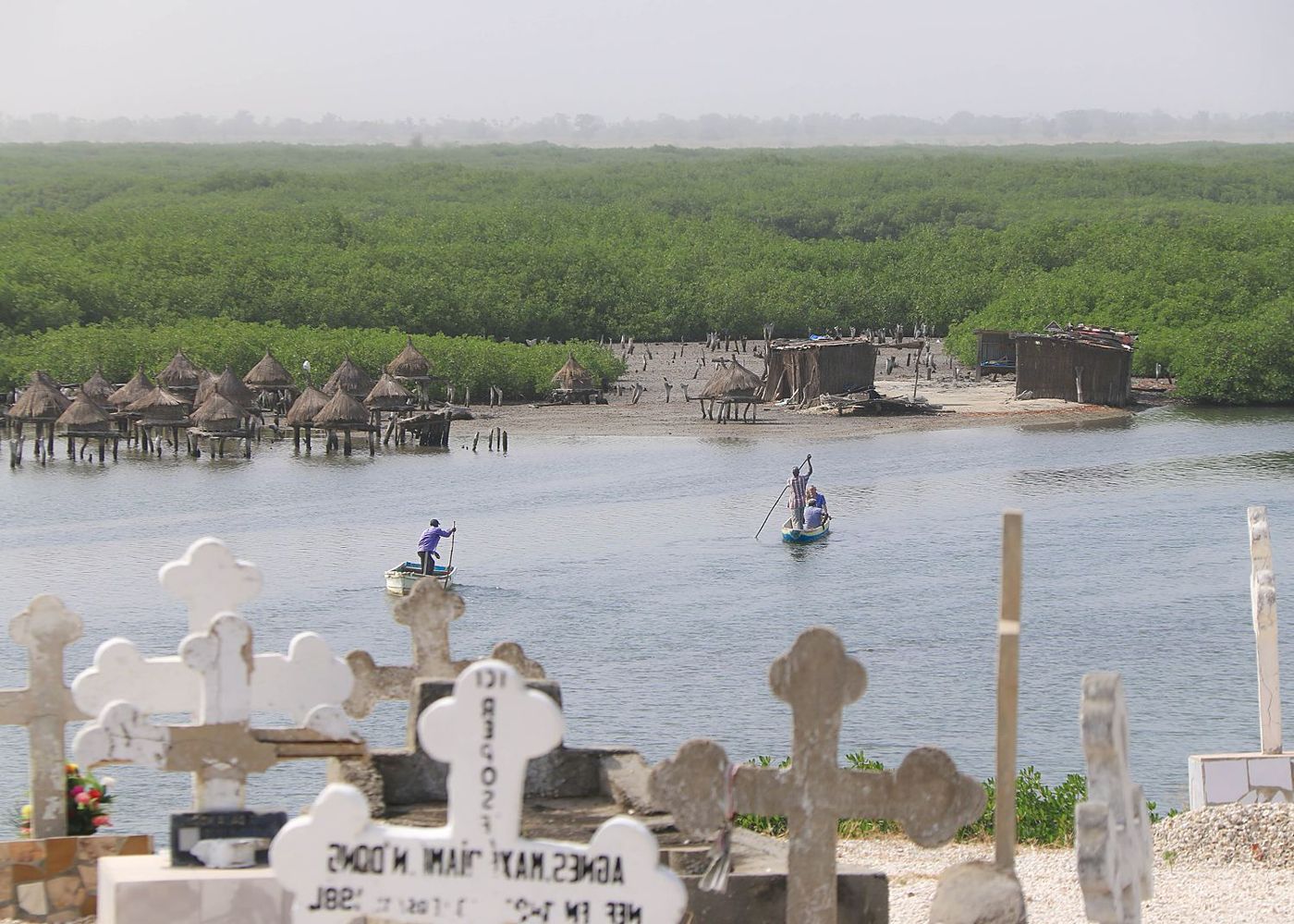
Dionewar belongs to the Gandoul, the group of islands in the west of the delta that includes, among others, Dionewar, Niodior and Falia. This is the land of the Niominka, a community now considered part of the Serer, whose name comes from Mandinka. Here, the division of labour is old and plain to see: the men go fishing, the women gather shellfish, and rice and millet are grown too when the land allows. The Niominka have long had a reputation as seafarers, and the pirogue remains the only link with the rest of the world.
Here, memory is passed on first and foremost through oral tradition, and nearby Sangomar remains a sacred place in the Serer religion. The village is mainly Muslim, but in the Gandoul, Islam, Christianity and Serer beliefs have lived side by side for a long time, and kinship often comes before religion.
The women, the oysters and the ark clams
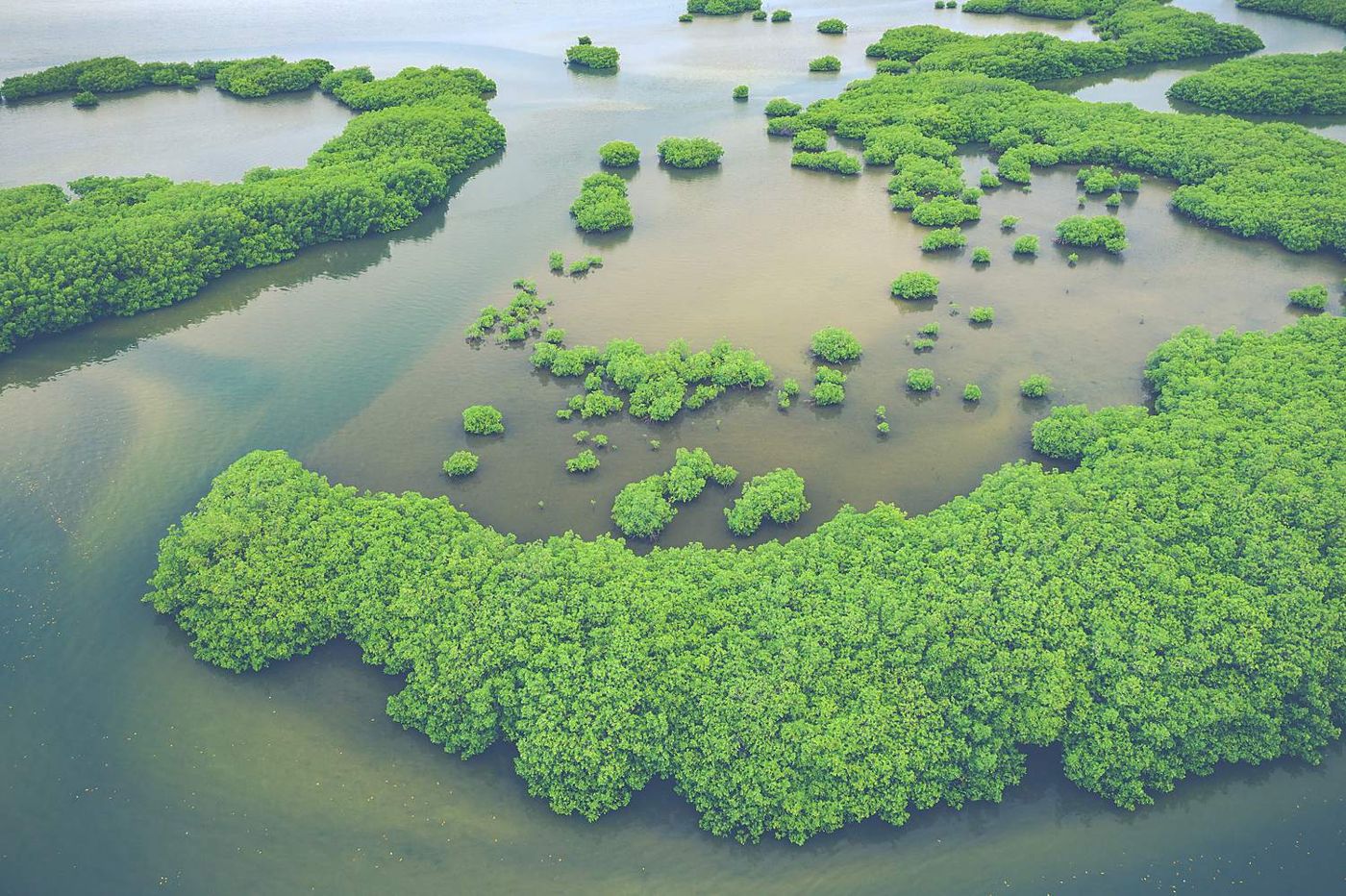
Dionewar’s economic heart can be read on the foreshore and in the mangroves. At low tide, the women set off by pirogue to prise the oysters off the mangrove roots and gather ark clams, the bivalves of the delta’s mudflats. Back in the village, they process them: the shellfish are boiled, shelled, dried or smoked, as is part of the fish brought ashore. Organised in women’s groups, they observe closed seasons in the delta to let the beds recover.
This work has become harder. Resources are growing scarce, the gatherers have to go further afield, and several groups in the Gandoul are turning to aquaculture, market gardening or canning. If you come across a drying or smoking area, ask before approaching: it is a workplace, often a vital source of income for the family.
The sea on the doorstep
This is Dionewar’s other face, and the most striking. In 1987, the ocean broke through the Sangomar sand spit, which protected the islands. Since then, Dionewar has taken the full force of the Atlantic waves. The beach retreats year after year, uprooted coconut palms lie on the sand, buildings have collapsed and residents fear for their cemetery. The land is becoming salty and harvests are falling. The islanders replant mangroves every year and put up barriers to hold back the sand, but the sea often takes back more than is won from it.
You are not here for disaster tourism. But understanding this changes how you see things: the beach you are walking on is a front line, and every mangrove tree planted is an act of resistance.