


Lieux emblématiques
Great Mosque of Touba: entering the holy city as a guest
In Touba, you do not arrive as a tourist but as a guest of the Mouride brotherhood. The history of the mosque,…
Read the article ›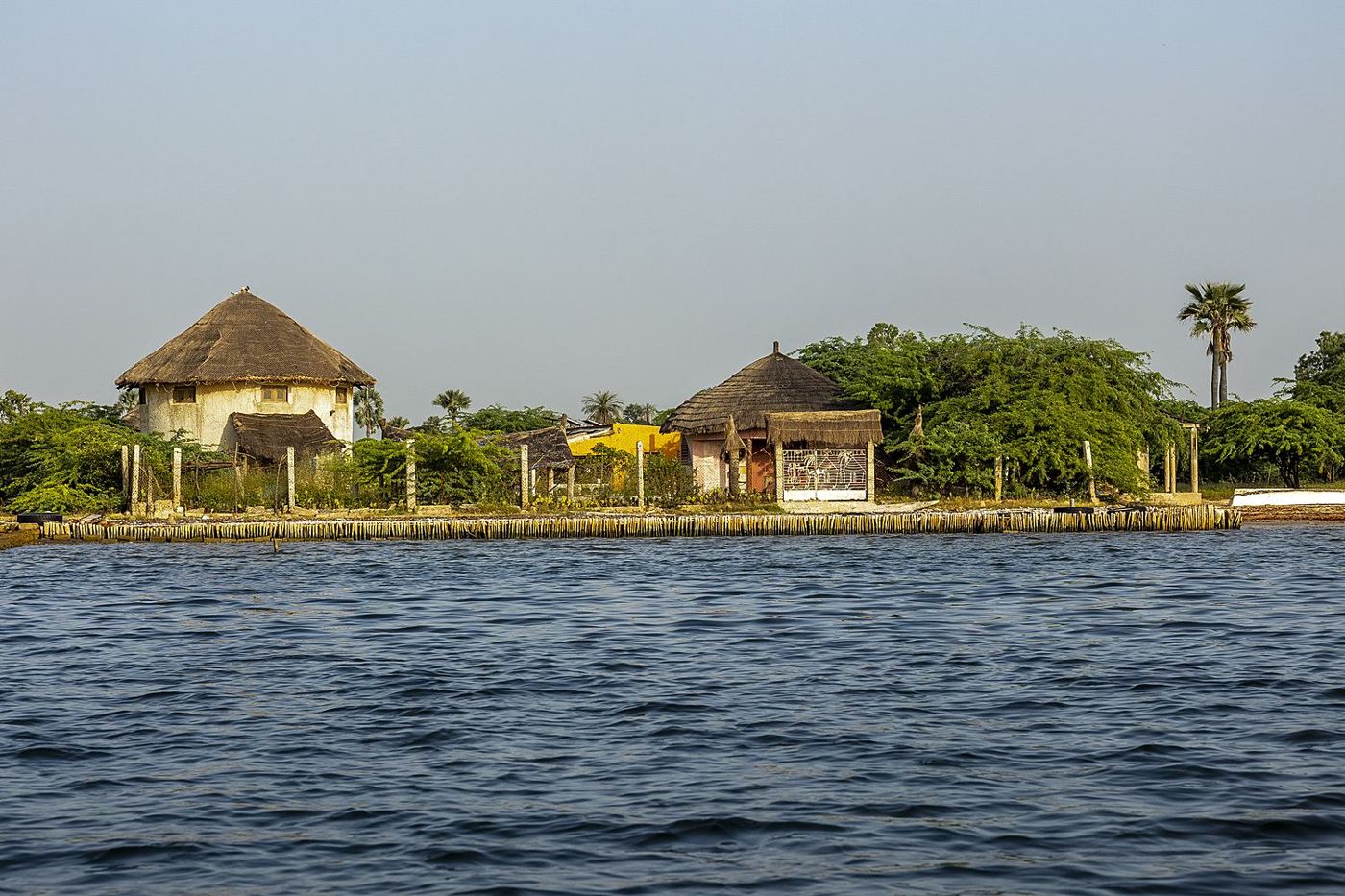
Home › Locations › Fatick Region › Mar Lodj › Mar Lodj: the Saloum island with no roads, no ticket office and no borders between faiths
FATICK REGION
A quarter of an hour to half an hour by pirogue from Ndangane, Mar Lodj is defined by what it does not have: no cars, no entry fee, no wall between those who pray differently. Here is how to explore it, village by village, without rushing through.
Mar Lodj is better understood through what it lacks than through what it offers. No road, no cars, no ticket office on arrival, and above all no border between the church, the mosque and the sacred trees that share the same sand. Many visitors cross it in two hours, between two bolongs (tidal creeks) on a “Saloum islands” excursion. We suggest the opposite: land on Mar Lodj, forget your watch, and let the horse cart, the tide and the villages set the pace. The island’s most precious things cannot be photographed; they have to be observed.
| Region | Fatick Region, Fatick department, Fimela commune; an island in the north of the Saloum Delta, opposite Ndangane |
| Type | Inhabited Serer island with no cars; several villages and a fishing hamlet |
| Villages | Mar Lodj (also spelt Mar Lothie), Mar Fafaco (or Fafako), Mar Soulou, and the hamlet of Wandié |
| Getting there from Dakar | About three hours by road to the Ndangane landing stage, a little more depending on traffic, then 15 to 30 minutes by pirogue |
| Recommended time | Half a day for the essentials; one or two nights to really experience the island |
| Official fees | No entry fee for the island: no additional official fees |
| Best time to go | The dry season, November–April; early morning and late afternoon |
| Related QFS activities | Pirogue trips, island excursions, birdwatching, traditional sites & villages |
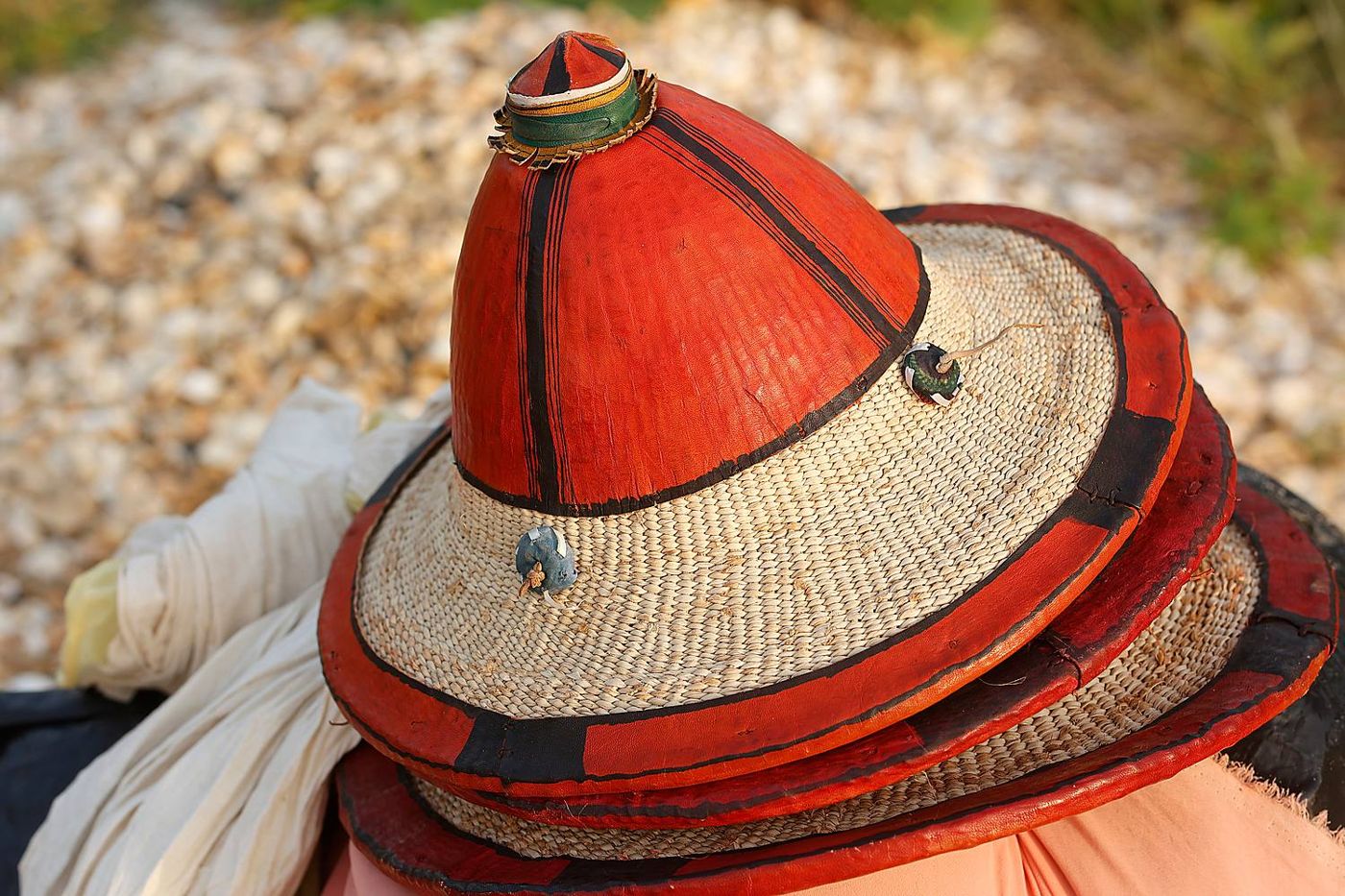
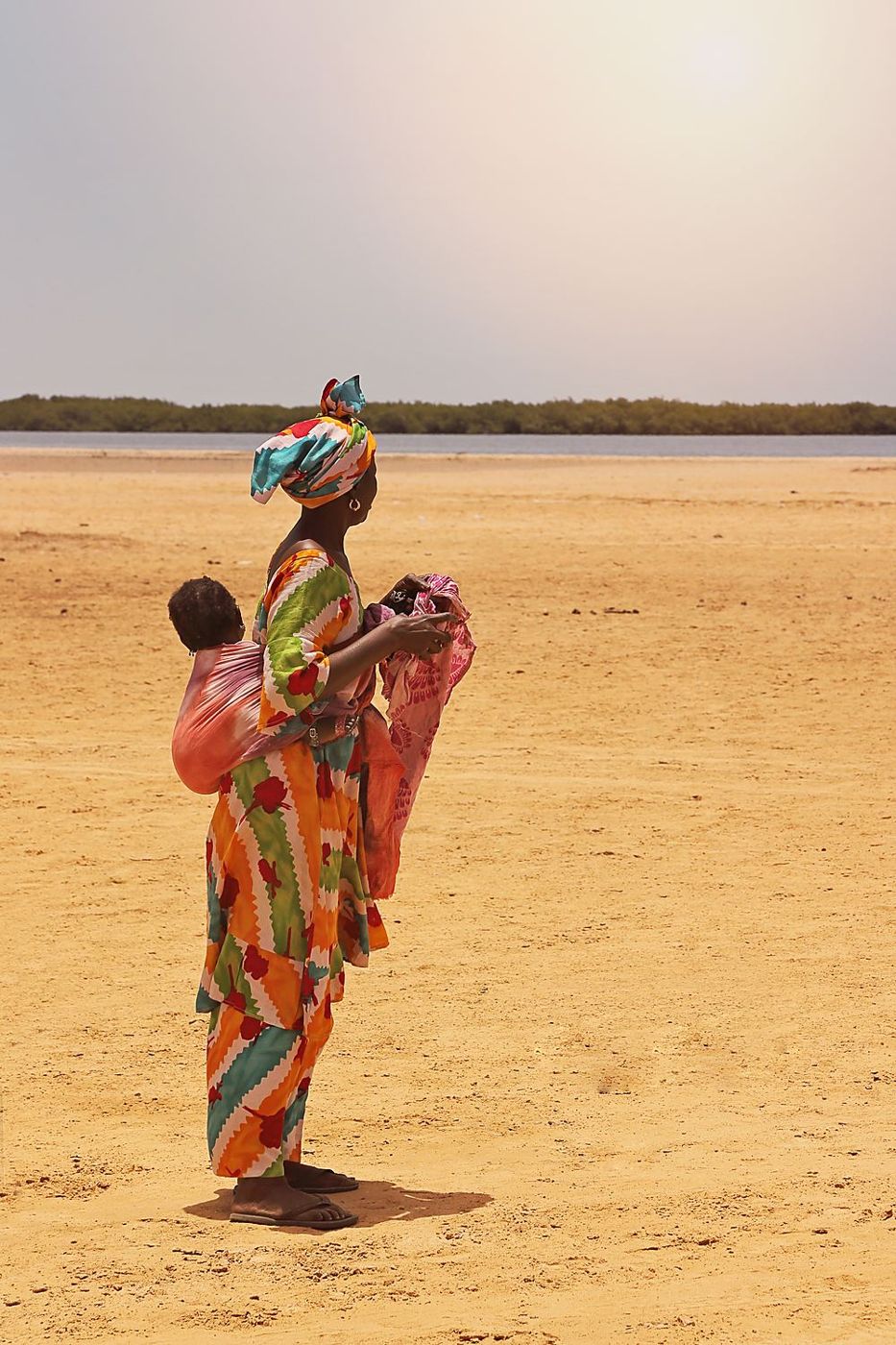
Live in Senegal? Mar Lodj is the antidote to the Dakar working week, and you do not need to take leave to enjoy it. Leave on Friday evening or at dawn on Saturday, catch a pirogue at Ndangane before noon, and there you are, somewhere with no horns and no engines on land. The resident’s smart move is to come back: in the dry season for the birds and the light, then once in the rainy season (hivernage) to see the island green and the rice paddies flooded. From Mbour, Saly or Joal, the drive is even shorter. On activities booked through QFS, you get the resident rate: up to 30% off.
Just passing through? Do not turn Mar Lodj into a lunch stop on a “Saloum” day trip that left Saly at dawn. You would spend more time on tarmac than on the island. Stay at least one night: in the evening, when the excursion pirogues have left, the island becomes a village again, and that is when it reveals itself. Bring cash and modest clothing for approaching places of worship, and accept that the programme comes down to three words: walk, look, greet.
Before it is a destination, Mar Lodj is a community of a few thousand people, mostly Serer, spread across several villages. Mar Lodj, which gave the island its name, and Mar Fafaco are the most populous; Mar Soulou is smaller, and Wandié is just a fishing hamlet. People here live off fishing, rice, millet and groundnuts, livestock and market gardening, and for some years now from small-scale tourism. Bear this in mind as you walk: every track leads to a family compound, a field or a fishing quay, not to an attraction.
The absence of cars is not a posted rule; it is a geographical fact. No bridge links the island to the mainland: everything arrives by pirogue, people and sacks of rice alike. On land, you get around on foot or by cart pulled by a horse or a donkey, on sandy tracks that wind between palm trees, small dunes and baobabs. The resulting silence is the first thing visitors notice, and often the thing they talk about most when they get home.
This is what makes Mar Lodj truly unique, and it fits into a single landscape. Three religious traditions live on the island: Islam, Christianity and the traditional Serer religion. Each has its own place.
The church in the village of Mar Lodj surprises with its round shape, reminiscent of a traditional hut. It houses a statue of a Black Madonna, and Sunday Mass there is set to the rhythm of singing and tom-toms. Not far away, the mosque brings together the island’s Muslim community. And near the church stand the three intertwined trees: a kapok tree, a palmyra palm and a cailcedra (African mahogany), three different species whose trunks have grown entwined with one another. Local people see them as the symbol of harmony between the island’s three faiths. It is not just a postcard emblem: the site remains sacred to the traditional religion, and rites are still performed there.
What stays with you, beyond the symbol, is ordinary life. In many families, several faiths live side by side, and one person’s festival is often another’s too. The best way to honour this harmony is to slip into it quietly: respectful dress, a low voice, and never a photograph of a rite or of someone at prayer without being invited.
Réservez votre sortie avec nos prestataires locaux. Le prix du service est distinct des éventuels coûts officiels réglés sur place.
3-day bivouac in the Sine-Saloum Delta with lion walk
Fathala · 3 days
Couples getaway in the Sine-Saloum Delta
Dakar · 2 days
| Fact | Figure | Note |
|---|---|---|
| Administrative area | Fimela commune, Fatick department and region | North of the Saloum Delta |
| Villages | Mar Lodj, Mar Fafaco, Mar Soulou, hamlet of Wandié | Mar Lodj and Mar Fafaco are the most populous |
| Population | A few thousand people, mostly Serer | Precise figures differ between sources |
| Crossing from Ndangane | 15 to 30 minutes by pirogue | Depending on the boat and the landing point |
| Cars on the island | None | Travel on foot or by cart |
| World Heritage | Saloum Delta listed by UNESCO in 2011 | As a cultural property |
| Three sacred trees | Kapok tree, palmyra palm, cailcedra | Near the church in the village of Mar Lodj |
Everything goes through Ndangane, the landing stage in the north of the delta. From Dakar, head down the Petite Côte towards Mbour, then on to Ndangane via Joal and Fimela, or by the inland road: allow about three hours, a little more depending on when you leave and the traffic getting out of Dakar. You leave your vehicle on the mainland side, then cross by pirogue: 15 to 30 minutes depending on the boat and where on the island you land. A shared shuttle and private pirogues make the crossing; when it is part of a booked activity, the listing says so.
As for fees, it is simple: the island has no ticket office, no tax and no entry ticket. There are no additional official fees. The only caveat applies to longer circuits: if your pirogue trip then heads deeper into other parts of the delta, the listing states whether a national park entry charge applies; if so, it is payable on site and not included in the price.
On the mainland side, Ndangane is the gateway and Fimela the neighbouring small town, on the road of baobabs and tann (salt flats); the village of Simal also opens onto the bolongs. For everything that can be booked on the island, see our Mar Lodj page.
Further west, Palmarin lines up lagoons and beaches facing the ocean, as far as Djifère and the Pointe de Sangomar. To the north, Joal-Fadiouth and its island of shells combine very well with Mar Lodj: another Serer island, another form of coexistence, with its shared cemetery. In the delta, the Gandoul islands, Dionewar and Niodior, extend the experience of an island without cars; to the south, Toubacouta, Sipo Island and the Fathala Reserve are visited from another gateway.
To understand the delta as a whole, its national park, its shell middens and its World Heritage status, read our Sine-Saloum Delta page, and for activities across the area, Sine-Saloum and Fatick Region.
Excursions, visites guidées et combinés : nos prestataires locaux organisent tout.
Sine-Saloum Region Discovery Day with Meal
Sine-Saloum · 8h
Tour of the Saloum Islands from Palmarin
Sine-Saloum · 4h
3-day bivouac in the Sine-Saloum Delta with lion walk
Fathala · 3 days
From November to April, the dry season is the most comfortable: milder air, calm boat trips, migratory birds on the mudflats. May and June are hotter but quiet. From July to October, the hivernage turns the island very green, but the heat is humid and the mosquitoes numerous: for well-equipped lovers of peace and quiet only.
During the day, two moments matter. Early morning, when the fishermen come home and the water in the bolongs is smooth. Late afternoon, for the cart ride among the baobabs, then the pirogue at sunset, engine off, as the mangroves turn black. If you are on the island on a Sunday morning, the tom-tom Mass at the round church is a powerful moment, to be experienced as a discreet onlooker. And stay the night: with no cars and little street lighting, the starry sky is unusually sharp for somewhere just a few hours from Dakar.
Activities on and around Mar Lodj are run by independent local professionals. For the bolongs and the mangroves, see pirogue trips; to combine Mar Lodj with other islands in the delta, island excursions; for herons, egrets and migrants, birdwatching; for the villages and places of worship, traditional sites & villages and guided cultural tours. Kayaks, under paddle, kayak & canoe, let you slip into the small channels without an engine. To get to Ndangane, consider intercity transfers and vehicle hire with driver.
The price shown is the price of the service. You pay 20% to secure your booking (the booking fee). The balance is paid on site, on the day, to the provider. For Mar Lodj, there are no additional official fees; if a circuit enters an area of the national park where a charge applies, the listing says so, and that charge is payable on site and not included in the price. If you live in Senegal, you get the resident rate: up to 30% off (the exact rate is shown on each listing).
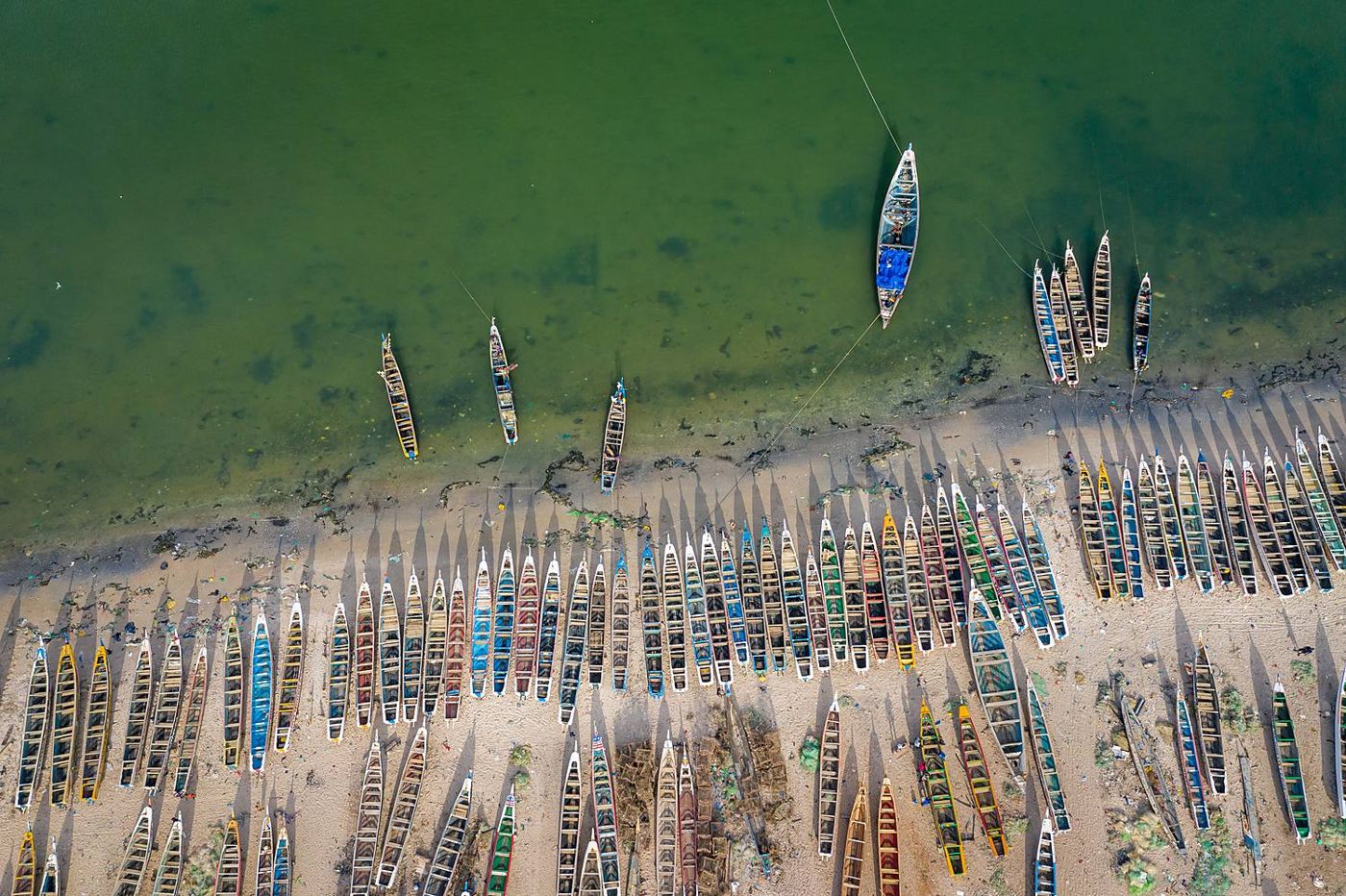
In Touba, you do not arrive as a tourist but as a guest of the Mouride brotherhood. The history of the mosque,…
Read the article ›A good share of the water that runs from Dakar's taps comes from a lake in the Sahel, some 250 km to…
Read the article ›A Diola island with no road or bridge, deep in the *bolongs* (tidal creeks) of Oussouye, where the impluvium houses are homes,…
Read the article › Every Thursday · AYTHIA ÑU DEM
Good deals, news and highlights from Senegal, straight to your WhatsApp.
 On a computer? Scan this code to join the channel.


