Dakar 2026 Youth Olympic Games: your guide to Africa’s first Olympic Games, from the stands
From 31 October to 13 November 2026, Dakar, Diamniadio and Saly will host the Youth Olympic Games, the first Olympic event in…
Read the article ›
Home › Locations › Saint-Louis Region › Gandiol › Langue de Barbarie National Park: the park the sea redraws every year
GANDIOL
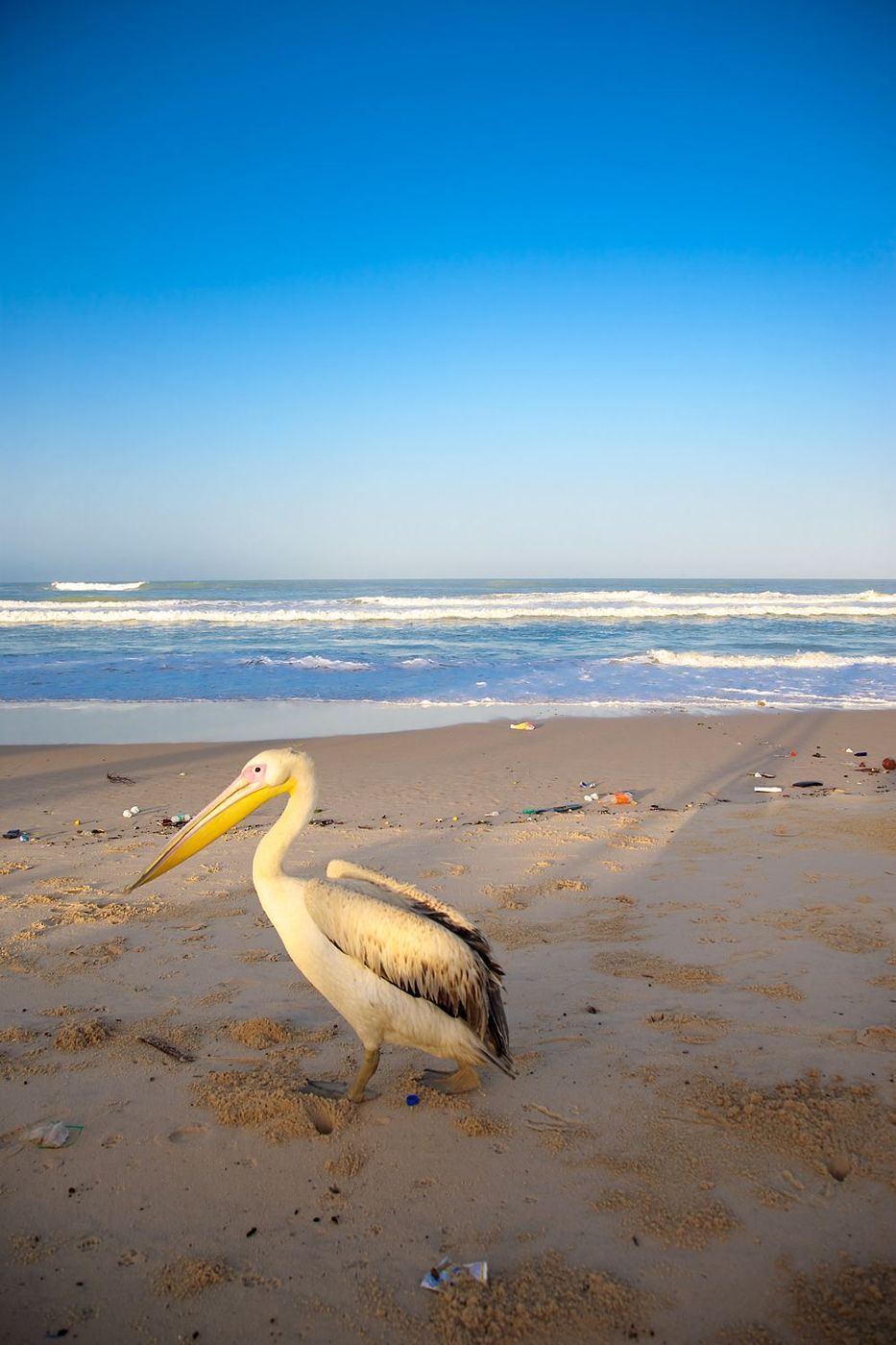
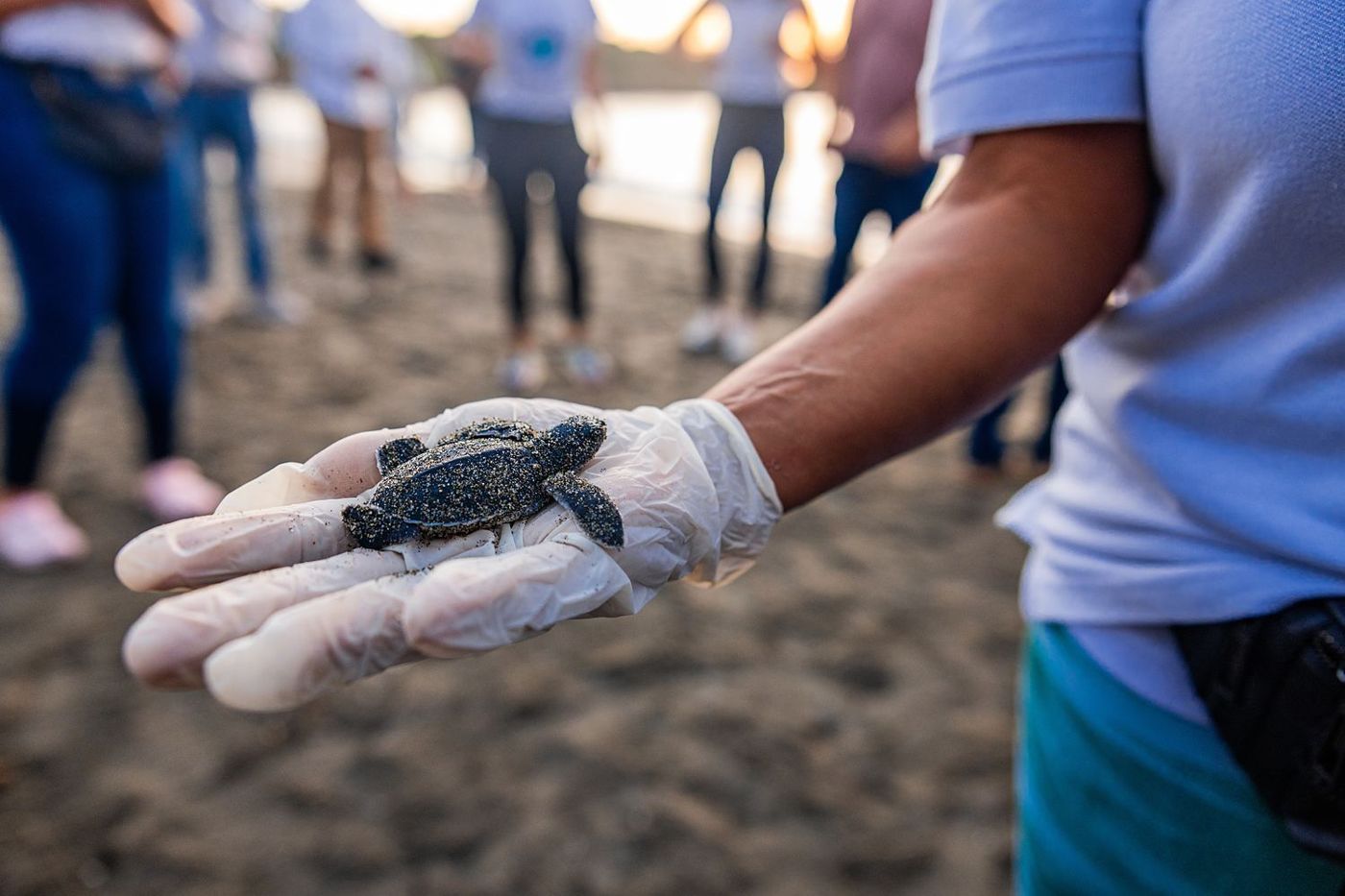
Created in 1976 at the mouth of the Senegal River, Langue de Barbarie National Park protects colonies of terns and gulls and beaches where sea turtles nest. Since the 2003 breach, it can only be reached by pirogue, from the Gandiol shore.
At Langue de Barbarie National Park, you are not visiting a fixed backdrop: you are visiting a landscape the sea is redrawing before your eyes. The shore where you board, the river mouth you sail along, the sandbanks where terns and gulls nest: none of it had this shape before 2003. Come for the birds, of course, and for the beaches where sea turtles lay their eggs. But keep your eyes open to what has changed: that is the real lesson of this pirogue trip south of Saint-Louis.
| Region | Saint-Louis Region, Saint-Louis department, Gandiol shore (commune of Ndiébène Gandiole), about 20 kilometres south of Saint-Louis |
| Type | National park created in 1976: the southern tip of the Langue de Barbarie, islets, the waters of the Senegal River estuary and part of the mainland shore, about 2,000 hectares |
| Getting there from Dakar | 4 to 5 hours by road to Saint-Louis depending on traffic, then up to an hour by track and road to Gandiol; the crossing to the park is by pirogue only |
| Recommended time | Half a day from Saint-Louis; two and a half to three hours for the pirogue trip itself |
| Official fees | National park entry, payable on site and not included in the price of the pirogue trip |
| Best time to go | Dry season, November–May, with a peak of migratory birds December–March; early morning or late afternoon |
| Related QFS activities | Pirogue trips, birdwatching, guided outings from Saint-Louis |


Live in Senegal? If you are in Saint-Louis or the north, the park is one of the easiest nature outings: you drive down to Gandiol at dawn, you are on the water before the heat, and you are back in town for lunch. Come on a weekday, when pirogues are few and the colonies are quiet, and come back in another season: the park in January, full of migrants, is not the park in June, when the nesting colonies are in full swing. From Dakar, it is a good reason to stretch out a weekend in Saint-Louis. On activities booked with QFS, you get the resident rate: up to 30% off depending on the activity.
Just passing through? Do not try to squeeze the park in between the island of Saint-Louis and the Djoudj on the same day. Book a pirogue trip from Saint-Louis, transfer included, and give it a whole morning. Ask the boatman to show you the breach, from a distance: that is where you will understand why this park changes from year to year. And bring cash for the entry charge, which is paid separately.
In 1976, the Senegalese state made a national park of the southern end of the Langue de Barbarie, the sand spit that separates the Senegal River from the Atlantic for dozens of kilometres. At the time, the founding decree covered two islets at the river mouth and the waters around them: a sanctuary for the seabirds that come to breed there, out of reach of predators and people. Today the park covers about 2,000 hectares and is a Ramsar Site, on the list of wetlands of international importance.
In October 2003, the river was in flood and Saint-Louis was at risk of being inundated. To protect it, the authorities had an emergency relief channel dug across the Langue de Barbarie, south of the city. The trench was only four metres wide. The ocean rushed in and never let go: within a few days it had widened to several hundred metres, then, year after year, to several kilometres. The breach has become the river’s new mouth, well north of the old one, directly opposite Gandiol.
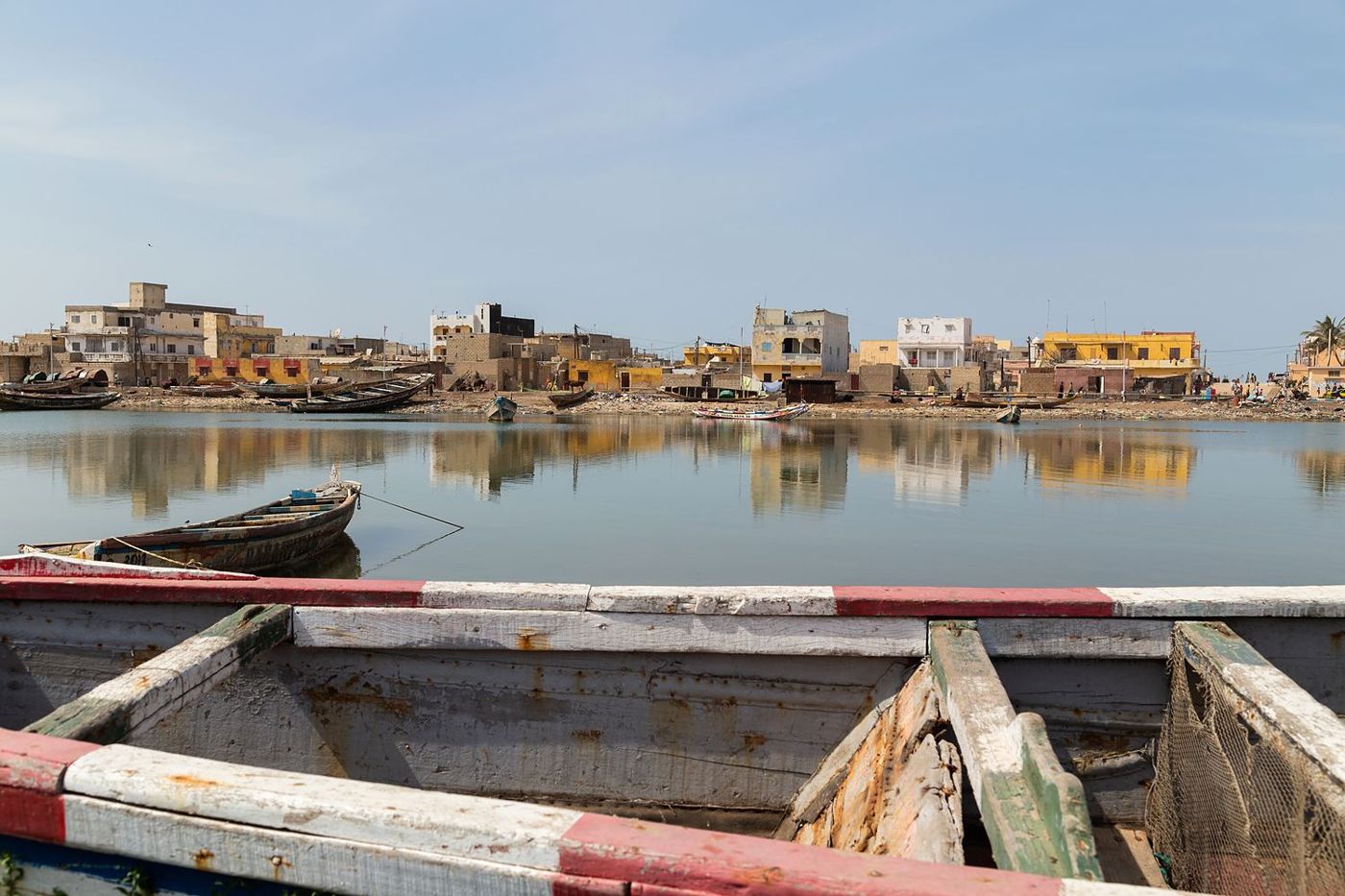
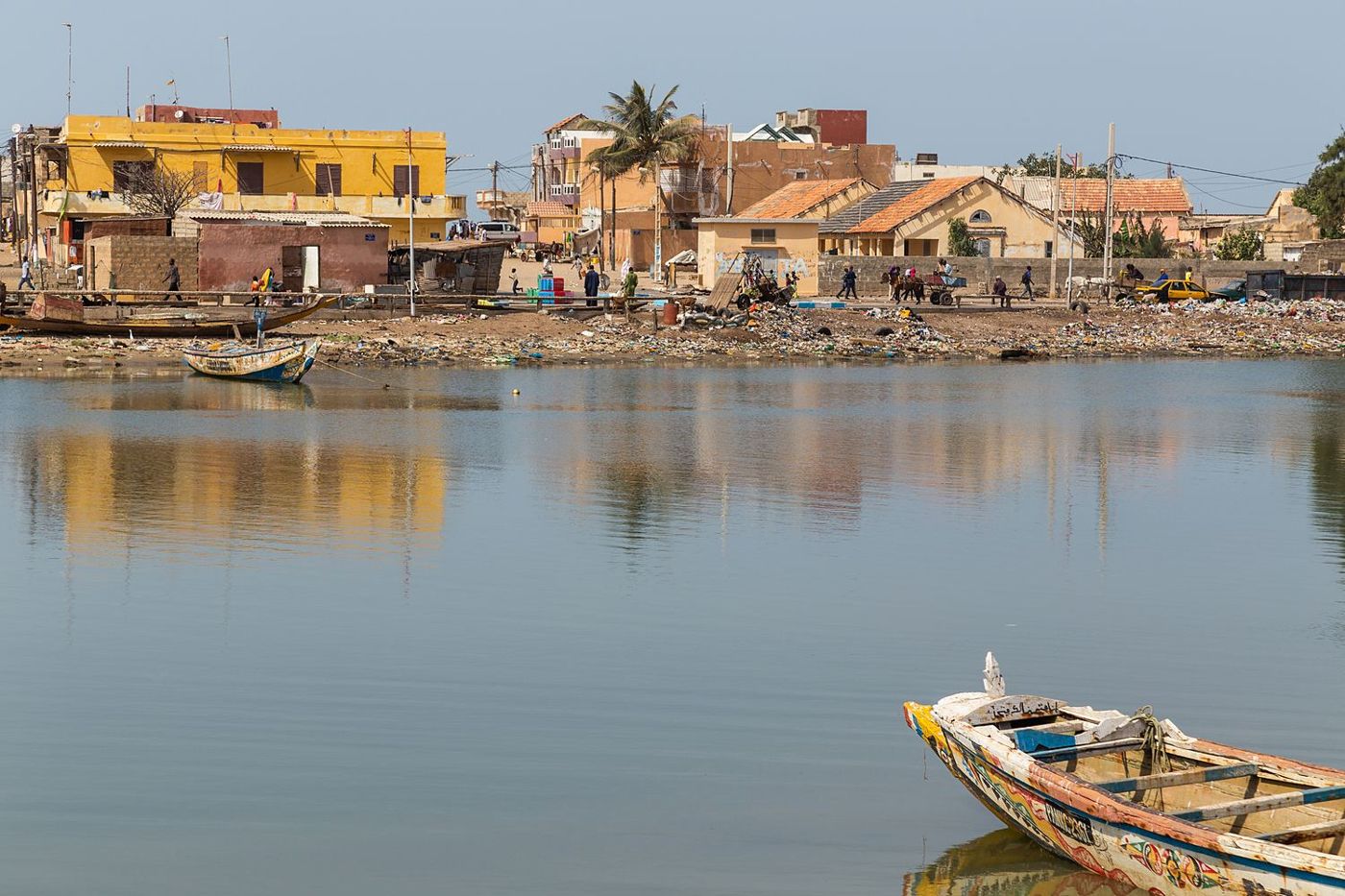
Saint-Louis was spared. The villages opposite paid the price. Doun Baba Dièye (also spelt Doune Baba Dièye), a fishing village facing the new channel, was eaten away by the sea until it had to be abandoned, and its inhabitants were rehoused further inland. Campements (village guesthouses) and hotels built on the spit or on the shore were swallowed up, storm after storm. Salt water got into the water table and the fields of a market-gardening area. And the channel, with its violent bar, has cost the lives of many fishermen.
For the park, the breach is both a protection and a threat. The southern tip of the Langue, now separated from Saint-Louis by the channel, can only be reached by water: that is partly what keeps its beaches quiet. But erosion and rising waters are nibbling away at the sandbanks where the birds nest. When you approach the colonies, you are looking at a fragile balance: all the more reason to do so in silence and from a distance.

Réservez votre sortie avec nos prestataires locaux. Le prix du service est distinct des éventuels coûts officiels réglés sur place.
Guided half day at Djoudj National Bird Park
Saint-Louis · Half-day (5h)
Guided excursions in Saint-Louis
Saint-Louis · 1h30 to several days depending on the option
Djoudj day trip from Saint-Louis: pirogue and horse cart
Saint-Louis · 1h30, Full day
| Fact | Figure |
|---|---|
| Status | National park, created by decree in 1976; Ramsar Site |
| Area | About 2,000 hectares (land, islets and estuary waters) |
| Location | Southern tip of the Langue de Barbarie, Senegal River estuary, about 20 kilometres south of Saint-Louis, opposite Gandiol |
| Breach | Relief channel dug in October 2003, 4 metres wide when opened, now several kilometres wide |
| Consequences | New river mouth, the village of Doun Baba Dièye abandoned, campements and hotels washed away, salinisation of Gandiol’s farmland |
| Nesting birds | Caspian terns, royal terns, grey-headed gulls, slender-billed gulls |
| Other birds | Great white and pink-backed pelicans, cormorants, herons, egrets, migratory waders |
| Sea turtles | Several species, including the green turtle, nest or feed at the site |
| Access | By pirogue only, from the Gandiol shore (Mouit) |
From Dakar, allow 4 to 5 hours by road to Saint-Louis via Thiès and Louga, depending on traffic. From Saint-Louis, the Gandiol road heads south through Sor and runs alongside Guembeul Reserve: allow up to an hour to reach the shore, depending on the state of the track and your starting point. The park’s reception and the usual landing stage are at Mouit, in the Gandiol area. There is no practical public transport to the water’s edge: an outing with a transfer from Saint-Louis, a car with driver or a taxi negotiated for the return trip remain the simplest solutions.
The visit is by pirogue, with a boatman who knows the channels and the distances to keep from the colonies. The national park entry charge is paid on site, before boarding, in cash. Set by the national parks administration, it is not included in the price of the pirogue trip and is paid separately, on site.
To the north, Guet Ndar, the fishing district of the Langue de Barbarie facing the island of Saint-Louis: its painted pirogues and the return of the fishing boats deserve a separate half-day, on foot and preferably with a guide. On the road to the park, Guembeul Reserve and its lagoon, for gazelles, African spurred tortoises and avocets (see also our Guembeul Reserve page). Gandiol itself is worth a stop, for its old striped lighthouse and its salt pans worked by women. Further north, the Djoudj National Bird Sanctuary completes a birdwatching trip (see our Djoudj page). If you have time, Lac de Guiers and Podor take you further up the river, and the Saint-Louis International Jazz Festival livens up Saint-Louis in spring. To put it all in context, see our Saint-Louis Region and Langue de Barbarie pages.
Excursions, visites guidées et combinés : nos prestataires locaux organisent tout.
Guided excursions in Saint-Louis
Saint-Louis · 1h30 to several days depending on the option
4×4 excursion from Saint-Louis: bush and villages
Saint-Louis · Half-day (~4h)
Electric scooter ride in Saint-Louis
Saint-Louis · 30 min – 1h
By season. From November to May, the dry season brings calmer seas and clear skies; from December to March, migrants from Europe swell the numbers on the mudflats. The nesting colonies of terns and gulls, for their part, are in full swing in spring and early summer: if the displays interest you more than the waders, shift your visit. During the rainy season (hivernage), the heat is heavy and the river carries more silt.
By time of day. Early in the morning, the birds are active, the water is smooth and the light is soft. In the late afternoon, the low light turns the sand spit golden and you head back around sunset, to the Gandiol shore. Avoid the middle of the day: there is no shade on a pirogue.
By sea conditions. In a heavy swell or strong wind, the boatman may shorten or cancel the trip: listen to them, as they know the channel.
The simplest way to discover the park is on one of our pirogue trips from Gandiol or Saint-Louis, with the transfer included depending on the package. If it is the birds that bring you here, see birdwatching, with guided outings combining the Langue de Barbarie, Guembeul and the Djoudj, and wildlife reserves & parks. For Guet Ndar and the island of Saint-Louis, guided cultural tours. And to travel up from Dakar, intercity transfers and vehicle hire with driver.
Each activity is run by an independent local professional. You pay 20% to secure your booking (the booking fee), and the balance is paid on site, on the day. The national park entry charge is not included in the price: it is payable on site, and each listing concerned says so. If you live in Senegal, you get the resident rate: up to 30% off depending on the activity (the exact rate is shown on each listing).

From 31 October to 13 November 2026, Dakar, Diamniadio and Saly will host the Youth Olympic Games, the first Olympic event in…
Read the article ›October closes the rainy season and opens the finest season of the year. Workshops for children, sport, wellness, classes and getaways: everything…
Read the article ›In Senegal, the day runs to the rhythm of five prayers whose times follow the sun, and so shift a little every…
Read the article ›Good deals, news and highlights from Senegal, straight to your WhatsApp.