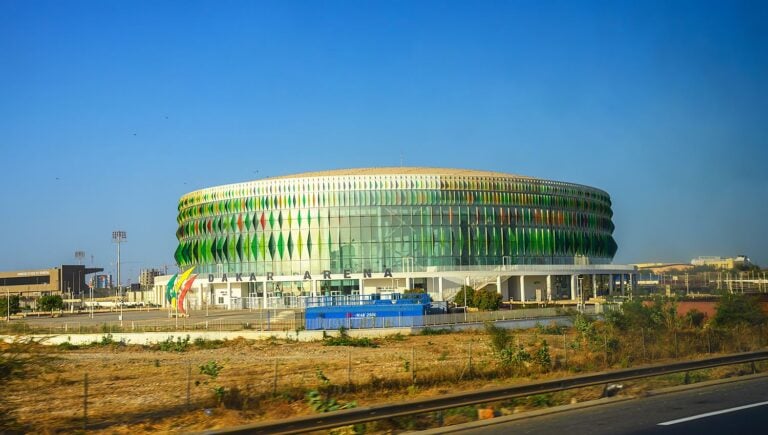
Dakar 2026 Youth Olympic Games: your guide to Africa’s first Olympic Games, from the stands
From 31 October to 13 November 2026, Dakar, Diamniadio and Saly will host the Youth Olympic Games, the first Olympic event in…
Read the article ›
Home › Locations › Saint-Louis Region › Gandiol › Guembeul Reserve: on foot among the gazelles the Sahel had lost
GANDIOL
About ten kilometres from Saint-Louis, Guembeul Reserve does not promise a safari: it tells the story of the return of antelopes that Senegal had seen disappear. An hour's walk with an eco-guide, gazelles a few metres away, and a lagoon where avocets nest.
Guembeul Reserve is visited on foot, and that changes everything: no 4×4 window between you and the gazelles, just sand, acacias and an eco-guide who knows where to look. Do not come here looking for Africa’s big game. Come to see a story of return, that of Sahelian antelopes hunted until they vanished from the country, then brought back from Spain and Israel behind a fence, south of Saint-Louis. An hour’s walk is enough to understand what a lost species costs, and what it takes to bring it back.
| Region | Saint-Louis Region, Saint-Louis department, in the Gandiol area (the Gandiolais), between the communes of Ndiébène Gandiole and Gandon |
| Type | Fenced special wildlife reserve, breeding and reintroduction centre, wetland of international importance (Ramsar Site) |
| Getting there from Saint-Louis | About ten kilometres south, on the Gandiol road: around twenty minutes |
| Getting there from Dakar | 4 to 5 hours by road to Saint-Louis, via Thiès and Louga: stay overnight |
| Recommended time | 45 minutes to 1½ hours on foot depending on the trail; half a day including the journey |
| Official fees | Reserve entry and eco-guide payable on site and not included in the price of the activity |
| Best time to go | The dry season, November–May; December–March for migrant birds; early in the morning or late in the afternoon |
| Related QFS activities | Guided tour of the reserve, birdwatching, pirogue trips to the Langue de Barbarie |


Live in Saint-Louis or the north? Guembeul is an easy nature outing to fit into a Saturday: set off in the cool of the morning, walk for an hour, and be back in town before lunch. It is also a lovely first encounter with Sahelian wildlife for children. The African spurred tortoises never fail to impress, and the story of the reintroductions speaks to all ages. Come back a second time in the depths of winter, between December and March, for the lagoon: the birds from Europe transform it. Live in Dakar? Slip Guembeul into a long weekend in Saint-Louis, between the island and the Langue de Barbarie. On QFS, you get the resident rate: up to 30% off depending on the activity.
Just passing through? The trap is turning Guembeul into a box to tick between two transfers. Make it the opening act of a day south of Saint-Louis, before the pirogue to Langue de Barbarie National Park, and let the guide tell the story. Without it, you will see gazelles behind a wire fence; with it, you will understand why they are there, and why everyone hopes they will not stay. And if you arrive expecting a safari, adjust your expectations: here, the emotion lies in the closeness and in the story, not in the number of species.
Over the course of the 20th century, the Senegalese Sahel emptied. Hunting and droughts wiped out the dama gazelle and the scimitar-horned oryx from the country, and made the African spurred tortoise very rare in the wild. It was to bring them back that the state created the Guembeul special wildlife reserve by decree in 1983: 720 hectares of fixed dunes, thorn savannah and salt lagoon, entirely fenced. The word “special” says it all. Guembeul was not created to protect what was left, but to breed, in safety, what had disappeared.
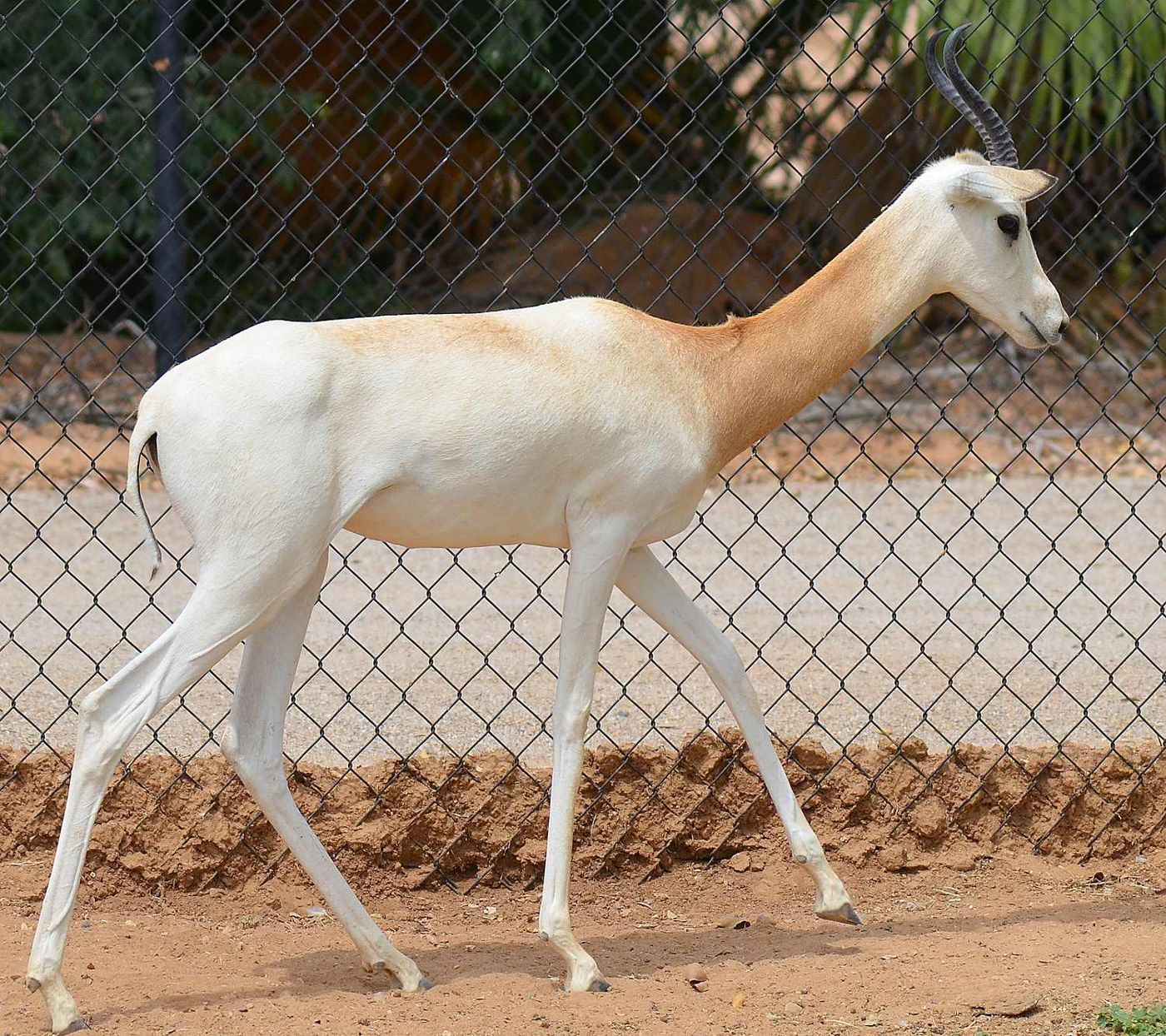
The first arrivals date from 1984. That year, Spain gave Senegal a small herd of Mhorr gazelles (dama mhorr) born in captivity at the Sahelo-Saharan antelope breeding station in Almería, Andalusia. The Mhorr gazelle is the largest of the gazelles, long-legged, white beneath a fawn back and neck, and one of the most threatened antelopes in Africa. Later, scimitar-horned oryx from Israel joined the reserve. This oryx with long, arched horns was for a long time classified as extinct in the wild; it survived only in breeding centres and parks, which is where the reintroduction programmes came from. The smaller dorcas gazelles complete Guembeul’s trio of Sahelian antelopes.
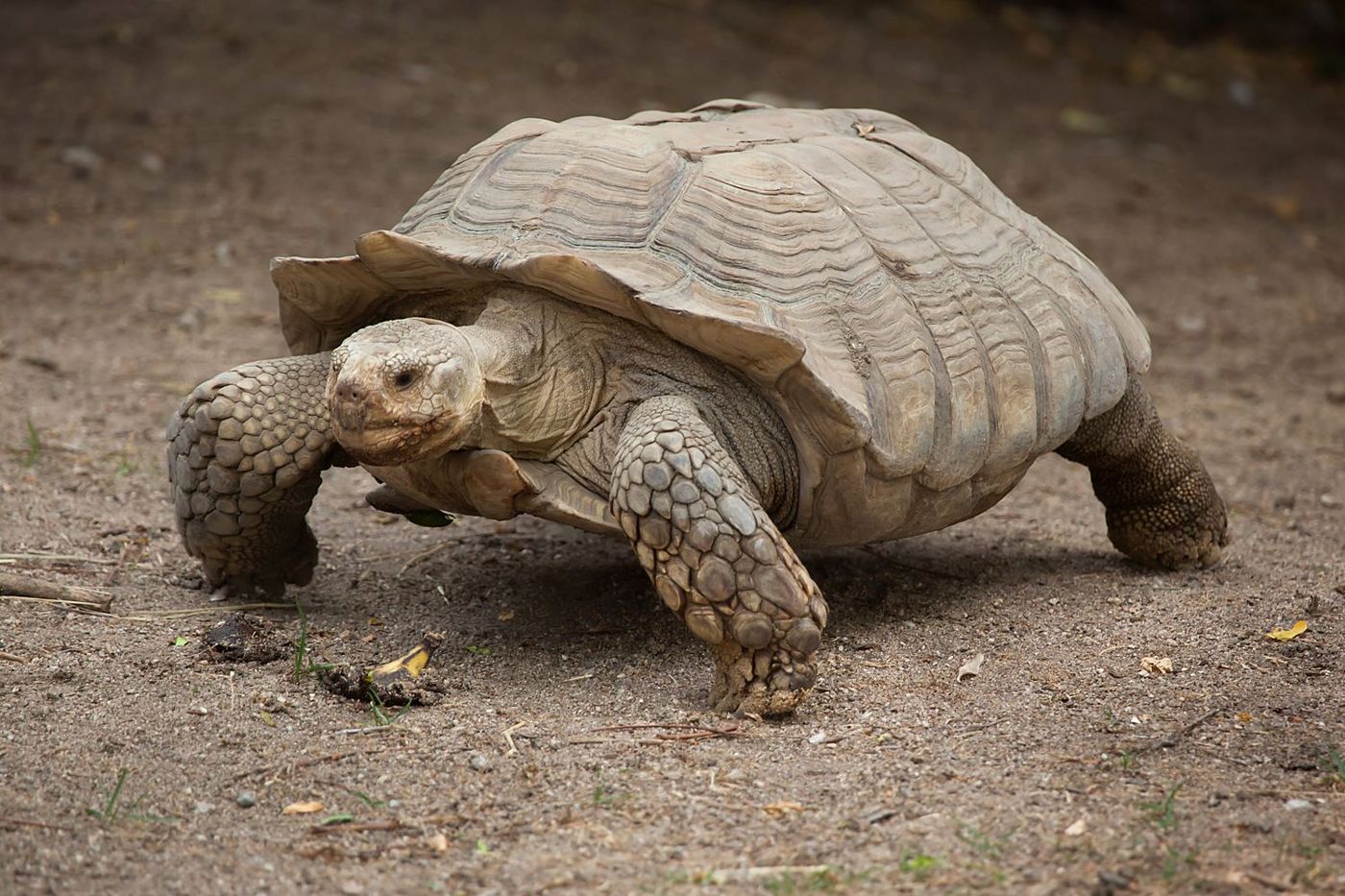
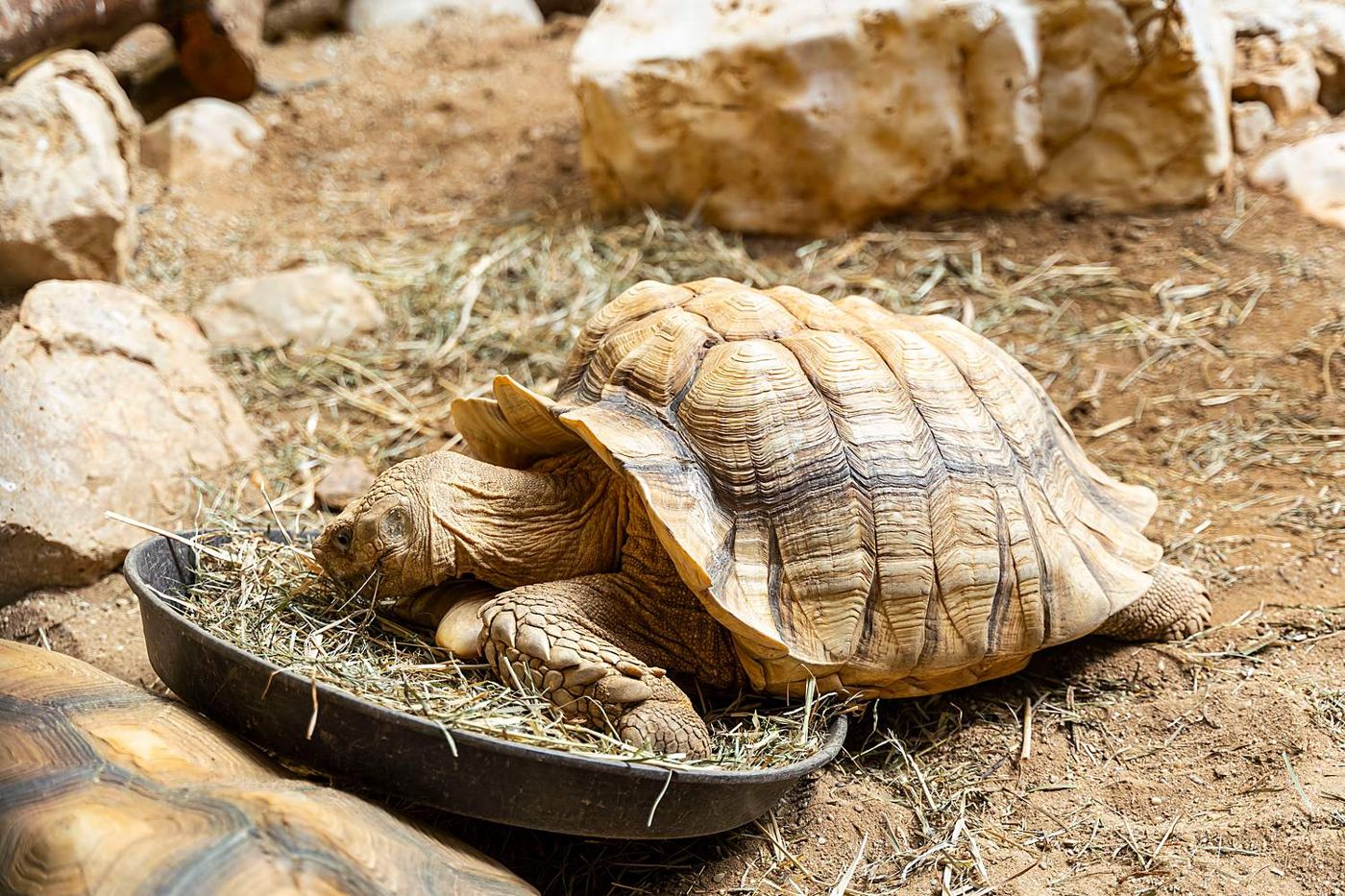
The reserve then acts as a relay. Once the herds have acclimatised and bred, some of the animals are transferred to the Ferlo, further east, where there is far more space. The African spurred tortoises follow the same path: the continent’s largest land tortoise is raised in protected enclosures, then released into its natural habitat.
The story is not a fairy tale, and your guide will not tell it as one. The Mhorr gazelle population thrived for nearly twenty years, then declined in the early 2000s. Studies carried out on site point to changes in the habitat: vegetation closing in, and the spread of an invasive cactus, Opuntia, which the reserve works to pull up. The lagoon, for its part, suffers from drought, salinisation and a reduced inflow of fresh water since the Diama Dam was built on the Senegal River. Guembeul is therefore a permanent work in progress, and that is also what makes it so fascinating.
Then there is the lagoon, the reserve’s other face. This expanse of brackish water, fed by the rains and the estuary, earned Guembeul its designation as a wetland of international importance under the Ramsar Convention, in 1986. Some two hundred bird species have been recorded here, and above all the largest colony of pied avocets in Senegal. Since 2005, the reserve has also been part of the core area of the Senegal River Delta Transboundary Biosphere Reserve, recognised by UNESCO.
Réservez votre sortie avec nos prestataires locaux. Le prix du service est distinct des éventuels coûts officiels réglés sur place.
Horse-cart ride in the Djoudj National Bird Sanctuary
Djoudj National Bird Sanctuary · Full day
Guided half day at Djoudj National Bird Park
Saint-Louis · Half-day (5h)
Guided excursions in Saint-Louis
Saint-Louis · 1h30 to several days depending on the option
| Fact | Figure |
|---|---|
| Status | Special wildlife reserve, managed by the Directorate of National Parks |
| Created | 1983, by decree |
| Area | 720 hectares, entirely fenced |
| Location | About 10 km south of Saint-Louis, in the Gandiol area |
| Ramsar | Wetland of international importance since 1986 |
| Biosphere | Core area of the Senegal River Delta Transboundary Biosphere Reserve (2005) |
| First gazelles | Mhorr gazelles given by Spain, from Almería in 1984 |
| Scimitar-horned oryx | From Israel |
| Species bred | Mhorr gazelle, dorcas gazelle, scimitar-horned oryx, African spurred tortoise |
| Local wildlife | Patas monkeys, warthogs, mongooses, foxes, monitor lizards |
| Birds | About 200 species; the country’s main colony of pied avocets |
From the island of Saint-Louis, take the road south towards Gandiol. The reserve entrance is about ten kilometres from town, on the inland side of the road: around twenty minutes by car or taxi. The road is surfaced, so no 4×4 is needed. From Dakar, allow 4 to 5 hours by road to Saint-Louis via Thiès and Louga: Guembeul cannot reasonably be done as a day trip, so stay overnight. For the journey, see intercity transfers or vehicle hire with driver.
On site, the visit is made on foot, accompanied by one of the reserve’s eco-guides. This is not optional: the enclosures house breeding programmes that are sensitive to disturbance, and the guide knows the trails, the habits of the herds and the story of each species.
As for fees, Guembeul is a public reserve. Reserve entry and the eco-guide’s fee are paid on site, in cash, and are not included in the price of the activity booked through QFS. The amounts have changed over the years and vary with the type of visit: bring small notes, and the activity listing will tell you what remains to be paid.
The Mhorr gazelles. The stars of the reserve. Their two-tone coats stand out against the sand, and they often let you approach to within a few dozen metres. In the morning, they graze in the open; at midday, they retreat to the shade of the thorn trees.
The scimitar-horned oryx. Massive, white, with brown markings on the face and those long curved horns. Seeing on foot, a few metres away, an animal that had disappeared from the wild remains one of the highlights of the visit.
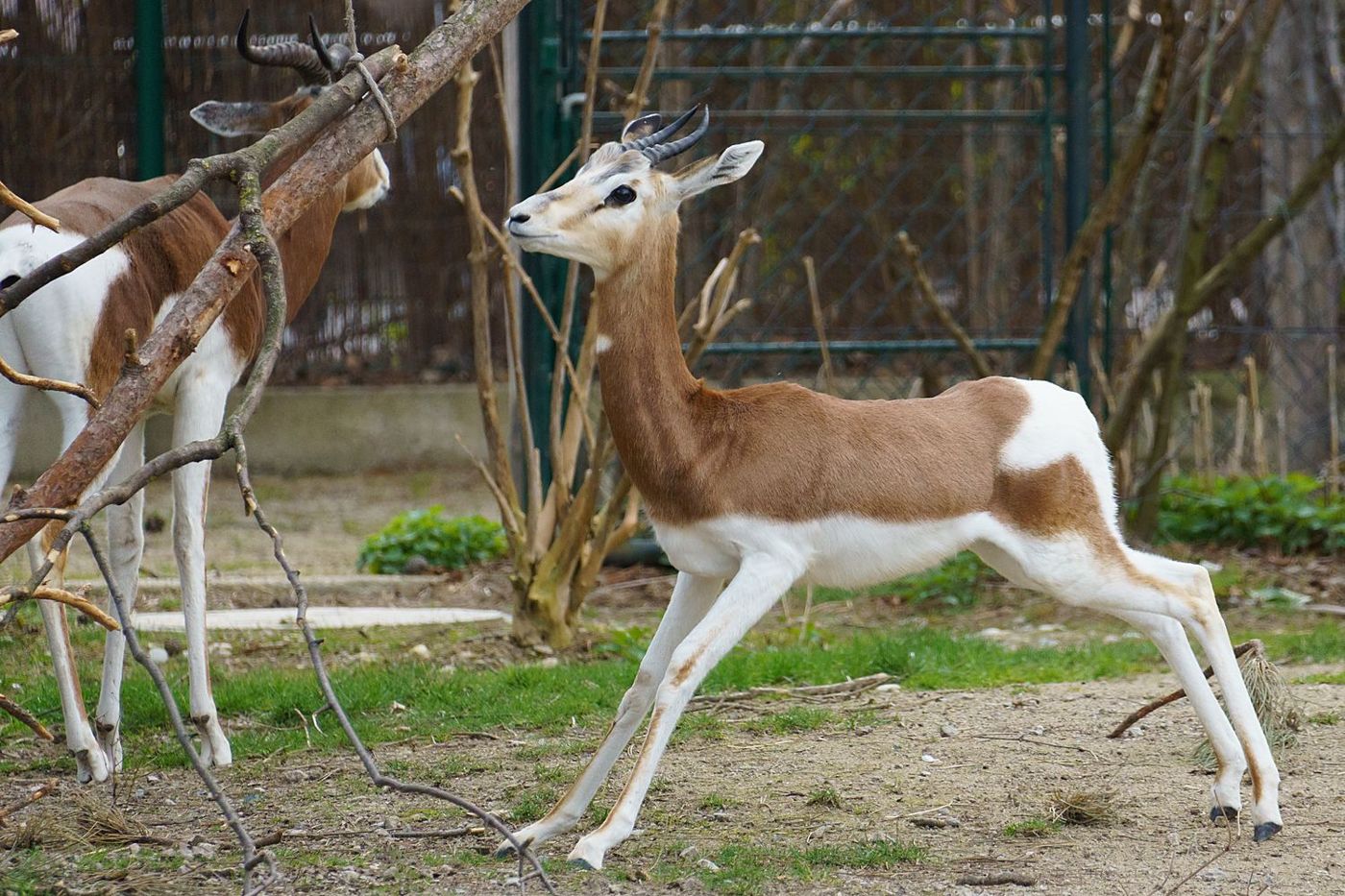
The dorcas gazelles. Smaller and livelier than the Mhorr, often in groups. The guide will teach you to tell them apart at a glance.
The African spurred tortoises. In their breeding enclosures, animals of every size, from youngsters barely bigger than a hand to imposing adults. This is children’s favourite stop, and a chance to understand the reserve’s patient work.
The patas monkeys and local wildlife. These russet monkeys with pale bellies, which have always lived here, readily cross the trail. Warthogs, mongooses and monitor lizards also show themselves, with a little luck.
The lagoon. The long trail goes as far as its shores: avocets, flamingos, spoonbills and waders by the hundred in winter. With binoculars, the lagoon becomes the second reason to come.
Excursions, visites guidées et combinés : nos prestataires locaux organisent tout.
Bike rental and cycling tour of Saint-Louis
Saint-Louis · 1h – 8h
Guided excursions in Saint-Louis
Saint-Louis · 1h30 to several days depending on the option
4×4 excursion from Saint-Louis: bush and villages
Saint-Louis · Half-day (~4h)
Guembeul is the natural start to a day south of Saint-Louis. Further along the same road, Gandiol is the departure point for pirogues to Langue de Barbarie National Park, its bird colonies and the breach opened in 2003 (our Langue de Barbarie page). North of Saint-Louis, some sixty kilometres away, the Djoudj National Bird Sanctuary completes a birdwatching stay in the dry season (our Djoudj page). Heading up the river, Lac de Guiers and Podor extend the trip; on the way back to Dakar, the Lompoul desert lends itself to a night under canvas. For other wildlife reserves, Bandia Reserve on the Petite Côte and Fathala Reserve in the Saloum tell another story of repopulation. For an overview: our Guembeul Reserve and Saint-Louis Region pages.
| Period | What changes |
|---|---|
| November–February | Cool mornings, pleasant walking, migrants on the lagoon: the best time for a first visit |
| March–May | Rising heat, little shade on the trails: aim for opening time, as the animals gather in the cool |
| December–March | The heart of the season for birds from Europe on the lagoon |
| July–October (hivernage, the rainy season) | The reserve can still be visited, green after the rains, but it is muggy and the mosquitoes are out; leave extra time for the road |
| During the day | Early in the morning or late in the afternoon; at midday, the gazelles hide and the light flattens everything |
Our advice: arrive at opening time, do the long trail before the sun climbs, then carry on with the pirogue at Gandiol. You will have seen the land and the water south of Saint-Louis in the same morning.
On QFS, Guembeul is booked under wildlife reserves & parks: guided tours of the reserve from Saint-Louis, lasting 1½ to 2 hours including the journey. For birdwatchers, the birdwatching section brings together outings in the north; to combine it with the water, see pirogue trips to the Langue de Barbarie. And for the island itself, the guided cultural tours of Saint-Louis.
Each activity is run by an independent local professional. You pay 20% to secure your booking (the booking fee), and the balance is paid on site, on the day. Reserve entry and the eco-guide are official fees: they are payable on site and not included in the price. If you live in Senegal, you get the resident rate: up to 30% off (the exact rate is shown on each listing).

From 31 October to 13 November 2026, Dakar, Diamniadio and Saly will host the Youth Olympic Games, the first Olympic event in…
Read the article ›October closes the rainy season and opens the finest season of the year. Workshops for children, sport, wellness, classes and getaways: everything…
Read the article ›In Senegal, the day runs to the rhythm of five prayers whose times follow the sun, and so shift a little every…
Read the article ›Good deals, news and highlights from Senegal, straight to your WhatsApp.