At the Madeleine Islands (Îles de la Madeleine), you will not come to take anything away: no fish, no shells, no wreck dive, no big thrill. This small volcanic archipelago, four kilometres off the Corniche, has been a national park since 1976, and its rules leave little room for improvisation. That is exactly what makes the visit so precious: a short crossing away from the bustle of Dakar, you walk on an island where seabirds have right of way, among baobabs kept dwarf by the wind. Here is how to approach the Madeleine Islands as a guest, and really make the most of them.
At a glance
| Region | Dakar Region, Dakar department; departures from Soumbédioune Bay, on the Corniche Ouest |
| Type | Island national park, an uninhabited volcanic archipelago (Sarpan Island and the Lougne islets) |
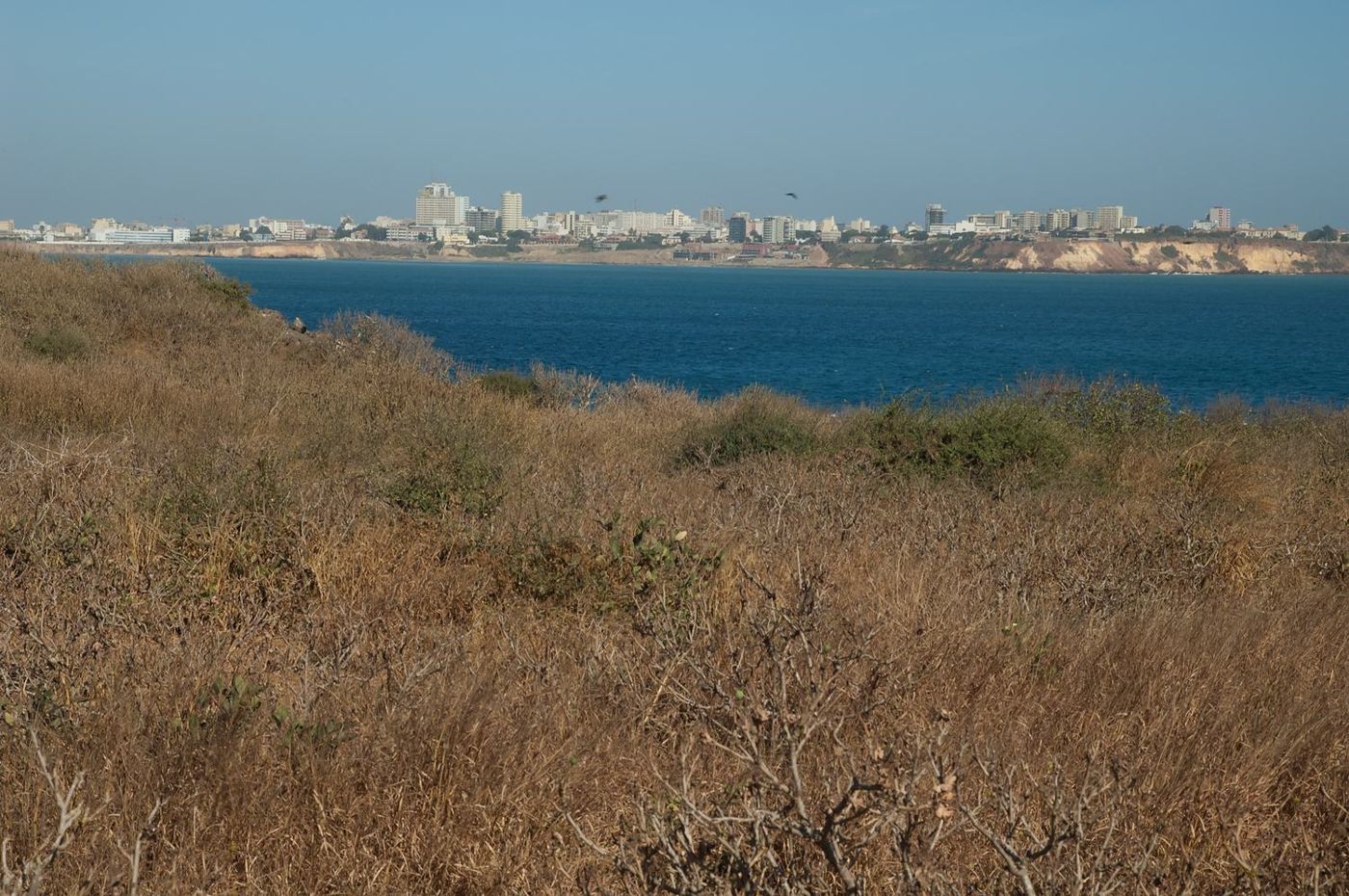
| Getting there from Dakar | The landing point is in town: allow a quarter of an hour to half an hour from the Plateau depending on traffic, then a short pirogue crossing |
| Recommended time | Half a day; time on the island is limited to a few hours |
| Official fees | Park entry fee, crossing and park guide, all paid on site in cash and not included in the price |
| Best time to go | All year round when the sea allows; ideally on a weekday |
| Related QFS activities | Island excursions, birdwatching, boat trips around Dakar |
Resident or visitor: two ways to miss the Madeleine
If you live in Dakar, you have probably looked at it a hundred times from the Corniche, the Mamelles or a terrace in Ouakam, without ever setting foot on it. It is the ultimate on-your-doorstep getaway: no road, no overnight stay, a departure from town. The classic resident’s mistake is to go on a summer Sunday, at the same time as everyone else, with a cool box and a fishing rod. The cool box is fine, the rod is not: fishing is banned throughout the park. Pick a weekday morning, and you will have the island almost to yourself.
If you are passing through, the Madeleine is a rare breathing space in a Dakar stay often overloaded with traffic and sightseeing. But do not treat it as just a boat trip: it is not a developed beach, and there is no shade, no snack bar and no phone signal. Set aside half a day, bring good shoes and water, and bear in mind that the programme depends on the sea, not on your schedule. If you only have one slot, put it at the start of your stay: if the swell forces a postponement, you will get a second chance.
A national park the size of a garden
The first thing that strikes you is the size. Madeleine Islands National Park is regularly described as one of the smallest national parks in the world. Published figures vary widely depending on whether they count only the land above water or also the strip of sea around it, but the order of magnitude is clear: a few dozen hectares, sea included. You can take it all in at a glance from the top of the plateau.
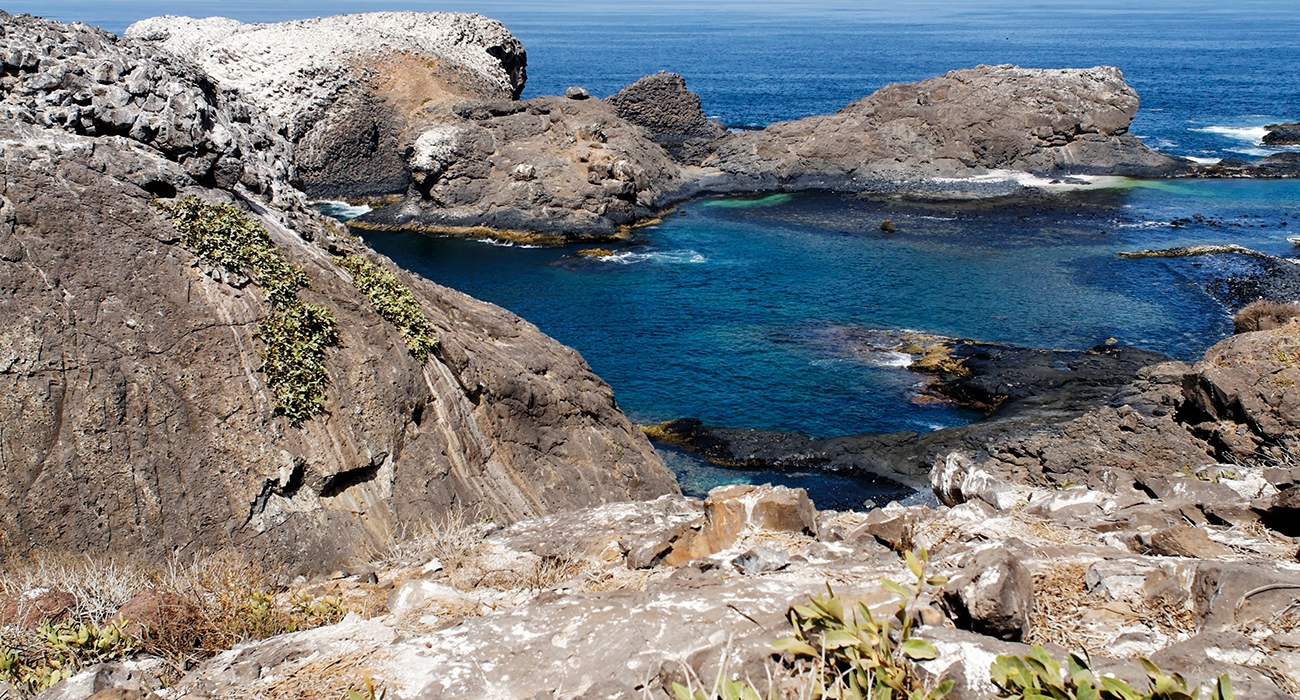
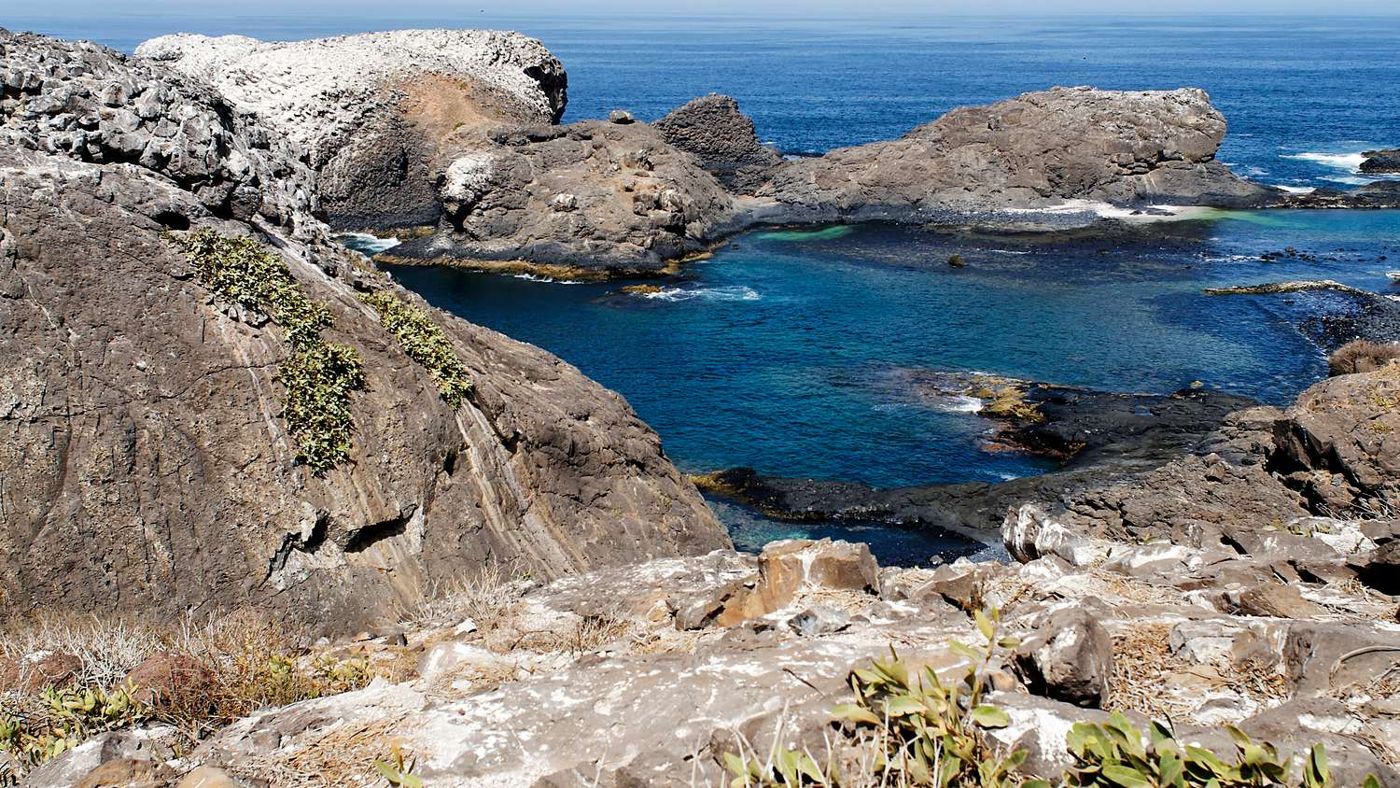
The archipelago is volcanic in origin, like Gorée and Ngor. The main island, Sarpan, is a basalt plateau edged with dark cliffs, with a natural cove where pirogues can land. A few hundred metres away, the Lougne islets, smaller and steeper, are closed to visitors: they serve above all as a refuge for birds. The site was made a national park by a decree of 16 January 1976. In 2005, Senegal added it to its UNESCO World Heritage Tentative List as a mixed property, both natural and cultural: a candidacy, not a listing.
The name Sarpan itself tells a disputed story. According to some, it comes from a colonial-era officer who was sent here as a punishment and left behind a building that was never finished; according to others, it is a corruption of “Snake Island”, even though snakes keep a very low profile here. On the plateau, the remains of walls feed these stories, and Dakar folklore readily adds its spirits. The file submitted to UNESCO also notes that the island retains a spiritual dimension for part of the Lebou community. Take these stories for what they are: part of the place’s intangible heritage, which also explains the respect the fishermen show it.
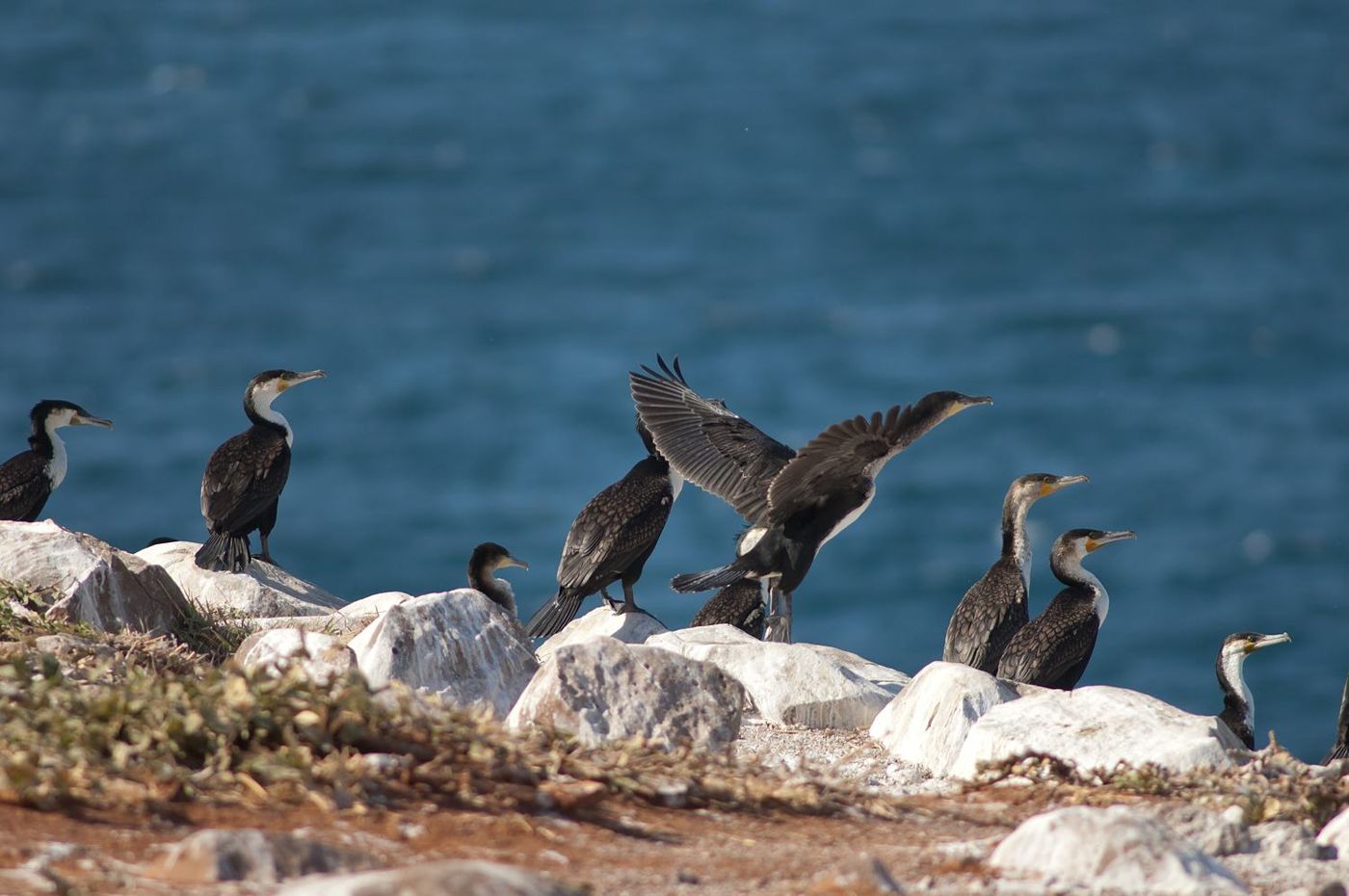
The real treasure, though, is alive. The constant wind and the poor volcanic soil have shaped some astonishing vegetation: baobabs that stay dwarf, twisted, sometimes lying flat, and shrubs that creep rather than grow. And above them, the birds. The red-billed tropicbird, a large white bird with a long, thread-like tail, nests in the crevices of the cliffs; it is the bird ornithologists come for first and foremost. The great cormorant has a large colony here, the bridled tern breeds here, and sea turtles frequent the park’s waters.