Senegal & diving: a life-giving Atlantic
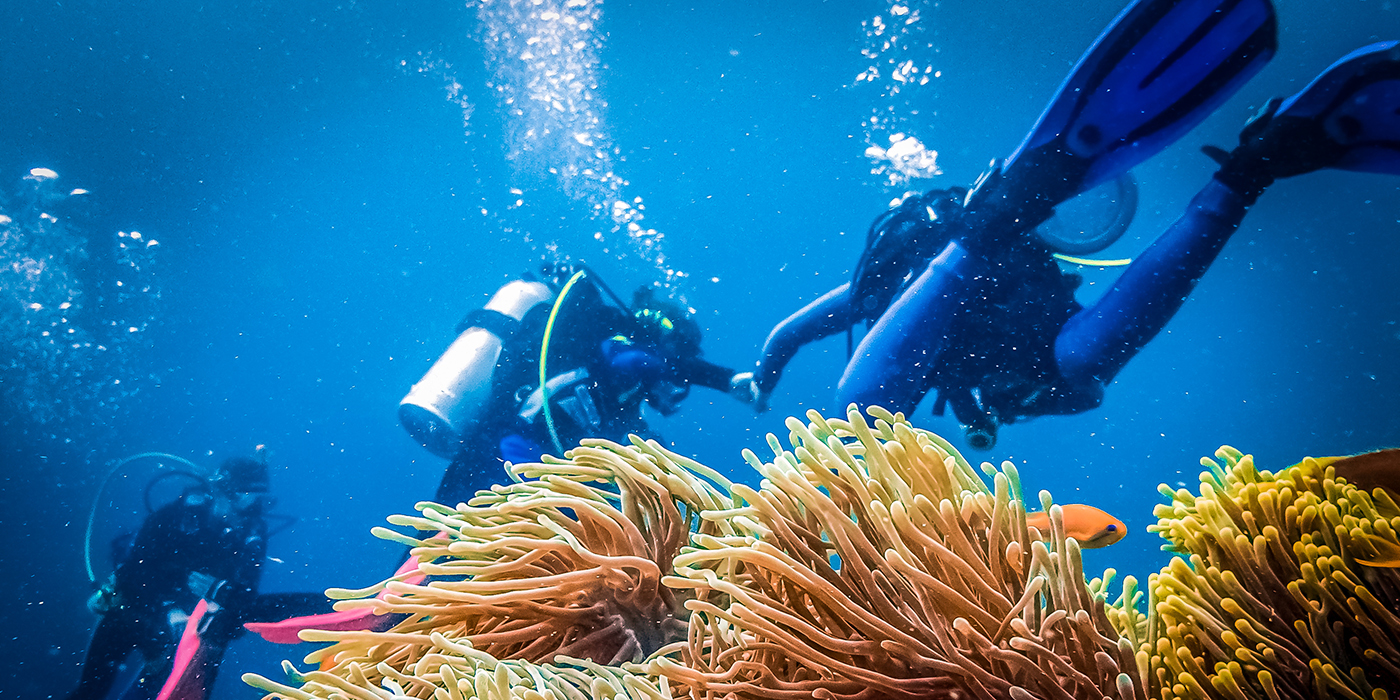
The Cap-Vert peninsula, on which Dakar is built, is the westernmost point of mainland Africa. Under water, that means rocky seabeds, often volcanic in origin, cut into plateaus, crevices and boulders where octopus and grouper hide. Rays settle on the sand, barracuda hunt in open water, white seabream and parrotfish circle the rocks, and a turtle may pass by, though nobody can promise one.
This abundance has a cause: upwelling. During the dry season, the winds push surface water out to sea and draw up deep water that is cold and full of nutrients. Plankton thrives, the fish follow, and that is why Senegal is a nation of fishermen. You will feel the flip side: water cooler than you would expect at these latitudes, and visibility that changes from one day to the next.
Dakar’s second signature is its wrecks. The harbour, one of the great ports of the West African coast, has seen ships of every size go down. Over time, the metal has been covered in life and each hull has become a reef. These are dives for certified divers, and each wreck has its own depth and level requirements: the dive leader decides, based on your certification and the sea on the day.
Finally, facing the city, the small archipelago of the Madeleine Islands, some 4 km off the coast, has been protected since 1976 as Madeleine Islands National Park. The park regulations forbid fishing and all marine and underwater activities there, diving included: you visit with a guide, by boat, on one of the island excursions, and none of the dives in this section take place there.
Formats: from mask and snorkel to certification
Where to dive in Senegal
Everything in this section is in Dakar, and that is no accident: the peninsula, ringed by islands and rocky points, puts many sites within easy reach by boat.
- Ngor: the place to start. Sheltered by the peninsula and little exposed to currents, the area around Ngor Island is used for try dives, snorkelling and the underwater scooter, and its rocky plateaus keep certified divers busy too.
- The Plateau and the Corniche Ouest: leaving from the port or the shore, cliffs, rocky areas and wrecks in the harbour, for exploration dives and packs.
- The wrecks: off the city, reserved for certified divers. The choice of wreck is made on site, with the dive leader.
- Gorée: the waters around it are known to divers and snorkellers, but none of the outings in this section go there. For the island itself, see our Gorée Island page.
- The Madeleine Islands: a national park where diving is forbidden; you can only go on a guided visit, by boat.
When to dive
The best period runs from November to May, in the dry season: less rain, a generally more manageable sea, more regular outings. It is also the upwelling season, so the water is cool: around 20 °C at its coolest, in February–March. Plan on a full-length wetsuit, which the formats provide, and do not skimp on thickness if you feel the cold.
The water warms up to around 28 °C at its warmest, in September–October, at the height of the rainy season (hivernage). It is tempting, but the rains from July to October come at a cost: the rivers carry sediment, the sea is rough more often and visibility drops. Diving is still possible on good days.
Whatever the season, visibility is never a constant in Dakar. It depends on the swell, the wind, the tide and the plankton, and can change from one site to another on the same morning. The smart move: book in the morning, when the wind is often lighter, and accept that the dive leader may change site if the sea demands it.
Good to know & budget
Health first. Scuba diving is not a trivial matter. Before a try dive or a course, you will be asked to answer questions about your health. If you have any doubt, a respiratory, heart or ear, nose and throat problem, ongoing medical treatment, a pregnancy, or simply a cold, it is your doctor who decides, before you set off: neither the instructor nor this page can do it for them. Also leave at least a day between your last dive and your flight home.
Levels and paperwork. The try dive and snorkelling require no certification. For exploration dives or equipment hire, bring your certification card and your logbook: you will dive according to your actual level, not your wishes. If you have not dived for a long time, say so: a refresher dive is better than a nasty surprise.
At the surface too. When snorkelling, stay together, follow the guide and watch out for currents near the points. Fishing pirogues are everywhere: stay within the area you are shown. And under water, touch nothing, take nothing.
Booking. On Que Faire Sénégal, the price shown is the price of the service, with equipment and supervision included according to the listing. It is per person for the try dive, exploration dive, packs, snorkelling and the scooter; equipment hire is charged by the day. You pay 20% to secure your booking (the booking fee), and the balance is paid on site, on the day. If you live in Senegal, you get the resident rate: up to 30% off (the exact rate is shown on each listing). There are no additional official fees for these outings.
Who is it for?
For the curious who have never put their head under water: the try dive at Ngor is made for them. For families, guided snorkelling and the underwater scooter, which only ask that you are comfortable in the water. For certified divers, a destination still under the radar, with wrecks and rocks that make a change from tropical lagoons. And for those who want to move up a level without leaving Dakar.
Residents have a real advantage: they can wait for the right sea. They pick a calm dry-season morning, go from a try dive to a course over successive weekends, and make the most of the resident rate. Visitors would do well to schedule their dive early in their stay, to leave some leeway if the sea forces a postponement, and in any case more than a day before their flight.
The seabed off Dakar has already written a page in the history of underwater exploration. On 15 February 1954, the French bathyscaphe FNRS-3 dived off the city to a depth of more than 4,000 metres, a world record at the time that would not be beaten until 1960. You will go down a little less far, but in the same ocean.
Frequently asked questions
Do I need to know how to dive to give it a try?
No. The try dive is done with an instructor, at shallow depth, without certification; you just need to be comfortable in the water. Snorkelling and the underwater scooter don’t require certification either. Exploration dives and equipment hire, on the other hand, are reserved for certified divers.
Is there coral in Senegal?
There is no large coral reef as in tropical seas. Dakar’s seabed is mostly rocky, with wrecks that have become reefs. You can come across grouper, rays, octopus, barracuda, shoals of white seabream and sometimes a turtle, with no guarantee.
What is the best season for diving in Dakar?
From November to May, in the dry season, the sea is generally more manageable and visibility better. The water is cool then, around 20 °C at its coolest in February–March. From July to October, it rises towards 28 °C, but the rains often cloud the water.
Can you dive at the Madeleine Islands?
No. The archipelago has been a national park since 1976, and its regulations forbid fishing and all marine and underwater activities, diving included. You discover it on a guided visit, by boat, with the island excursions.
Does a health problem stop me from diving?
Only your doctor can say. If in doubt (respiratory, heart or ear, nose and throat issue, medical treatment, pregnancy, a cold), see them before booking. Also allow at least a day between your last dive and a flight.
How does booking work?
You pay 20% to secure your booking (the booking fee), and the balance is paid on site, on the day of the outing. The price is per person, except equipment hire, which is charged by the day. Residents get the resident rate: up to 30% off (the exact rate is shown on each listing).