Plateau
Availability
Category
Duration
Where it happens
Who for
5 activities
- Dakar, Plateau, , Medina, corniche ouest

 1 week to 2 months
Starting at:
33 000 CFA31 350 CFA -5%
Resident :
- Dakar, Plateau, , Medina, corniche ouest1 week
Starting at:
55 000 CFA52 250 CFA -5%Resident :
- Dakar, Plateau, , Medina, corniche ouest,2 days to 1 month
Starting at:
11 000 CFA10 450 CFA -5%Resident :
- Dakar, Plateau, Medina1 h to a full day
Starting at:
6 600 CFA6 270 CFA -5%Resident :
- Dakar Plateauhalf day
Starting at:
16 500 CFA15 675 CFA -5%Resident :


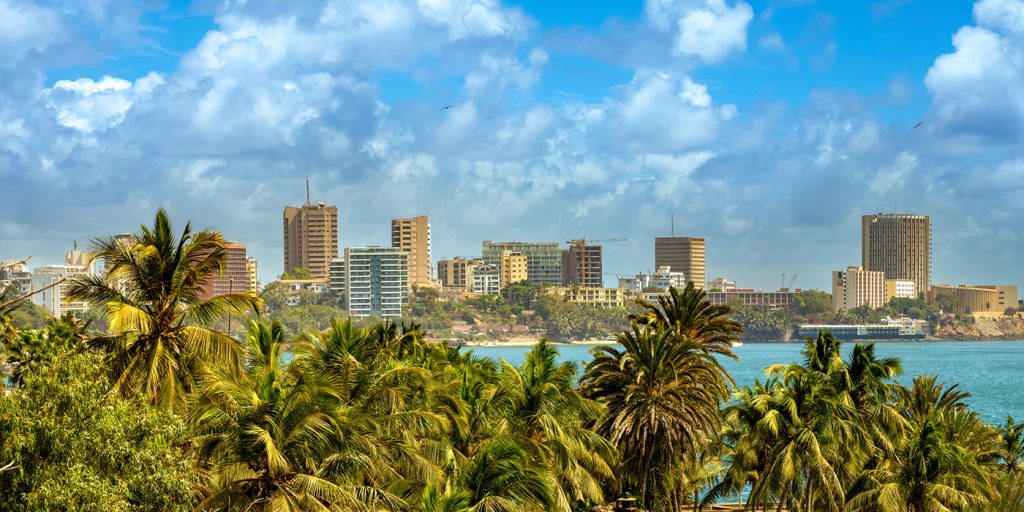
The most iconic neighborhood of Dakar, the Plateau houses administrative power, political institutions, corporate headquarters, wide avenues, and historical heritage. Located at the southern tip of the Cap-Vert peninsula, it represents the meeting point of colonial heritage and African modernity. Here, one finds a subtle mix of colonial buildings, bustling markets, landmark museums, and centers of power. It is the beating heart of the city, both for economic life and for culture and urban exploration.
History and urban planning of the Plateau
Under French colonization, the Plateau was reserved for Europeans and, from the second half of the 19th century, became home to the first administrative buildings, housing, schools, and port infrastructure. Today, the neighborhood preserves its broad tree-lined avenues, historic squares, and majestic buildings, giving Dakar a face that is both heritage-rich and contemporary.
Before colonization, the site was a Lebou village. The construction of the port, the governor’s palace, and later the transfer of the capital from Saint-Louis to Dakar (1902) turned it into the institutional and economic showcase of independent Senegal.
A neighborhood of institutions and heritage
- Presidency of the Republic (Presidential Palace): built in 1907 at the end of Avenue Léopold Sédar Senghor, symbolic residence of the Head of State.
- Place de l’Indépendance: surrounded by banks, luxury hotels, and institutional offices, it is the administrative and financial heart of the city.
- Dakar Railway Station: recently restored, a masterpiece of colonial architecture, emblematic starting point of the TER, and a central landmark of the neighborhood.
- Théodore Monod Museum & Museum of Black Civilizations: major cultural references in Dakar.
- Cathedral of African Remembrance: completed in 1936, an important site of Senegalese Christianity and a tribute to African soldiers who died during World War I.
- City Hall, Lamine Gueye High School, Faculty of Law, Sorano Theatre, and numerous Art Deco or Neo-classical buildings lining main streets.
Commerce and markets
The Plateau is also known for its commercial activity:
- Sandaga Market: a popular institution mixing fashion, fabrics, crafts, and food in a vast urban maze.
- Kermel Market: restored round hall, open to local colors and flavors: fresh produce, specialties, souvenirs.
- Modern shops, bookstores, African boutiques, and shopping centers reinforce the cosmopolitan image of a neighborhood where tradition, art, and business coexist.
Culture and urban art
The Plateau stands out for its vibrant cultural scene:
- Contemporary art galleries (e.g., Galerie Le Manège).
- Foreign cultural centers (French Institute, Goethe Institute…).
- Murals and street art: the neighborhood regularly hosts artists during the “Dak’Art” Biennale.
- Daniel Sorano National Theatre, bookstores, and event spaces punctuate the busiest streets.
Seafront and Eastern Corniche
The ocean borders the entire Plateau:
- Commercial and fishing ports, providing access to ferries to Gorée Island.
- Eastern Corniche, an urban promenade and a popular spot to observe the city from the sea.
- Historic industrial areas, evolving over time, reflecting the economic and logistical importance of the Port of Dakar.
Anecdotes and local life
- During the colonial period, Avenue Pompidou was the most luxurious in the country, nicknamed “the boulevard of governors.”
- The Plateau hosts most major parades, civic gatherings, national commemorations, and large Senegalese demonstrations.
- Several cafés and terraces on Place de l’Indépendance were, until the 1970s, popular meeting spots for diplomats, writers, and journalists from across West Africa.
- The Cathedral of African Remembrance hosted the national funeral of Léopold Sédar Senghor, the first president of independent Senegal.
What to do in Dakar’s Plateau?
- Visit the Presidential Palace (outside), a political and historical symbol.
- Explore Place de l’Indépendance, the neighborhood’s hub, with banks, hotels, and urban life.
- Walk through the restored railway station, a superb example of railway architecture.
- Discover Sandaga and Kermel markets, and immerse yourself in Dakar’s energy.
- Admire the cathedral and colonial buildings along the heritage trail.
- Visit museums, attend a show, or explore a contemporary art gallery.
- Enjoy cultural events: biennales, parades, festivals, and concerts.
- Take a stroll along the Corniche or take the ferry to Gorée Island.
Practical information
- Location: southern tip of Dakar, accessible by taxi, bus, or TER.
- Recommended duration: half a day for main monuments, a full day for museums and markets.
- Tips: heavy traffic, better to explore on foot, be cautious around markets, enjoy evening life on the squares.
- Highlights: ideal for combining history, business, street art, and local life scenes.
FAQ
Why visit the Plateau?
To discover the political, historical, and cultural center of Dakar, including institutions, markets, monuments, and museums.
Major monuments? Presidential Palace (outside), Place de l’Indépendance, railway station, cathedral, city halls, art museums.
Which museums to see? Théodore Monod (traditional African art), Museum of Black Civilizations (Pan-African and contemporary focus).
Plateau or Médina neighborhood? Plateau: administrative and colonial center; Médina: popular, artistic, and musical neighborhood.
Time needed? Half a day to one day, depending on the program (museums, markets, heritage walks…).
Sénégal travel news
Latest news
Discover the latest trends and tips for traveling in Senegal. From cultural tourism to outdoor activities, stay informed about events and news that will make your stay unforgettable.
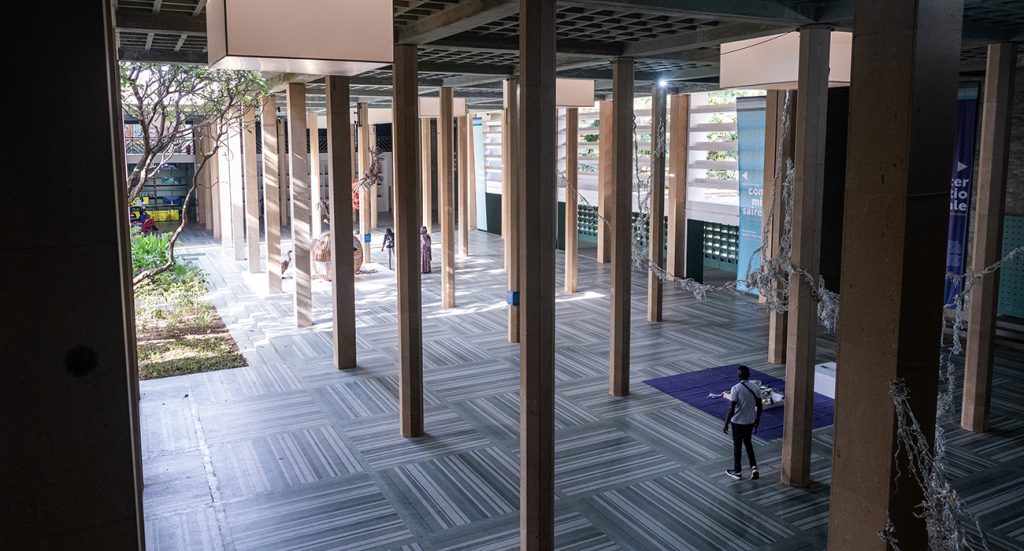
The Dakar Biennale (Dak’Art): Showcase of Contemporary African Art

The Saint-Louis International Jazz Festival: A Must-Attend Musical Event

The African Renaissance Monument: Pride and Symbol of Dakar
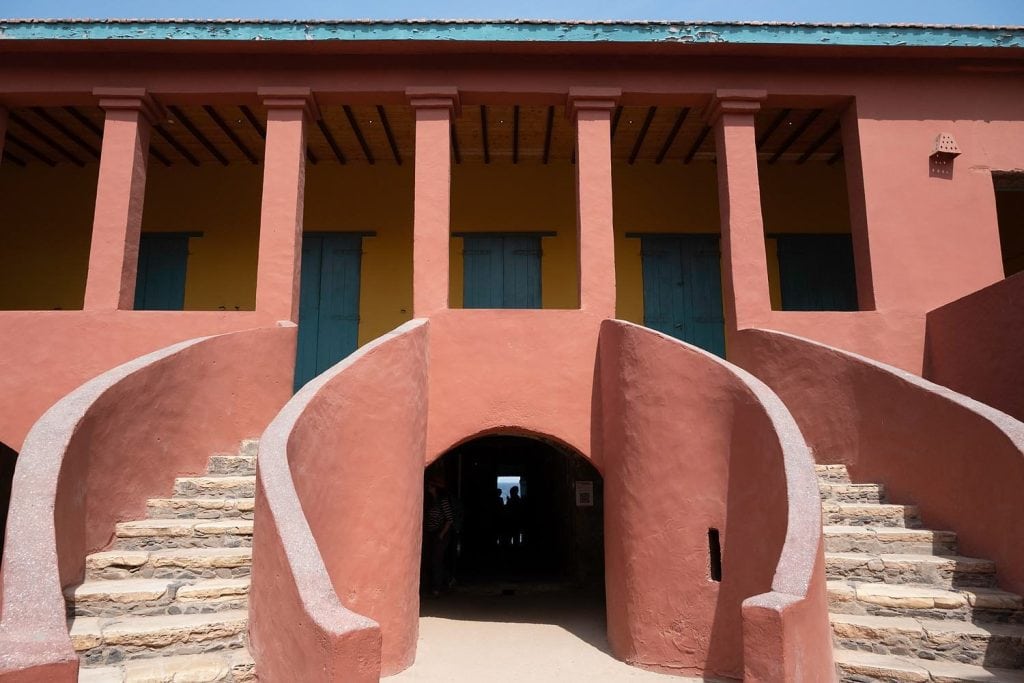
Gorée Island: Memory and World Heritage off the Coast of Dakar

Lake Rose (Lake Retba): a natural wonder at the gates of Dakar

The Sine-Saloum Delta: between mangroves, islands, and Serer traditions

The Madeleine Islands: National Park Off the Coast of Dakar

Fathala Reserve: a full-scale safari in Senegal

Bandia Park: safari in the heart of the Petite Côte

The Mosque of Divinity: Spirituality and Architecture Facing the Ocean
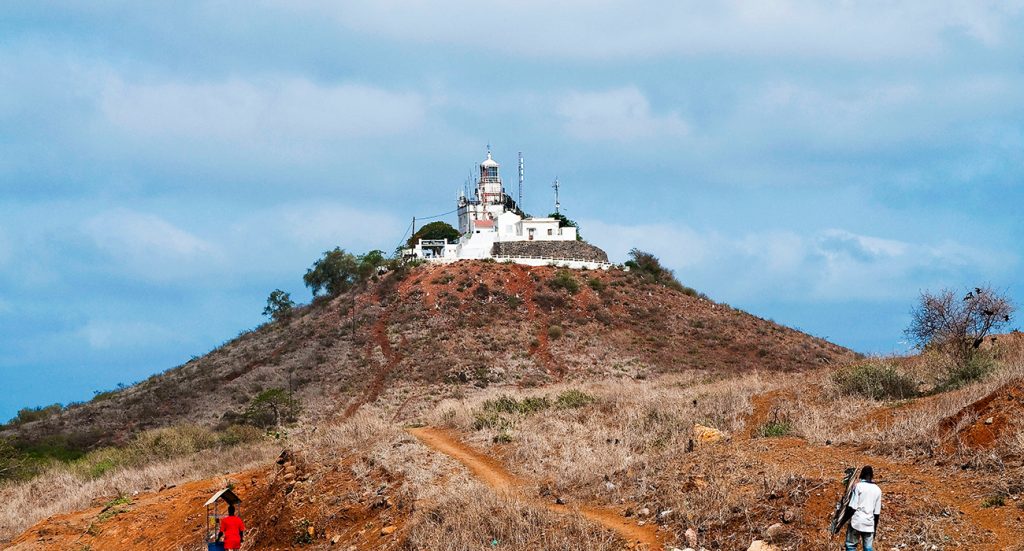
The Mamelles Lighthouse: Panorama and History of Dakar

Dakar’s Iconic Markets: Immersion into the Soul of the Capital

The House of Slaves on Gorée Island: A Universal Memory in Senegal
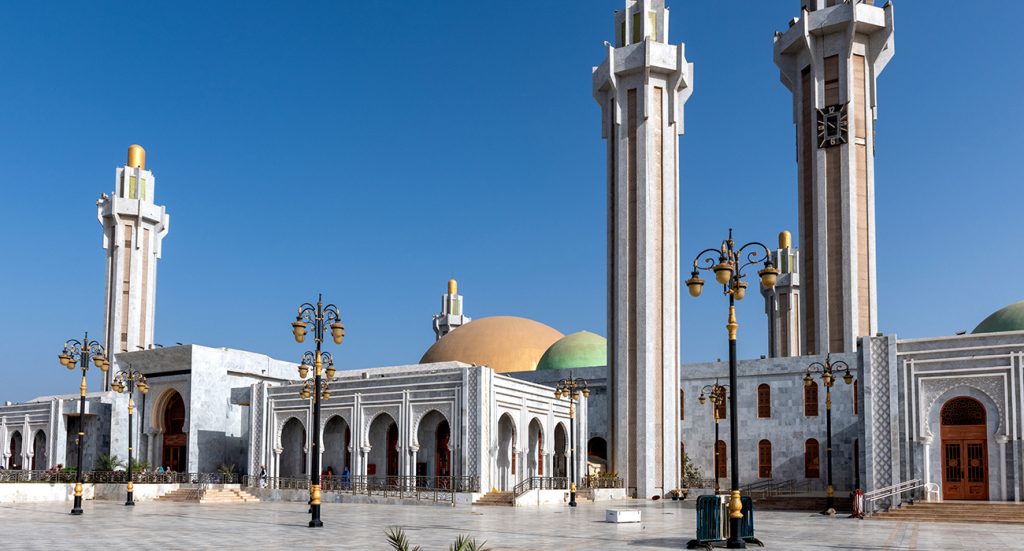
The Great Mosque of Dakar: Spirituality and Cultural Heritage

The Museum of Black Civilizations: Heritage and Modernity in Dakar

The Théodore Monod Museum of African Art: Heritage Treasure of Dakar
Ideal Itinerary : 3 Days in Dakar

The Dakar region, the beating heart of Senegal