Pointe Saint-Georges, manatees and mangroves | QFS
Accueil » Points of interest – Ziguinchor region » Pointe Saint-Georges: the end of the track where you watch for manatees

Home › Locations › Casamance › Oussouye › Pointe Saint-Georges: the end of the track where you watch for manatees

CASAMANCE

Pointe Saint-Georges: the end of the track where you watch for manatees

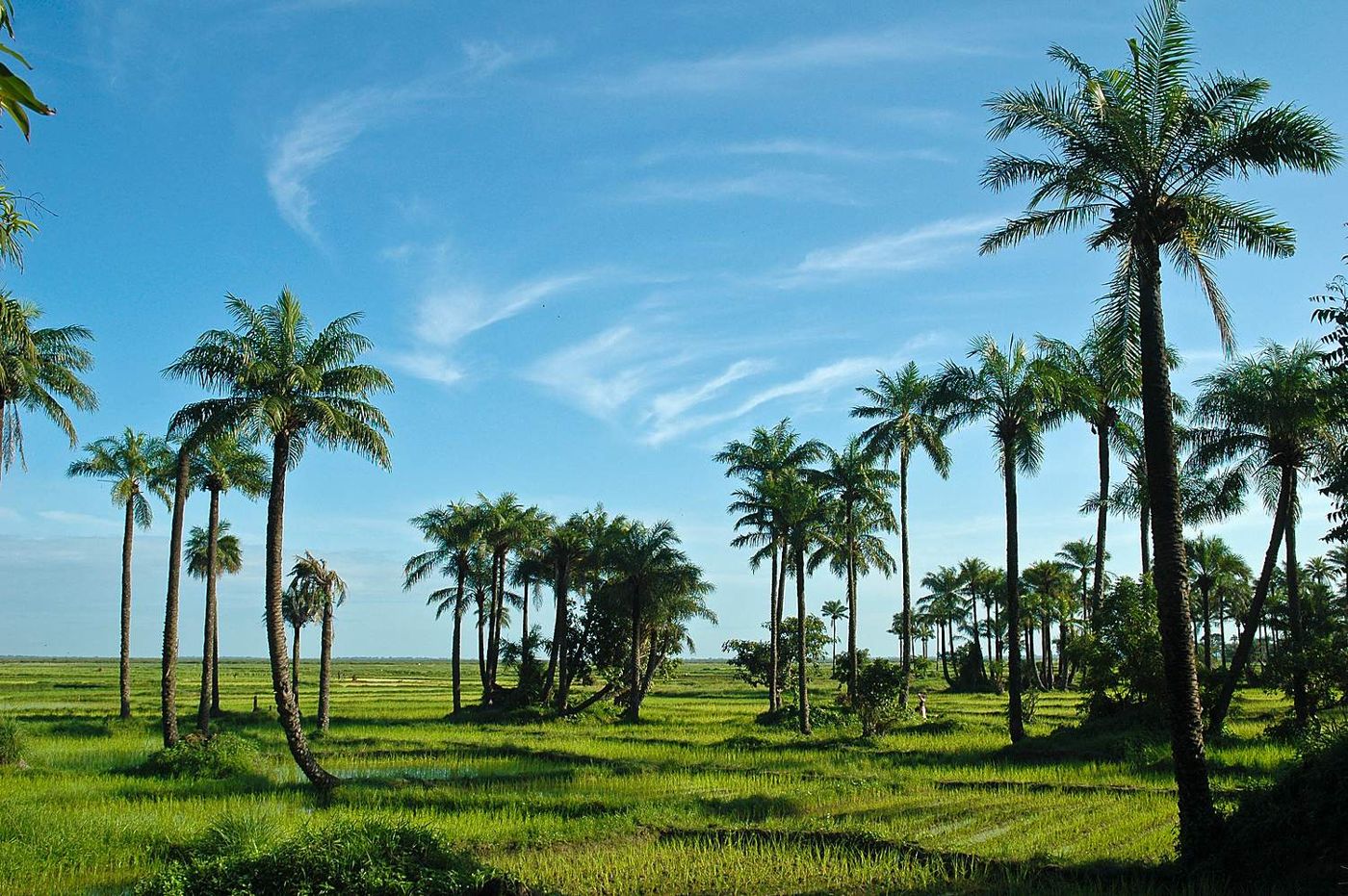
At the end of a track that crosses rice fields and forest, a Diola village faces the Casamance River. People come for the mangroves, the silence and, with a little patience, the back of a manatee breaking the surface at low tide.

Pointe Saint-Georges rewards those who are willing to wait. You do not come here to tick off an animal: you come to sit facing the Casamance River, watch the tide go out and look for a grey back breaking the surface, perhaps, between two breaths of the water. At the end of a track north of Mlomp, this small Diola village turned towards the river is a place where the West African manatee can sometimes be seen from the bank. Come without expectations: the mangroves, the light and the journey are already worth the trip.

At a glance

RegionCasamance, Ziguinchor Region, Oussouye department, Mlomp area; left (south) bank of the Casamance River, downstream of Ziguinchor
TypeDiola village on the riverbank, mangroves, bolongs (tidal creeks), forest and rice fields
AccessTrack from Mlomp or Kagnout (4×4 recommended, cycling possible in the dry season); pirogue along the river
Getting there from DakarA flight to Ziguinchor or Cap Skirring, a night on the boat to Ziguinchor, or a long day’s drive through the Gambia; then Oussouye and Mlomp
Recommended timeA day from Oussouye; a night on site to catch two low tides
Official feesNo official entry fee; a contribution is requested on site to climb the village platform
Best time to goThe dry season, November–May
Related QFS activities4×4 and hikes from Mlomp, mountain biking in Casamance, pirogue trips, traditional villages

Resident or visitor: two ways to reach the end of the track

Live in Senegal? The Pointe is the trip to make once you already know the beaches of Cap Skirring. Leave Oussouye in the morning, go via the two-storey houses of Mlomp, and keep the afternoon for the riverbank. On activities booked through QFS, you get the resident rate: up to 30% off, which makes it an easy outing to repeat in another season.

Just passing through? Resist the urge to make a quick return trip to “see the manatees”. The animal cannot be ordered. Set aside the whole day, check the tide times before you leave, and treat the manatee as a possible gift, not as the purpose of the journey.

The manatee, the spring and the tide

Why here?

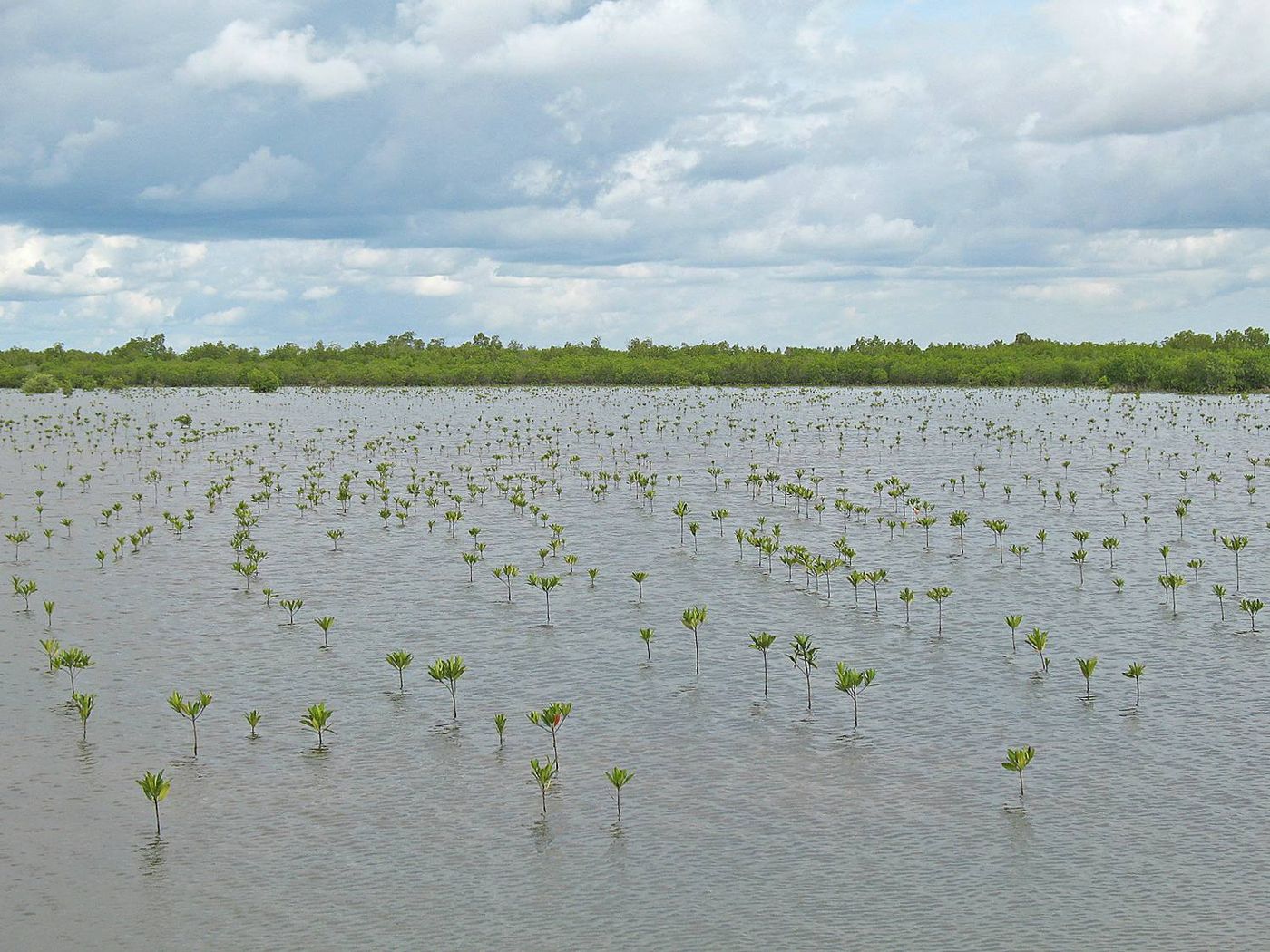
Downstream of Ziguinchor, the Casamance River is an arm of the sea: the water is salty and the tide reaches far inland. Near the Pointe, a freshwater spring rises from the bed, very close to the bank. At low tide, manatees come to this spring to drink fresh water, then head back into the river and the bolongs.

What you will really see

Do not expect an aquarium: a manatee is usually a back breaking the surface, a snout coming up to breathe, a swirl that gives away a massive body beneath the murky water. Some days, several animals appear one after another; other days, nothing. A wooden lookout tower faces the bank, from which you can watch the water without disturbing it. Stay there a long time, in silence, and let the tide do its work.

A fragile species

The West African manatee is a large herbivorous aquatic mammal, listed as vulnerable on the IUCN Red List. The threats it faces are well known: fishing nets in which it gets caught by accident, poaching, the degradation of the mangroves, dams and pollution. How you behave at the water’s edge matters.

The river’s other inhabitants

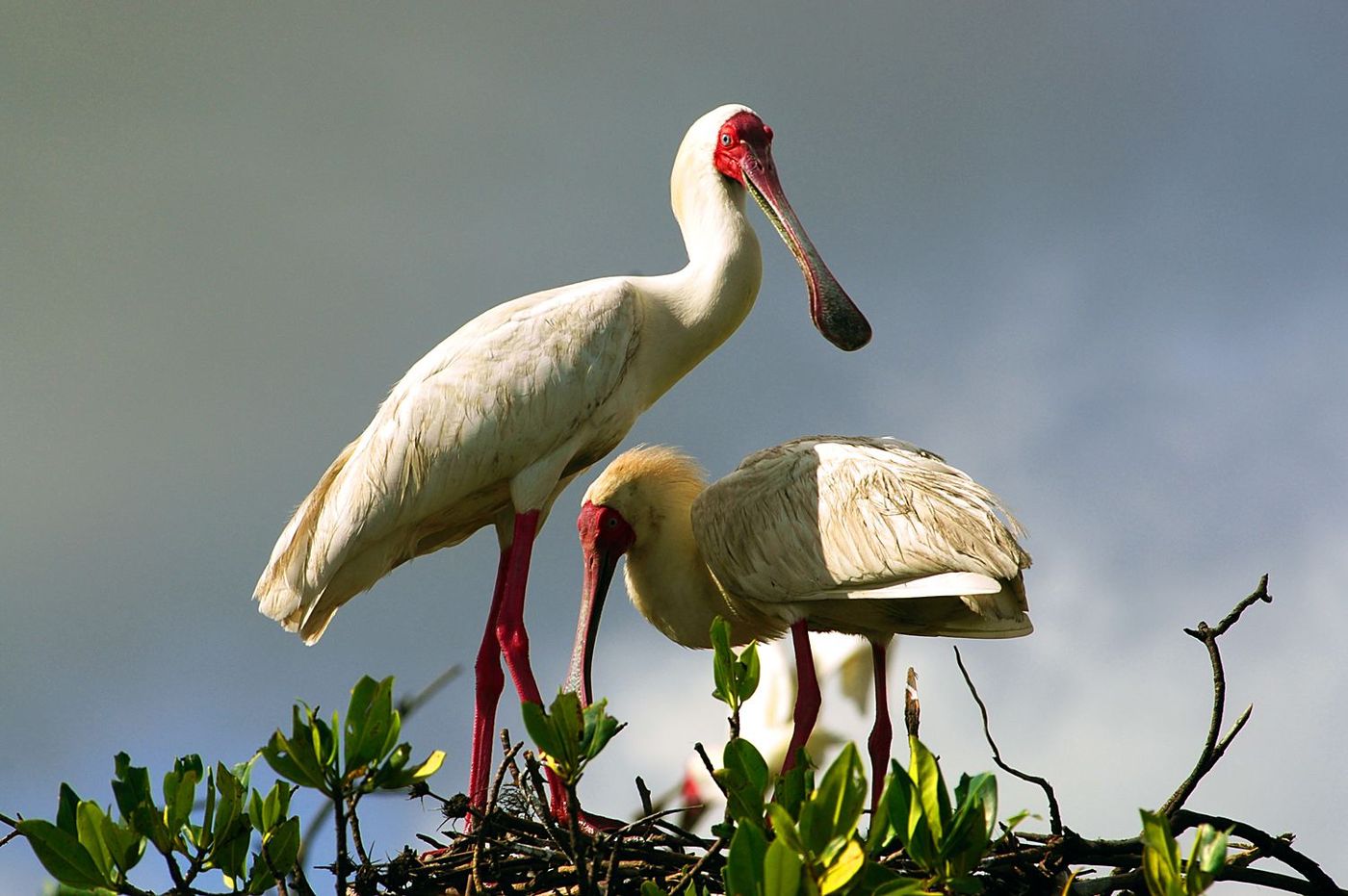
Offshore, dolphins sometimes pass by. In the mangroves, waterbirds fish in the bolongs, and the track from Mlomp crosses rice fields, marshes, savannah and forest: birdwatchers often stop along the way.

  • Traditional sites & villages

    Day in the Diola villages from Cap Skirring

    Cap Skirring · Day (8:30 am – 6 pm)


    From77 000 CFA
    Resident price73 150 CFA−5 %
  • Guided cultural tours

    Weekend stay at Oussouye and Saint-Georges Point

    Casamance · Full day, 2 days, 3 days


    From39 600 CFA
    Resident price37 620 CFA−5 %
  • Nature & culture discoveries

    Pirogue trip to Carabane Island: fishing village and dolphins

    Carabane · Half-day


    From22 000 CFA
    Resident price19 800 CFA−10 %

Key facts & figures

FactWhat you need to know
BankLeft (south) bank of the Casamance River, downstream of Ziguinchor
Administrative areaOussouye department, Mlomp and Kagnout area
Flagship speciesWest African manatee, listed as vulnerable (IUCN)
When to watchLow tide, near a freshwater spring at the river’s edge
Sighting guaranteedNo, never
AccessTrack from Mlomp or Kagnout, or pirogue along the river

Getting there & official fees

By track. From Oussouye, take the Élinkine road as far as Mlomp, about ten kilometres away, then the track heading north: less than ten kilometres to the river. Another track starts from Kagnout. Neither waymarked nor surfaced, they alternate between soft sand, ruts and stretches through the forest. In the dry season, a 4×4 gets through without any particular difficulty and cycling is a fine option; in the rainy season (hivernage), some sections can only be crossed by 4×4, and the tide can cut off the low-lying areas. For a first visit, go with someone who knows the way.

On foot. The crossing from Mlomp through the rice fields and marshes is a real hike lasting several hours, with stretches where you take your shoes off at high tide. It is not something to improvise without a guide.

By river. Pirogues link the Pointe to Ziguinchor, a trip upriver whose length depends on the tide; shorter crossings leave from neighbouring villages on the bank. Insist on a life jacket, even for a short trip.

Fees. There is no official entry ticket for the Pointe. The village platform is funded by a contribution requested on site, which has taken different forms over the years: bring cash in small notes.

What to see

The manatee bank, with its lookout tower and freshwater spring: the heart of the visit, at low tide.

The Kanoufa forest, with its great kapok trees. In one of them, a perched platform maintained by the villagers offers a view over the savannah on one side and the forest and river on the other. It is not recommended if you suffer from vertigo.

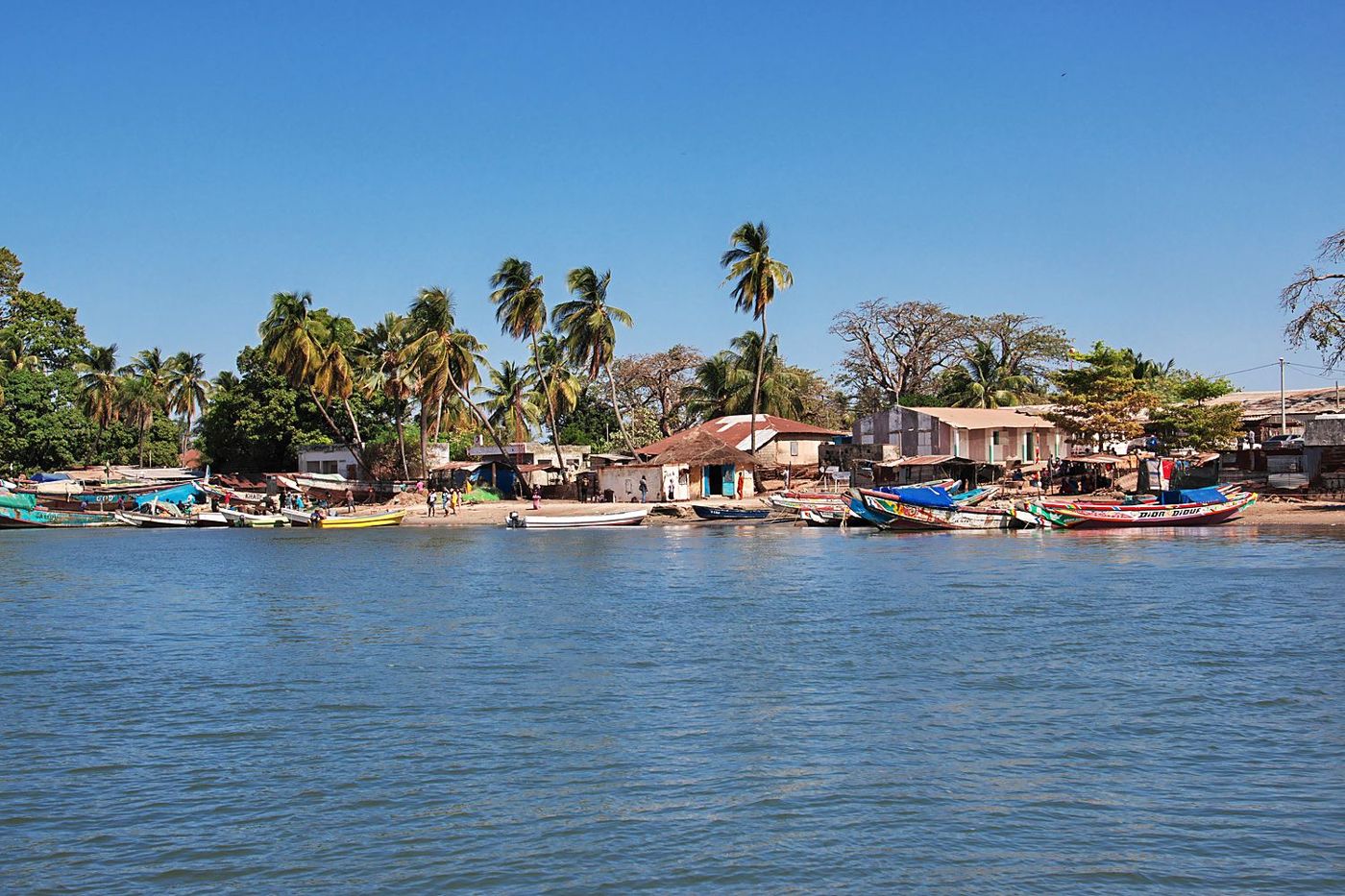
The river beach, a sandy bank lined with palm trees, where pirogues pull in and the view stretches out towards the estuary.

The village, Diola, turned towards the river and the rice fields: a place where people live, not a stage set.

Nearby

  • Mlomp: the two-storey banco (mud brick) houses and the small museum of Diola culture, to visit on the same route.
  • Oussouye: the king’s town, the ideal base for exploring by bike or 4×4.
  • Édioungou: the potters’ village, a few kilometres from Oussouye.
  • Elinkine, the fishing port at the end of the road, and Carabane Island, reached by pirogue from its quays.
  • Éloubaline Island and its impluvium houses, by pirogue from the Oussouye bank.
  • For the region as a whole, see our Casamance page.
  • Adventure & outdoors

    Bike hire in Cap Skirring

    Cap Skirring · Half-day


    From5 500 CFA
    Resident price5 225 CFA−5 %
  • Excursions & adventures

    Mountain bike and pirogue trip in Casamance

    Casamance · 6h


    From28 160 CFA
    Resident price22 528 CFA−20 %
  • Quad & buggy

    Quad biking in Cap Skirring

    Cap Skirring · 2h, Full day


    From49 500 CFA
    Resident price47 025 CFA−5 %

The right time

The dry season, November–May, is the right one: the tracks are passable and the river is easier to read. The deciding factor, though, is the tide: check the time of low tide before you leave and plan the day around it, not the other way round. Late afternoon on the river beach brings the finest light over the estuary.

Practical tips

  • Silence at the lookout tower. No shouting, no throwing stones, no drone over the water, no approaching a spotted animal by pirogue. A disturbed manatee swims away.
  • Do not feed anything, and do not swim near the spring.
  • Respect the village: greet people, and ask before photographing a person, a house or a place of worship. In Diola country, some woods are sacred: you do not enter them without an invitation.
  • Clothing: closed shoes for the track, long sleeves and mosquito repellent in the evening, a hat and water.
  • Cash: there is no cash machine on site; bring small notes for the village contribution and the crossings.
  • Safety: as everywhere in Casamance, travel by day and ask in Oussouye about the state of the track before setting off.

Book an activity here with QFS

Trips to the Pointe are run by independent local professionals. For the track with a suitable vehicle and a nature guide, see 4×4 (safari & dunes) and guided hikes, which include the day by 4×4 from Mlomp to the Pointe and mountain biking in Casamance; for the river and the bolongs, pirogue trips; for Mlomp, Éloubaline and the Diola villages, traditional sites & villages; and for the mangrove birds, birdwatching.

The price shown is the price of the activity. You pay 20% to secure your booking (the booking fee). The balance is paid on site, on the day, to the provider. The contribution requested by the village for the platform is paid on site and is not included in the price, unless the listing states that visiting charges are included. If you live in Senegal, you get the resident rate: up to 30% off (the exact rate is shown on each listing).

Frequently asked questions

Are you guaranteed to see manatees at Pointe Saint-Georges?
No, never. Manatees come to a freshwater spring at low tide, but on some days none appear. Come for the place, and count the animal as a bonus.
Where exactly is Pointe Saint-Georges?
On the left (south) bank of the Casamance River, downstream of Ziguinchor, north of Mlomp and Kagnout, in the Oussouye department.
How do you get there from Oussouye?
Along the Élinkine road as far as Mlomp, then on a track heading north, by 4×4 or by bike in the dry season. You can also arrive by river, by pirogue.
Do you have to pay an entry fee?
There is no official entry ticket. The village asks for a contribution on site for the platform: bring cash.
What is the best season?
The dry season, November–May, when the tracks are passable. The most important thing is still to come at low tide.
Can you go during the rainy season?
It is possible but harder: some sections of the track can only be crossed by 4×4 and the tide can cut off the low-lying areas. Ask in Oussouye before setting off.

Read also