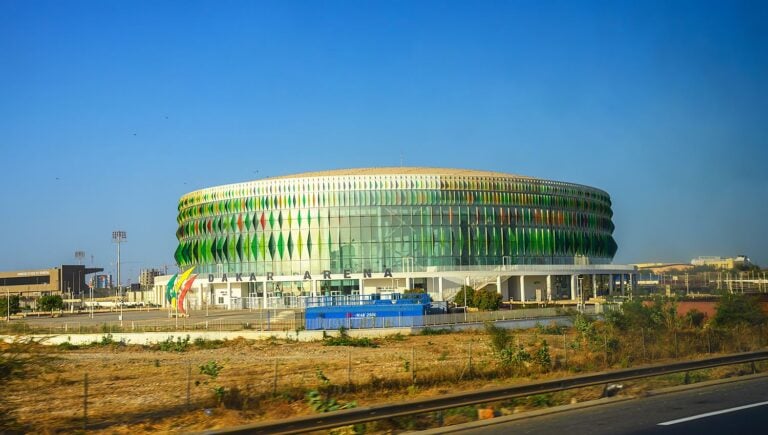
Dakar 2026 Youth Olympic Games: your guide to Africa’s first Olympic Games, from the stands
From 31 October to 13 November 2026, Dakar, Diamniadio and Saly will host the Youth Olympic Games, the first Olympic event in…
Read the article ›
Home › Locations › Casamance › Carabane › Carabane Island: reading Casamance’s former capital on foot
CARABANE
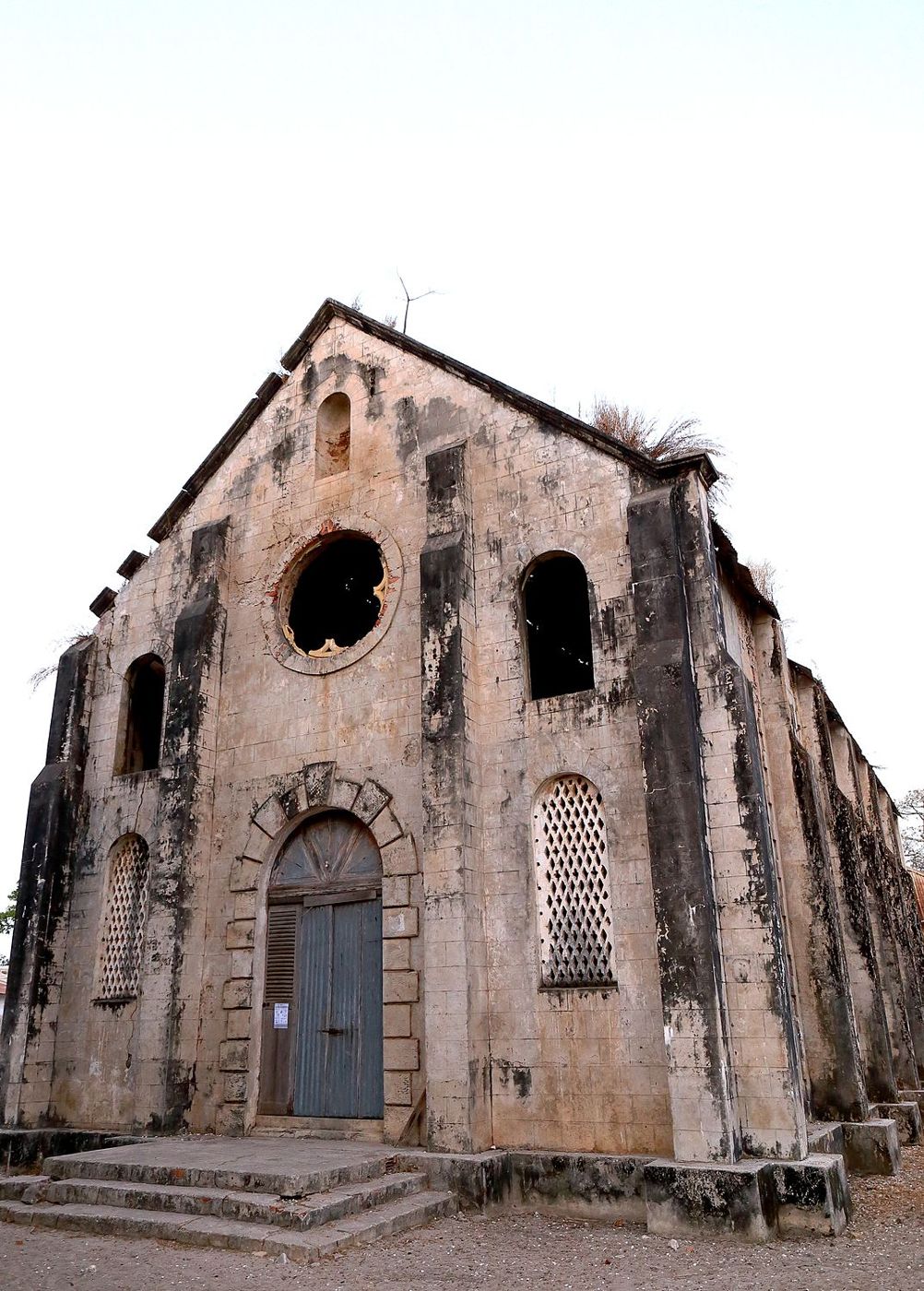
The first French trading post in Casamance, Carabane was the region's capital before handing the title over to Ziguinchor. What remains is a Breton-style church, a cemetery facing the water and trading-post walls that you can read on foot, in the right order.
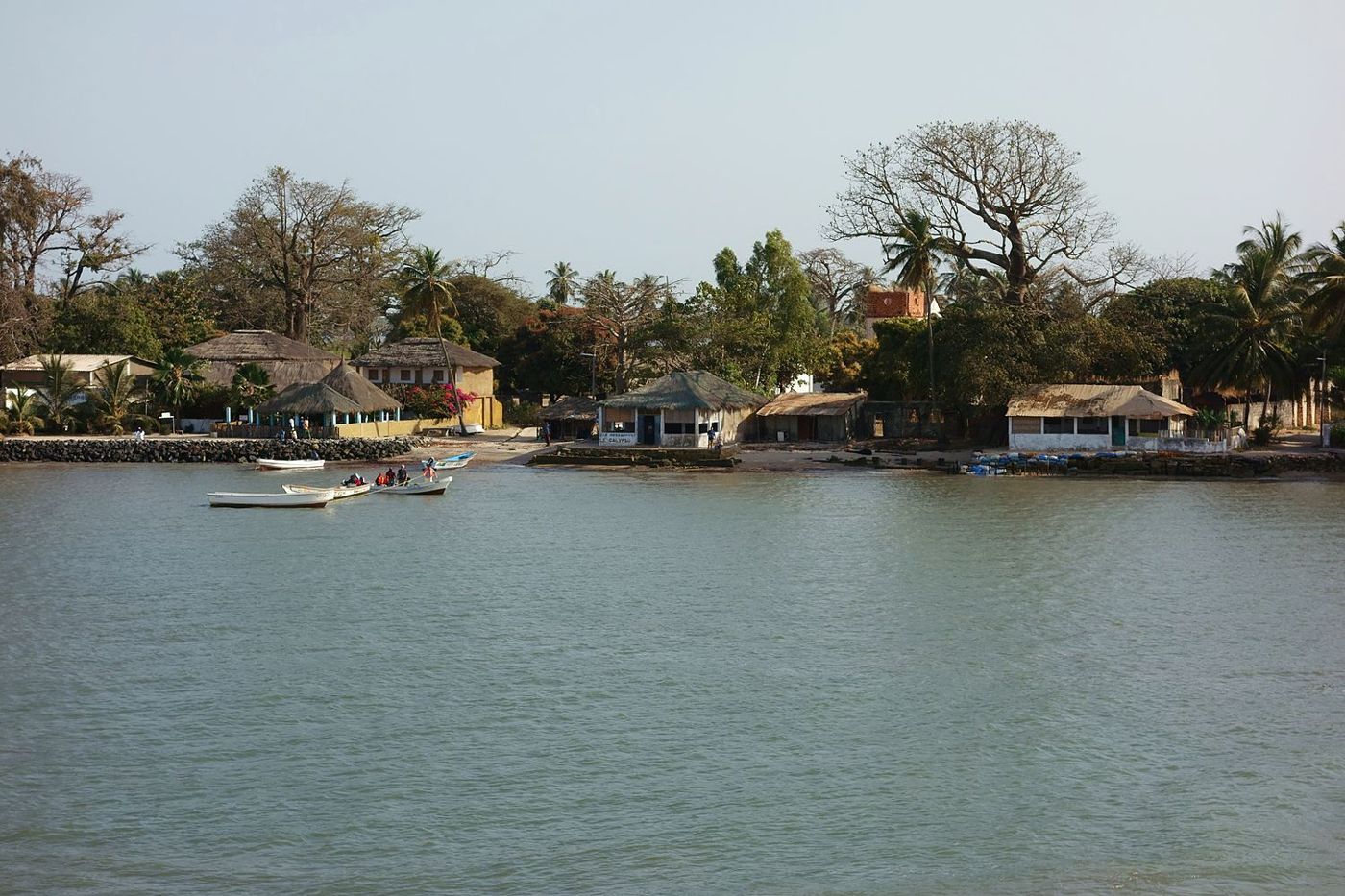
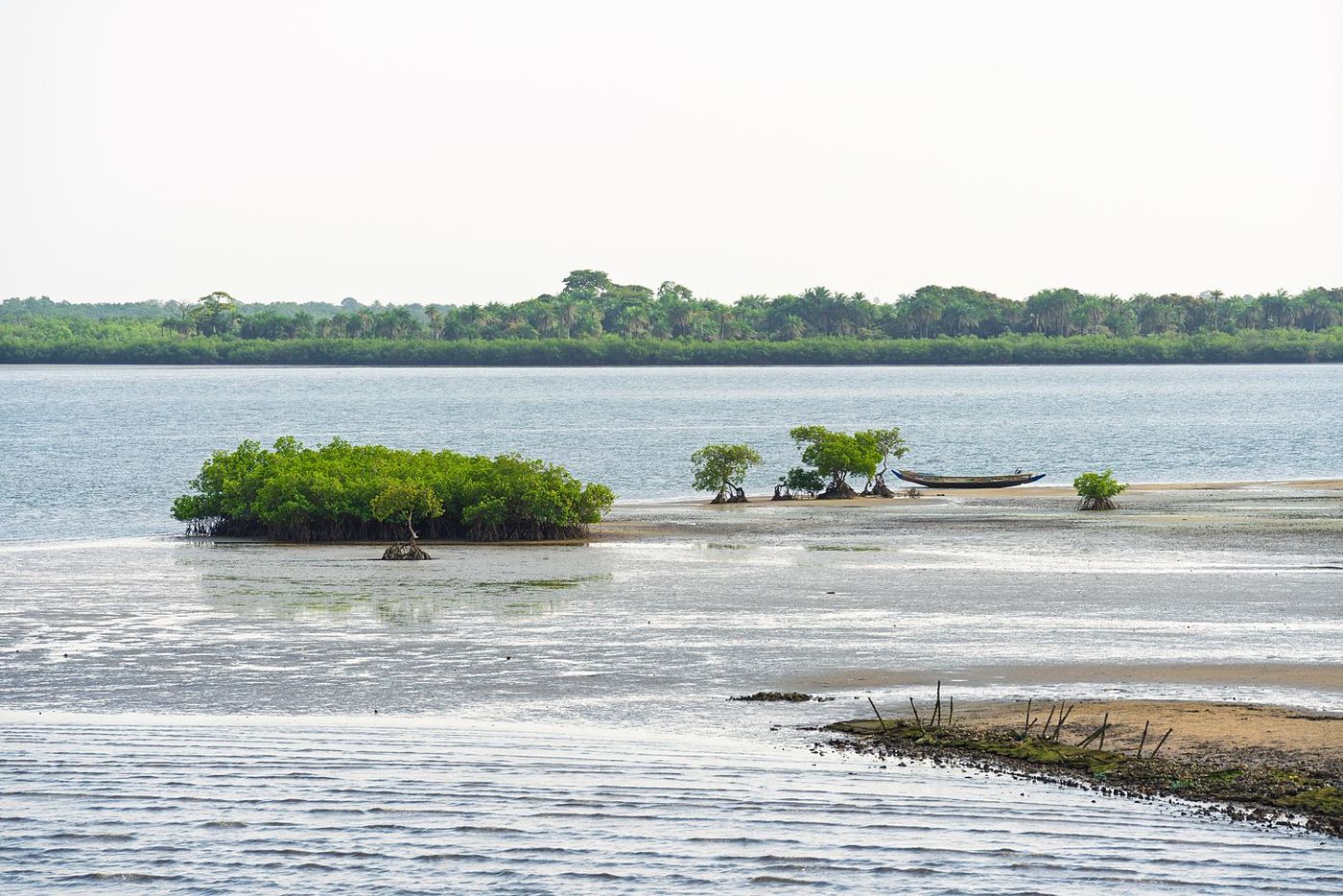
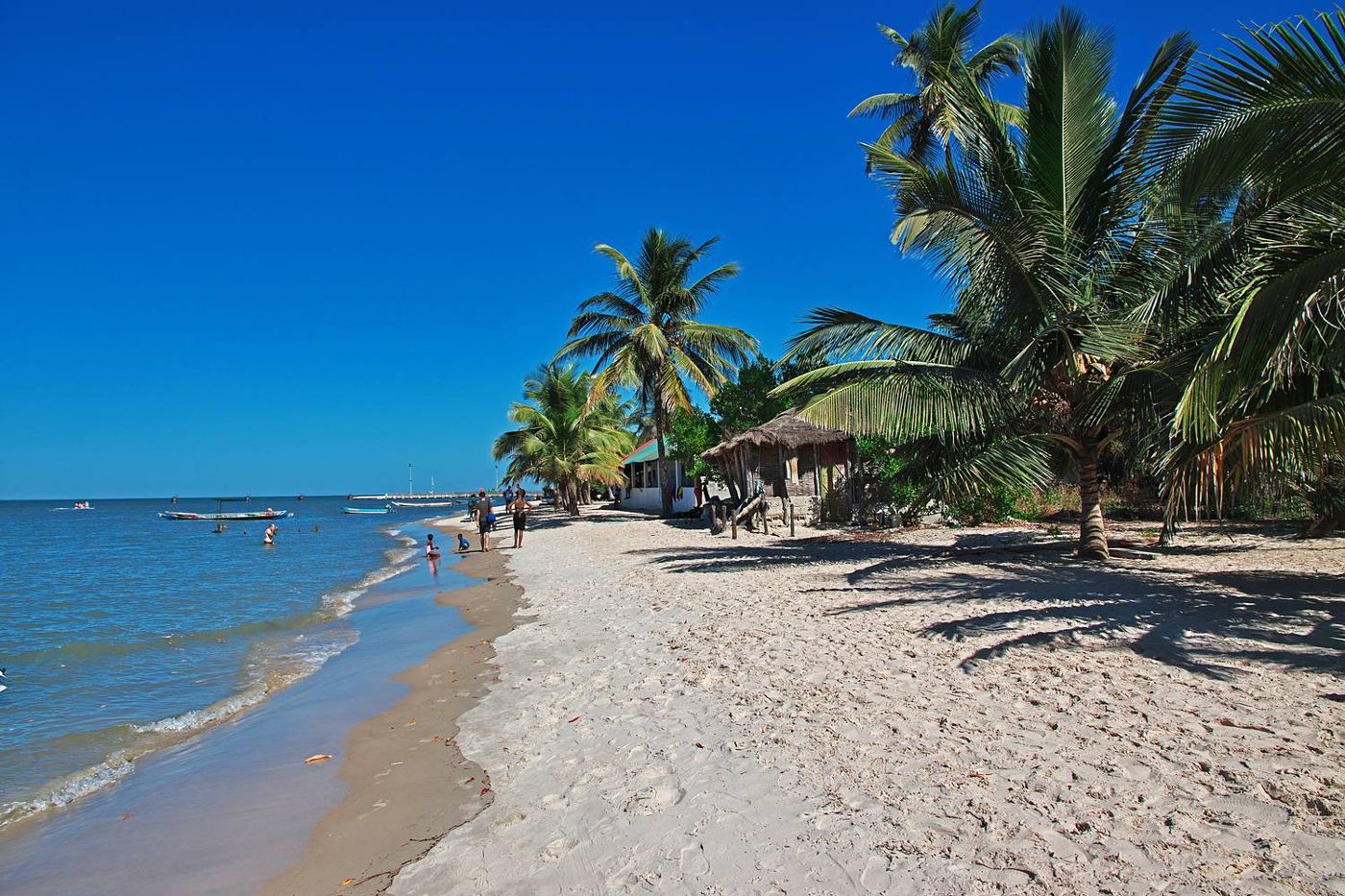
The mistake, on Carabane Island, is to take it for a beach island with a bit of history thrown in. It is the other way round: a former capital, the capital of all Casamance, that the sand, the coconut palms and the mangrove have reclaimed piece by piece. If you step ashore without knowing what to look for, you will see a pretty village. If you follow the thread, from the landing stage to the church, then to the cemetery and the walls of the old trading houses, you will read nearly seventy years of colonial history in a morning’s walk. This page gives you that thread.
| Region | Casamance — Ziguinchor Region, Oussouye department, Diembéring commune |
| Type | Car-free inhabited island at the mouth of the Casamance River; former trading post and the region’s first colonial administrative capital |
| Getting there from Dakar | Flight to Ziguinchor or Cap Skirring, then the road to Elinkine and a pirogue; or the Dakar–Ziguinchor night boat, which calls at Carabane |
| Crossing from Elinkine | By motorised pirogue, about 15 to 30 minutes depending on the tide |
| Recommended time | A morning for the heritage; one or two nights for the island |
| Official fees | No additional official fees for the island; the Dakar–Ziguinchor boat ticket is paid separately |
| Best time to go | Dry season, November–May; ideally November–February |
| Status | On the UNESCO World Heritage Tentative List (2005), not on the World Heritage List |
| Related QFS activities | Pirogue trips, island excursions, guided cultural tours, birdwatching |


Live in Senegal? The risk is never going because “it is far”. Do the maths differently: the night boat from Dakar calls at Carabane before heading up to Ziguinchor, which drops you straight on the island instead of putting you through a day on the road. For a long weekend or a bank holiday, it is one of the most transporting getaways in the country. On activities booked through QFS, you get the resident rate: up to 30% off.
Just passing through? The opposite risk: a lightning round trip from Cap Skirring, an hour on the island, a photo of the church and back again. You will have seen the façade, not the island. Allow a full morning at the very least, ideally a night, to walk without hurrying and watch the light fall over the estuary. And remember that Carabane is a lived-in village, not a museum: say hello before you take photos.
It all begins in 1836. That year, the chief of the village of Kagnout, on the neighbouring bank, cedes the island to France. Carabane becomes the first French trading post in Casamance: a foothold at the river mouth, where the river meets the ocean, from which the passage of pirogues and the trade of the hinterland could be controlled. Trading houses set up here, with their warehouses and quays. Several sources also mention a role as a slave-trading point, in the final years when the trade was still being carried on; on the island, some buildings will be presented to you as linked to that past, though their function is not always established.
The island then becomes the first administrative capital of Casamance. A Catholic mission settles here at the end of the 19th century, with missionaries from France who build the church and launch the evangelisation of the whole region from Carabane. The trading post is at its height.
Then the centre of gravity shifts. Ziguinchor, further upstream, takes over, and the administration moves there at the very start of the 20th century. Carabane loses its title, its merchants and a large share of its inhabitants. The warehouses empty, the walls remain. That is what you come to see: not a town frozen in time, but a capital that withdrew, leaving its traces in a fishing village.
The captain buried standing up. The island’s most famous story is told at the cemetery. A French officer, Captain Protet, is said to have died here from a poisoned arrow during a clash with fighters from the region, and to have asked to be buried standing up, facing the sea. It is an oral tradition, passed on through many accounts and repeated on every tour, but there is no way of verifying it. Even his identity is debated: some sources, including the UNESCO entry, confuse him with the naval officer associated with the founding of Dakar; others identify him as a marine infantry captain of the same name, called Aristide. Listen to the story for what it is: a legend that has become the island’s emblem.
Réservez votre sortie avec nos prestataires locaux. Le prix du service est distinct des éventuels coûts officiels réglés sur place.
Day in the Diola villages from Cap Skirring
Cap Skirring · Day (8:30 am – 6 pm)
Weekend stay at Oussouye and Saint-Georges Point
Casamance · Full day, 2 days, 3 days
Pirogue trip to Carabane Island: fishing village and dolphins
Carabane · Half-day
| Fact | Figure | Note |
|---|---|---|
| Ceded to France | 1836 | By the chief of the village of Kagnout |
| Colonial role | First French trading post in Casamance, then first administrative capital | Until the very start of the 20th century, when Ziguinchor took over |
| Church | Late 19th century, Breton style | Dates vary between sources; restored in the late 2010s |
| Heritage | UNESCO World Heritage Tentative List since 2005 | A preliminary step: the island is not a World Heritage Site |
| Administrative area | Diembéring commune, Oussouye department, Ziguinchor Region | Lower Casamance |
| Crossing from Elinkine | About 15 to 30 minutes | Depending on the tide and the engine |
| Official fees | None | No entry charge for the island |
Via Elinkine, the usual route. From Ziguinchor or Cap Skirring, the road runs via Oussouye to the fishing port of Elinkine, where it comes to a stop at the river: allow one to two hours from Ziguinchor, a little less from Cap Skirring. From there, a motorised pirogue crosses to Carabane in about 15 to 30 minutes; the departure time depends on the tide, so ask the day before. From Dakar, the quickest option is a flight to Ziguinchor or Cap Skirring, followed by a transfer to the landing stage.
By the Dakar boat, the most beautiful route. The public Dakar–Ziguinchor sea link leaves Dakar in the evening, calls at the Carabane pontoon, then heads up the river to Ziguinchor the next morning. Arriving this way, at daybreak, from the sea, is to enter the island as the 19th-century merchants did. Tickets are bought from the shipping company, separately from your QFS booking; check the schedule of stops when you book, as it changes.
Official fees. No additional official fees: there is no entry charge for the island, the church or the cemetery. You only pay for the crossing and, if relevant, the boat ticket.
Carabane is the natural hub of a string of islands at the river mouth: Cachouane and Wendaye Island, which you cross on foot between rice paddies and mangrove, Ourong Island or Egueye Island. On the mainland, the two-storey houses of Mlomp, the village of Oussouye, heart of Diola country, and the pirogue to Éloubaline Island. On the ocean side, Cap Skirring and Pointe Saint-Georges. To plan your stay on the island, see our Carabane page; for the bigger picture, Casamance.
Excursions, visites guidées et combinés : nos prestataires locaux organisent tout.
Mountain bike and pirogue trip in Casamance
Casamance · 6h
| Period | What happens | Our view |
|---|---|---|
| November–February | Dry season, milder air, clear skies | The best window for walking and boat trips |
| March–May | Still dry, hotter | Very good, as long as you set off early |
| June–October | Rainy season (hivernage): rain, green rice paddies, mosquitoes | For lovers of greenery, if you accept less predictable crossings |
During the day, do the heritage sites early in the morning, when the light is soft on the church façade and the heat still lets you walk. Keep the beach for the afternoon. The finest moment is the end of the day: the sun sets over the river mouth, on the ocean side, and the pirogues come back from fishing. Find a spot on the beach, facing west.
To discover Carabane and its neighbours, head out with an independent local professional: pirogue trips around the island and through the bolongs (tidal creeks), island excursions to take in several islands at the river mouth, guided cultural tours to unlock the heritage, birdwatching in the mangrove or the traditional sites & villages of Lower Casamance. To get here, see the airport / Cap Skirring – Ziguinchor transfers, intercity transfers and taxi-boat / sea transfers.
The price shown is the price of the service. You pay 20% to secure your booking (the booking fee), and the balance is paid on site, on the day, to the professional. There are no additional official fees for the island; the Dakar–Ziguinchor boat ticket, if you take it, is bought separately and not included in the price. If you live in Senegal, you get the resident rate: up to 30% off (the exact rate is shown on each listing).

From 31 October to 13 November 2026, Dakar, Diamniadio and Saly will host the Youth Olympic Games, the first Olympic event in…
Read the article ›October closes the rainy season and opens the finest season of the year. Workshops for children, sport, wellness, classes and getaways: everything…
Read the article ›In Senegal, the day runs to the rhythm of five prayers whose times follow the sun, and so shift a little every…
Read the article ›Good deals, news and highlights from Senegal, straight to your WhatsApp.