Édioungou: the potters' village near Oussouye | QFS
Accueil » Points of interest – Ziguinchor region » Édioungou: the village where *bolong* clay becomes a jar

Home › Locations › Casamance › Oussouye › Édioungou: the village where *bolong* clay becomes a jar

CASAMANCE

Édioungou: the village where *bolong* clay becomes a jar

On the outskirts of Oussouye, a small Diola village draws its clay from the bed of the *bolongs* and turns it, by hand and without a kiln, into burgundy-coloured jars. You come for a craft and leave with a sense of the whole region.

In Édioungou, pottery is not something you buy first: it is something you watch being born. In this Diola village on the edge of a bolong (tidal creek), a few kilometres from Oussouye, almost every yard has a potter building her jars by hand, coil of clay after coil of clay, then firing them on the bare ground under a fire of wood and palm fronds. Do not come for a souvenir shop: come for an hour sitting next to a woman doing what her mother and grandmother did before her, and you will understand Édioungou pottery better than at any market stall.

At a glance

RegionCasamance — Ziguinchor Region, Oussouye department, Oukout commune
TypeDiola village of women potters, on the edge of a bolong, between rice fields and forest
Getting there from DakarA flight to Ziguinchor or Cap Skirring, the night ferry to Ziguinchor, or a long day’s drive; then roughly 45 minutes to an hour by road to Oussouye
From OussouyeA few kilometres: a few minutes by car, about 15 minutes by bike
Recommended timeHalf a day; a full day with the pirogue to Éloubaline
Official feesNo additional official fees
Best time to goDry season, November to May
Related QFS activitiesTraditional sites & villages, guided cultural tours, mountain biking, pirogue trips

Resident or visitor: two ways to miss the point

Live in Senegal? You have probably come across an ochre or burgundy jar at a market without wondering where it came from. Édioungou is your chance to trace it back to its source, on a long weekend in Oussouye or Cap Skirring. The village only needs half a day: it is the ideal stop on a stay in Lower Casamance, between a day cycling to Mlomp and an afternoon in a pirogue. On activities booked through QFS, you get the resident rate: up to 30% off.

Just passing through? The trap is the ten-minute stop between Ziguinchor and the beach: a glance, a photo, a piece bought in a hurry. Take the time for the full demonstration and let the potter explain each step. You are in someone’s home, in her yard, in front of her family: you greet people, sit down when invited and ask before taking photos.

From bolong mud to burgundy jar

It all starts with the water. The clay is taken from the bed of the nearby bolongs, those saltwater channels lined with mangrove trees. Laden with salt, it cannot be worked as it is: it is left to lose its salt, exposed to the air and the rain, before being pounded into powder.

Then comes the ingredient that is the signature of Édioungou pottery: shells. Gathered in the mangroves, they are burned, then pounded in a mortar and mixed into the clay with a little water. This temper helps the piece hold together in the firing without cracking. The paste is kneaded by hand until it reaches the right consistency.

The pieces are built without a wheel. The potter rolls out coils of clay, flattens them slightly and stacks them in a spiral to raise the wall, smoothing it as she goes. The decoration comes next, then the piece dries in the shade before firing.

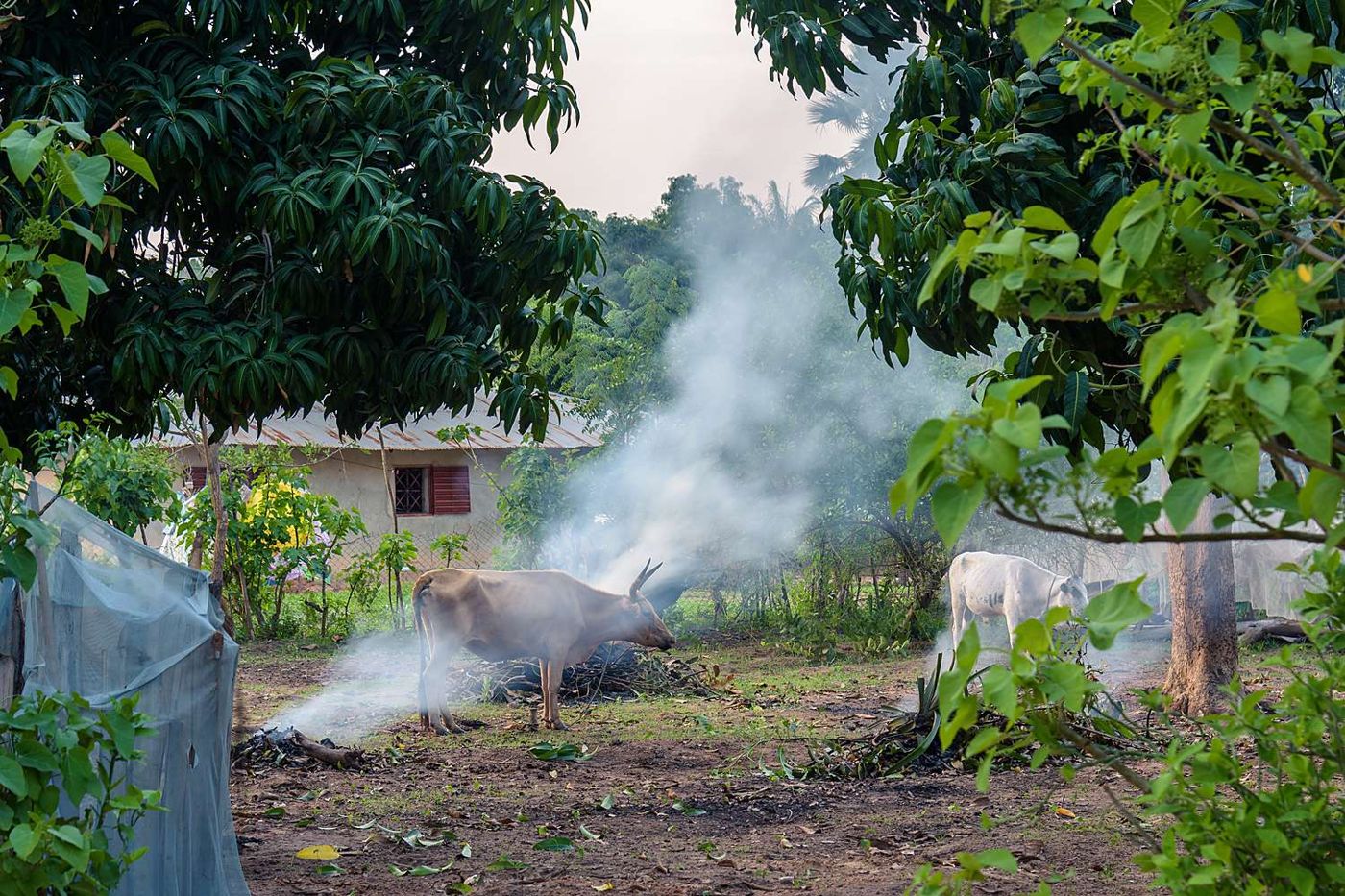
Finally, the firing needs no kiln. The pieces are laid on the ground, covered with dry wood and palm fronds, and the fire wraps around them until they glow red; the largest take much longer than the small ones. Once cool, they receive a plant-based glaze made from a local fruit, which gives them their sheen and that unmistakable burgundy colour.

A women’s craft. In Édioungou, pottery is exclusively women’s work. It is handed down from mother to daughter, from generation to generation, and the village’s reputation has long reached well beyond its neighbours. Today, the potters sell to passing travellers and to the surrounding villages, and organise among themselves to welcome visitors and train the younger women.

  • Traditional sites & villages

    Day in the Diola villages from Cap Skirring

    Cap Skirring · Day (8:30 am – 6 pm)


    From77 000 CFA
    Resident price73 150 CFA−5 %
  • Guided cultural tours

    Weekend stay at Oussouye and Saint-Georges Point

    Casamance · Full day, 2 days, 3 days


    From39 600 CFA
    Resident price37 620 CFA−5 %
  • Nature & culture discoveries

    Pirogue trip to Carabane Island: fishing village and dolphins

    Carabane · Half-day


    From22 000 CFA
    Resident price19 800 CFA−10 %

Key facts & figures

FactFigureNote
Administrative areaOukout commune, Loudia Ouolof arrondissement, Oussouye departmentZiguinchor Region, Lower Casamance
Distance from OussouyeA few kilometresEast of the town
MaterialBolong clay, with the salt removedTemper of burned, crushed shells
TechniqueCoil-built, without a wheelEntirely by hand
FiringOn the bare ground, under dry wood and palm frondsNo kiln
FinishGlaze made from a local fruitBurgundy colour
Official feesNoneNo entry charge for the village

Getting there & official fees

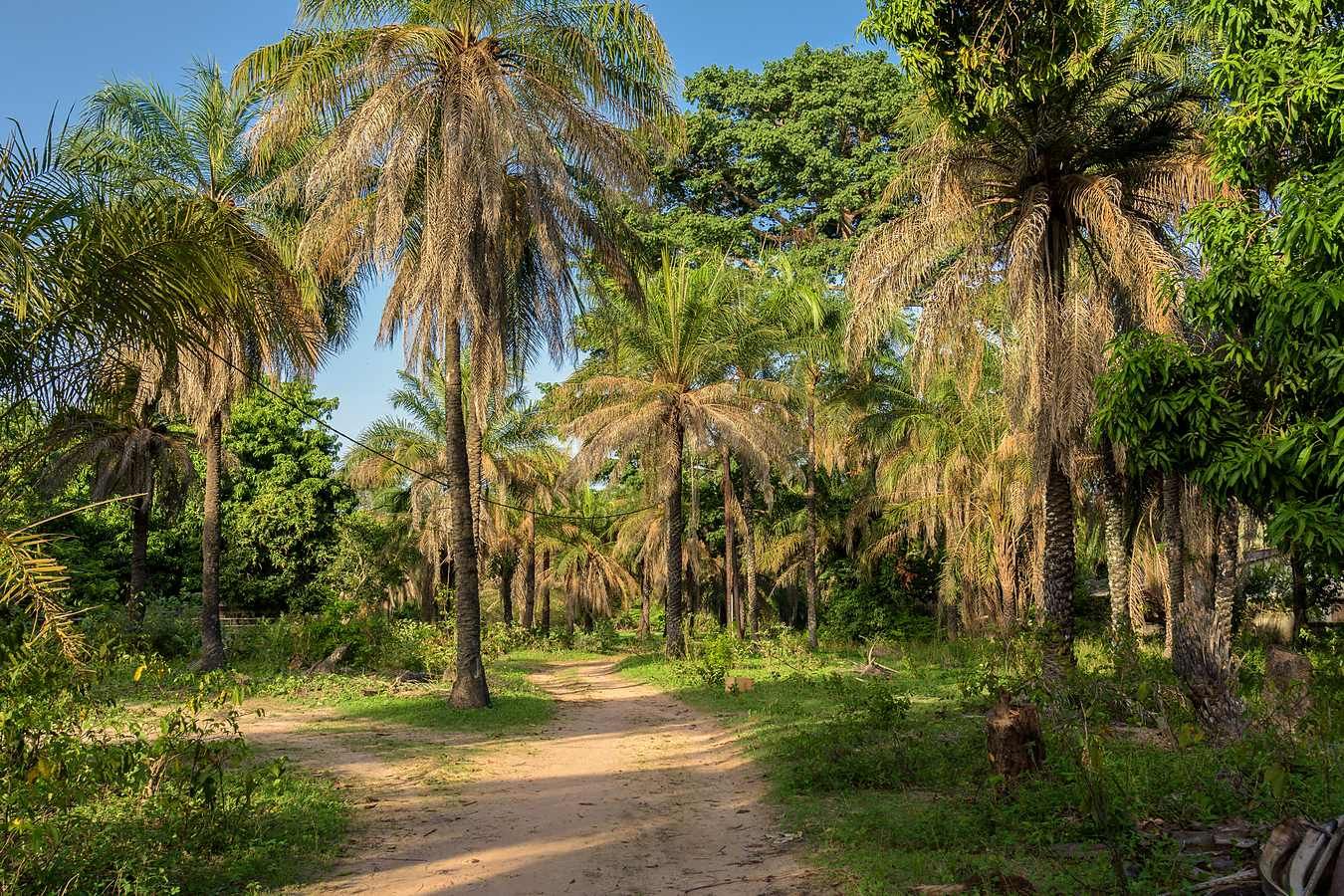
Édioungou is a few kilometres from Oussouye, off the tarmac road linking Ziguinchor and Cap Skirring. From Ziguinchor, allow roughly 45 minutes to an hour by road; from Cap Skirring, half an hour to Oussouye. The most pleasant way remains by bike from the town: about 15 minutes, on flat ground, between rice fields and palm trees.

From Dakar, there are three options: a flight to Casamance, the night ferry to Ziguinchor, or a long day’s drive via the Gambia.

Official fees. No additional official fees: there is no entry charge for the village. A demonstration with a potter, however, is paid for with a contribution, to be agreed with her before you start, and pieces are paid for in cash.

What to see

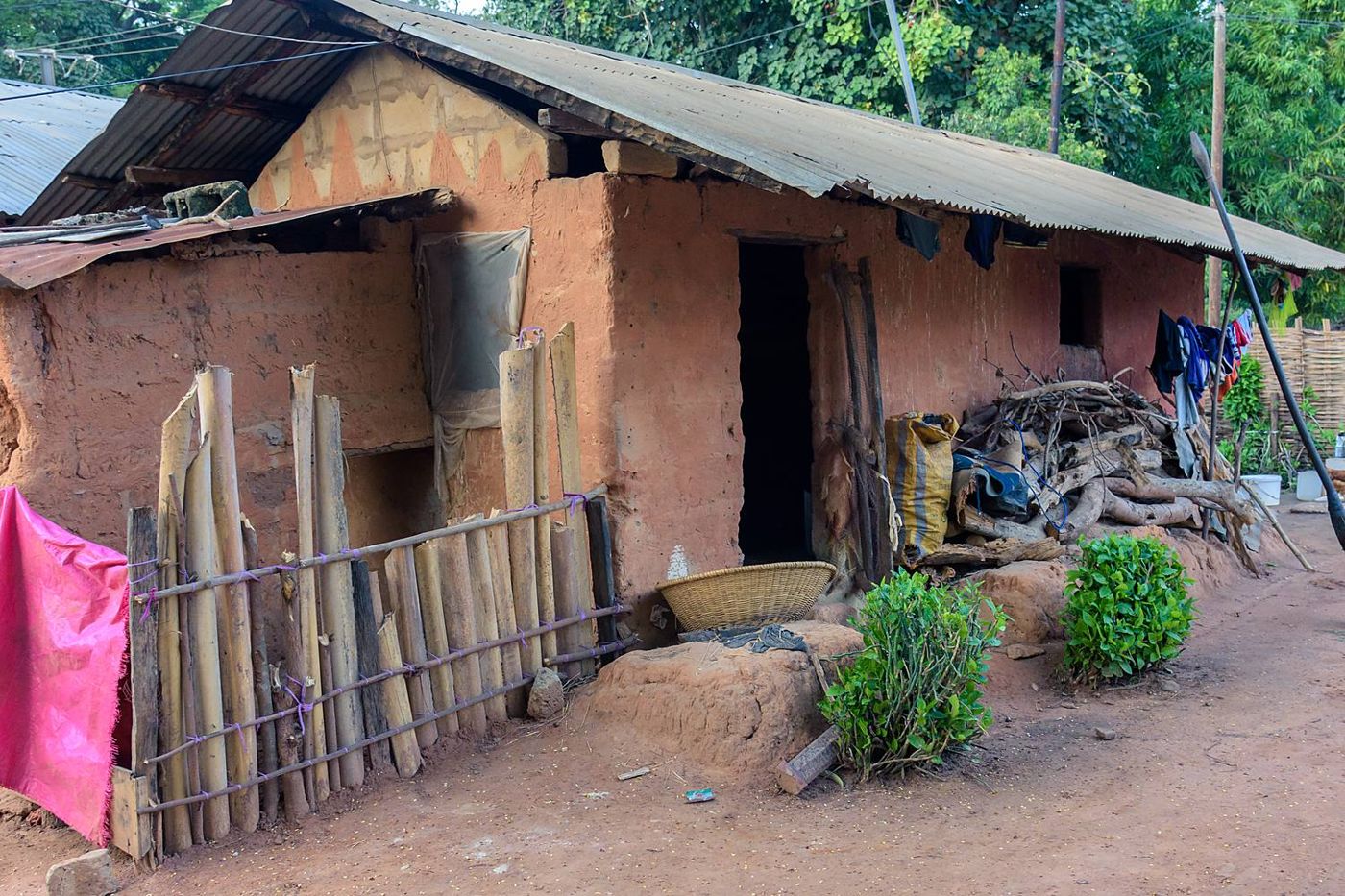
  • The workshops in the yards. This is the heart of it: a mat, coils of clay, and pieces at every stage, from the freshly built pot to the fired jar.
  • The finished pieces. Water and storage jars, pitchers, canaris (earthenware pots) and decorative pieces: production ranges from household use to ornament.
  • The firing. If you happen to arrive on a firing day, stay: watching the pieces glow red under the palm fronds is worth the trip.
  • The bolong and the landing stage. It is from Édioungou that pirogues leave for Éloubaline Island, through the mangroves.
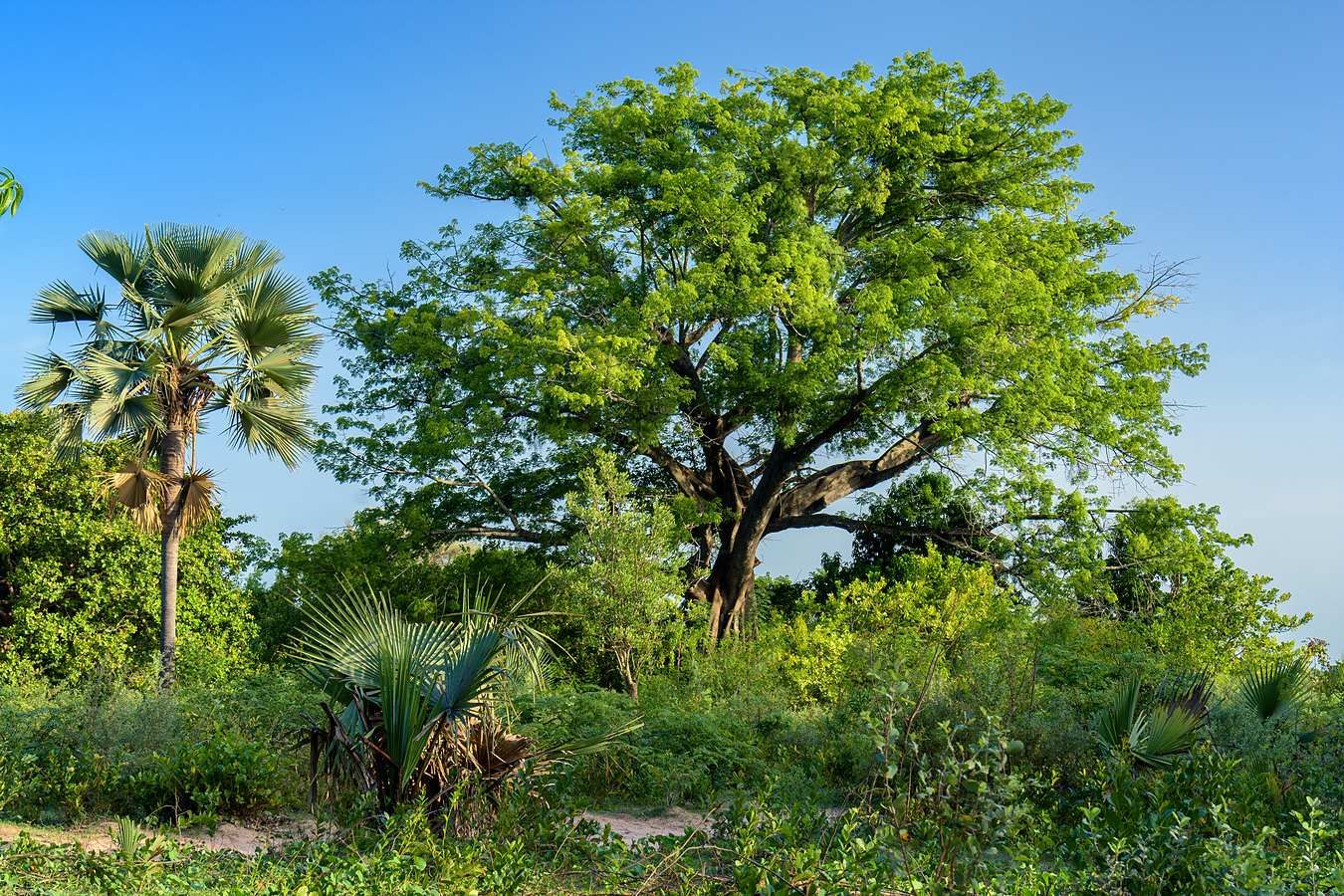
  • The rice fields and the forest. Around the village, rice fields, palm groves and great kapok trees can be explored on foot or by bike.

Nearby

From the landing stage, the pirogue takes you to Éloubaline Island and its impluvium houses that are still lived in (see also our Éloubaline page). About ten kilometres away, Mlomp keeps its two-storey banco (mud brick) houses. Towards Ziguinchor, along the Bandial track, Énampore shows off its great impluvium house. Further on, Elinkine opens onto Carabane Island, and Pointe Saint-Georges closes the loop on the riverbank. For the bigger picture, our Casamance page.

  • Adventure & outdoors

    Bike hire in Cap Skirring

    Cap Skirring · Half-day


    From5 500 CFA
    Resident price5 225 CFA−5 %
  • Excursions & adventures

    Mountain bike and pirogue trip in Casamance

    Casamance · 6h


    From28 160 CFA
    Resident price22 528 CFA−20 %
  • Quad & buggy

    Quad biking in Cap Skirring

    Cap Skirring · 2h, Full day


    From49 500 CFA
    Resident price47 025 CFA−5 %

The right time

PeriodWhat happensOur view
November–FebruaryDry season, milder air, tracks passableThe best window for cycling and the pirogue
March–MayStill dry, hotterVery good, if you come early in the morning
June–OctoberRainy season (hivernage): green rice fields, muddy tracksTougher going: slow tracks, but superb rice fields

Come in the morning, when the potters work in the cool. At the end of the rainy season, combine your visit with the King of Oussouye’s festival, when the villages of the kingdom come together.

Practical tips

  • Respect: you are entering lived-in yards; greet people, ask before going in and before taking photos, and respect the sacred forests around the village, which you do not enter.
  • Buying: the pieces are unique and fragile; ask for paper and wrap them in your clothes.
  • Cash: withdraw money in Ziguinchor or Cap Skirring, in small notes.
  • Clothing: modest and light; hat, water and insect repellent for dusk.
  • Pirogue: a life jacket is a must, especially for children.
  • Safety: the tourist areas of Lower Casamance can be visited normally; check your country’s official travel advice and travel by day.

Book an activity here with QFS

Édioungou is best discovered on a tour of Lower Casamance with an independent local professional: the traditional sites & villages and guided cultural tours of Diola country, guided hikes by mountain bike between forest and rice fields, pirogue trips through the bolongs, or crafts & traditional skills to go further into the techniques. To get here, see the airport / Cap Skirring – Ziguinchor transfers.

The price shown is the price of the service. You pay 20% to secure your booking (the booking fee), and the balance is paid on site, on the day, to the professional. There are no additional official fees. If you live in Senegal, you get the resident rate: up to 30% off (the exact rate is shown on each listing).

Frequently asked questions

Where is Édioungou?
In Lower Casamance, a few kilometres from Oussouye, in Oukout commune and Oussouye department, Ziguinchor Region.
How is Édioungou pottery made?
Clay from the bolongs has its salt removed, is mixed with burned, crushed shells, built up by hand in coils, then fired on the bare ground under wood and palm fronds. A glaze made from a local fruit gives it its burgundy colour.
Can you watch a demonstration?
Yes, the potters welcome visitors in their yards and show their techniques. Agree on the contribution before you start.
Do you have to pay to enter the village?
No, no additional official fees: there is no entry charge. Only the demonstration and the pieces you buy are paid for.
Can you go to Éloubaline from Édioungou?
Yes, it’s one of the departure points for pirogues to Éloubaline Island, through the bolongs and the mangroves.

Read also