


Lieux emblématiques
Great Mosque of Touba: entering the holy city as a guest
In Touba, you do not arrive as a tourist but as a guest of the Mouride brotherhood. The history of the mosque,…
Read the article ›
Home › Locations › Fatick Region › Sine-Saloum › Niodior: the Saloum island many people read about before they see it
FATICK REGION
The chief town of the Gandoul Islands without being a commune, an island of fishermen, shellfish gatherers and gardeners, Niodior is also the setting of *The Belly of the Atlantic*. Here is how to approach it as an attentive reader rather than a mere passenger.
Many people read about Niodior before they ever see it. It is the island where Fatou Diome was born, the one where Madické lives, the brother who dreams of football and France in The Belly of the Atlantic. Come with that book in mind, but put it down as you step off the pirogue: the real Niodior is not a novel’s backdrop. It is a large Niominka village in the Saloum Delta, with no cars, where people fish, where women gather and process shellfish, where gardens grow a stone’s throw from the sea, and where every family has someone who has gone away.
| Region | Fatick Region, Foundiougne department; Niodior is the chief town of Niodior arrondissement and a village in the commune of Dionewar |
| Type | Inhabited island in the Gandoul Islands, a Niominka village with no roads or cars |
| Getting there from Dakar | About 3 to 4 hours by road to Djifère depending on traffic, then the crossing by pirogue |
| Recommended time | A full day at least; one night to experience the village in the evening and at dawn |
| Official fees | No ticket office on arrival on the island; depending on the route, the Saloum Delta National Park entry charge may apply, payable on site and not included in the price |
| Best time to go | Dry season, November–May; cross in the morning |
| Related QFS activities | Island excursions, pirogue transfer, trips through the bolongs (tidal creeks), traditional villages, guided cultural tour |
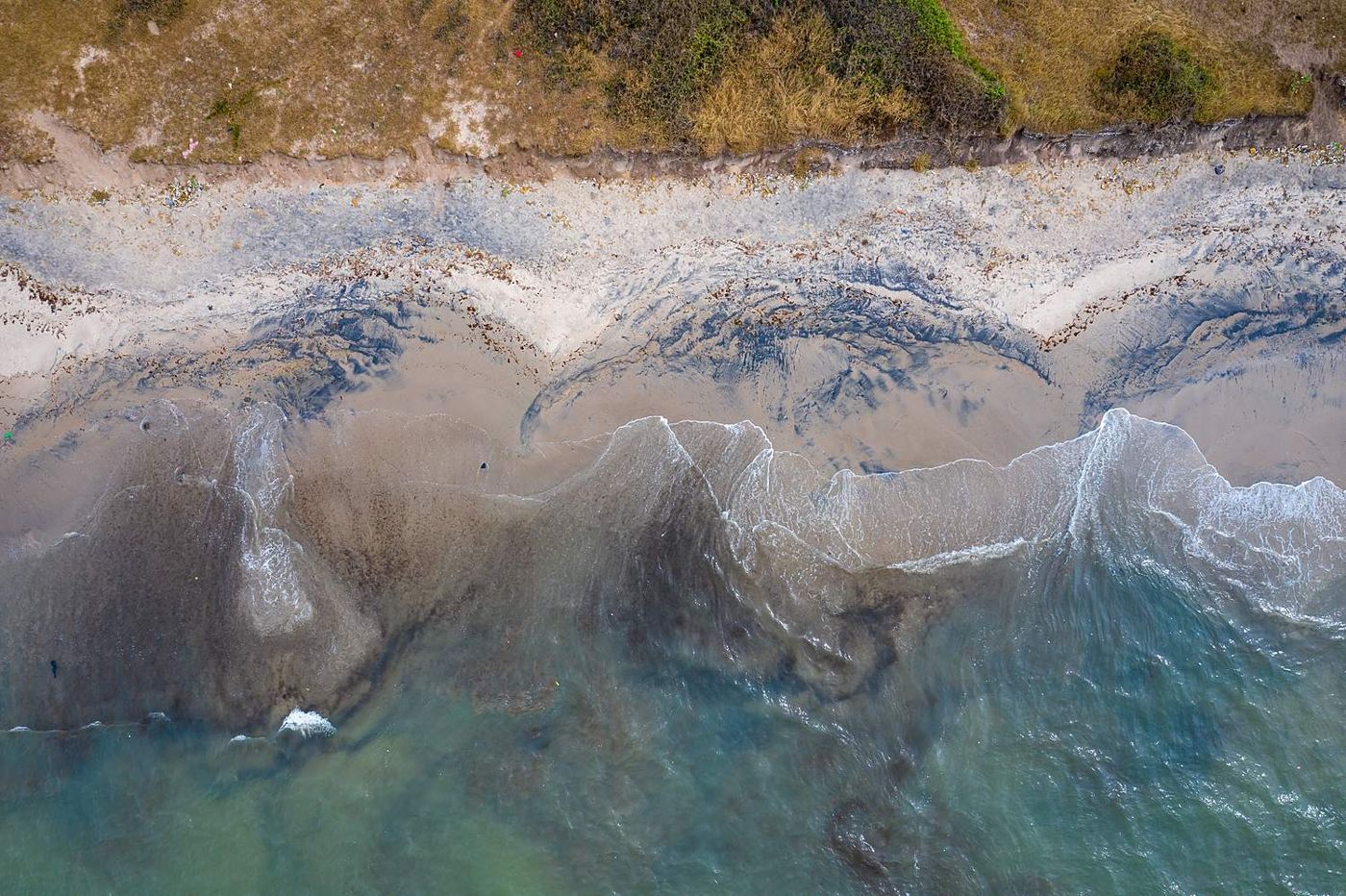
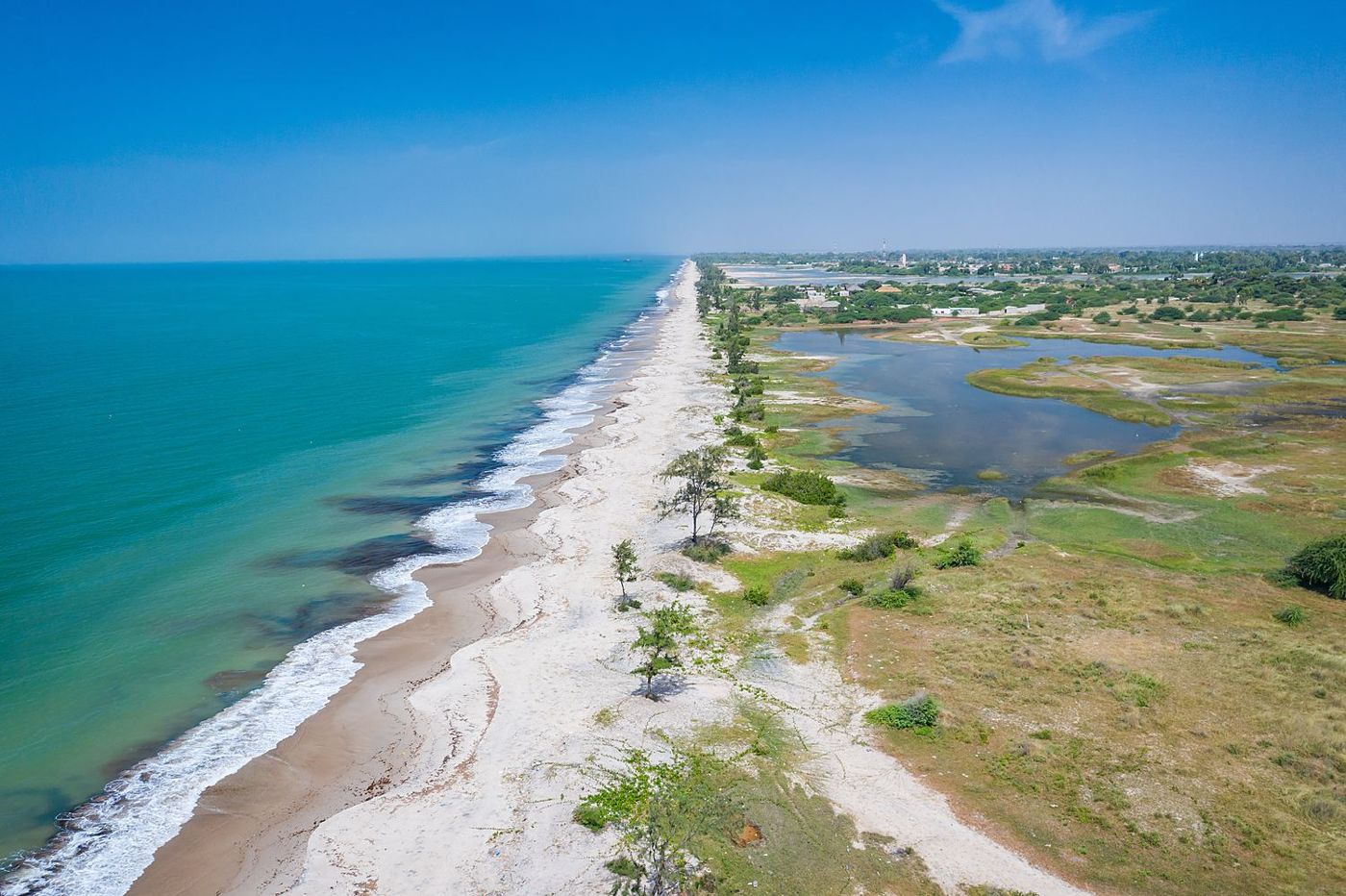
Live in Senegal? Niodior is the kind of place you hear about all your life without ever going, because it takes a pirogue and a proper day. Make it a long weekend in the delta: drive towards Palmarin, cross from Djifère in the morning, spend the night on the island and, the next day, visit Dionewar right next door. If you have family in the islands, you already know that the tide and the weather set the time, not you. On activities booked through QFS, you get the resident rate: up to 30% off.
Just passing through? Do not look for a “sight” to tick off: in Niodior, what you visit is the village at work. Allow a full day or a night, bring cash in small notes, and have someone from the island go with you. If you have read Fatou Diome, you will recognise things; if you have not, read her when you get home, and the island will speak to you differently.
Niodior holds a special place in the Gandoul, the group of islands in the west of the delta that it shares with Dionewar and Falia, among others. It is the chief town of the arrondissement that bears its name: the islands’ administration is based here. Yet Niodior is not a commune; it is a village in the commune of Dionewar, and residents have been calling for several years for it to become a commune in its own right.
The inhabitants are Niominka, a community related to the Serer whose name comes from Mandinka. Tradition has it that men fish and women gather shellfish; rice and millet are also grown. As in Dionewar, Islam, Christianity and Serer beliefs coexist, and kinship often comes before religion.
This is what visitors notice least, and what best sets Niodior apart from its neighbour. The island holds fresh water underground, almost up to the shore, and many wells water small gardens: millet, vegetables, market gardening. Among the mango trees, palms, coconut palms and baobabs, you will see plots tended by hand, often by women. These gardens are now threatened by salt creeping into the land: Niodior’s market gardeners watch the ocean advancing on neighbouring Dionewar and know the problem is a shared one.
At low tide, the women of Niodior set out to gather mangrove oysters, ark clams and other shellfish, then boil, shell and dry them. The produce then goes to markets on the mainland. They have organised themselves into federated groups, which run a processing centre on the island. They state their current worries plainly: harvesting now takes hours by pirogue to fill a single sack, and production at the offshore Sangomar oil field makes them fear new restrictions on their working areas. The detail of the work on oysters and ark clams is told on our Dionewar page; in Niodior, look above all at the collective organisation, which is very visible.
Réservez votre sortie avec nos prestataires locaux. Le prix du service est distinct des éventuels coûts officiels réglés sur place.
3-day bivouac in the Sine-Saloum Delta with lion walk
Fathala · 3 days
Couples getaway in the Sine-Saloum Delta
Dakar · 2 days
| Fact | Figure | Note |
|---|---|---|
| Administrative status | Village in the commune of Dionewar; chief town of Niodior arrondissement; Foundiougne department; Fatick Region | Residents are calling for it to become a commune |
| Access | By pirogue only, mainly from Djifère | No road or bridge |
| Neighbours | Dionewar, across a narrow bolong; Falia | Gandoul Islands |
| Inhabitants | Niominka, related to the Serer | Fishing, shellfish, rice, millet, market gardening |
| Notable people born in Niodior | Fatou Diome (1968), novelist; Felwine Sarr (1972), economist and writer | The Belly of the Atlantic, 2003 |
| UNESCO World Heritage Site | Saloum Delta, 2011, cultural property | Shell middens, burial mounds, a way of life based on fishing and gathering |
Fatou Diome was born in Niodior in 1968. Her first novel, The Belly of the Atlantic, came out in 2003 and is partly autobiographical: Salie, the narrator, lives in Strasbourg, while her half-brother Madické, who stayed on the island, dreams of football and of joining her. The book takes apart the myth of an easy Europe, seen from an island where people watch matches on television and wait for those who have left. Its success made the name Niodior known far beyond Senegal, and drew readers curious to see the landscapes of her childhood.
The island was also the birthplace, in 1972, of the economist and writer Felwine Sarr. Two leading figures of French-language thought from the same island village: it is a good starting point for a conversation, as long as you listen more than you talk. Here, emigration is not a literary theme; it is a family matter.
From Dakar, head down the Petite Côte to Joal, then carry on towards Palmarin as far as Djifère, the fishing village at the end of the road: allow about three to four hours depending on traffic. In Djifère, passenger pirogues run regularly to the islands; the crossing to the Gandoul takes half an hour or more, depending on the sea, the tide and the stops. Leave by early afternoon at the latest so you arrive in daylight. On the island, you get everywhere on foot.
There is no ticket office on arrival. Depending on the pirogue’s route, the Saloum Delta National Park entry charge may apply: it is paid on site and is not included in the price of the activity, and each listing states whether it applies to you.
Excursions, visites guidées et combinés : nos prestataires locaux organisent tout.
Sine-Saloum Region Discovery Day with Meal
Sine-Saloum · 8h
Tour of the Saloum Islands from Palmarin
Sine-Saloum · 4h
3-day bivouac in the Sine-Saloum Delta with lion walk
Fathala · 3 days
Across a narrow bolong, Dionewar is easy to visit on the same trip: the same Niominka culture, but an island on the front line facing the ocean. On the mainland side, Djifère and Pointe de Sangomar close off the Palmarin peninsula. Further north, Mar Lodj and Ndangane form the busiest gateway to the delta; to the south, Toubacouta and Sipo Island open onto dense mangroves. On the way back, Joal-Fadiouth is worth a stop. For the bigger picture: our Sine-Saloum Delta, Sine-Saloum, Saloum and Fatick Region pages.
The dry season, from November to May, brings the calmest crossings and clear light. During the rainy season (hivernage), July to October, a storm can delay the pirogue by a few hours and the mosquitoes make themselves felt; the mangroves are then a deep green. Cross in the morning, go down to the quay at low tide when the women set off, and keep the end of the day for the gardens, when the watering starts again and the heat eases.
Trips to Niodior are run by independent local professionals. For a day or a stay in the Gandoul Islands, see island excursions; for the crossing alone, taxi-boat / sea transfers. On the water, pirogue trips take you into the bolongs; on land, traditional sites & villages and guided cultural tours open the village’s doors. To get to Djifère, consider intercity transfers.
You pay 20% to secure your booking (the booking fee), and the balance is paid on site, on the day, to the provider. The park entry charge, when it applies, is still payable on site and not included in the price. If you live in Senegal, you get the resident rate: up to 30% off (the exact rate is shown on each listing).
In Touba, you do not arrive as a tourist but as a guest of the Mouride brotherhood. The history of the mosque,…
Read the article ›A good share of the water that runs from Dakar's taps comes from a lake in the Sahel, some 250 km to…
Read the article ›A Diola island with no road or bridge, deep in the *bolongs* (tidal creeks) of Oussouye, where the impluvium houses are homes,…
Read the article › Every Thursday · AYTHIA ÑU DEM
Good deals, news and highlights from Senegal, straight to your WhatsApp.
 On a computer? Scan this code to join the channel.


