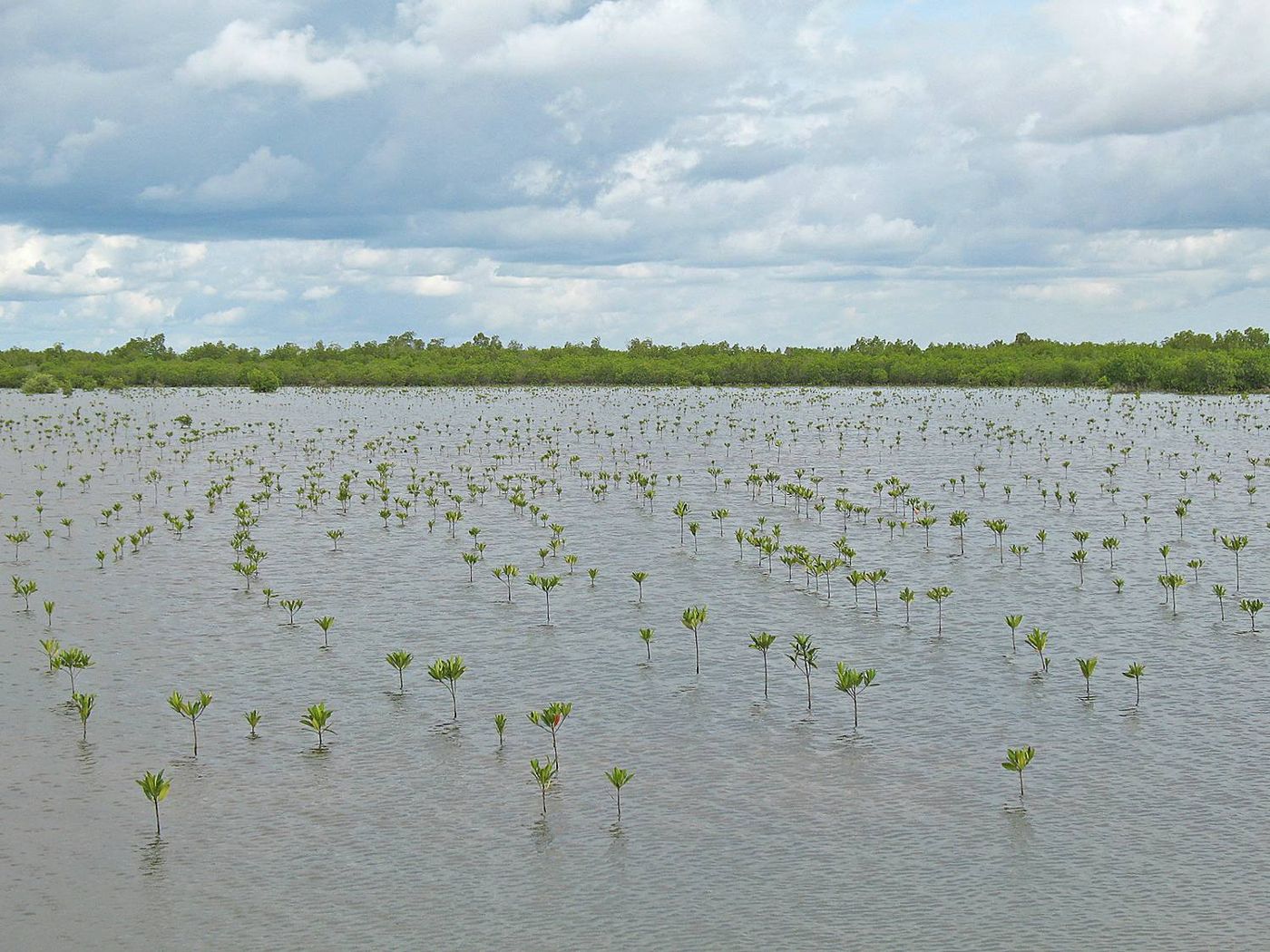
Djilapao is not a destination, it is a stop along the way, and that is exactly why you should make it. You leave Ziguinchor by pirogue, head up the bolongs (tidal creeks) between two walls of mangrove trees, and round a bend in the channel appears a two-storey house in banco (mud brick) whose walls tell the story of Diola life in sculpted, painted reliefs. No ticket office, no shop: a village, a remarkable house and the silence of the mangroves. If you are looking for the Casamance you cannot see from the road, the two-storey house of Djilapao is one way in.
At a glance
| Region | Casamance, Ziguinchor Region, Bignona department, Tendouck arrondissement, Mangagoulack commune; north bank of the Casamance River |
| Type | Diola village: two-storey house decorated with sculptures and paintings, bolongs, rice fields |
| Getting there from Dakar | A flight to Ziguinchor, a night on the boat to Ziguinchor, or a long day’s drive via the Gambia; then the pirogue |
| From Ziguinchor | By pirogue, roughly 1 to 1½ hours depending on the tide |
| Recommended time | Half a day; a full day if you combine it with Affiniam and Île aux Oiseaux (Bird Island) |
| Official fees | No additional official fees; a contribution is requested on site to visit the house |
| Best time to go | Dry season, November to May |
| Related QFS activities | Pirogue trips, guided cultural tours, traditional sites & villages, birdwatching |
Resident or visitor: a half-day that changes how you read Casamance
Live in Senegal? You may know Ziguinchor by road, its quays and its market. Djilapao shows you the other side: the town seen from the water, then the north bank, which most travellers only ever cross by car. Take a weekend morning, set off early with the tide and be back for lunch. On activities booked through QFS, you get the resident rate: up to 30% off, which makes the pirogue trip easy to repeat with friends and family passing through.
Just passing through? Do not expect a museum in the strict sense. You are visiting people, in a living village, and the sculpted house is first and foremost a local curiosity, looked after by those who live in it or keep it. Let the boatman or the guide with you lead the way: they announce your arrival, introduce the house and know what you may photograph. Count the trip as half a day, not a ten-minute stop.
A house that tells the story of Diola country
The two-storey house, the other architecture of Lower Casamance
Lower Casamance is often associated with impluvium houses, the large round homes whose funnel-shaped roofs collect rainwater, as in Énampore or on Éloubaline Island. The two-storey house is the other tradition: a rectangular banco house with an upper level resting on wooden floors. South of the river, the best known are those of Mlomp, near Oussouye, built in the last century. In Djilapao, on the other bank, one two-storey house took a different path: it became a medium for expression.
A village sculptor and his walls
A sculptor from the village covered this house with relief figures and colourful frescoes, and filled it with wooden sculptures. The travellers and guides who have described it speak of scenes of Diola life: the rice field, everyday tasks, rituals. The style is naive, often funny, sometimes enigmatic; everyone leaves with their own reading.
Do not expect an immaculate gallery: this is a work in earth, exposed to the sun and to the rainy season (hivernage), and its condition depends on the upkeep the village can give it. The contribution you leave on site helps.
The village around it
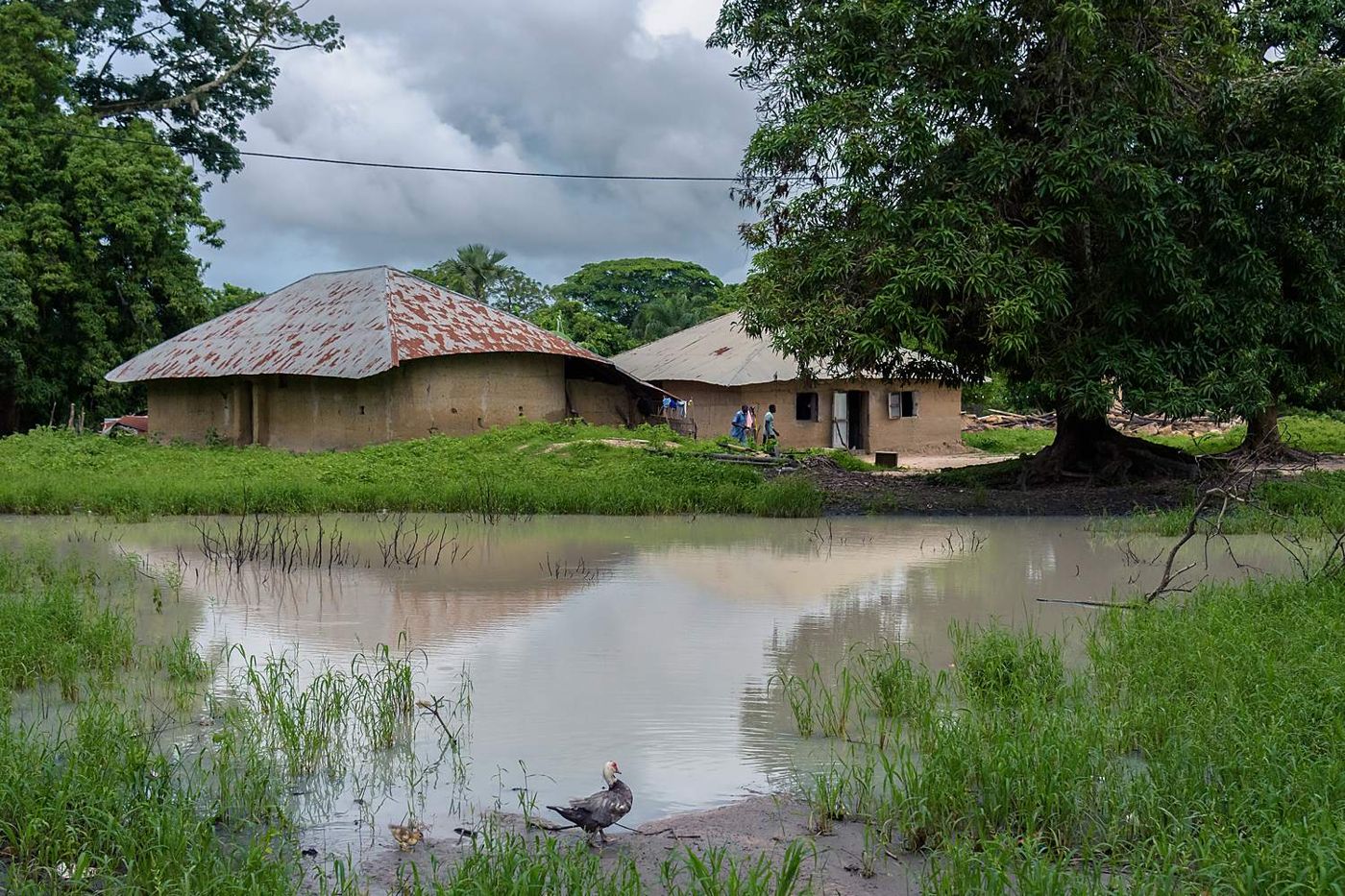
Djilapao is a small Diola village set on the edge of the bolongs, surrounded by rice fields and mangroves. Banco houses, more and more often topped with corrugated iron, rice fields won from the salt water, mangrove trees with oyster-covered roots: here you see, on a small scale, everything that makes Lower Casamance. As everywhere in Diola country, some groves and places are sacred and are not open to visitors.