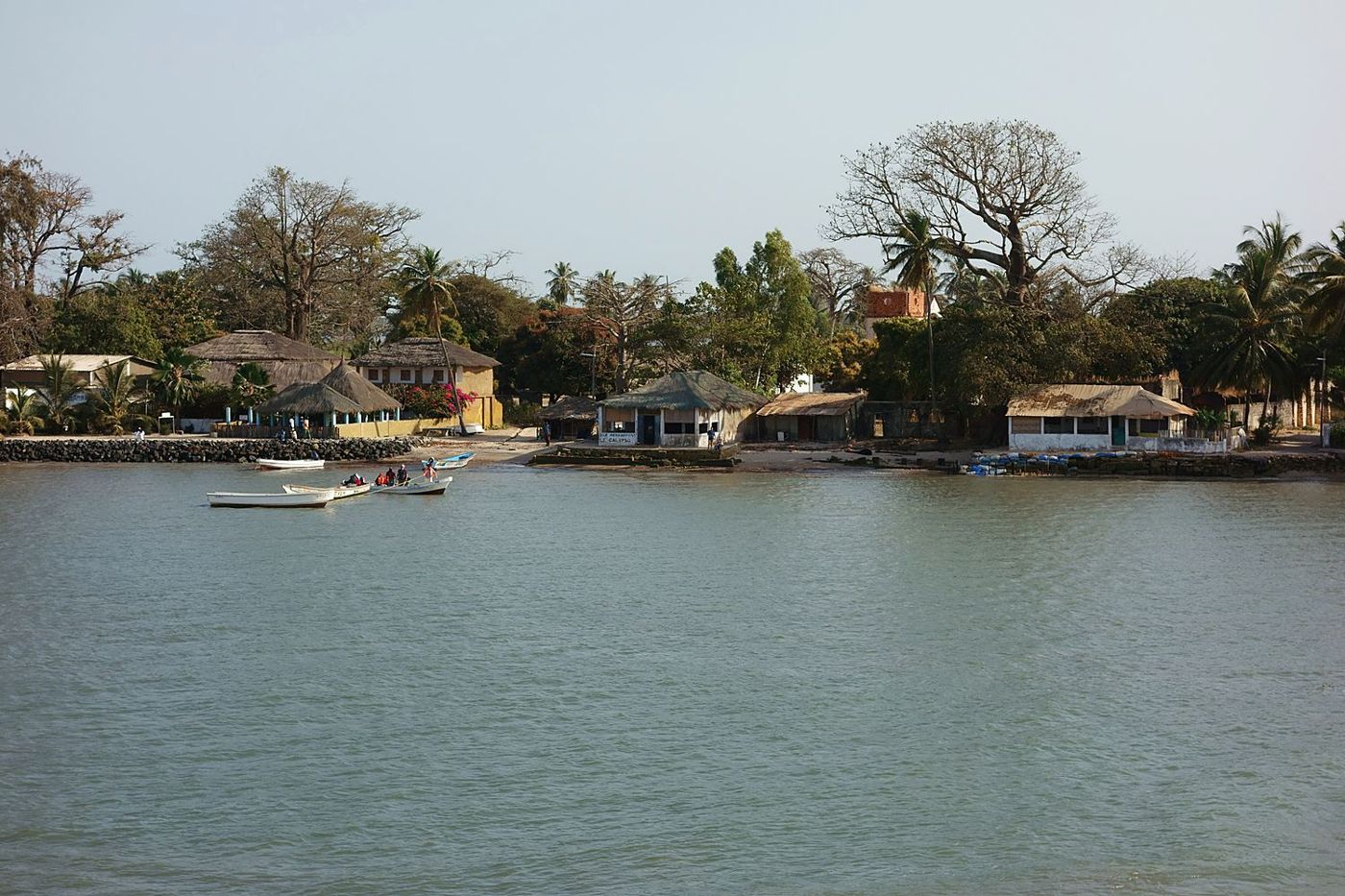
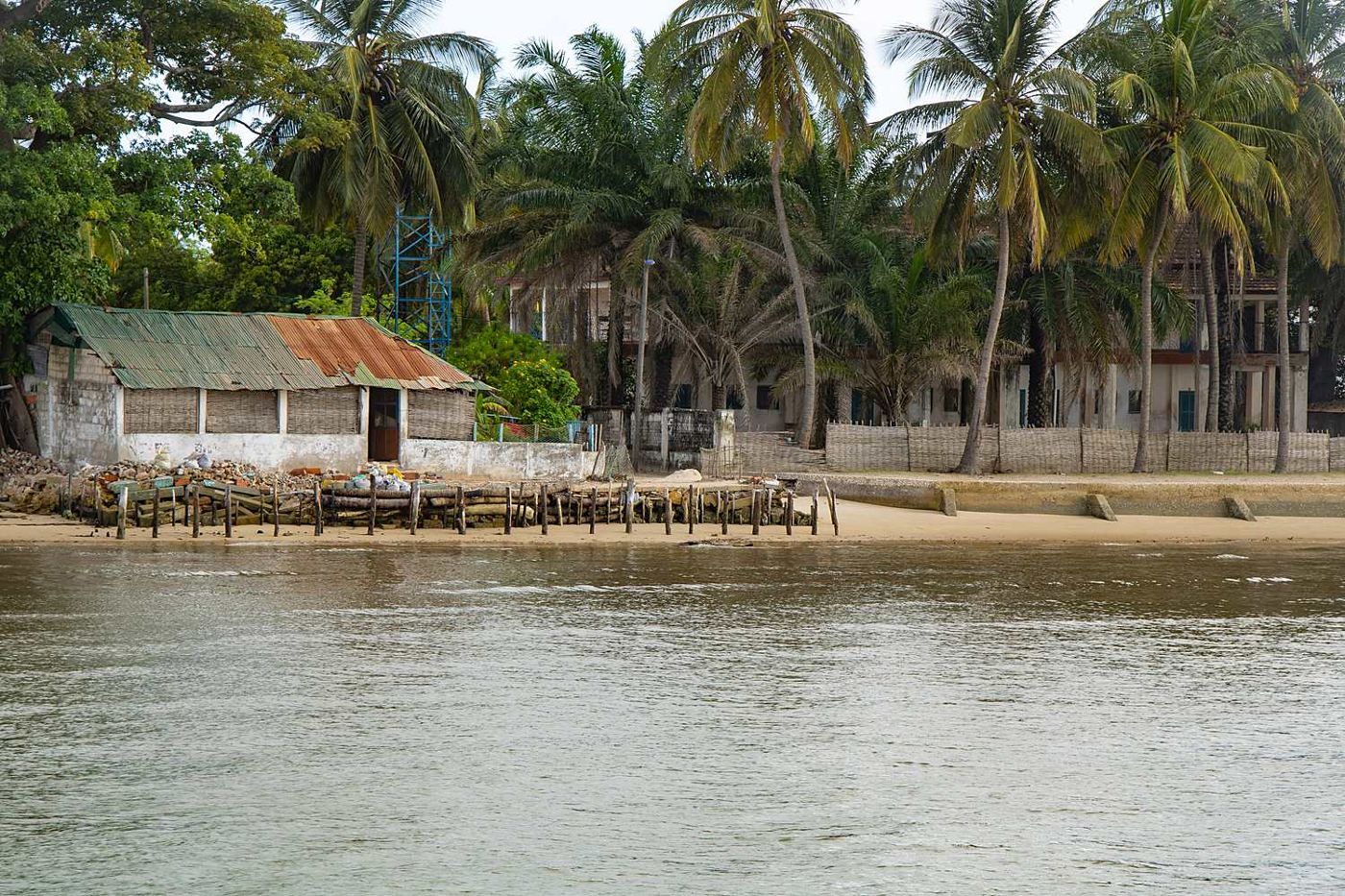
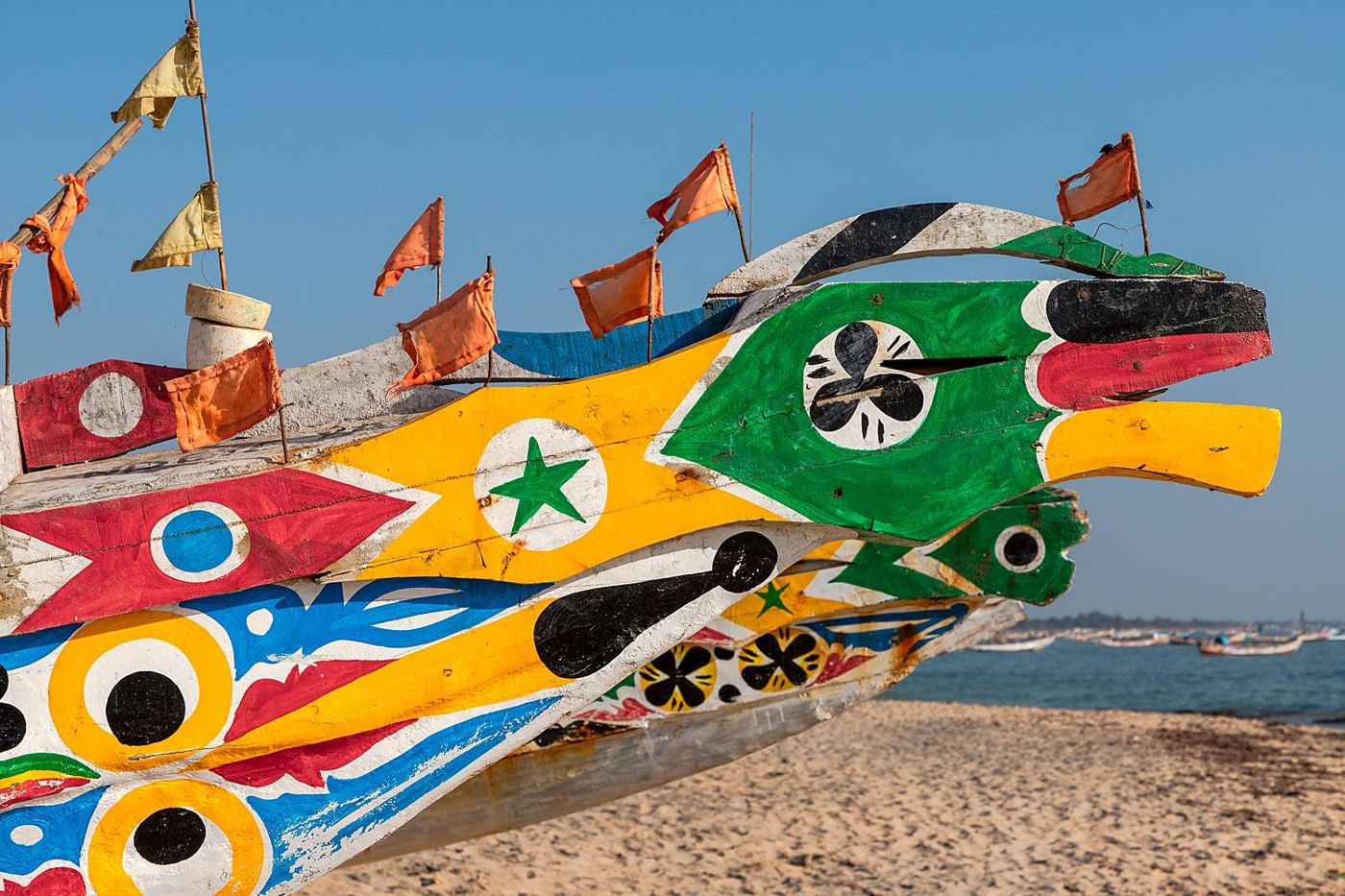
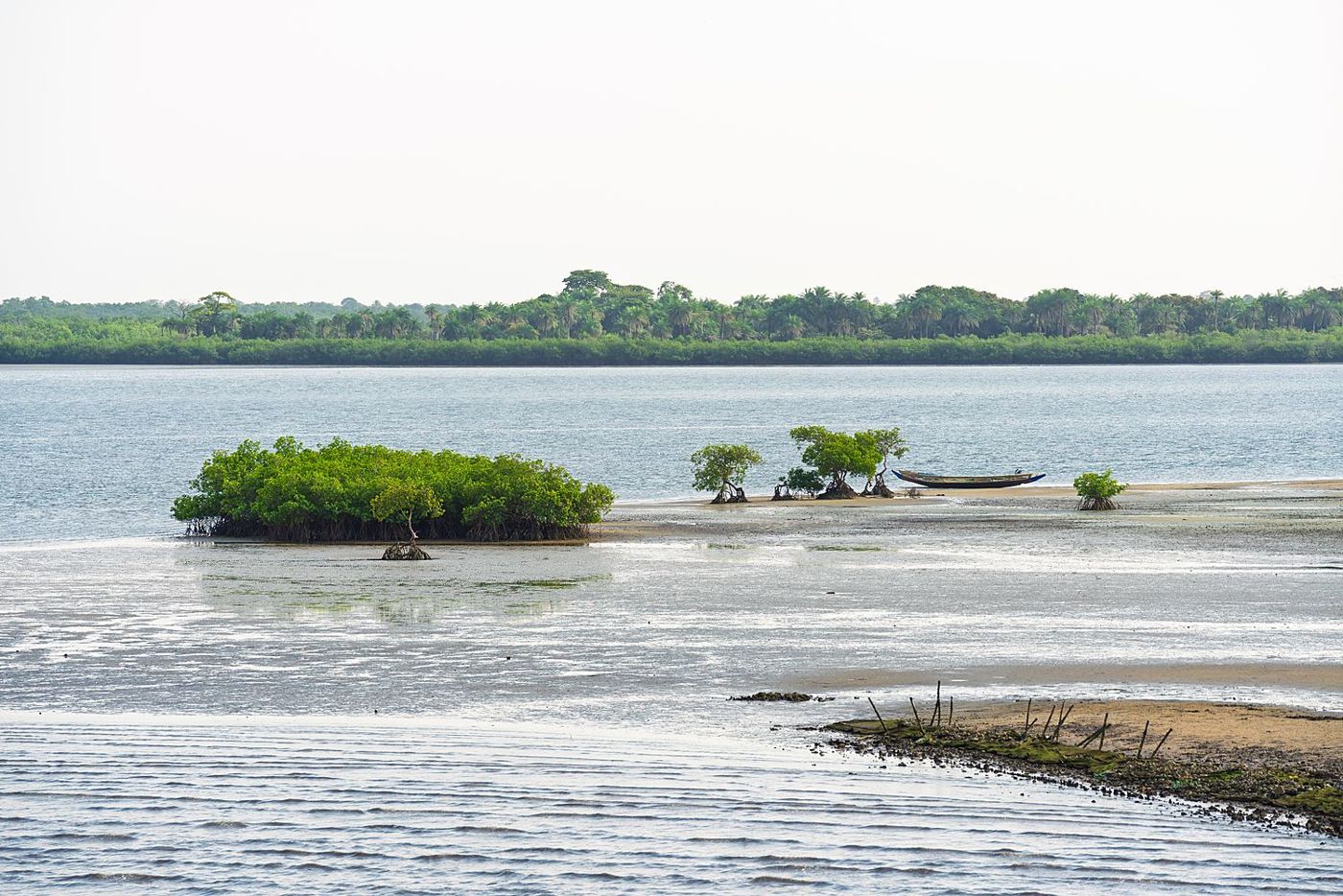
If you look for Kadioute island on a map of Casamance, you will not find it, and it is not your map that is wrong. Kadioute is not an island: it is an open-air Diola museum, with no walls and no display cases, set in the forest at Boucotte, a few kilometres from Cap Skirring. According to the explanation given on site, the name refers to the hollow formed by the roots of a kapok tree. Our advice: forget the pirogue and the tide, take half a day on foot or by bike from Cap Skirring, and let people tell you about Diola country where it is still a way of life.
At a glance
| Region | Casamance — Ziguinchor Region, Oussouye department, Cabrousse arrondissement; village of Boucotte Diola |
| Type | Open-air museum devoted to Diola culture, in a forest of kapok trees |
| Getting there from Dakar | Flight to Cap Skirring, then a few minutes by road; or the night boat to Ziguinchor, then the road to Cap Skirring |
| From Cap Skirring | About 2 to 4 km north, on the road to Diembéring |
| Recommended time | One to two hours for the museum; half a day if you combine it with Boucotte village and beach |
| Official fees | No additional official fees: no public entry charge; the guided tour is paid on site |
| Best time to go | Dry season, November–May |
| Related QFS activities | Guided cultural tours, traditional sites & villages, hiking and mountain biking, pirogue trips |
Resident or visitor: a museum within cycling distance
Live in Senegal? Kadioute is the antidote to the “beach, sunlounger, beach” stay in Cap Skirring. One weekend morning, you set off early from Cap Skirring, ride through Boucotte, and are back before the worst of the heat with a better understanding of the villages you have been passing for years. It is also a good outing with children: Diola daily life is told through objects you can look at up close. On activities booked through QFS, you get the resident rate: up to 30% off.
Just passing through? Do not be misled by the word “island” picked up online: there is no crossing to organise. On the other hand, Kadioute is one of the simplest ways to make sense of what you will see later in Oussouye, in Mlomp or in the bolongs (tidal creeks): the rice paddies, the shrines, the way the fishermen work. Do it at the start of your stay, not the day before you leave.
Diola country told under a tree
The idea behind Kadioute fits into one image: a museum with no walls, deep in the forest, under very old kapok trees. The kapok tree, that giant with buttress roots, is one of the most familiar trees in the villages of Lower Casamance. At its foot, its roots form natural alcoves, and it is there, in these hollows, that the objects are displayed. Hence the name, visitors are told.
You do not come here for an art collection, but for a story. The tour, which is guided, takes in the objects of Diola daily life: those of the rice paddy, at the heart of the Diola year, and those of fishing and the home. When it touches on the spiritual side of Diola culture, it does so within the limits that apply: some things can be shown, others can only be told.
One village, one language. Boucotte Diola belongs to the small coastal area around Diembéring where people speak Kwatay, a variety of Diola heard in only a handful of villages. That detail says a lot: a few kilometres from the hotels of Cap Skirring, you are in a very distinctive local culture, one that Kadioute sets out to share.
Why “the island”? The name has circulated, including on our old page, although no map and no source places an island of that name in the mouth of the Casamance River. For a real island, try Carabane Island, Cachouane or Éloubaline Island instead, all reached by pirogue.