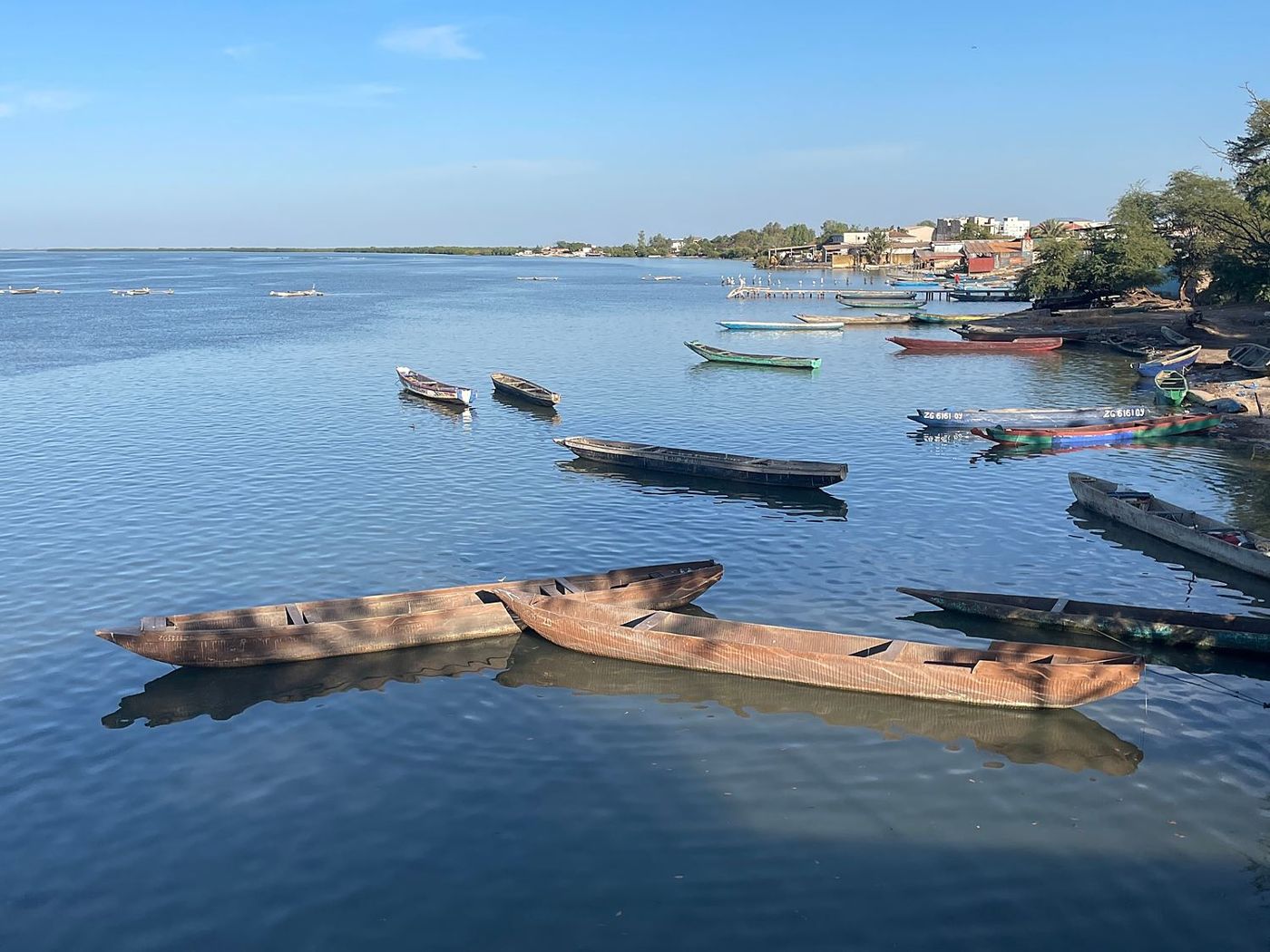
You will not find Diakène on any list of must-sees, and that is just fine: it is not a place you visit, it is a place you pass through, in the best sense of the term. Between Oussouye and Cap Skirring, a short track leaves the tarmac, crosses the rice paddies and stops at the edge of a bolong (tidal creek). There, a pirogue is waiting for you, and within a quarter of an hour the beach resort is forgotten: mangrove trees, calm water, birds, and Egueye Island at the end. Our advice: do not try to “do” Diakène; use it as a gateway.
At a glance
| Region | Casamance — Ziguinchor Region, Oussouye department, Loudia Ouolof arrondissement, Oukout commune |
| Type | Two neighbouring villages in Lower Casamance, Diakène Ouolof and Diakène Diola; landing stage for Egueye Island |
| Getting there from Dakar | Flight to Cap Skirring or Ziguinchor, then the road towards Oussouye and a short track; or the night boat to Ziguinchor, then the road |
| From Cap Skirring | Some twenty kilometres, about half an hour by road, track included |
| Crossing to Egueye | By motor pirogue, ten to twenty minutes or so |
| Recommended time | Half a day for the bolong; a day or a night on the island for Egueye |
| Official fees | No additional official fees: no entry charge for the village or the bolong |
| Best time to go | Dry season, November to May |
| Related QFS activities | Kayaking in the mangroves, pirogue trips, island excursions, traditional villages |
Resident or visitor: the same gateway, two uses
Live in Senegal? Diakène is the answer to the question “what else is there to do in Cap Skirring?” The Diakène bolong can be done in half a day, without organising an expedition: a short transfer, a kayak or pirogue trip, and you are back for lunch or for sunset. On activities booked through QFS, you get the resident rate: up to 30% off.
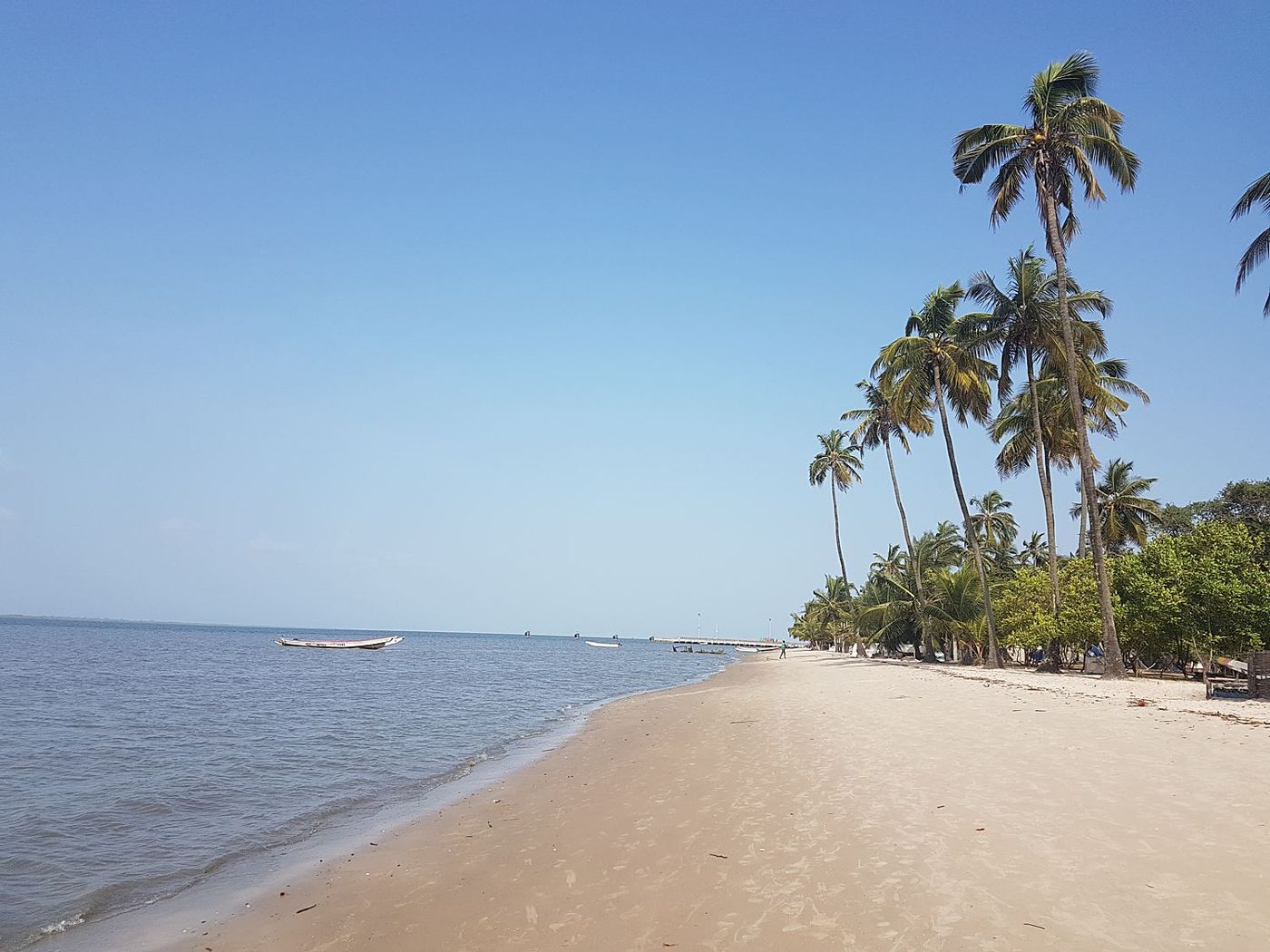
Just passing through? The risk is staying on the sand all week and thinking you have seen Casamance. The bolongs are the region’s true signature, and Diakène is one of the simplest ways in from Cap Skirring. If you have a night to spare, give it to Egueye Island, on the other side of the water: the mangroves when you wake up are worth all the sunloungers in the world.
Two villages, one name, one stretch of water
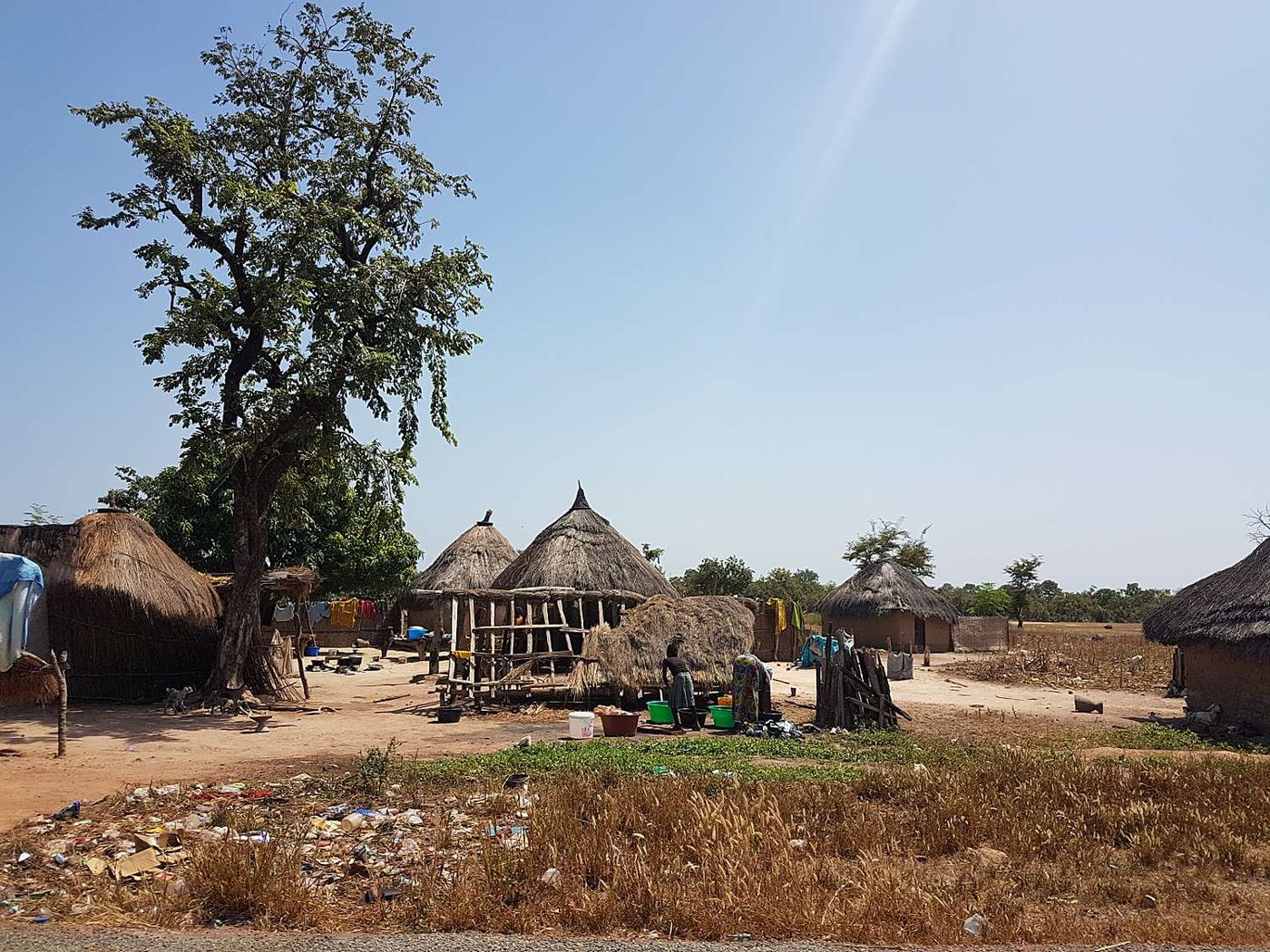
The first thing to know is that there is not one Diakène, but two. Diakène Ouolof and Diakène Diola are two neighbouring villages in Oukout commune, in Loudia Ouolof arrondissement. They do not belong to Diembéring commune, the one Cap Skirring is in, even though it is mostly from Cap Skirring that people come here.
For visitors, Diakène Ouolof is the one that matters: it is from its stretch of bolong bank that the pirogues leave for Egueye Island. Diakène Diola, its neighbour, shares the same landscape and the same economy: rice, small-scale fishing, market gardening and mangrove produce.
What makes Diakène is its position. The village sits right on the edge between two worlds. Behind it, the tarmac road and Cap Skirring airport; in front of it, the bolong, the arm of the sea that branches out between the mangrove trees. No road goes any further towards the islands: from here on, it is all on the water.
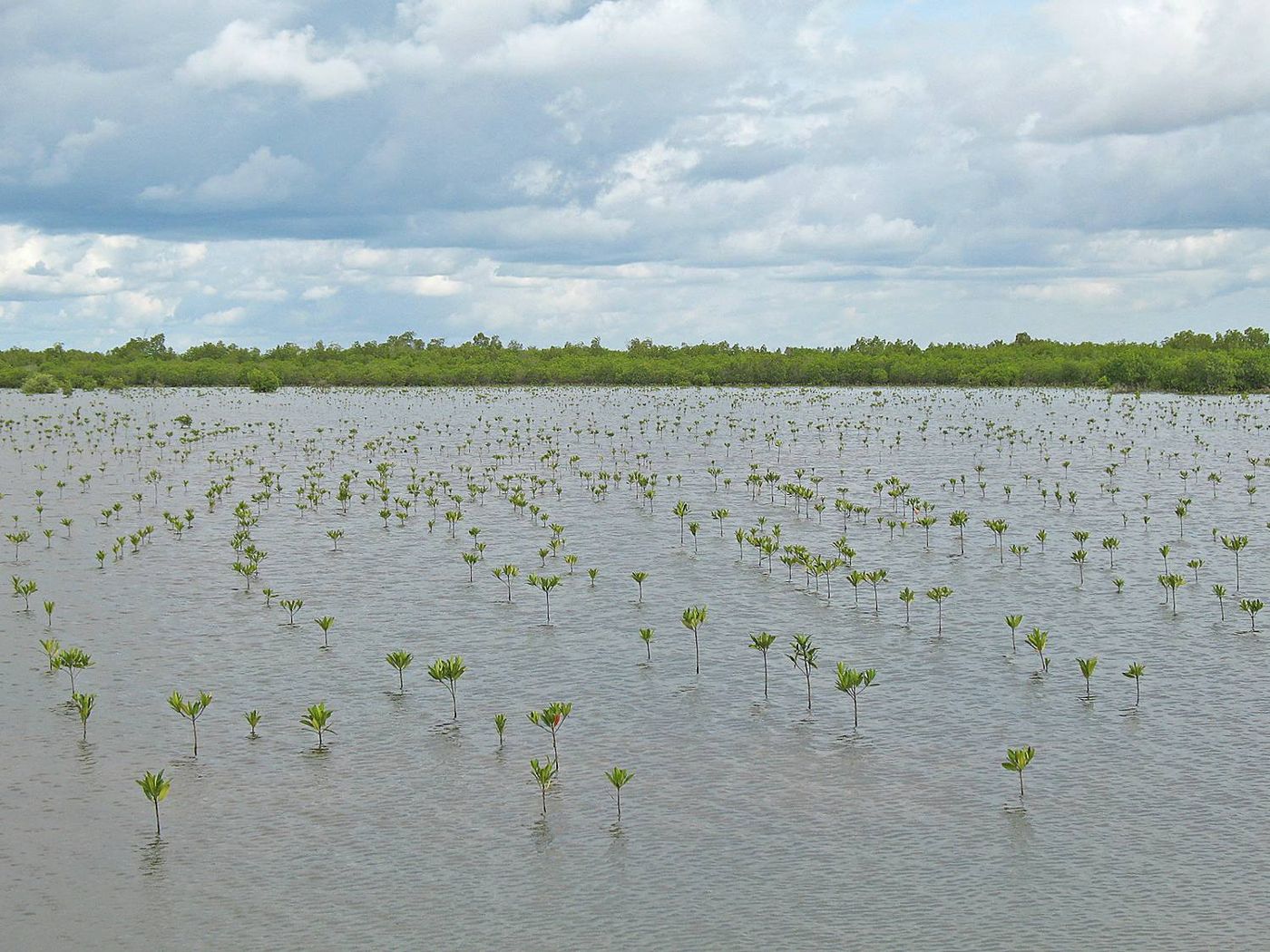
A landscape being replanted. Kayak trips from Diakène are often combined with mangrove replanting. The mangroves of Lower Casamance suffer from drought and salt, and the riverside villages replant them to protect the fish, the oysters and the rice paddies that depend on them. If you are offered a propagule to plant, say yes.