Simal, a Serer village on the bolong | QFS
Accueil » Points of interest – Fatick region » Simal: the village on the bolong, at the end of the tann track

Home › Locations › Fatick Region › Fimela › Simal: the village on the bolong, at the end of the tann track

FATICK REGION

Simal: the village on the bolong, at the end of the tann track

A few kilometres from Fimela, at the end of a track that crosses the *tann*, Simal lives with its feet in a Saloum *bolong*. A Serer village, not an attraction: here is how to discover it at your own pace.

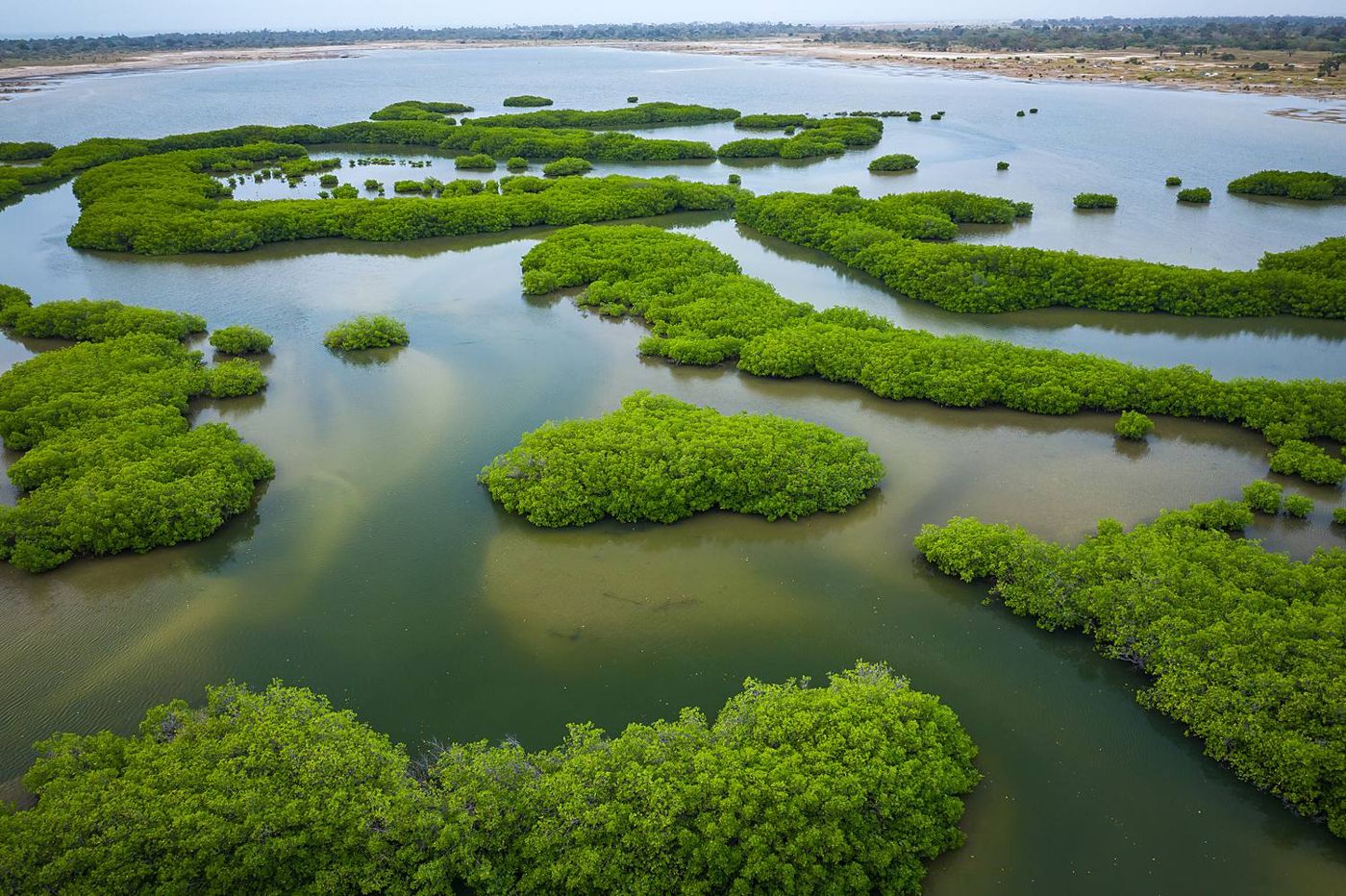
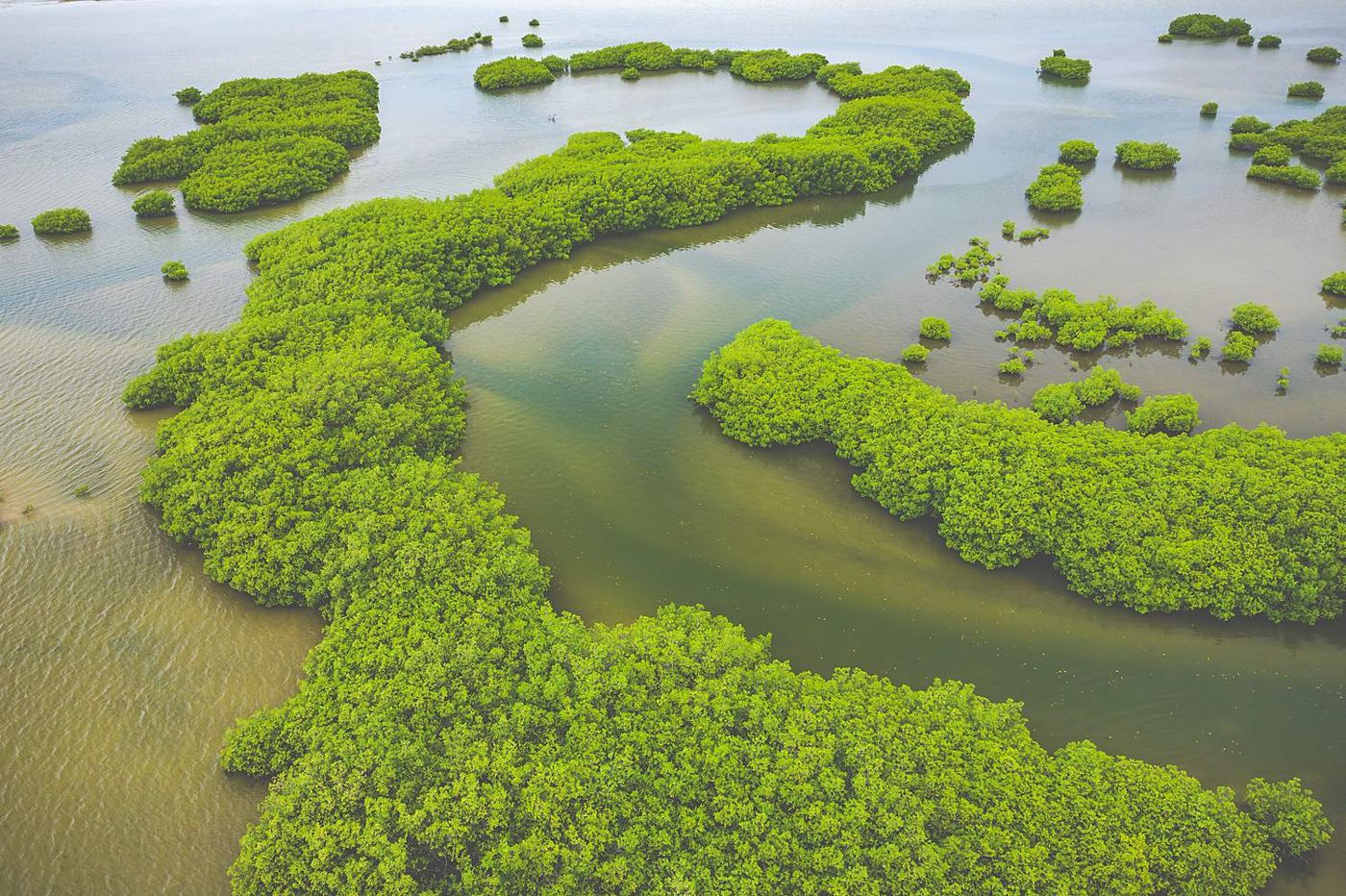
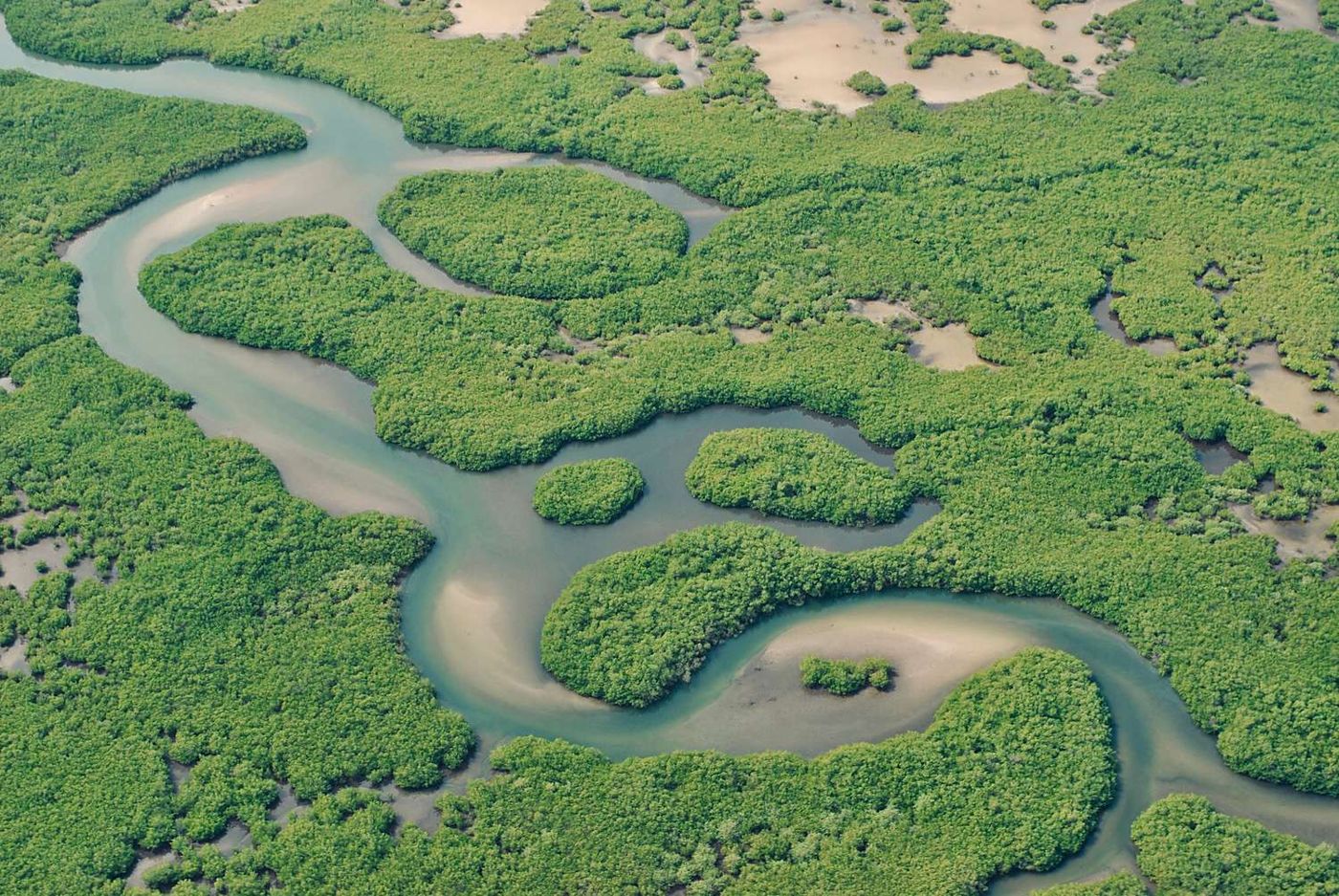
You do not simply visit the village of Simal: you earn it, along the track. You leave the tarmac in the Fimela area, cross the tann, the salt flats that turn white in the sun, and arrive at a Serer village whose first houses almost touch the water of a bolong (tidal creek). Here, there is nothing to tick off, no ticket office, no monument: a mangrove-lined bank, pelicans, pirogues and a day that follows the tide. If you are looking for the Saloum Delta without the show, this is a very good way in. On one condition: come as a guest, not as a visitor in a hurry.

At a glance

RegionFatick Region, Fatick department, Fimela commune; north of the Saloum Delta
TypeSerer village on the bank of a bolong, between tann, palm trees, kapok trees and mangroves
Getting there from DakarAbout three hours by road, often a little more, via Mbour then Fimela; the last few kilometres on a track
Recommended timeHalf a day for a pirogue trip and the village; a night in the area for dawn and dusk
Official feesNo entry fee for the village and the bolong: no additional official fees
Best time to goThe dry season, November–April; wintering birds mainly at the height of the dry season
Related QFS activitiesPirogue trips, birdwatching, kayaking, traditional sites & villages, horse rides

Resident or visitor: two good reasons to take the track

Live in Senegal? Simal is the Saloum for an impromptu weekend, without having to take a boat to an island. Leave on Saturday morning, have lunch in Fimela, be on the bolong by late afternoon, and on Sunday at dawn the water is smooth and the birds are out. On activities booked through QFS, you get the resident rate: up to 30% off, which makes the trip easy to repeat in another season.

Just passing through? Do not turn Simal into a twenty-minute stop on a “Saloum” tour that left Saly at dawn. Combine it with Ndangane and Mar Lodj, spend at least one night in the area, and save Simal for the moment when the light fades over the mangroves.

A Serer village that lives off the water and the land

The tann, then the bolong

The first thing you notice is the transition. Around Fimela, the groundnut-growing bush of the Sine gives way to the tann, a bare, salty land where you sense the sea before you see it. The track to Simal crosses it, then the vegetation suddenly returns: palm trees, kapok trees, baobabs and, at the water’s edge, the mangroves. The village then seems to be built on the water, so close are its first houses to the bank.

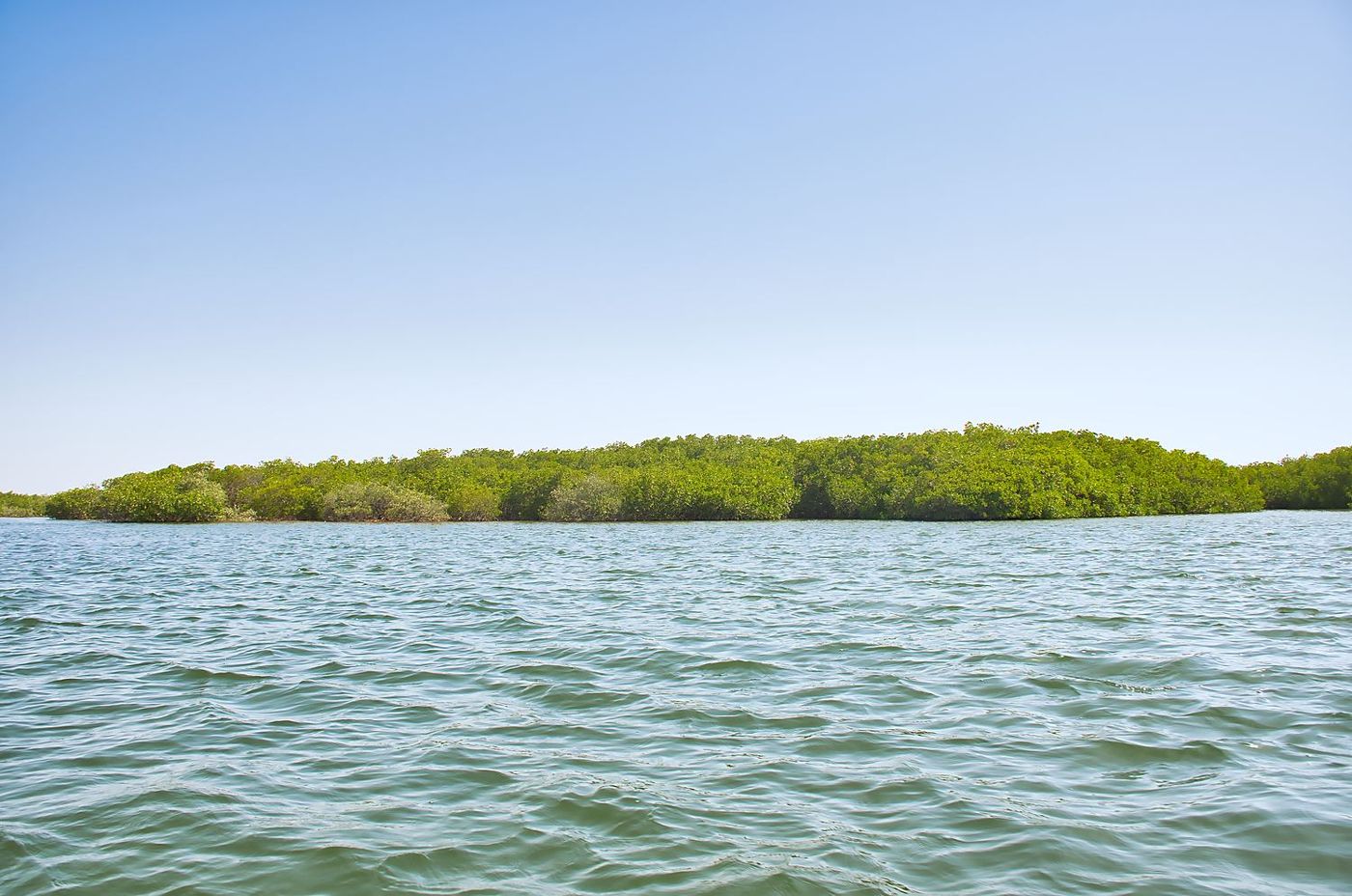
The bolong along Simal is one of the countless saltwater channels that cut through the delta. You glide by pirogue between the mangrove trees, whose roots plunge into the mud and hold the oysters. It is the tides, more than the clock, that set the times of the outings.

Fishing, fields and traditions

Simal is a village of fishermen and farmers. The bolong provides fish and shrimps, the land provides crops, and you are as likely to pass a pirogue coming back from fishing as a loaded cart. The houses and huts are built from local materials. As in much of Serer country, the old religious traditions are still alive, and they are written into the landscape: a wood, a tree or a water point can hold sacred value for the residents.

These places are not tourist curiosities. If people mention them to you on site, listen, approach only with the residents’ agreement, and never photograph a ritual.

Simal belongs to the Saloum Delta, inscribed by UNESCO as a World Heritage Site in 2011 as a cultural property: a lived-in landscape, which this village illustrates better than any long speech. The details are on our Sine-Saloum Delta page.

  • Adventure & outdoors

    Tricycle ride in Simal

    Fimela · 2 h


    From11 000 CFA
    Resident price10 450 CFA−5 %
  • Adventure & outdoors

    3-day bivouac in the Sine-Saloum Delta with lion walk

    Fathala · 3 days


    From715 000 CFA
    Resident price679 250 CFA−5 %
  • Quad & buggy

    Couples getaway in the Sine-Saloum Delta

    Dakar · 2 days


    From297 000 CFA
    Resident price282 150 CFA−5 %

Key facts & figures

FactFigureNote
Administrative areaFimela commune, Fatick department and Fatick RegionNorth of the Saloum Delta
PositionA few kilometres north-east of the town of FimelaNear Diofior and Djilor
PopulationMostly SererVillage of fishermen and farmers
AccessTarmac road to the Fimela area, then a track across the tannAbout three hours from Dakar
World HeritageSaloum Delta inscribed by UNESCO in 2011As a cultural property
Entry feeNoneNo additional official fees

Getting there & official fees

From Dakar, head towards Mbour, then on to Fimela, either via the Fatick and Diofior road or via Joal. Allow about three hours, more depending on the traffic leaving Dakar. Simal is a few kilometres from Fimela: you leave the main road before reaching Ndangane, then a track crosses the tann to the village. In the dry season, it is easy going; after heavy rain, ask before tackling it in a small car. Vehicle hire with driver makes the last few kilometres simpler.

As for fees, it is simple: the village and its bolong have no ticket office and no tax. There are no additional official fees. If a pirogue trip then takes you into an area of the national park where a charge applies, the activity listing says so; that charge is then payable on site and not included in the price.

What to see

  • The bank and the bolong: the mangroves at the foot of the first houses, the pirogues pulled up on the sand, the mangrove trees opposite.
  • The birds: pelicans resting on the sandbanks, cormorants drying their wings, herons and egrets at the edge of the mudflats, kingfishers hovering.
  • The tann: the salty plain crossed by the track, striking when the light skims the ground.
  • The great trees: palm trees, kapok trees and baobabs, between the village and the water.
  • Village life: fishermen coming home, carts, courtyards. To be discovered with a guide, greeting people first.

Nearby

Fimela is the neighbouring town, the seat of the commune, and the best base on dry land. A little further south, Ndangane is the landing stage for the north of the delta, from where the pirogue crosses to Mar Lodj, the car-free island (see also our Mar Lodj page). Djilor, a village associated with the childhood of Léopold Sédar Senghor, and the Samba Dia palm grove are in the same area. Towards the ocean, Palmarin lines up beaches and lagoons; on the way back, Joal-Fadiouth is worth a stop. To choose your way into the delta, see Sine-Saloum and Fatick Region.

  • Island excursions

    Sine-Saloum Region Discovery Day with Meal

    Sine-Saloum · 8h


    From77 000 CFA
    Resident price73 150 CFA−5 %
  • Island excursions

    Tour of the Saloum Islands from Palmarin

    Sine-Saloum · 4h


    From55 000 CFA
    Resident price52 250 CFA−5 %
  • Adventure & outdoors

    3-day bivouac in the Sine-Saloum Delta with lion walk

    Fathala · 3 days


    From715 000 CFA
    Resident price679 250 CFA−5 %

The right time

From November to April, the dry season brings a passable track, comfortable boating and the presence of wintering birds from Europe, especially at the height of the dry season. May and June stay dry but hot: go out early. From July to October, the rainy season (hivernage) turns everything green, but the humid heat, the mosquitoes and the state of the track make it a time for well-equipped visitors.

During the day, aim for sunrise for the birds and the smooth water, or late afternoon for a pirogue trip that ends at sunset over the mangroves.

Practical tips

  • Cash in small notes: paying by card is still the exception in the delta villages.
  • Respect: greet people before anything else, and ask before photographing a person, a child or a house. Sacred places can only be visited by invitation.
  • On the water: insist on a life jacket, especially for children; a hat, sun cream and water.
  • At dusk: repellent and long sleeves, as the mangroves wake the mosquitoes up.
  • The track: set off with a full tank and water, and avoid driving it at night if you do not know it.

Book an activity here with QFS

Outings around Simal are run by independent local professionals. For the bolong and the mangroves, see pirogue trips; for pelicans, herons and migrants, birdwatching; to glide without an engine through the narrow channels, paddle, kayak & canoe; for the village and Serer country, traditional sites & villages and guided cultural tours; and to follow the tann another way, horse & camel rides.

The price shown is the price of the activity. You pay 20% to secure your booking (the booking fee). The balance is paid on site, on the day, to the provider. At Simal, there are no additional official fees. If you live in Senegal, you get the resident rate: up to 30% off (the exact rate is shown on each listing).

Frequently asked questions

Where is Simal?
In the Fimela commune, Fatick department and Fatick Region, in the north of the Saloum Delta. The village is a few kilometres from the town of Fimela, on the bank of a bolong.
How do you get to Simal from Dakar?
By road to Fimela, via Mbour, in about three hours, then on a track that crosses the tann to the village. A car with a driver saves any hesitation over the last few kilometres.
Do you have to pay an entry fee to visit Simal?
No. The village and its bolong have no ticket office and no tax: no additional official fees. You only pay for the activity you book: 20% to secure your booking, and the balance is paid on site, on the day.
What birds can you see at Simal?
Mainly pelicans, cormorants, herons, egrets and kingfishers, joined in the dry season by wintering birds from Europe. Go out early in the morning or late in the afternoon, with binoculars.
Simal or Ndangane: which should you choose?
Ndangane is the landing stage for Mar Lodj and the islands; Simal offers a more intimate bolong, on the landward side, with no crossing. The two are close: ideally, combine them on the same stay.
When is the best time to come?
The dry season, November–April, for the track, the boating and the birds. The rainy season (hivernage), July to October, is hot, humid and full of mosquitoes.

Read also