Mar Lodj
Home›Locations›Fatick Region›Mar Lodj
What to do in Mar Lodj?
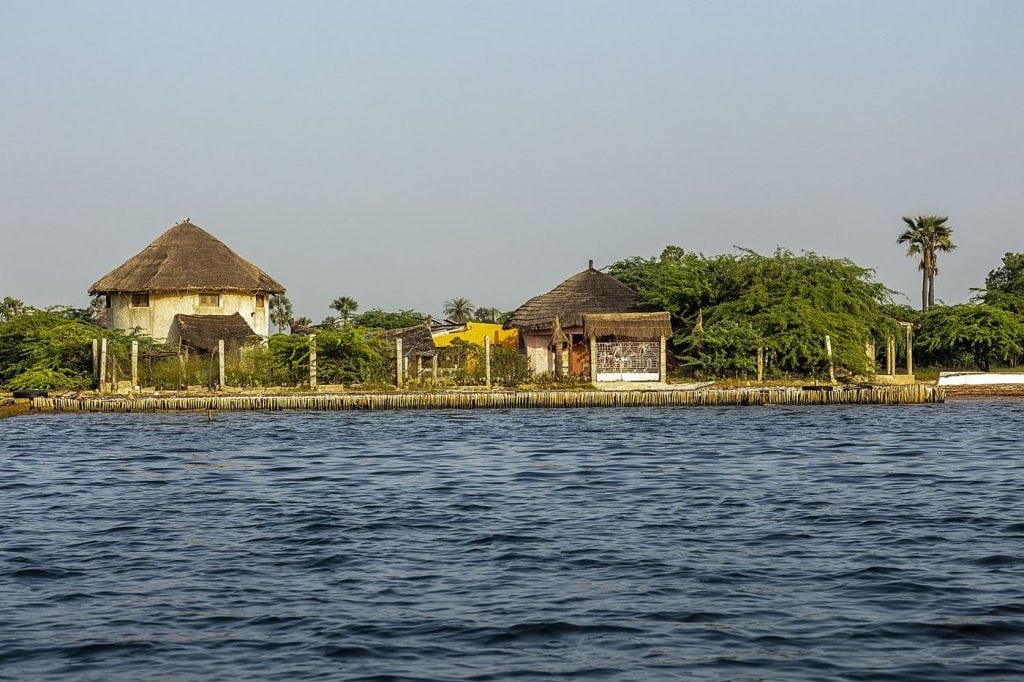
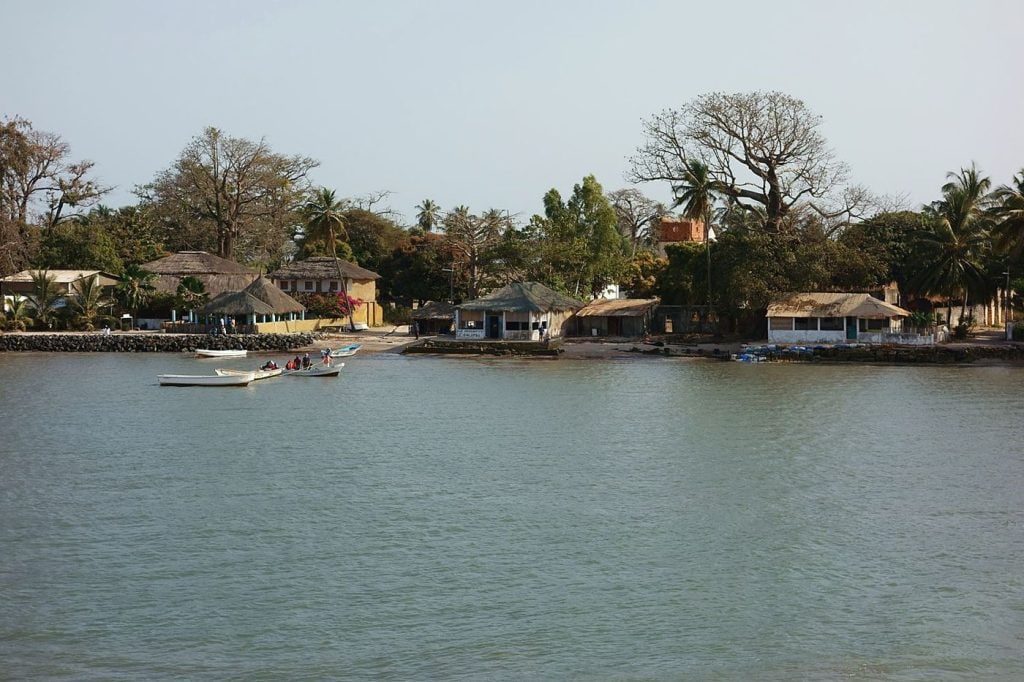
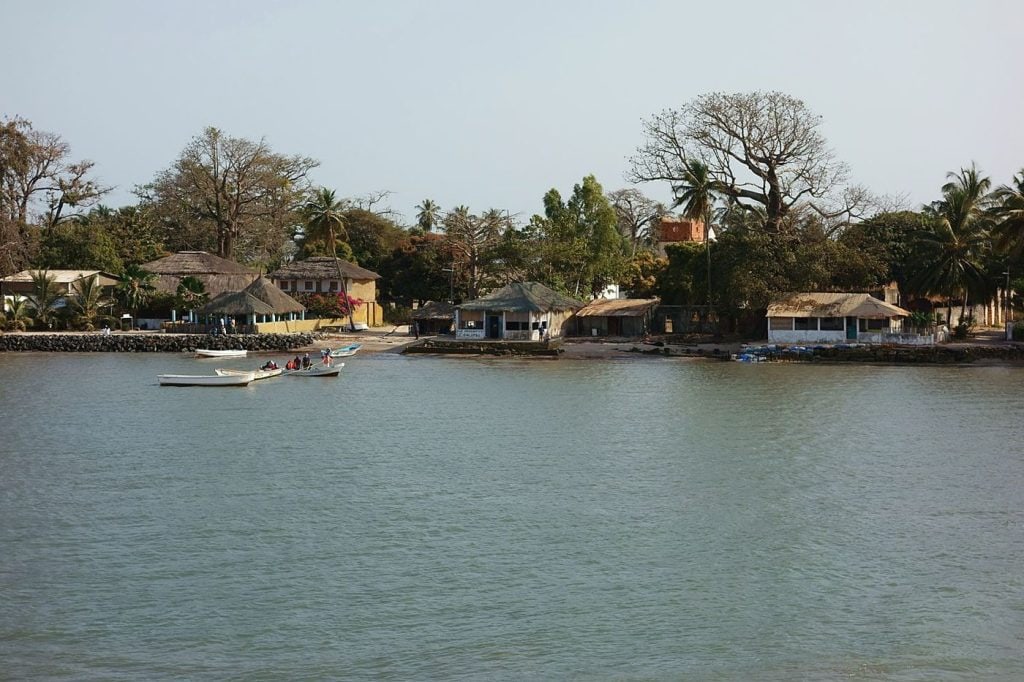
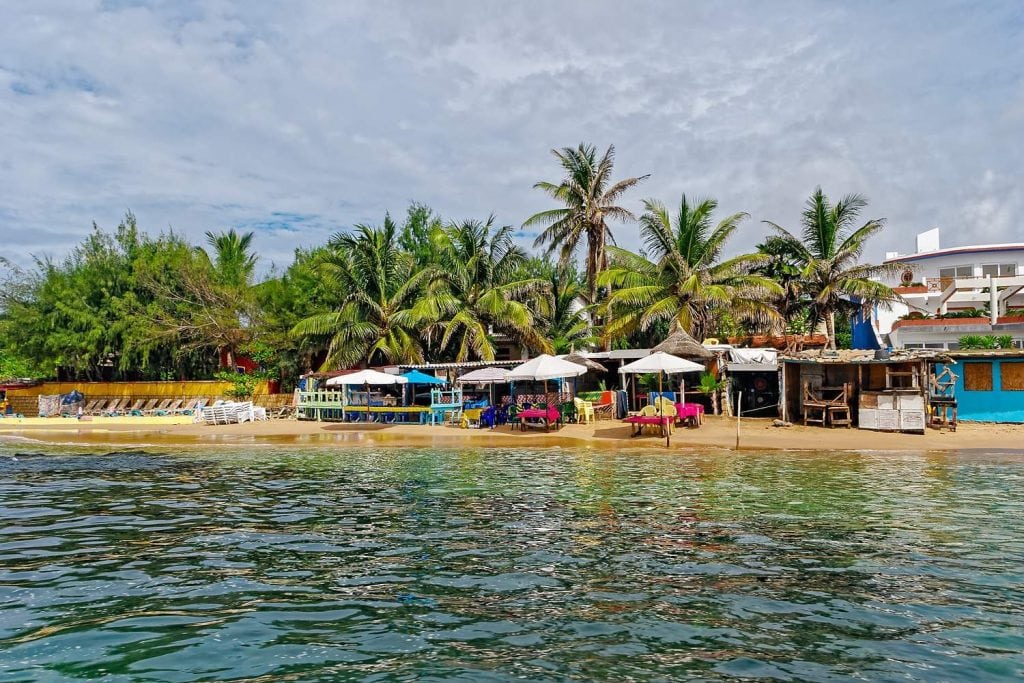
Leave the car in Ndangane: on Mar Lodj it would be no use to you. Opposite the landing stage, less than half an hour away by pirogue, this Serer island in the Saloum lives without engines on land, at the pace of horse-drawn carts and the rhythm of the tides.
Category
Duration
Where it happens
Who for
Guide language
4 activities
- Excursions & adventures
Horse-cart ride in the Sine-Saloum Delta
Fatick Region · 1h, 2h, Full day
From7 700 CFAResident price7 315 CFA−5 % - Nature & culture discoveries
Pirogue trip in the Saloum Delta
Fatick Region · 1h, 2h, Full day
From5 500 CFAResident price5 225 CFA−5 %
At a glance
| Region | Fatick Region, Fatick department, Fimela arrondissement and commune |
| Type of place | Inhabited island in the Saloum Delta, opposite Ndangane; several Serer villages, no cars |
| Villages | Mar Lodj (also spelt Mar Lothie), Mar Fafaco, Mar Soulou and the hamlet of Wandié |
| Getting there from Dakar | About three hours by road to Ndangane via the Petite Côte, a little longer depending on traffic, then 15 to 30 minutes by pirogue |
| Getting around the island | On foot or by horse-drawn cart |
| Recommended time | Half a day for a visit; one or two nights to really enjoy it |
| Official fees | No official entry fee for the island: no additional official fees |
| Best time to go | Dry season, from November to April |
| Top activities on QFS | Pirogue trips through the bolongs, excursions to the delta islands, birdwatching, village visits |
Resident or visitor: two ways to cross over
If you live in Senegal, Mar Lodj is the most complete break you can treat yourself to in a weekend. From Mbour, Saly or Joal, Ndangane is quickly reached; from Dakar, you leave on Saturday morning and you are on the water by lunchtime. The appeal is the silence: not a horn, not an engine on land. The right move is to sleep on the island rather than in Ndangane, fit in a pirogue trip at daybreak and keep the afternoon for doing nothing at all. Remember the resident rate: up to 30% off on activities booked through QFS.
If you are passing through, do not reduce Mar Lodj to a stopover on a one-day “Saloum islands” excursion from the Petite Côte. The island reveals itself in the evening, once the day-trippers have left, and in the morning, when the fishermen come home. A night on the island changes everything. Settle into the pace of the horse-drawn cart.
An island where people live together quietly
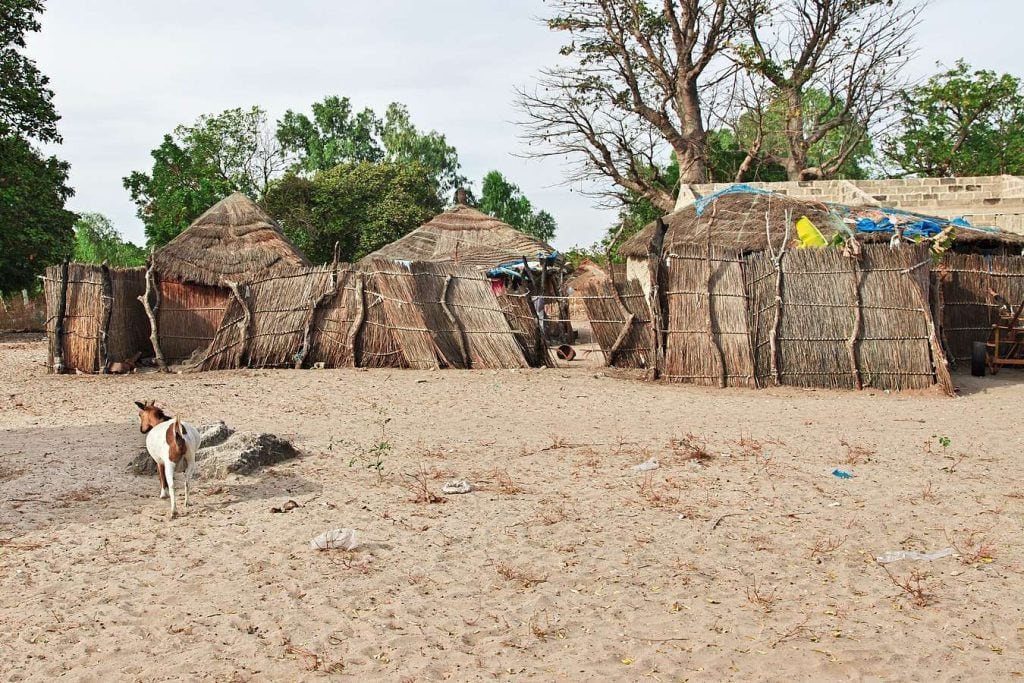
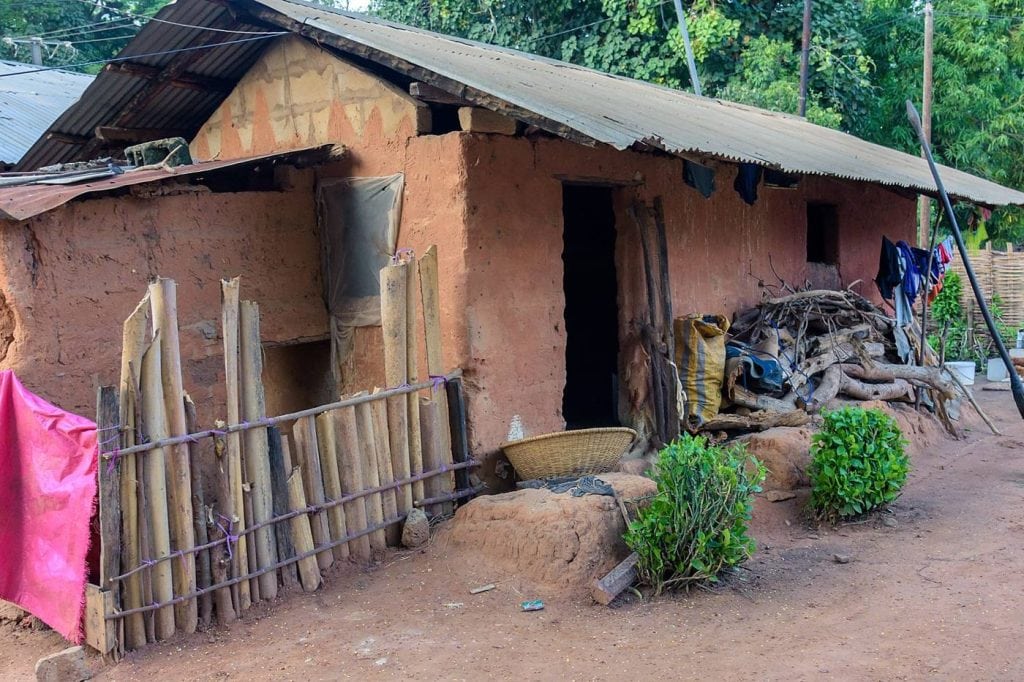
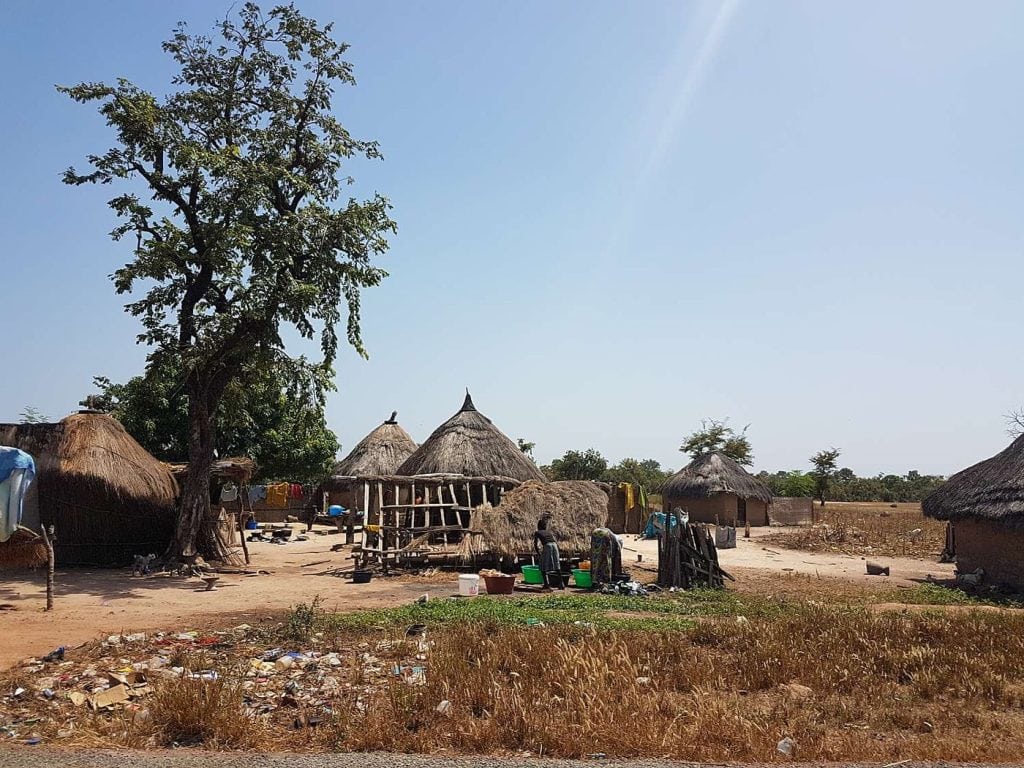
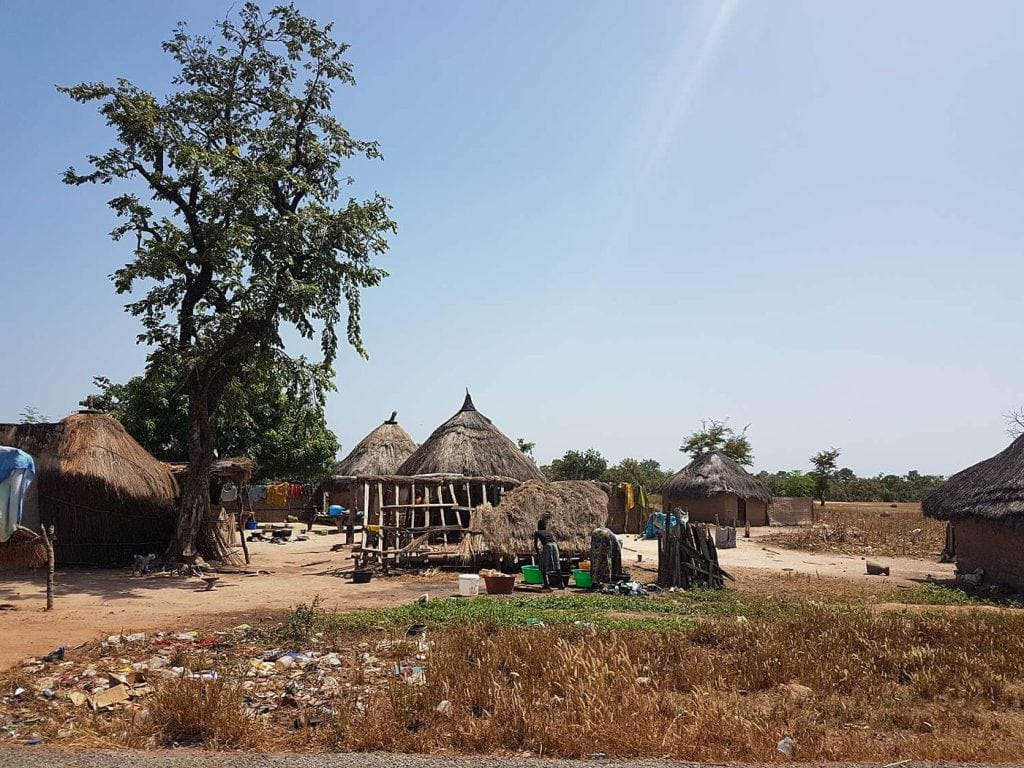
Mar Lodj is first and foremost a community. A few thousand inhabitants, mostly Serer, are spread across the island’s villages, Mar Lodj and Mar Fafaco being the most populated. People live from fishing, rice, millet, groundnuts, livestock and, for some years now, small-scale tourism.
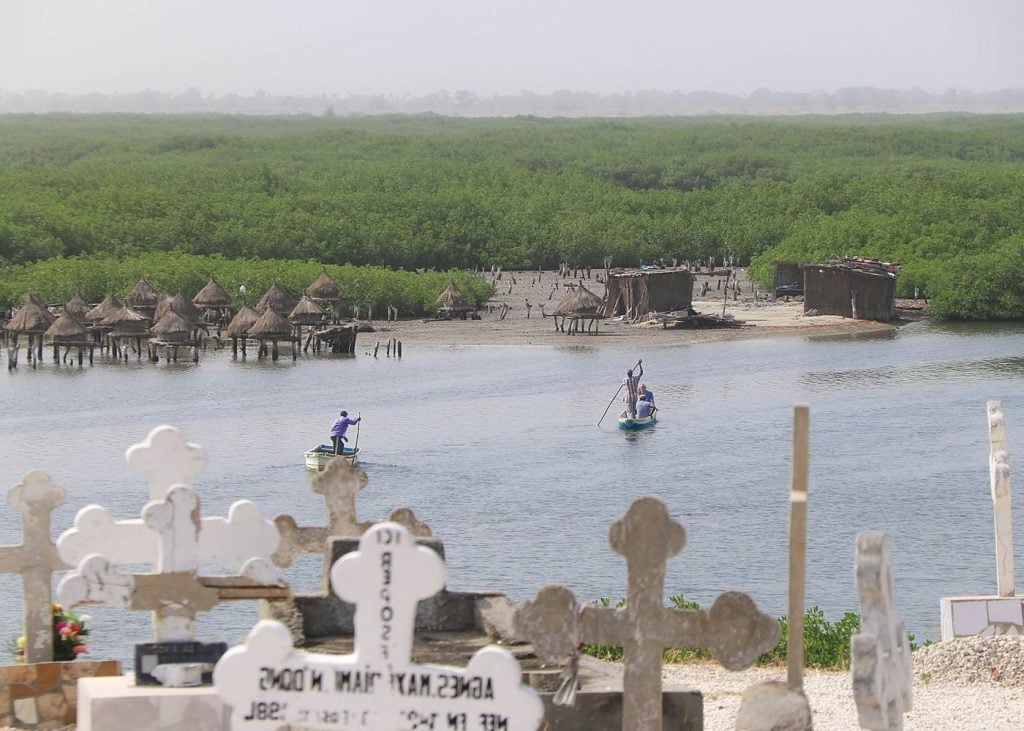
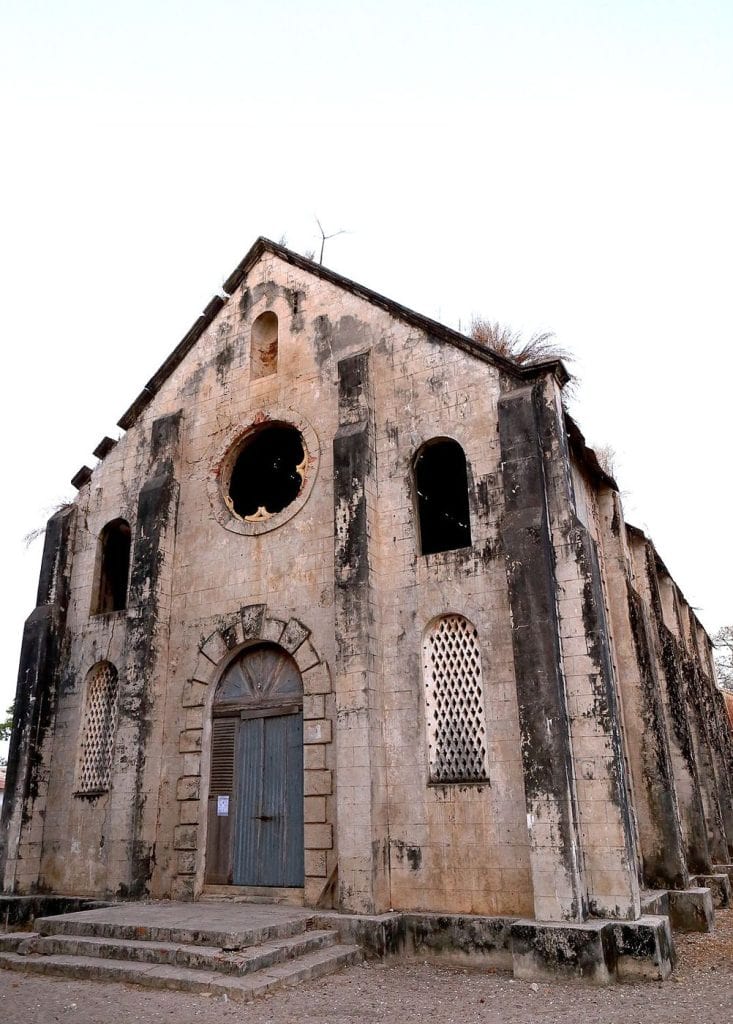
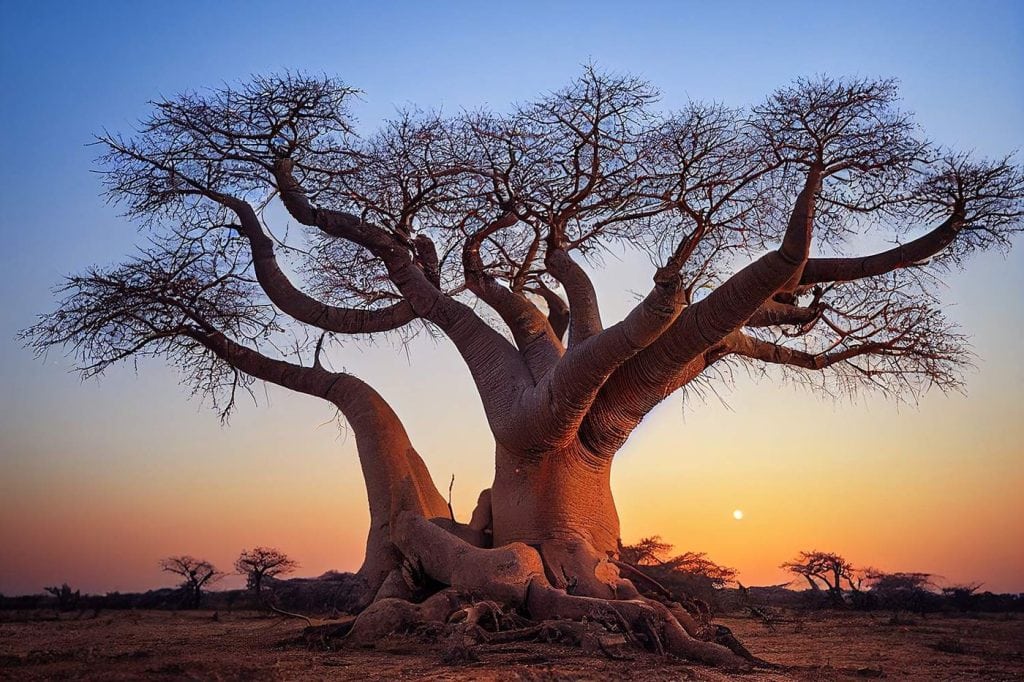
What strikes visitors is the way three faiths share the same land. Christianity, Islam and the traditional Serer religion coexist here, and the island has turned this into a visible symbol: near the church, a kapok tree, a palmyra palm and a cailcedra (African mahogany) have grown with their trunks entwined. But the real lesson lies in everyday life: families where several faiths live side by side, a respect that goes without saying. Go with the same discretion.
Read more
What to do in Mar Lodj
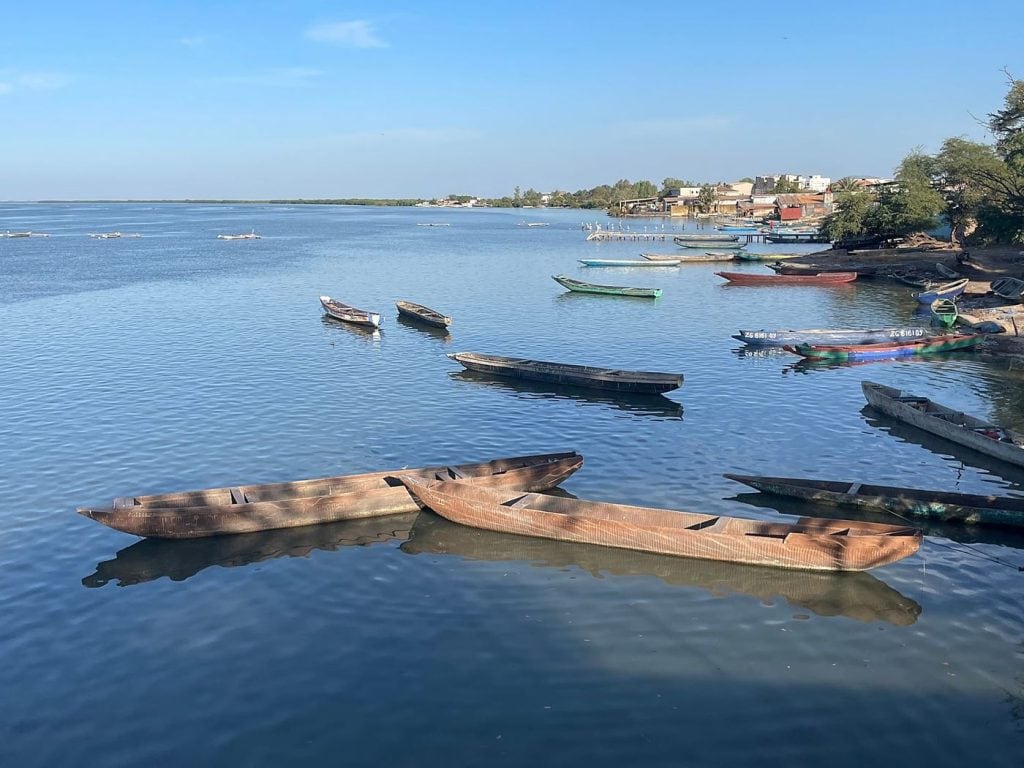
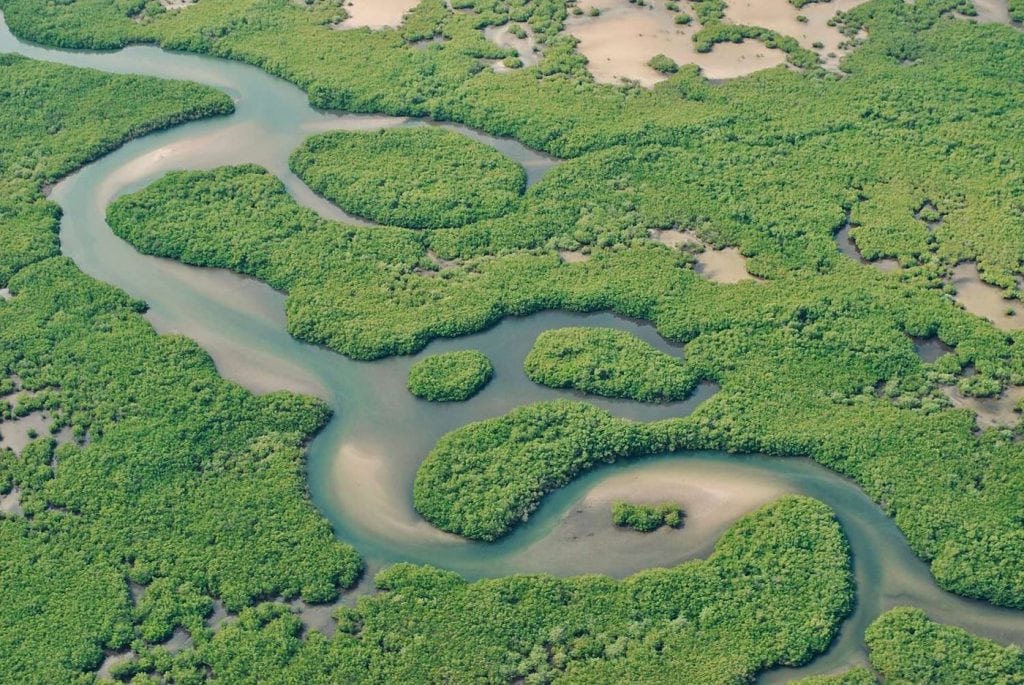
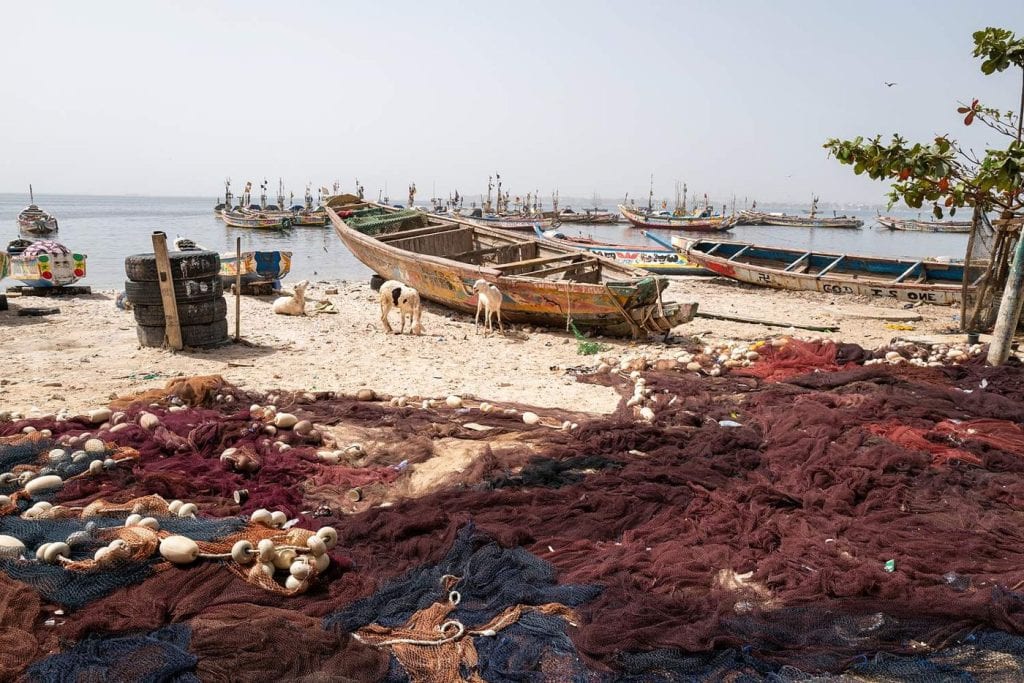
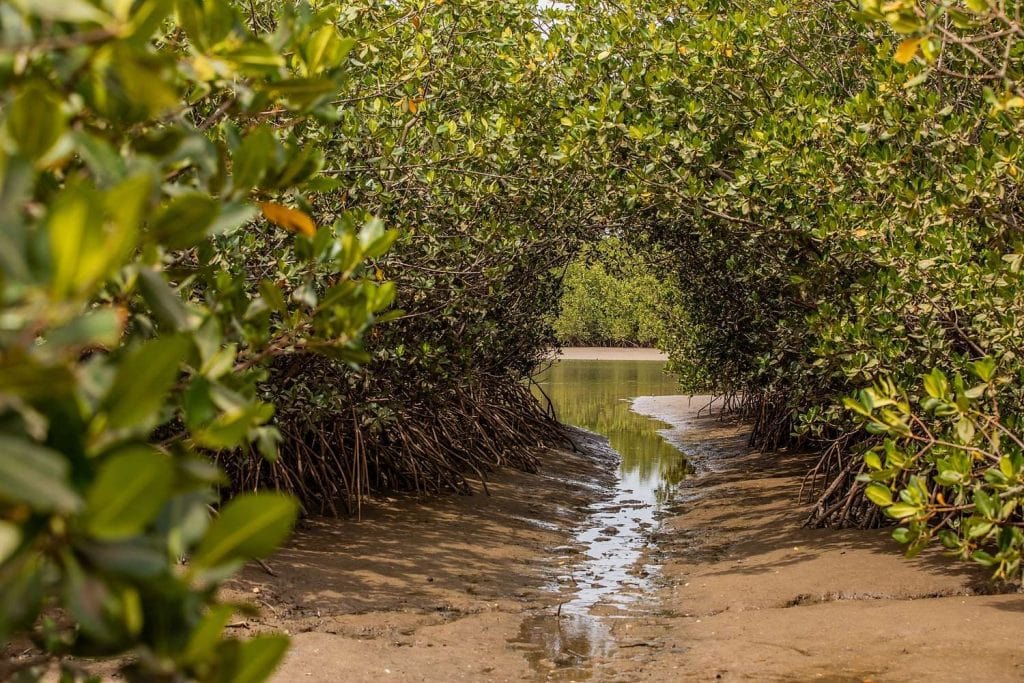
The pirogue, first of all. The island is surrounded by bolongs, the saltwater channels lined with mangroves that form the maze of the delta. A trip of one to two hours is enough to enter the mangrove, get close to the oysters clinging to the roots and pass the fishermen. For longer, an island-hopping trip links up the villages and the shell banks of the delta.
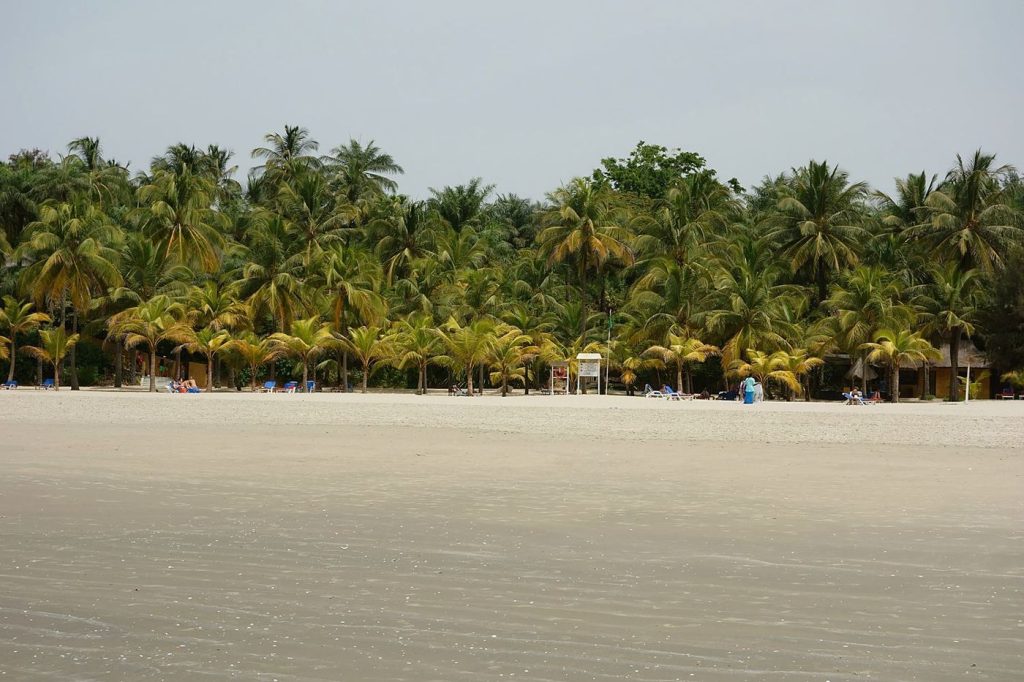
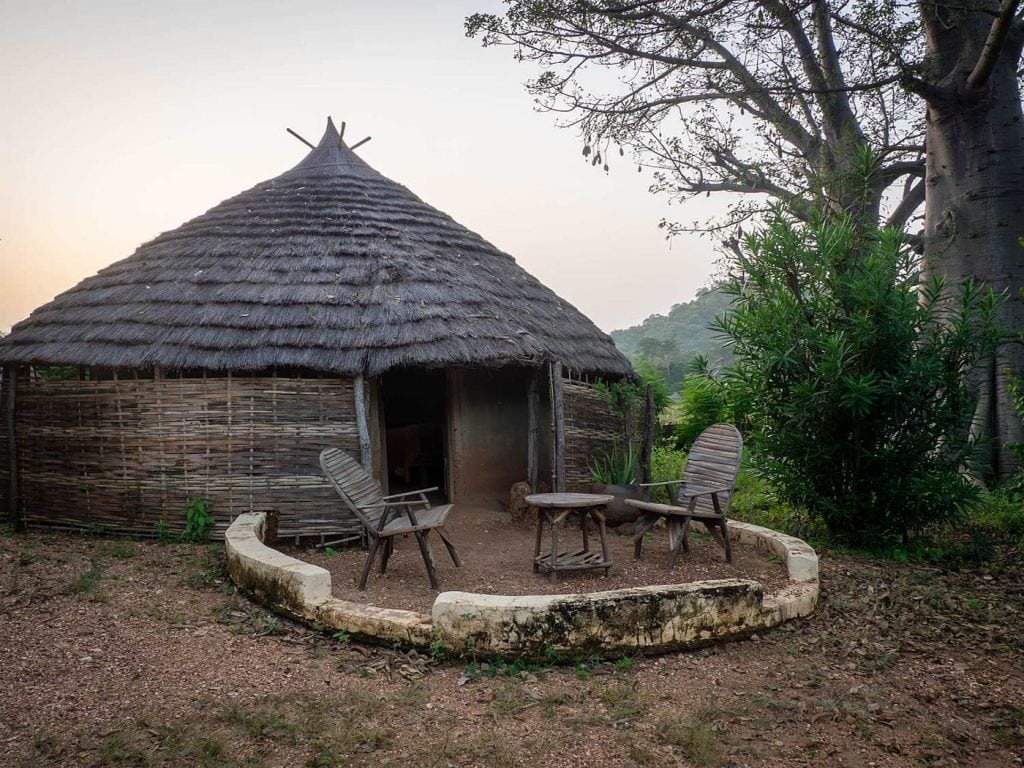
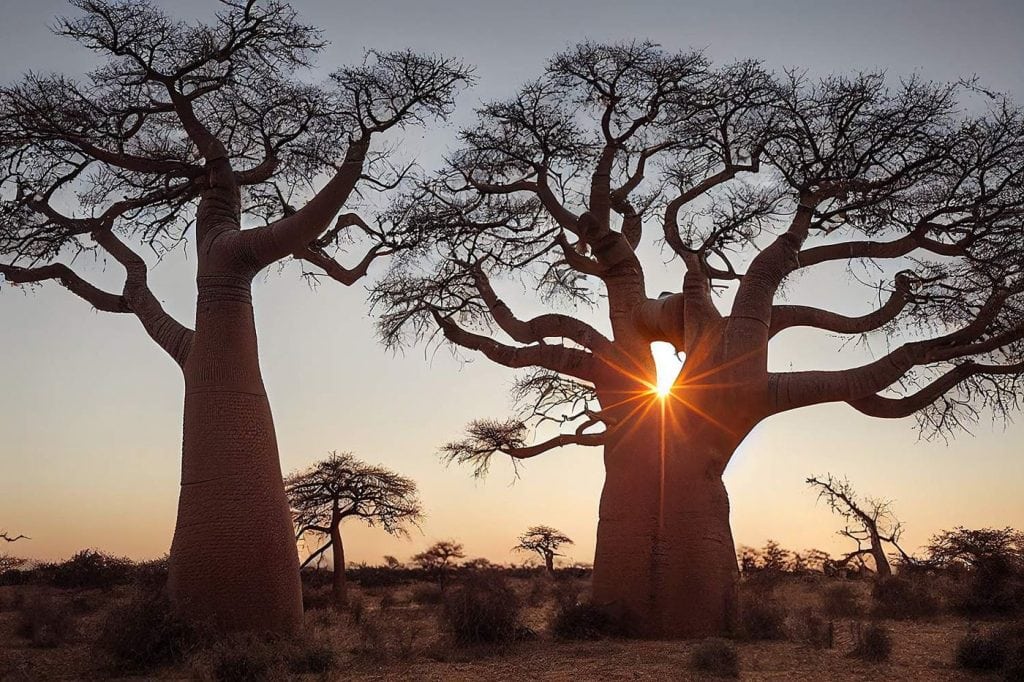
A walk on land. Go round the island on foot or by horse-drawn cart, from village to village, among baobabs, palm trees and small dunes. It is the best way to understand that the island is lived in before it is visited.
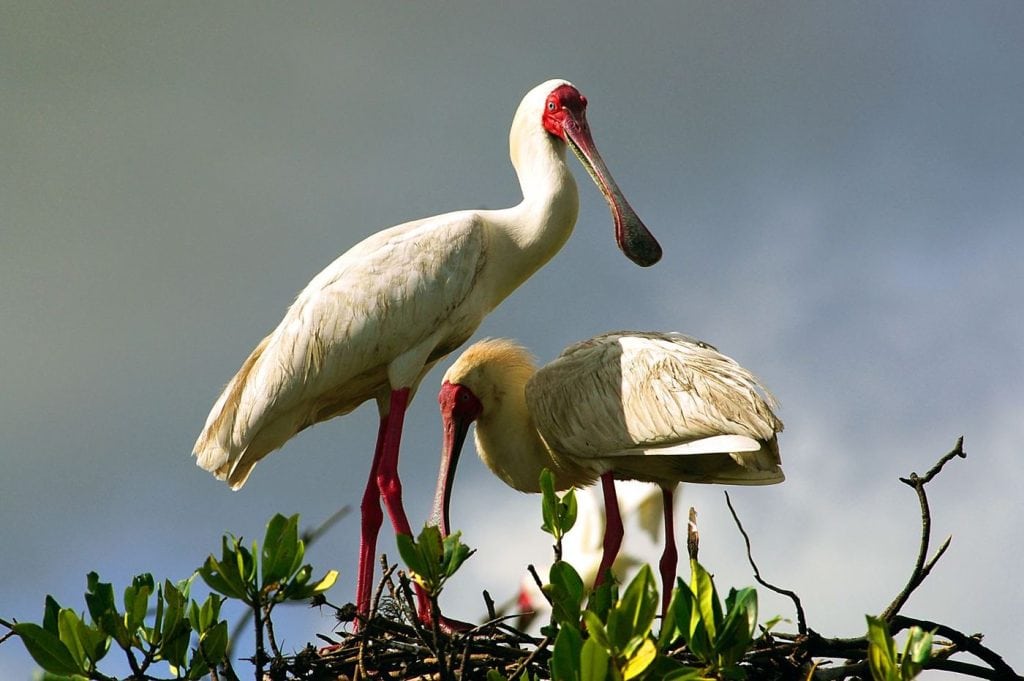
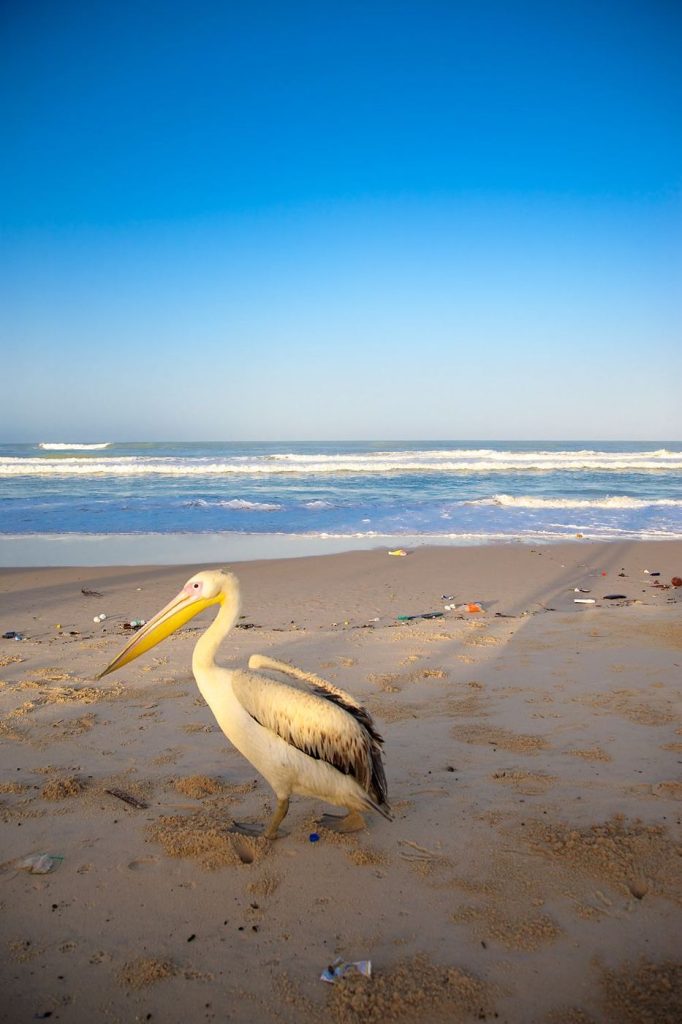
The birds. The Saloum Delta, much of which has been a UNESCO World Heritage Site since 2011, is one of the country’s great birdwatching sites. Around Mar Lodj, herons, egrets and rollers are easy to spot, especially early in the morning and late in the day. In the dry season, migrants from Europe join the resident species.
A night on the island. It is the most underrated activity. With no cars and little street lighting, the night sky is remarkably clear for somewhere just three hours from Dakar.
When to go
| November to April | Dry season: drier air, comfortable boating, migratory birds present. The best time. |
| May and June | Hotter, few visitors: pleasant if you are looking for peace and quiet. |
| July to October | The rainy season (hivernage): a very green island, humid heat, plenty of mosquitoes. For enthusiasts only. |
Getting there
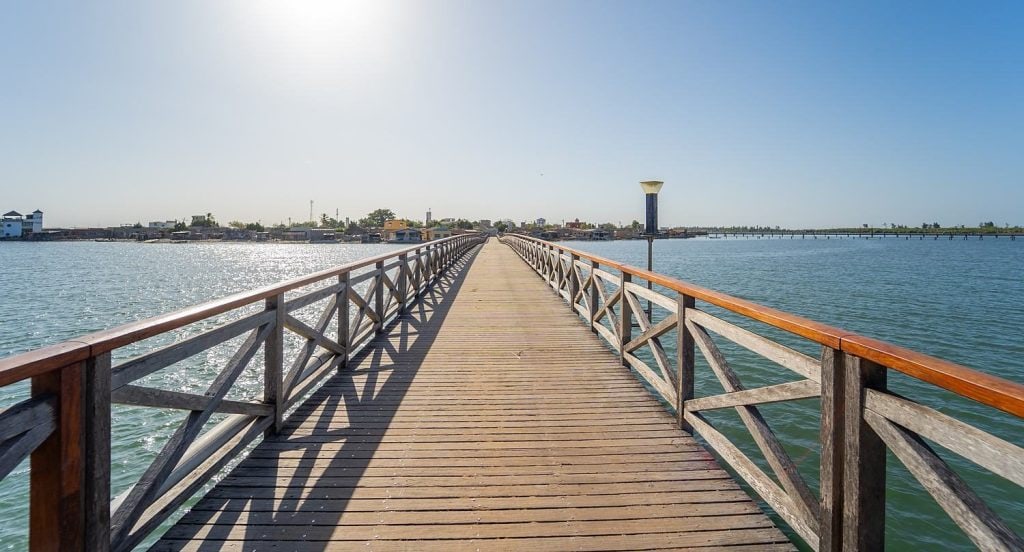
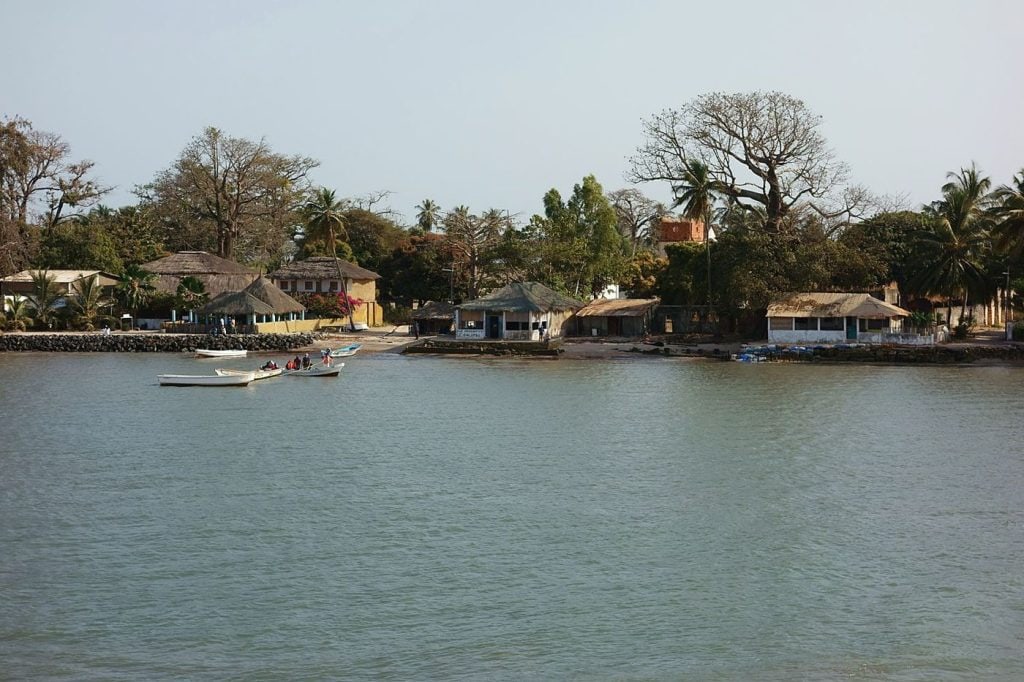
Everything goes through Ndangane, the landing stage for the northern delta. From Dakar, head down the Petite Côte and then on to Ndangane via Fimela or Joal: allow about three hours. You then leave your vehicle at the landing stage and cross by pirogue, 15 to 30 minutes depending on the boat and where you land on the island.
Practical tips
Bring cash: card machines are rare on the island and at the landing stage alike. Pack mosquito repellent and long sleeves for dusk; insist on a life jacket for children. Dress modestly to enter the church or approach the mosque, and ask before photographing local people.
Nearby
Mar Lodj combines naturally with Ndangane and Fimela on the mainland, with Palmarin and Djifère and the Pointe de Sangomar further west, or with Joal and the shell island of Joal-Fadiouth. Further afield: the Sine-Saloum Delta, Dionewar, Niodior or Toubacouta. All the activities in the region are brought together on the Sine-Saloum and Fatick Region pages.
Book an activity in Mar Lodj with QFS
The activities on offer around Mar Lodj are run by independent local professionals and are booked on QFS. Look under pirogue trips, island excursions, birdwatching and traditional sites & villages. The price shown is the price of the service: you pay 20% to secure your booking (the booking fee), and the balance is paid on site, on the day, to the professional. For Mar Lodj, there are no additional official fees. If you live in Senegal, you get the resident rate: up to 30% off.
Frequently asked questions
How do you get to the island of Mar Lodj?
Are there cars on the island?
Is one day enough?
What are the three sacred trees of Mar Lodj?
Do you have to pay an entry fee to visit Mar Lodj?
When is the best time to go?
Sénégal travel news
Latest news
Discover the latest trends and tips for traveling in Senegal. From cultural tourism to outdoor activities, stay informed about events and news that will enrich your stay.
Dakar 2026 Youth Olympic Games: your guide to Africa’s first Olympic Games, from the stands
Prayer times in Senegal: understanding the five daily prayers, from Dakar to Touba
TER Dakar–AIBD: the train finally serves the airport, and how to make the most of it
Great Mosque of Touba: entering the holy city as a guest
Podor: the gum arabic trading post at the end of the river
Mamelles Lighthouse: Dakar’s oldest watchman, at the top of the city
Lac de Guiers: the great lake that keeps Dakar supplied with water
Éloubaline Island: at the end of the creek, the houses that drink the rain
Mar Lodj: the Saloum island with no roads, no ticket office and no borders between faiths
Djifère: the end of the road, facing Sangomar
Niodior: the Saloum island many people read about before they see it
Dionewar: the Gandoul island that faces the ocean
Missirah: the fishing village with the giant kapok tree, at the far end of the Saloum
Sipo Island: the island that had a queen, across the water from Toubacouta
Wendaye Island: crossing a Diola island on foot, from the pirogue to the rice paddies
Pointe Saint-Georges: the end of the track where you watch for manatees
Boucotte: where the beach at Cap Skirring turns wild again
Édioungou: the village where *bolong* clay becomes a jar
Diakène: the gateway to the mangroves, between the Cap Skirring road and Egueye Island
Egueye Island: an island with no village, where the mangrove has the last word
Ourong Island: the end of the chain, where the Casamance islands run out
Katakalousse: the bridge on the Cap Skirring road, and the pirogue to the islands
Cachouane: the peninsula where the Casamance stops running
Kadioute: not an island, but a Diola museum among the roots of a kapok tree
Djilapao: a sculpted house at the end of a *bolong*
Mlomp: two-storey houses of raw earth, in the shade of kapok trees
Niokolo-Koba National Park: Senegal’s great wild bush, which owes you nothing
Dindéfélo Falls: the waterfall the villages chose to keep
Énampore: the house that drinks the rain, at the end of the Bandial road
Guembeul Reserve: on foot among the gazelles the Sahel had lost
Simal: the village on the bolong, at the end of the tann track
Hann Bel-Air: the bay Dakar damaged and is trying to repair
Ngor Beach: the village beach, between pirogues, the landing point and evening football
Anse Bernard: the Plateau’s only beach, and the one Dakar nearly lost
Ndianda: the Serer village you drive through without seeing, ten minutes from Joal
Carabane Island: reading Casamance’s former capital on foot
Lompoul desert: a little Sahara best experienced at sunset
Langue de Barbarie National Park: the park the sea redraws every year
Djoudj National Bird Sanctuary: the pelican haven that almost drowned under a fern
Nguéniène market: on Wednesdays, the Serer bush does its shopping (and you are invited)
Tortoise Village (Village des Tortues) in Noflaye: the African spurred tortoise’s waiting room
Popenguine Nature Reserve: the bush that women brought back to life
Joal-Fadiouth: the island where people are buried together, and the town where Senghor was born
The Somone lagoon: the mangrove that local people replanted
Hann Park: come for the forest, the zoo is not the point of the outing
Ngor Island: one island, two faces, and it is up to you to choose yours
Write to us: a real team, here in Senegal, will reply
Live in Senegal? The resident rate is made for you
Register your activity: we will take care of making it bookable
AFCON 2025: winners in Rabat, a title under appeal, and a country that lives for football
Dak’Art 2026: a month to see Dakar through its artists, from 19 November to 19 December
Saint-Louis Jazz Festival: five May nights when the whole island starts to swing
African Renaissance Monument: contested before it even stood, now Dakar’s landmark
Gorée Island: it is not one house that is listed, but the whole island
Lac Rose (Pink Lake): at Lake Retba, everything comes down to salt
Sine-Saloum Delta: a delta listed for its shells as much as for its mangroves
Madeleine Islands: the park you visit to take nothing away
Fathala Reserve: the Saloum forest where you come looking for the Derby eland
Bandia Reserve: a rebuilt savannah, from giraffes to the griots’ baobab
Mosque of the Divinity: the mosque born of a dream, set on the ocean’s edge at Ouakam
The Mamelles Lighthouse: Panorama and History of Dakar
Dakar’s markets: six markets, six ways to read the city (and to haggle)
House of Slaves, Gorée: what the door helps you understand
Great Mosque of Dakar: one minaret, three stories, and respect above all
Museum of Black Civilisations: a 1966 dream that opened in 2018
Théodore Monod Museum: West African art up close, in the calm of the Plateau
How to book your activity in Senegal
3 days in Dakar: a day of memory, a day of ocean, a day in working-class Dakar
What to do in Dakar Region? Pick what you feel like, we will show you where to go
Bringing Senegal to life? We bring you the people who want to experience it
About us: Senegal to do, not just to see
Saly and the Petite Côte: pick what you feel like, then get out of the resort
Frequently asked questions: booking an activity in Senegal
What to do and see in Senegal: our iconic places, region by region
Our partners: the people who bring Senegal to life, one activity at a time
General Terms and Conditions of Sale
Book a private activity in Senegal for your group