Missirah: giant kapok tree and Saloum fishing port | QFS
Accueil » Points d’intérêt région Fatick » Missirah: the fishing village with the giant kapok tree, at the far end of the Saloum

Home › Locations › Fatick Region › Sine-Saloum › Missirah: the fishing village with the giant kapok tree, at the far end of the Saloum

FATHALA

Missirah: the fishing village with the giant kapok tree, at the far end of the Saloum

South of Toubacouta, almost on the Gambian border, Missirah makes no effort to please: it is a fishing village that lives off its quay, in the shade of an immense tree. Come at the time the pirogues return, and you will see the delta as it works.

In Missirah, you come to see a tree, and you stay for the quay. The village’s giant kapok tree has drawn visitors for years, but what gives Missirah its value is the rest of the day: the pirogues coming back along the bolong (tidal creek), the fish being unloaded, the women smoking and processing the catch, the Fathala forest beginning where the village ends. If you treat Missirah as a photo to take in ten minutes between two safaris, you will have missed it. Give it half a day.

At a glance

RegionFatick Region, Foundiougne department, commune of Toubacouta
TypeFishing village in the south of the Saloum Delta, on the edge of a bolong, where the Fathala forest begins
Getting there from DakarAround 4½ to 5½ hours by road, via Kaolack, Sokone and Toubacouta, then around 15 to 20 km on a road that is partly dirt track
Recommended timeHalf a day, combined with Toubacouta and Fathala Reserve over a stay of two or three nights
Official feesNo additional official fees for the village and the kapok tree; for a pirogue trip into the national park, an entry charge depending on the route, payable on site and not included in the price
Best time to goDry season, November–May; in the late afternoon, when the pirogues return
Related QFS activitiesPirogue trips through the bolongs, birdwatching, island excursions, safari at Fathala

Resident or visitor: the same tree, two visits

Do you live in Senegal? Missirah is the stop that gives depth to a weekend in Toubacouta or Fathala. Do the safari in the morning, have lunch, then head down to Missirah in the late afternoon: the heat drops, the quay comes alive, and you drive back up for dinner on the banks of the Bandiala. It is also a good place to show children where the fish at the market comes from. On trips booked through QFS, you get the resident rate: up to 30% off depending on the activity.

Just passing through? Do not come all the way from Saly or Dakar for Missirah alone: it is a long drive for a village you can cover on foot. Fit it into your stop in the south of the Saloum, and take your time over the visit. There is no ticket office and no marked trail here: you are entering a place where people live and work, and that is exactly what makes it worthwhile.

A tree no one cuts down, a quay that keeps the village alive

The kapok tree, Ceiba pentandra, grows in the hot lands of Africa and the Americas, and is recognisable by its spiny trunk and its huge buttresses, the flattened roots that fan out like blades from the base. The one in Missirah is striking for its trunk and buttresses, which form real alcoves at its foot. Do not trust the figures circulating about its age or height: none of them is established. What matters more is the place it holds in the village, where it is surrounded by beliefs and respect. Approach it as you would approach a place charged with meaning: by asking, by listening to what you are told about it, and without climbing on the roots.

The quay, for its part, tells the story of the present. Fishing is Missirah’s main activity, followed by farming. Part of the fish landed here is processed on the spot, dried or smoked, by women for whom this is their trade, before leaving for the markets. As elsewhere in the delta, the nearby mangrove also provides oysters and shellfish. It is this long-standing relationship between the inhabitants and their waters, a resource used without being exhausted, that earned the delta its UNESCO World Heritage status.

The village belongs to the Niombato, the land in the south of the Saloum, a border country facing both the delta and the nearby Gambia.

  • Adventure & outdoors

    3-day bivouac in the Sine-Saloum Delta with lion walk

    Fathala · 3 days


    From715 000 CFA
    Resident price679 250 CFA−5 %
  • Quad & buggy

    Couples getaway in the Sine-Saloum Delta

    Dakar · 2 days


    From297 000 CFA
    Resident price282 150 CFA−5 %
  • Pirogue trips

    Two-day Sine-Saloum stay with a Fathala safari

    Dakar · 2 days


    From90 200 CFA
    Resident price85 690 CFA−5 %

Key facts & figures

FactFigure
Administrative areaCommune of Toubacouta, Foundiougne department, Fatick Region
LocationSouth of Toubacouta, where the Fathala forest begins, a few kilometres from the Gambian border
From ToubacoutaAround 15 to 20 km
From DakarAround 4½ to 5½ hours by road
Main activitySmall-scale fishing, followed by farming
Emblematic treeGiant kapok tree (Ceiba pentandra), surrounded by beliefs in the village
Protected settingSaloum Delta: national park since 1976, UNESCO World Heritage Site since 2011

Getting there & official fees

From Dakar, head down to Kaolack, then Sokone and Toubacouta. Missirah lies further south, around 15 to 20 km away: the road, partly dirt track, can be in poor condition, especially during and after the rainy season (hivernage). Allow around 4½ to 5½ hours in total from Dakar, which is why it makes sense to stay overnight in the area. Without a car, vehicle hire with driver or intercity transfers to Toubacouta is the simplest option.

Visiting the village and the kapok tree involves no official charge: no additional official fees. If someone from the village offers to take you to the tree, agree on their contribution beforehand. If you set off on a trip through the bolongs of the Saloum Delta National Park, the park entry charge applies depending on the route: it is payable on site and not included in the price, and each listing states whether it is due.

What to see

The kapok tree. Walk all the way round the trunk to take in the buttresses, then step back until you can frame the whole tree: only from a distance can you grasp its size. In the morning, the light on the bark is softer.

The quay when the boats return. In the late afternoon, the pirogues come in, and the catch is unloaded, sorted and haggled over. Keep clear of the work areas and ask before taking photos.

The processing areas. Drying racks and smoking ovens tell the story of the village women’s work. A question asked with curiosity is worth more than a lens pointed at someone.

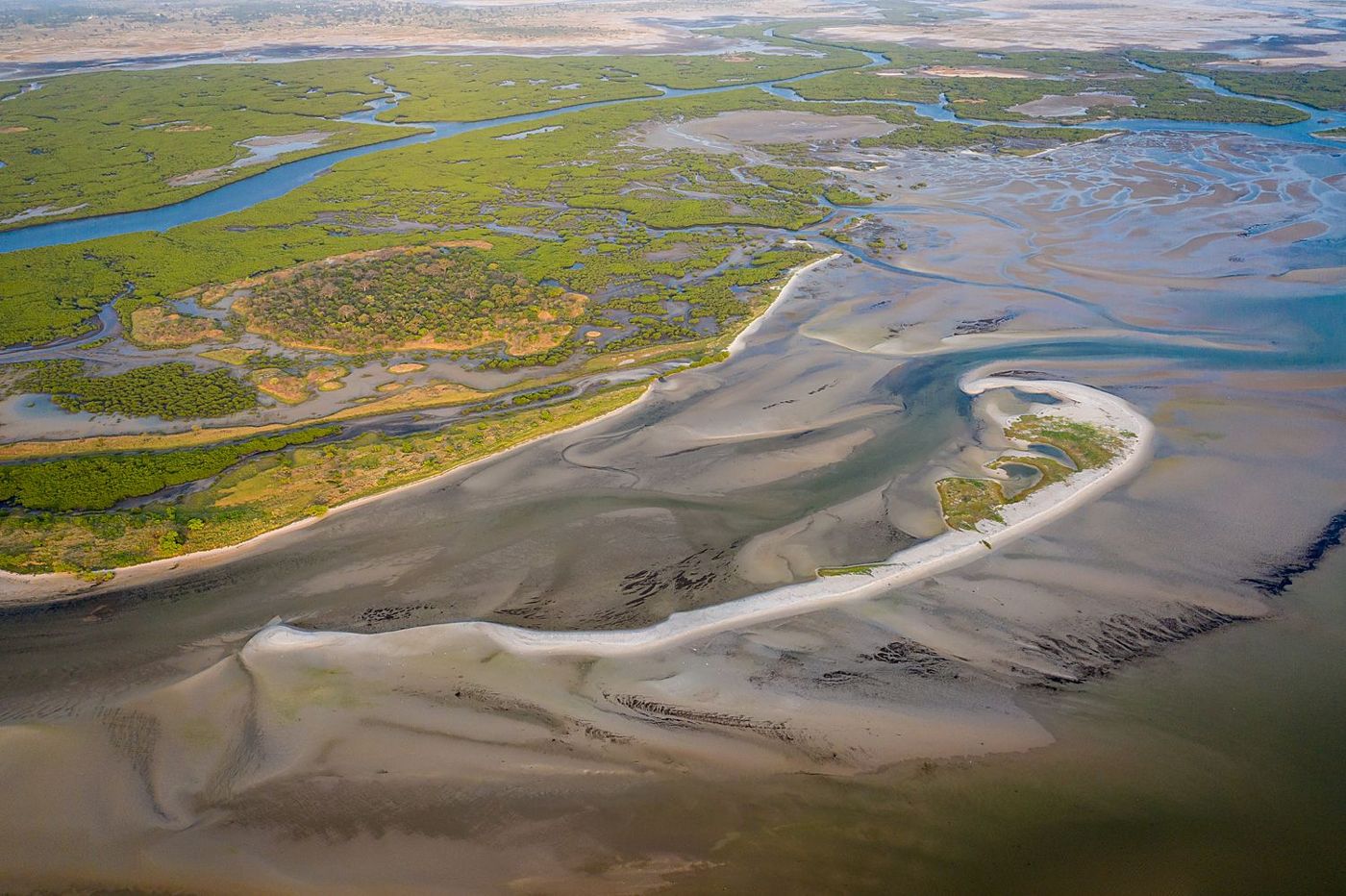
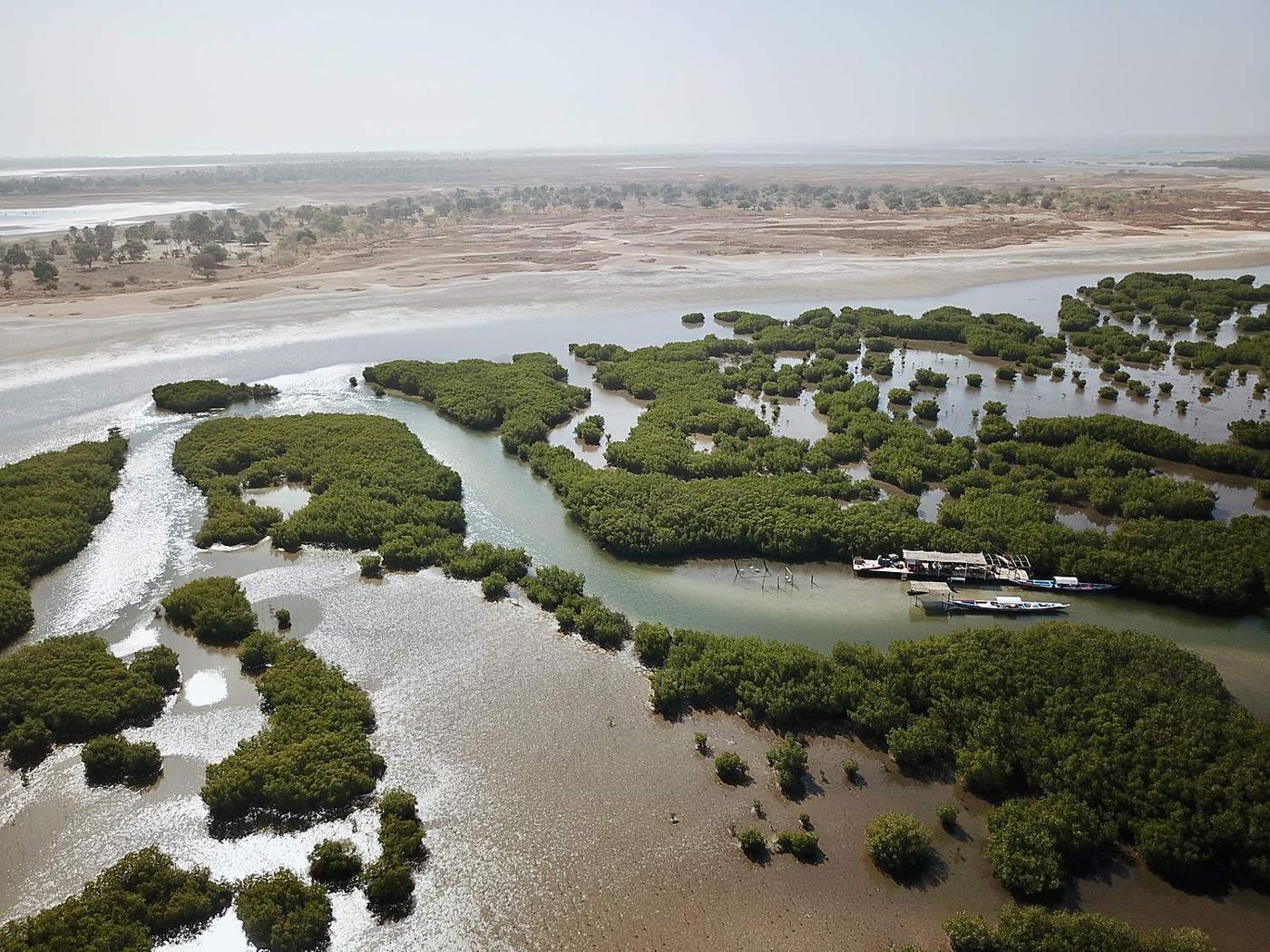
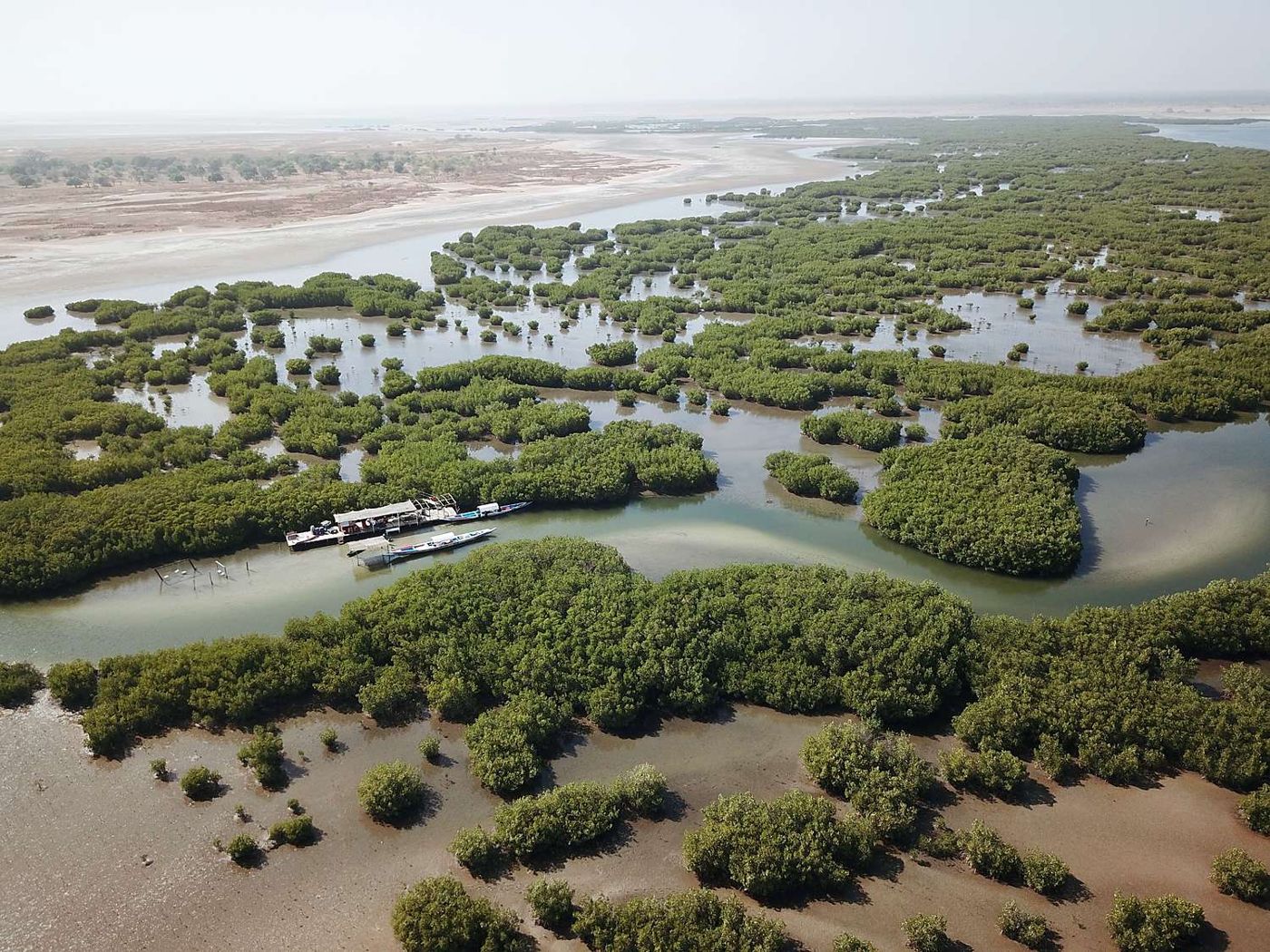
The bolong. From the bank, the mangrove begins almost at the last houses: the contrast between the village, the water and the dry forest close by sums up the south of the delta.

Nearby

Missirah is best visited together with its neighbours. To the north, Toubacouta is the base for pirogue trips into the Bandiala mangrove, towards Sipo Island, the cemetery island of Diorom Boumak and the Bamboung marine protected area. Next door, Fathala Reserve offers safaris in the forest, with its Derby elands and giraffes; our Fathala page helps you organise your stay. To understand the national park and its World Heritage status, read our Sine-Saloum Delta page. Further north, Mar Lodj, Ndangane and Palmarin show another side of the delta. For an overview: the Sine-Saloum and Fatick Region.

  • Adventure & outdoors

    3-day bivouac in the Sine-Saloum Delta with lion walk

    Fathala · 3 days


    From715 000 CFA
    Resident price679 250 CFA−5 %
  • Pirogue trips

    Pirogue tour in the Saloum Delta from Ndangane

    Fatick Region · Half-day, Full day


    From55 000 CFA
    Resident price52 250 CFA−5 %
  • Quad & buggy

    Couples getaway in the Sine-Saloum Delta

    Dakar · 2 days


    From297 000 CFA
    Resident price282 150 CFA−5 %

The right time

PeriodWhat changes
November–FebruaryCool mornings, a more passable road, migratory birds in the bolongs: the best time
March–MayRising heat: visit early in the morning or in the late afternoon
June–October (hivernage)Lush green mangrove, but a harder track, heavy air and mosquitoes
Time of dayLate afternoon for the quay; morning for the light on the kapok tree

Practical tips

  • Respect for the kapok tree. Ask before approaching the tree, do not climb on the roots, take nothing away, and listen to the instructions you are given.
  • Photos. Always ask before photographing someone, especially the women at work in the processing areas.
  • Clothing. Clothes covering shoulders and knees in the village, closed shoes for the quay.
  • Money. Cash in small notes, withdrawn before leaving the main roads: in the village, everything is paid in cash.
  • On the water. Insist on a life jacket, especially for children; hat, water and sun cream.
  • In the evening. Insect repellent and long sleeves: the mangrove is unforgiving at dusk.

Book an activity here with QFS

Missirah has no bookable activity in its own name: you pass through it on trips in the south of the delta. See pirogue trips, birdwatching and island excursions, some of which leave from Toubacouta and stop at Sipo and Missirah. On land, safari and wildlife reserves & parks take you to Fathala.

Each activity is run by an independent local professional. You pay 20% to secure your booking (the booking fee), and the balance is paid on site, on the day. The national park entry charge, where it applies, is payable on site and not included in the price. If you live in Senegal, you get the resident rate: up to 30% off (the exact rate is shown on each listing).

Frequently asked questions

Where is Missirah?
In the south of the Saloum Delta, in Fatick Region, in the commune of Toubacouta (Foundiougne department). The village lies where the Fathala forest begins, a few kilometres from the Gambian border.
Do you have to pay to see the Missirah kapok tree?
There are no additional official fees to visit the village and the kapok tree. If someone from the village accompanies you, agree on their contribution before the visit.
How should you behave near the Missirah kapok tree?
Ask before approaching it, listen to what the villagers say about it and do not climb on its roots. The tree is surrounded by beliefs in the village: visit it with respect.
How long does it take to visit Missirah?
Half a day is enough for the kapok tree, the quay and the village. Combine it with Toubacouta and Fathala Reserve over two or three nights in the south of the Saloum.
Can you visit Missirah from Dakar in a day?
It is not advisable: allow around 4½ to 5½ hours by road each way. Stay overnight in the area, in Toubacouta or near Fathala.

Read also