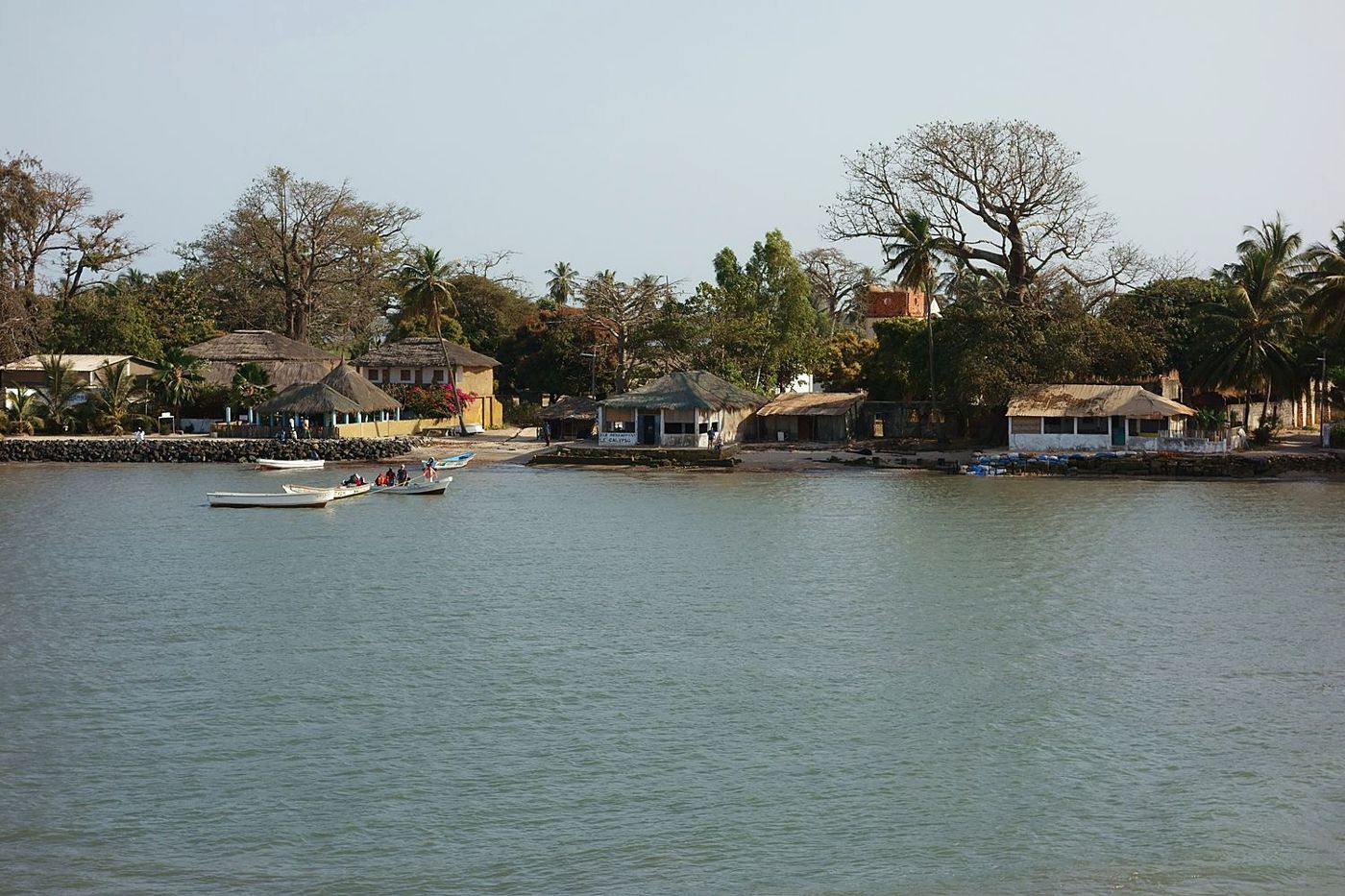
On a map of the mouth of the Casamance River, Ourong Island is the last one: beyond it, to the south, there are no more inhabited islands, only mangroves and the mainland. Ourong has no monument, no developed beach, no viewpoint. It is a Diola fishing village where you step off a pirogue, and that is exactly why it is worth a stop. An hour on Ourong Island will tell you more about these islands the sea is eating away than a day on the beach.
At a glance
| Region | Casamance — Ziguinchor Region, Oussouye department, commune of Diembéring |
| Type | Small Diola island village at the mouth of the Casamance River, between bolongs (tidal creeks) and mangroves |
| Location | At the southern tip of the chain of islands, a few kilometres south of Elinkine and south-east of Wendaye |
| Getting there from Dakar | Flight to Cap Skirring or Ziguinchor, overnight boat to Ziguinchor, or a long day’s drive via the Gambia; then by road to the landing stage and by pirogue |
| Getting there locally | By water only: pirogue from the Katakalousse landing stage, or as a stop on an island trip from Elinkine |
| Recommended time | One to two hours as a stop, in a day linking several islands |
| Official fees | No additional official fees |
| Best time to go | Dry season, November–May |
| Related QFS activities | Pirogue trips, island excursions, kayaking, fishing, traditional villages |
Resident or visitor: a stop, not a separate excursion
Live in Senegal? Ourong alone does not justify the trip from Dakar, but it adds depth to a stay in Cap Skirring or Oussouye. Simply ask for your pirogue trip through the bolongs to stop there: you will see a side of the islands that rushed tours skip. On activities booked through QFS, you get the resident rate: up to 30% off, reason enough to come back a second time at the end of the rainy season (hivernage), when the mangroves are at their greenest.
Just passing through? Bear in mind that you are entering a village, not a tourist site. There is no ticket office, no trail and nobody whose job is to welcome you. Come with someone who knows the place, greet people first, and let the village decide what it shows you.
At the end of the chain
Ourong belongs to the handful of small inhabited islands in the commune of Diembéring, set in the mouth of the Casamance River: Carabane, Sifoca, Wendaye, Ehidj and Ourong, plus the peninsulas of Cachouane and Gnikine. The islands’ associations describe a chain running from Hitou in the north to Ourong in the south: Ourong is its last link.
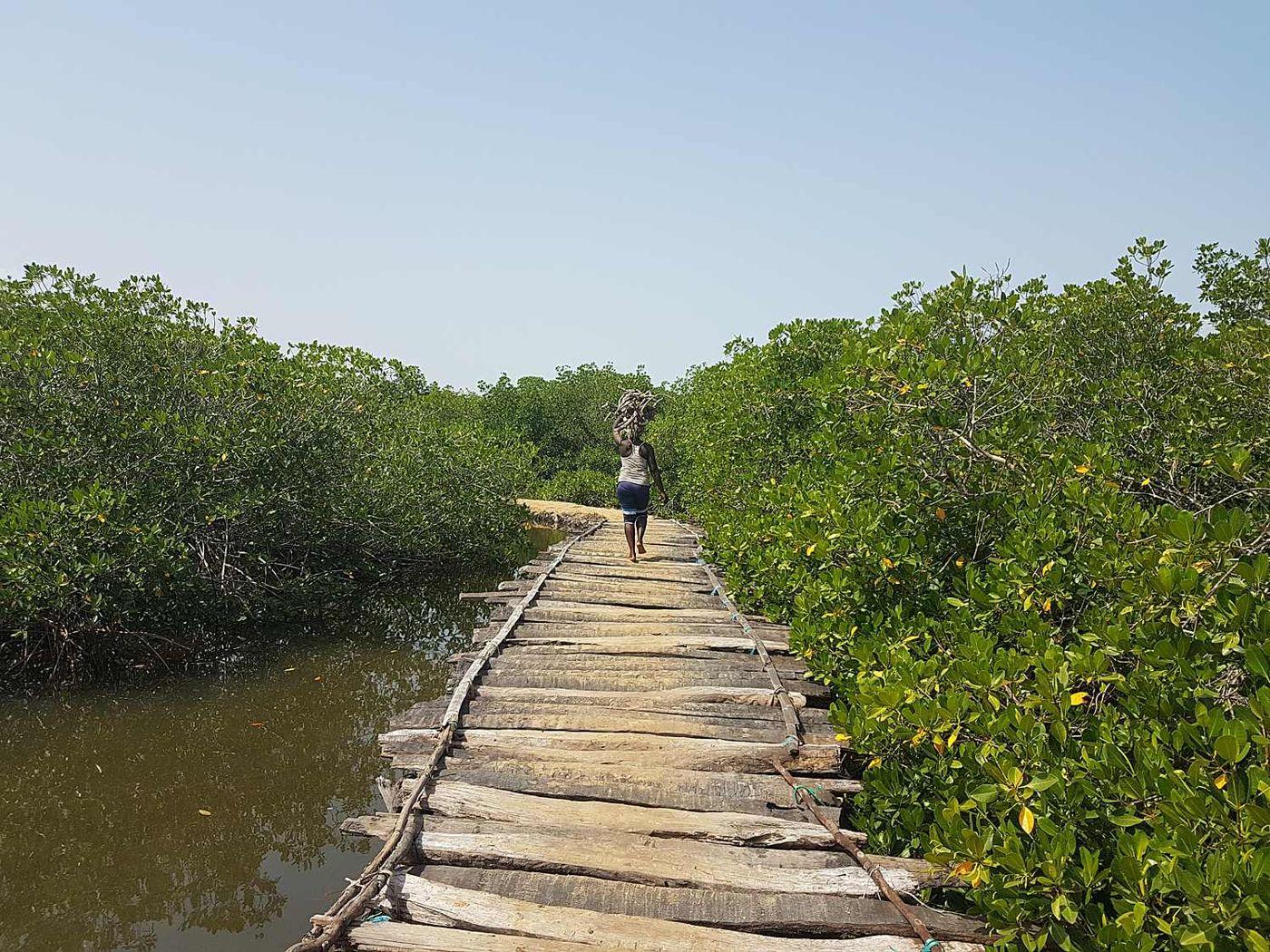
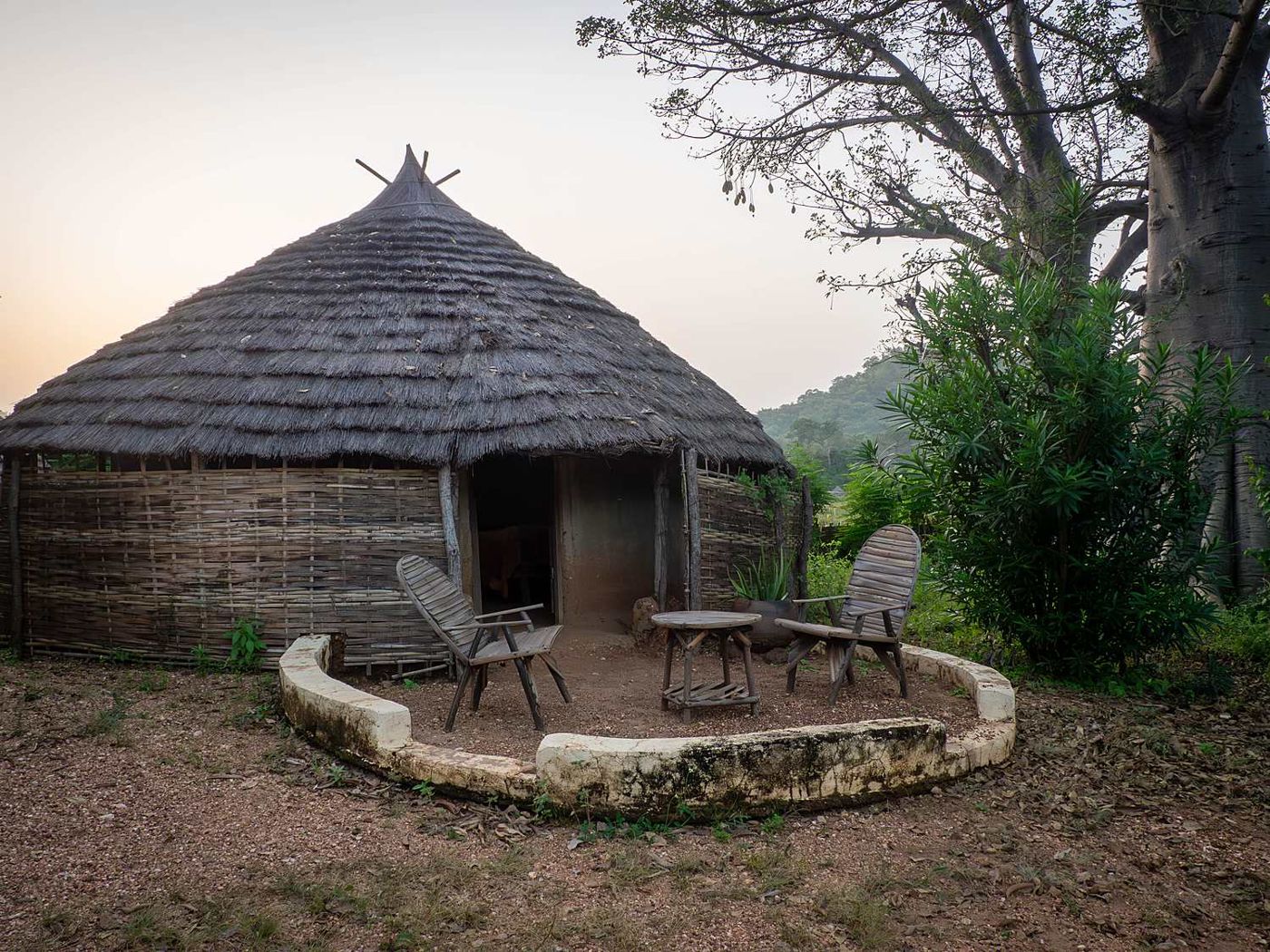
It is an island in the sense people here give the word: a strip of land cut off from the mainland by a forest of mangrove trees and a small watercourse. No bridge, no track: you arrive by pirogue, and the time of the crossing depends on the tide far more than on your plans. The village has a few hundred inhabitants, Diola like those of all the neighbouring islands.
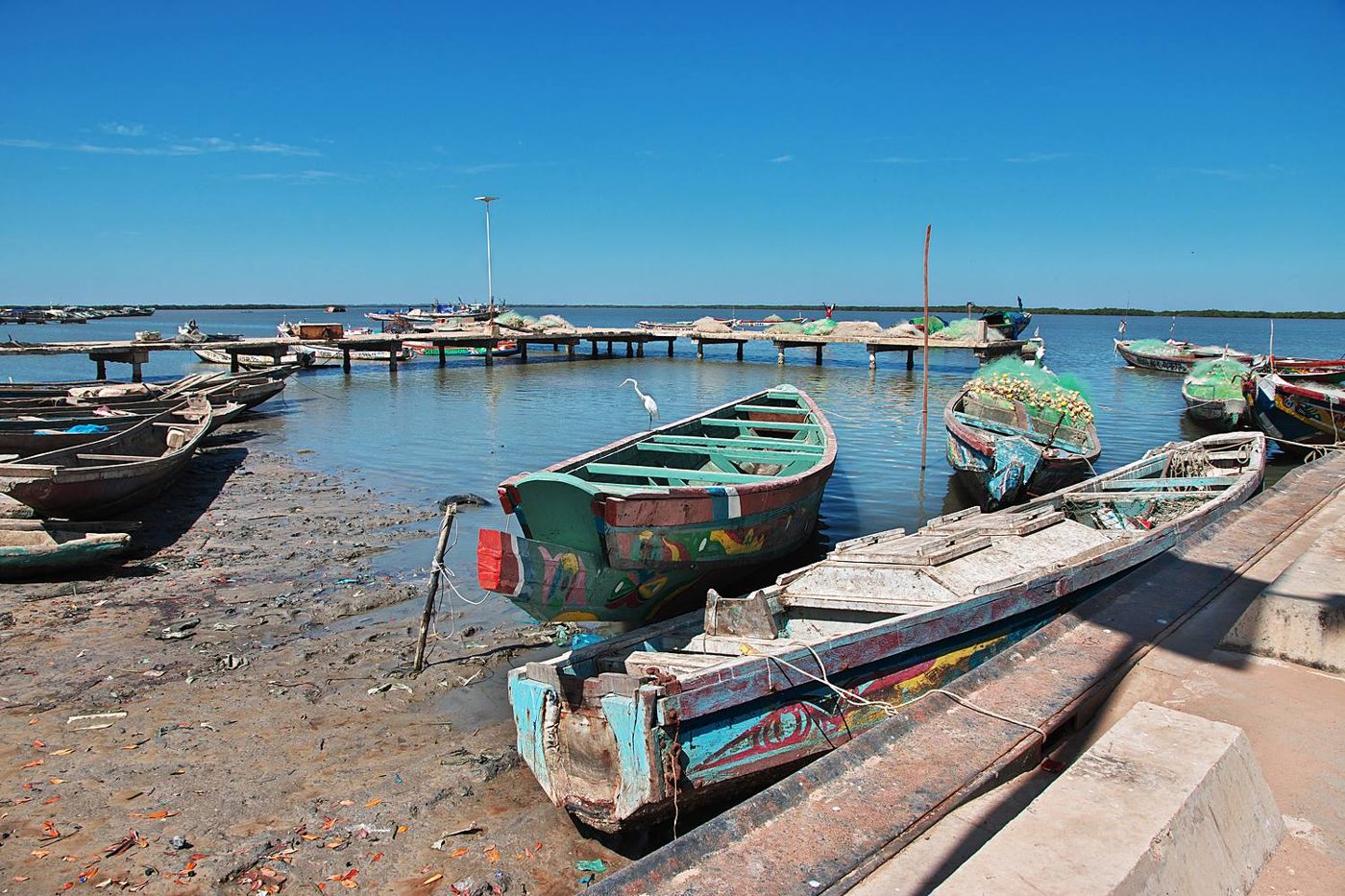
What you see in Ourong is first and foremost fishing. Fresh fish and mangrove produce leave by pirogue for markets on the mainland. As everywhere in Lower Casamance, Diola women also gather the oysters clinging to the mangrove roots, which are then dried or smoked. Rice, the foundation of Diola farming, is still grown in the paddies near the village, but it is in decline.
For Ourong lives on the front line. Salt water is pushing inland, the lowland rice fields are turning saline, fresh water for market gardening is in short supply, and the sea is attacking the banks. On the island, residents protect the shore with planks and makeshift materials. Look at the bank: that is where the village’s future is being decided.