Rufisque
Home›Locations›Dakar Region›Rufisque
What to do in Rufisque?
Rufisque is the town everyone drives through and almost nobody looks at. Wedged between the way out of Dakar and the road to the Petite Côte, it looks like a tired suburb. Look up: under the dust there are wrought-iron balconies, stone trading houses and a century-old railway station, the remains of a town that mattered before Dakar did.
Category
Duration
Where it happens
Who for
Guide language
1 activity
At a glance
| Region | Dakar Region, Rufisque department (communes of Rufisque Est, Ouest and Nord) |
| Type of place | Historic coastal town, one of the Four Communes, old colonial centre and Lebou quarters |
| Getting there from Dakar | About 25 km east · 30 min to over an hour by road depending on traffic, more reliable by TER (Regional Express Train) |
| Recommended time | A morning, to combine with Bargny, Diamniadio or the road to the Petite Côte |
| Official fees | No additional official fees: the town is free to explore |
| Best time to go | Dry season, November to June; early in the morning, before the heat and the market crowds |
| Top activity on QFS | Guided cultural tour of the old centre |
Resident or visitor: two good reasons to stop
If you live in Dakar, Rufisque is the closest and cheapest heritage outing there is: a TER ticket, a colonial station as you step off, and you are walking through the town where your neighbours may well have originaire ancestors. A Saturday-morning outing for families and photographers: these façades will not all be here in ten years.
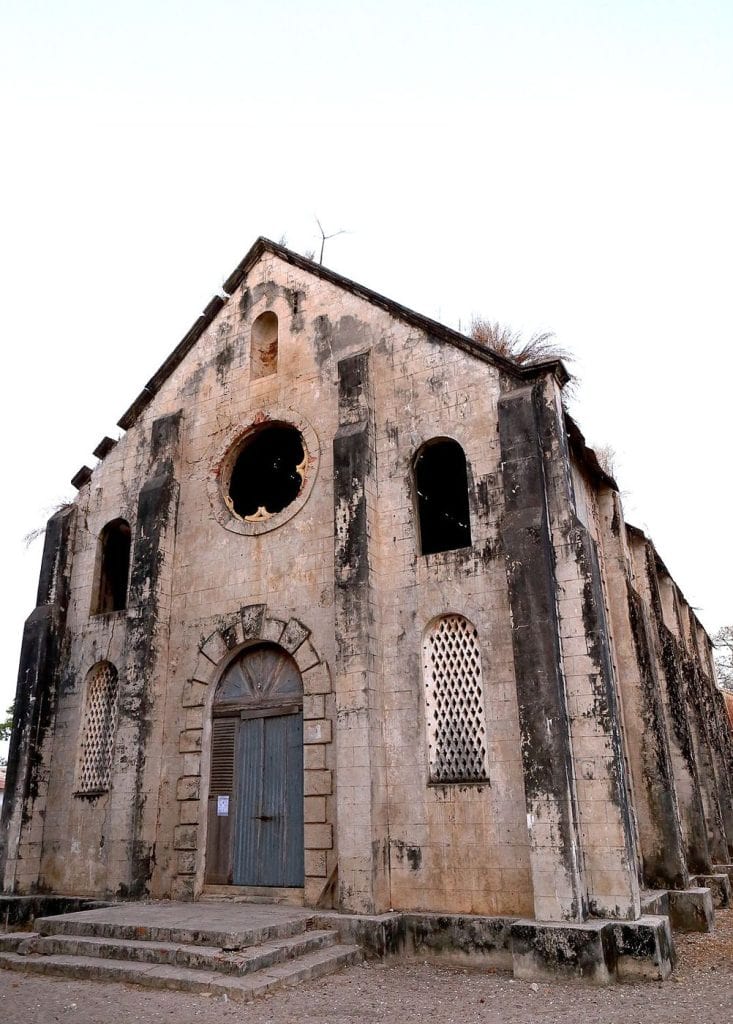
If you are passing through, do not make Rufisque a destination: make it a stop. It is on your way to Blaise Diagne International Airport (AIBD), Diamniadio or the Petite Côte. After Gorée, turned into a museum, Rufisque shows the other face of the Four Communes: a living town, with no signposted trail, that is best read with a guide.
One of the Four Communes, before Dakar
Colonial Senegal had a status of its own: four towns, Saint-Louis, Gorée, Rufisque and Dakar, whose locally born inhabitants, the originaires, elected their municipal councillors and their deputy, while the rest of the colony lived under the indigénat regime. Rufisque became a full commune (commune de plein exercice) in 1880, a few years before Dakar, by attaching the Lebou villages of Diokoul, Mérina and Thiawlène to the commercial centre. Their names still designate neighbourhoods. The writer Abdoulaye Sadji was born here.
Before it was a commune, Rufisque was Tëngéej, a Lebou fishing village, which Portuguese navigators renamed Rufisco; you often hear it traced back to “Rio Fresco”, the cool river, but the etymology is still debated. Its fate changed in the 19th century with groundnuts: merchants from Saint-Louis and Gorée built warehouses facing the sea, and the Dakar–Saint-Louis railway reached it in 1885. Rufisque earned the nickname of groundnut capital, and one of its oils, “La Rufisquoise”, long bore its name. Then Dakar’s deep-water port drew everything in, and the town slid towards industry and suburbia.
Read more
What to see in Old Rufisque
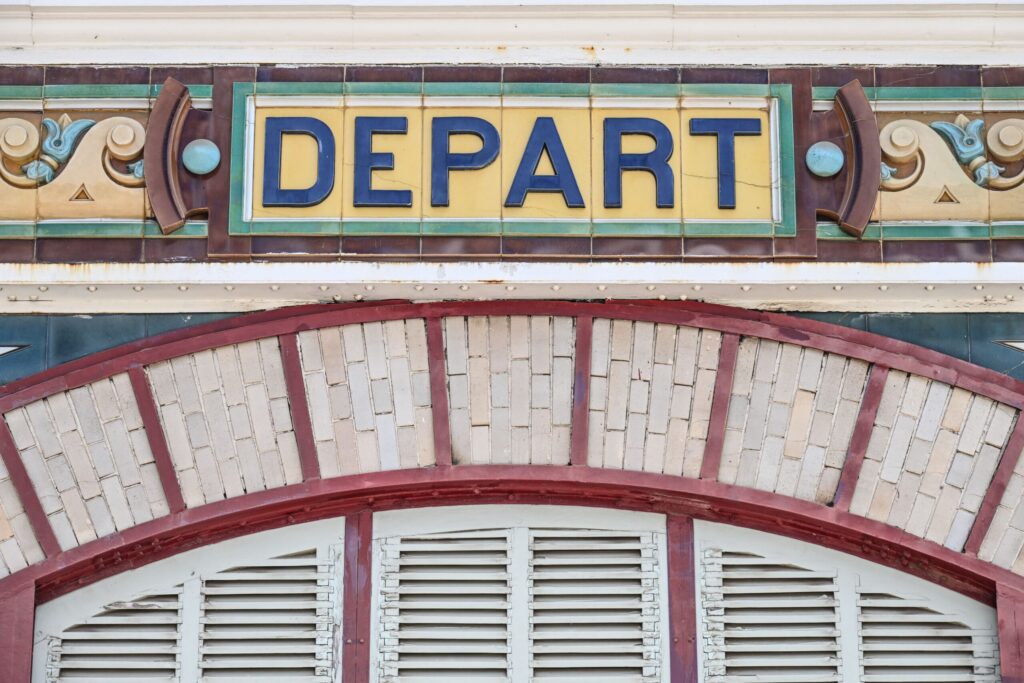
The historic heart is the Escale quarter, laid out to a 19th-century town plan, between the two canals and the railway line. Here you can read the mix that makes the town unique: merchants’ houses inspired by the styles of Bordeaux, Marseille or Brittany, built of Rufisque stone quarried on the spot, roofed with red tiles and edged with wooden or wrought-iron balconies. Old Rufisque is listed as a historic monument by the state and has been under consideration by UNESCO since 2005, but many buildings are collapsing or disappearing under new construction. The station shows the other possible path: restored for the TER, it has kept its character and is in daily use again. The restored public garden and the old oil mills complete the walk, surrounded by the Lebou quarters and their fishing life.
A town facing the sea
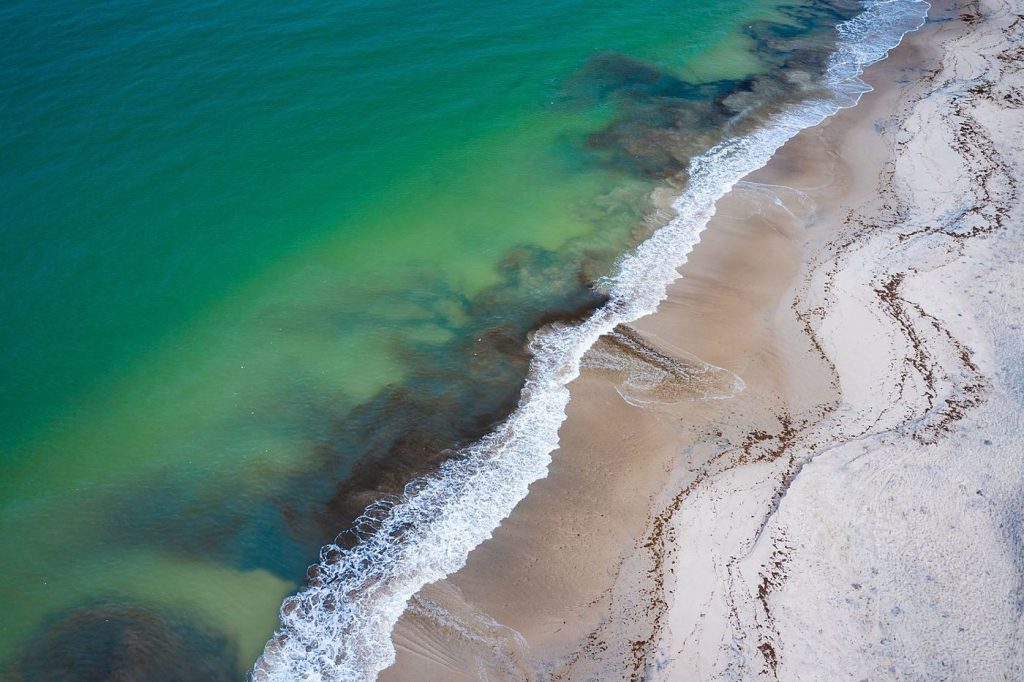
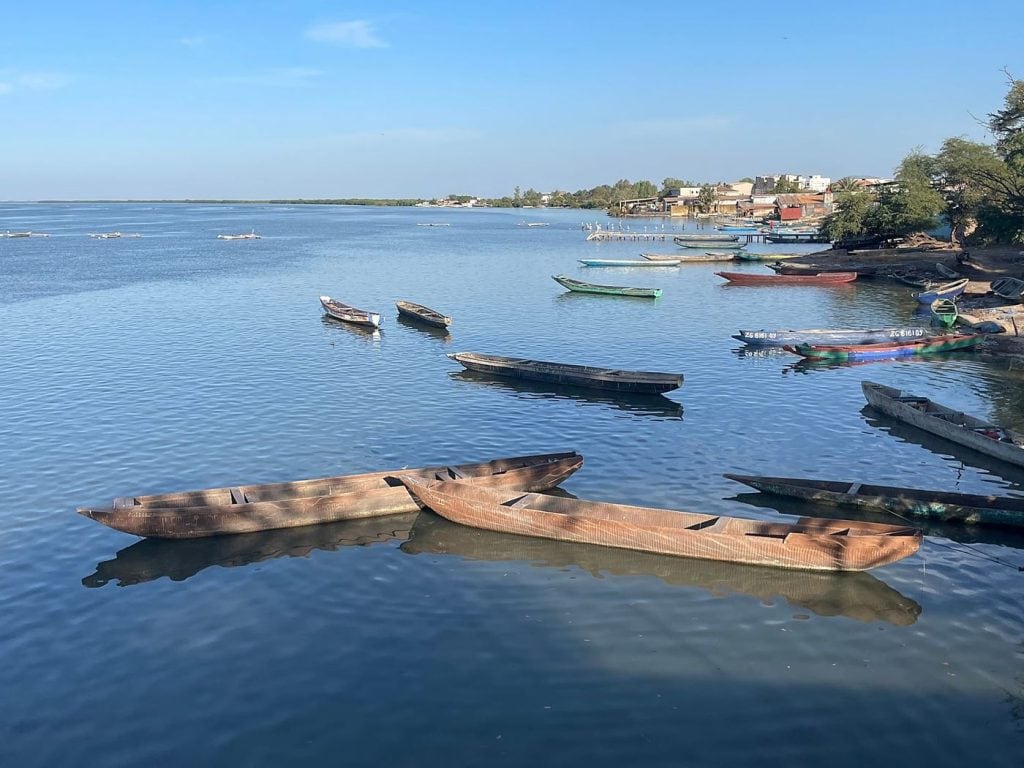
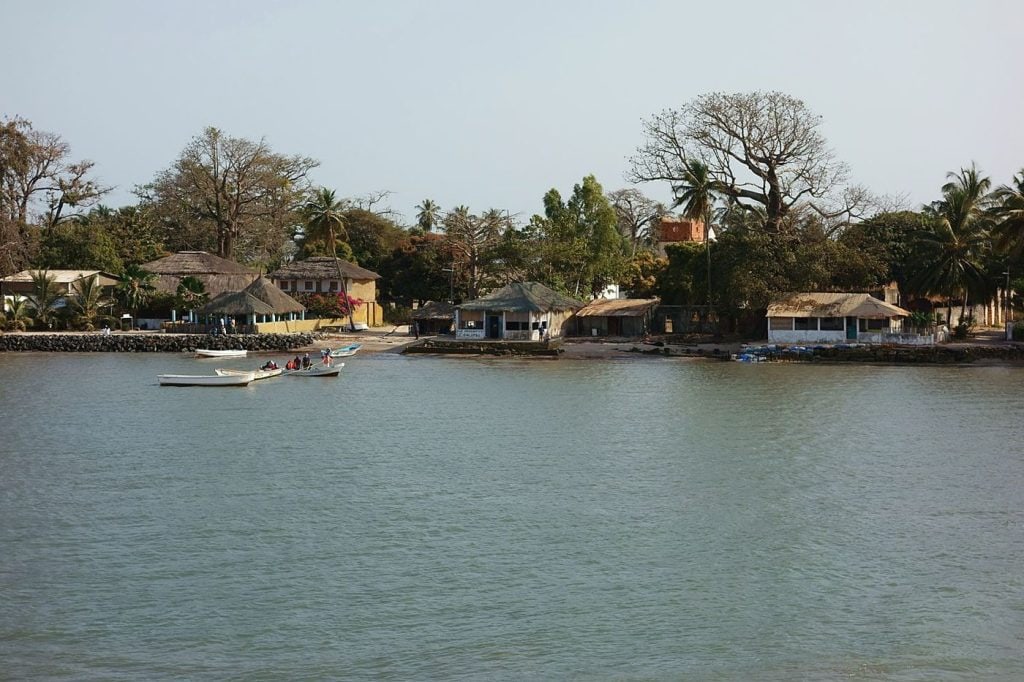
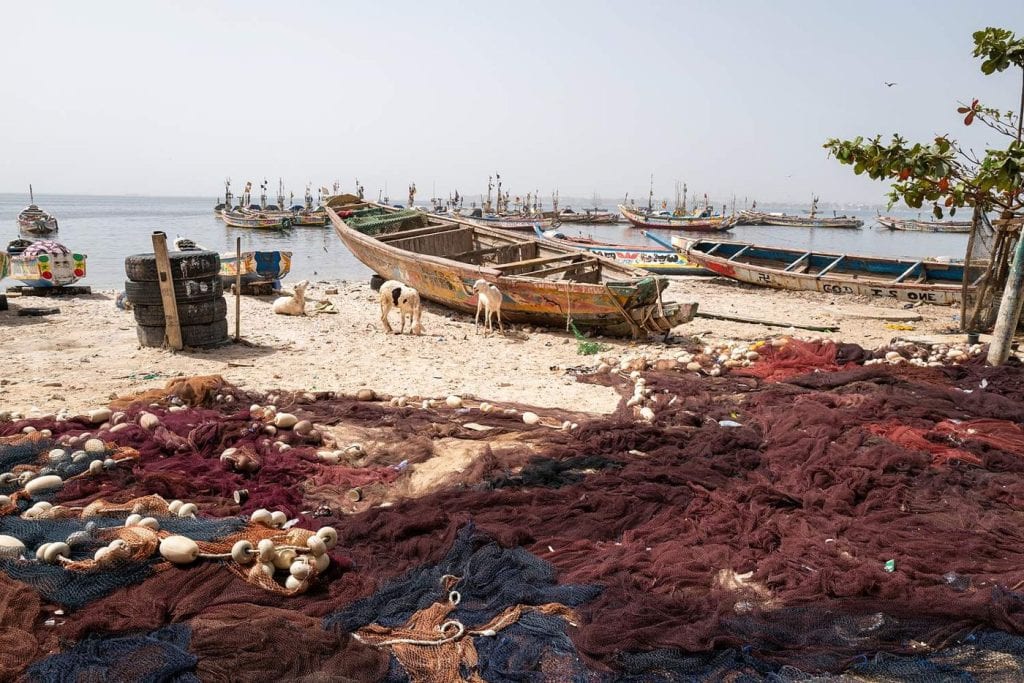
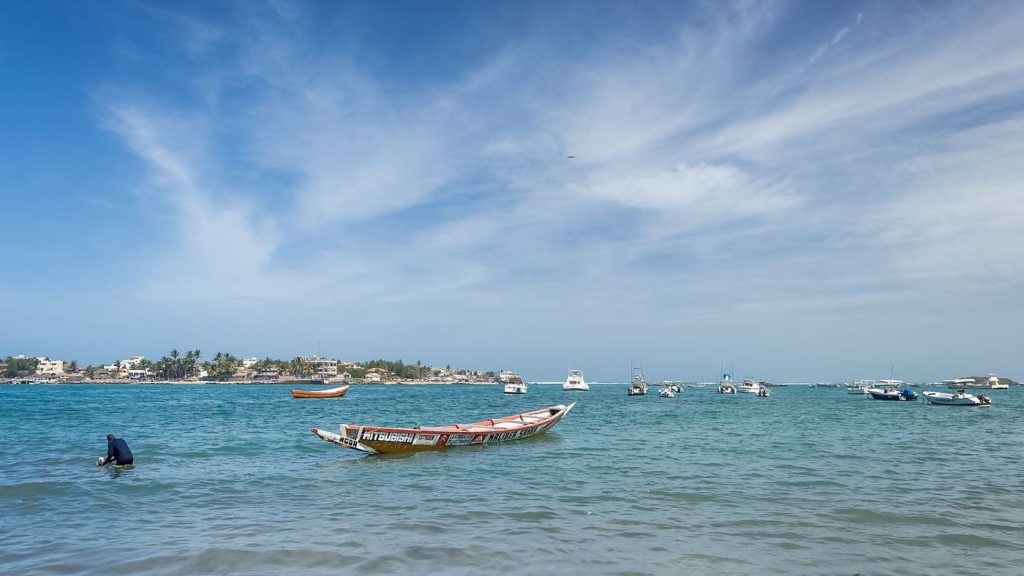
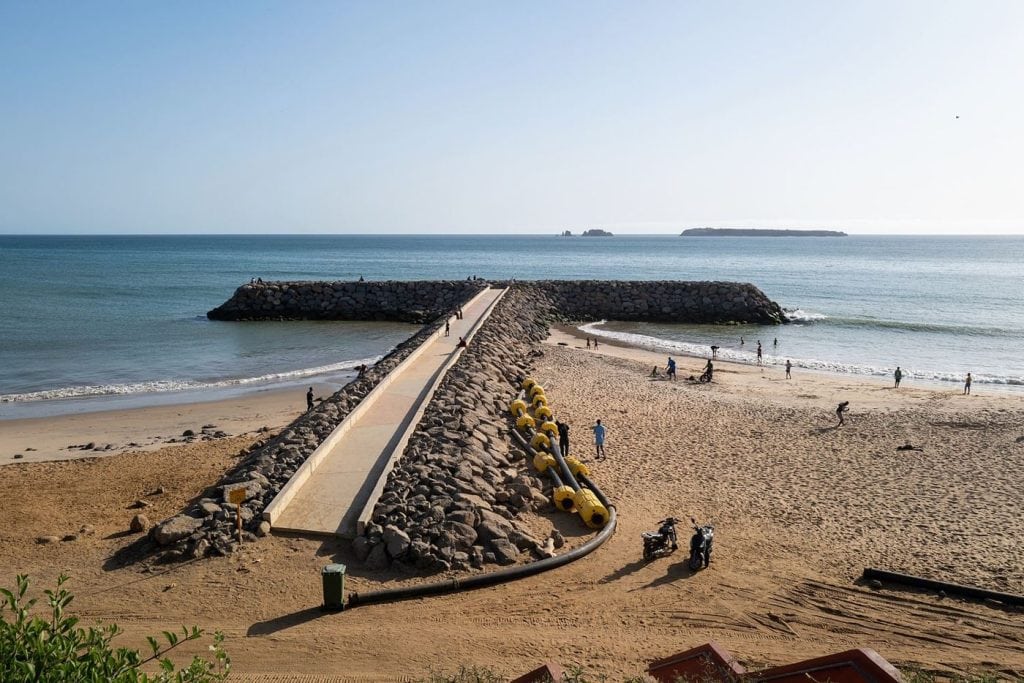
Rufisque is one of the stretches of the Senegalese coast most exposed to coastal erosion. In Diokoul, Thiawlène, Ndéppé or Keury Souf, residents have seen houses eaten away by the waves; sea walls, gabions and rock armour have followed one another for decades without protecting the whole coast, and swimming is prohibited along this shoreline, from Thiawlène to Diokoul. Walking along the seafront, you will see these defences and the pirogues pulled up just behind them: it is one of the most tangible faces of climate change in Senegal. Ask before photographing people’s homes.
Teungueth, Rufisque’s football
If you are here on a league weekend, go and watch Teungueth FC play at the Ngalandou Diouf Stadium. The club, which bears the town’s Wolof name, has been crowned champion of Senegal three times, most recently in 2026, and has already represented the country in the CAF Champions League.
When to come and how to get there
Come in the dry season, from November to June. The hivernage, the rainy season from July to October, brings rains that regularly flood the low-lying streets. Arrive early, for the light and the traffic. The TER is the most reliable option: Rufisque station is on the line linking Dakar to Diamniadio and Blaise Diagne airport, with a stop at Bargny. By road, allow half an hour off-peak and over an hour at peak commuting times. Once there, everything is done on foot.
Nearby
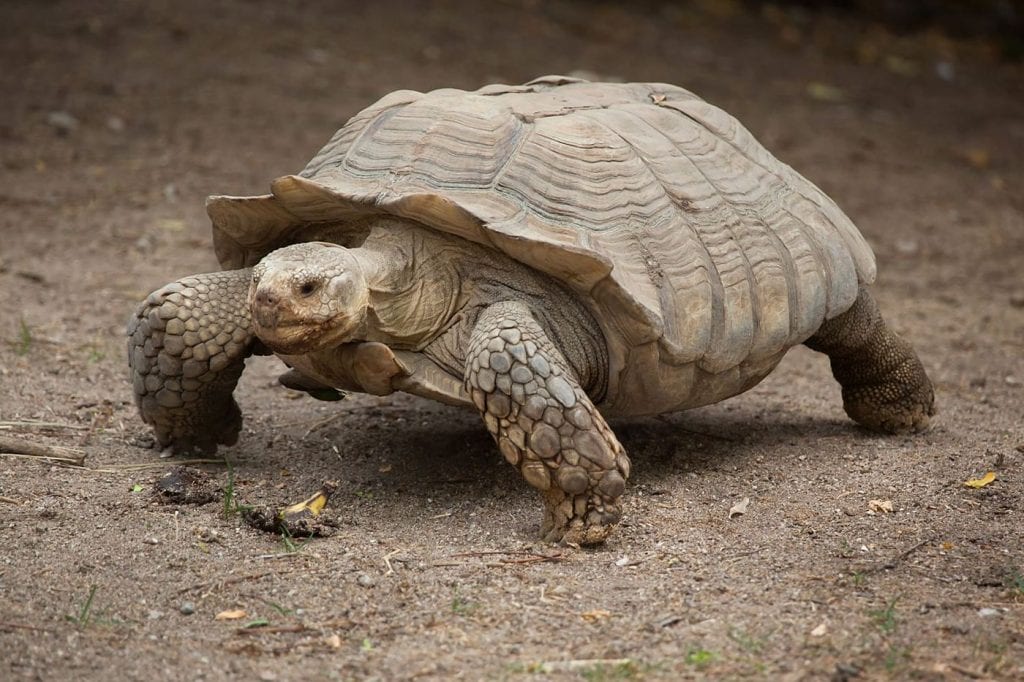
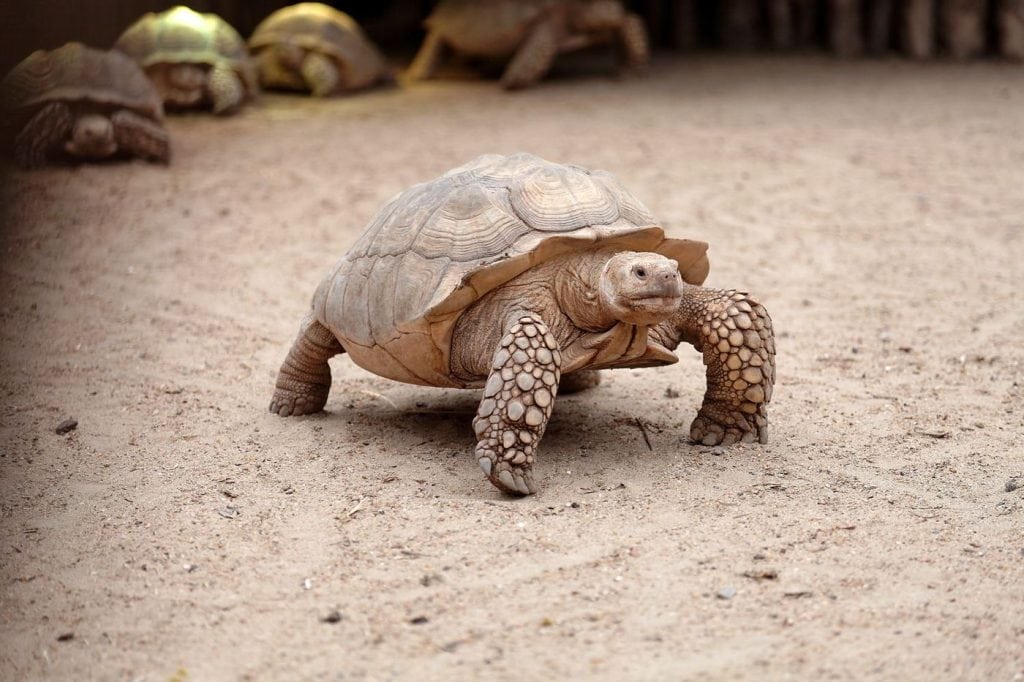
Just to the east, Bargny continues the coast: a Lebou commune of fishing and fish processing, fighting against erosion and industrial pressure. A little further on, Diamniadio, some thirty kilometres from Dakar, shows the Senegal that is being built. To the north, Sangalkam and the Tortoise Village (Village des Tortues), then Lac Rose (Pink Lake). To the south, the coast at Yène and Toubab Dialaw opens the road to the Petite Côte. The museum-like counterpoint of the Four Communes: Gorée Island.
Book an activity in Rufisque with QFS
In Rufisque, the activity that makes sense is the guided cultural tour: a local guide helps you read the old centre, the Escale, the station and the Lebou quarters. To widen the scope, see all the outings in Dakar Region. You pay 20% to secure your booking (the booking fee), and the balance is paid on site, on the day, to the professional. For a walk around Rufisque, there are no additional official fees. If you live in Senegal, you get the resident rate: up to 30% off.
Frequently asked questions
Is Rufisque worth the detour?
How do you get to Rufisque from Dakar?
Is Old Rufisque a UNESCO World Heritage Site?
What were the Four Communes?
Is there an entry fee?
When should you avoid going?
Sénégal travel news
Latest news
Discover the latest trends and tips for traveling in Senegal. From cultural tourism to outdoor activities, stay informed about events and news that will enrich your stay.
Dakar 2026 Youth Olympic Games: your guide to Africa’s first Olympic Games, from the stands
Prayer times in Senegal: understanding the five daily prayers, from Dakar to Touba
TER Dakar–AIBD: the train finally serves the airport, and how to make the most of it
Great Mosque of Touba: entering the holy city as a guest
Podor: the gum arabic trading post at the end of the river
Mamelles Lighthouse: Dakar’s oldest watchman, at the top of the city
Lac de Guiers: the great lake that keeps Dakar supplied with water
Éloubaline Island: at the end of the creek, the houses that drink the rain
Mar Lodj: the Saloum island with no roads, no ticket office and no borders between faiths
Djifère: the end of the road, facing Sangomar
Niodior: the Saloum island many people read about before they see it
Dionewar: the Gandoul island that faces the ocean
Missirah: the fishing village with the giant kapok tree, at the far end of the Saloum
Sipo Island: the island that had a queen, across the water from Toubacouta
Wendaye Island: crossing a Diola island on foot, from the pirogue to the rice paddies
Pointe Saint-Georges: the end of the track where you watch for manatees
Boucotte: where the beach at Cap Skirring turns wild again
Édioungou: the village where *bolong* clay becomes a jar
Diakène: the gateway to the mangroves, between the Cap Skirring road and Egueye Island
Egueye Island: an island with no village, where the mangrove has the last word
Ourong Island: the end of the chain, where the Casamance islands run out
Katakalousse: the bridge on the Cap Skirring road, and the pirogue to the islands
Cachouane: the peninsula where the Casamance stops running
Kadioute: not an island, but a Diola museum among the roots of a kapok tree
Djilapao: a sculpted house at the end of a *bolong*
Mlomp: two-storey houses of raw earth, in the shade of kapok trees
Niokolo-Koba National Park: Senegal’s great wild bush, which owes you nothing
Dindéfélo Falls: the waterfall the villages chose to keep
Énampore: the house that drinks the rain, at the end of the Bandial road
Guembeul Reserve: on foot among the gazelles the Sahel had lost
Simal: the village on the bolong, at the end of the tann track
Hann Bel-Air: the bay Dakar damaged and is trying to repair
Ngor Beach: the village beach, between pirogues, the landing point and evening football
Anse Bernard: the Plateau’s only beach, and the one Dakar nearly lost
Ndianda: the Serer village you drive through without seeing, ten minutes from Joal
Carabane Island: reading Casamance’s former capital on foot
Lompoul desert: a little Sahara best experienced at sunset
Langue de Barbarie National Park: the park the sea redraws every year
Djoudj National Bird Sanctuary: the pelican haven that almost drowned under a fern
Nguéniène market: on Wednesdays, the Serer bush does its shopping (and you are invited)
Tortoise Village (Village des Tortues) in Noflaye: the African spurred tortoise’s waiting room
Popenguine Nature Reserve: the bush that women brought back to life
Joal-Fadiouth: the island where people are buried together, and the town where Senghor was born
The Somone lagoon: the mangrove that local people replanted
Hann Park: come for the forest, the zoo is not the point of the outing
Ngor Island: one island, two faces, and it is up to you to choose yours
Write to us: a real team, here in Senegal, will reply
Live in Senegal? The resident rate is made for you
Register your activity: we will take care of making it bookable
AFCON 2025: winners in Rabat, a title under appeal, and a country that lives for football
Dak’Art 2026: a month to see Dakar through its artists, from 19 November to 19 December
Saint-Louis Jazz Festival: five May nights when the whole island starts to swing
African Renaissance Monument: contested before it even stood, now Dakar’s landmark
Gorée Island: it is not one house that is listed, but the whole island
Lac Rose (Pink Lake): at Lake Retba, everything comes down to salt
Sine-Saloum Delta: a delta listed for its shells as much as for its mangroves
Madeleine Islands: the park you visit to take nothing away
Fathala Reserve: the Saloum forest where you come looking for the Derby eland
Bandia Reserve: a rebuilt savannah, from giraffes to the griots’ baobab
Mosque of the Divinity: the mosque born of a dream, set on the ocean’s edge at Ouakam
The Mamelles Lighthouse: Panorama and History of Dakar
Dakar’s markets: six markets, six ways to read the city (and to haggle)
House of Slaves, Gorée: what the door helps you understand
Great Mosque of Dakar: one minaret, three stories, and respect above all
Museum of Black Civilisations: a 1966 dream that opened in 2018
Théodore Monod Museum: West African art up close, in the calm of the Plateau
How to book your activity in Senegal
3 days in Dakar: a day of memory, a day of ocean, a day in working-class Dakar
What to do in Dakar Region? Pick what you feel like, we will show you where to go
Bringing Senegal to life? We bring you the people who want to experience it
About us: Senegal to do, not just to see
Saly and the Petite Côte: pick what you feel like, then get out of the resort
Frequently asked questions: booking an activity in Senegal
What to do and see in Senegal: our iconic places, region by region
Our partners: the people who bring Senegal to life, one activity at a time
General Terms and Conditions of Sale
Book a private activity in Senegal for your group