Senegal & percussion: the land of the sabar
Senegal’s emblematic drum is not the djembe, it is the sabar. This Wolof drum, also played by the Serer, is carved from solid wood and topped with a goatskin held taut by pegs and cords. Its signature carries a long way: it is struck with one bare hand and a thin stick, the galan. The hand makes the skin ring, the stick cracks. A sabar never plays alone. The ensemble has several drums, from the nder, which leads and launches the solos, to the small tungune, by way of the mbëng-mbëng, which holds down the accompaniment. And the word goes beyond the instrument: people say “a sabar” for the dance, and for the neighbourhood party where the drums set up in a half-circle and the dancers step into the ring one by one.
This knowledge has its guardians. They are the griot families, the géwël, who stretch the skins, play and pass the art on, usually from parent to child. The singing & music lessons page tells the story of the griot as storyteller and singer; here, it is the griot percussionist we are interested in, the one who often started as a child on a makeshift drum before ever touching a real one.
The tradition’s patron figure is Doudou Ndiaye Rose. Born Mamadou Ndiaye in Dakar in 1930, into a griot family, he had drums playing at the independence celebrations in 1960, then spent his life conducting sabar orchestras of more than a hundred musicians, with a gesture or a glance. He was nicknamed the “mathematician of rhythm”. He played with Miles Davis, Dizzy Gillespie, Peter Gabriel and the Rolling Stones. In 2006, UNESCO proclaimed him a Living Human Treasure. He died in Dakar in 2015; his family carries on his art, and the Grand National Theatre has borne his name since 2020.
The sabar also gave its engine to the music the whole country listens to. In the percussionists’ vocabulary, mbalax refers to the accompaniment part played by the mbëng-mbëng. The word became the name of the popular genre born in the 1970s, in which you hear, beneath the guitars and keyboards, the sabar and the tama. This small hourglass drum is held under the arm; by squeezing the cords against the body, the player raises or lowers the note and imitates the inflections of speech. Hence its nickname, the talking drum.
Two more drums complete the picture. The djembe, goblet-shaped and played with bare hands, is not Senegalese in origin: it comes from the Mandinka world, in the area of the former Mali Empire. But it is so present in Senegal that it is often the first drum people learn, because it is quick to pick up. In the south, Casamance has its own sound: the bougarabou of the Diola, a set of three or four drums played by a single percussionist standing up, with bare hands and metal bracelets on the wrists.
Formats: what you learn in a workshop
The lessons in this category follow the same logic: a supervised session, in a small group, with no experience required and the instrument provided. Each activity’s listing states exactly which formats it offers.
- Djembe taster (1 hour): find the right posture, learn the basic strokes (bass, open, slap) and play a first rhythm with the group. The most accessible way in, with bare hands.
- Djembe and sabar lesson (2 hours): on top of the djembe, you add the sabar’s hand-and-stick coordination, the most baffling and the most rewarding part. Allow several sessions for it to become natural.
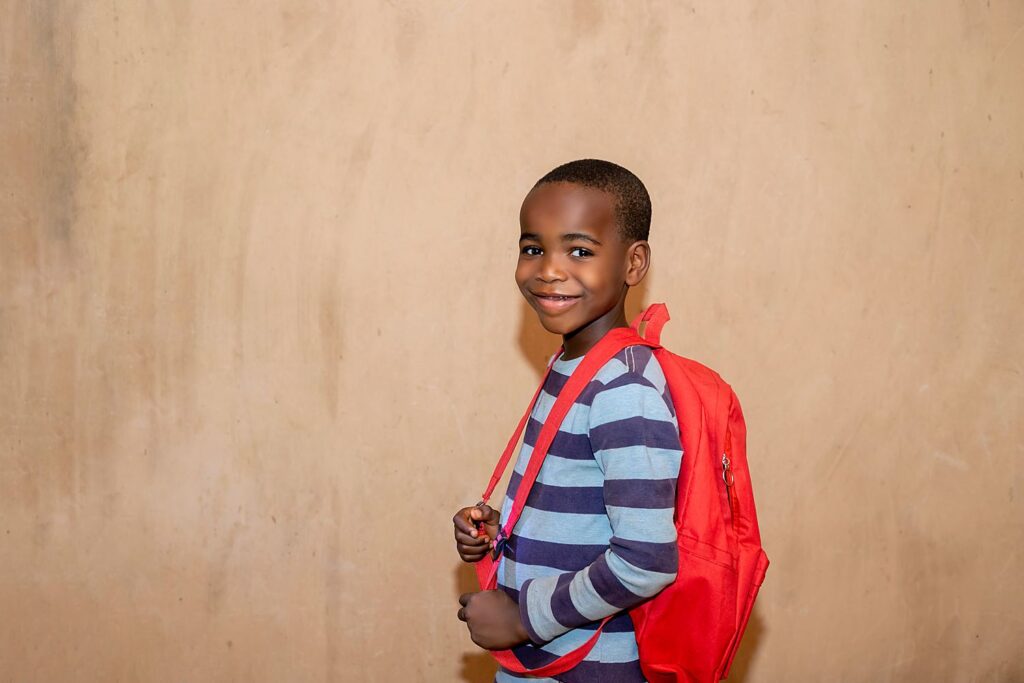
- Children’s lesson (2 hours): a format designed for 10 to 14-year-olds, to hit hard and learn to play together.
The price is per person; in a group, everyone plays their own drum, and a rhythm in several parts becomes a real listening exercise.
Where to take a percussion workshop in Senegal
- Dakar: the capital of the sabar, home to the great families of griot percussionists. A lesson fits in on a weekday as easily as at the weekend, before you go and listen to the drums at a neighbourhood sabar.
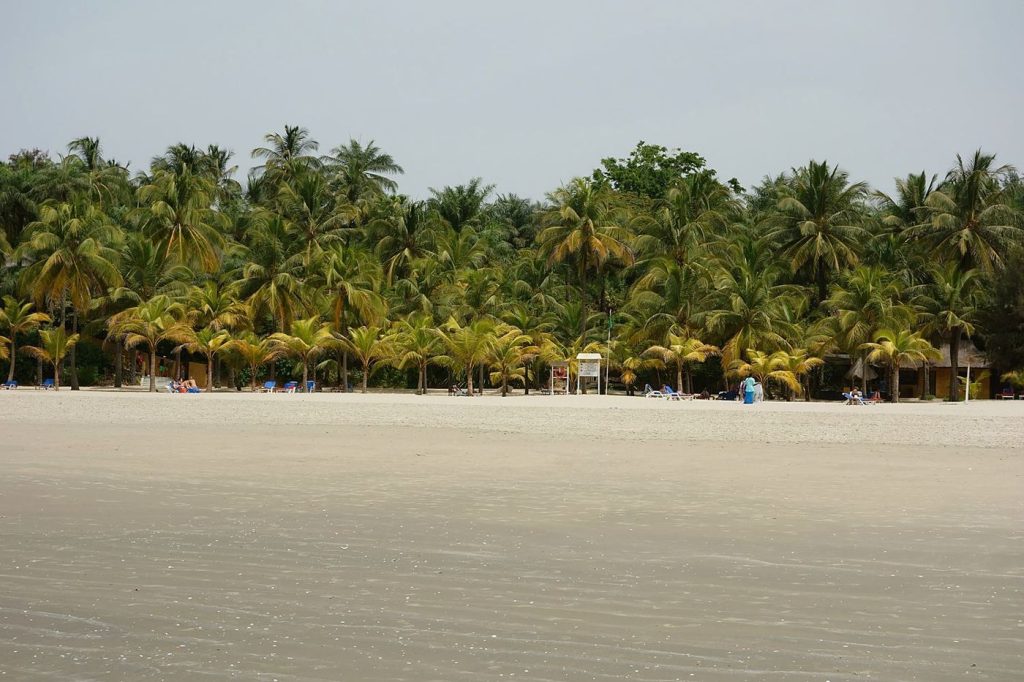
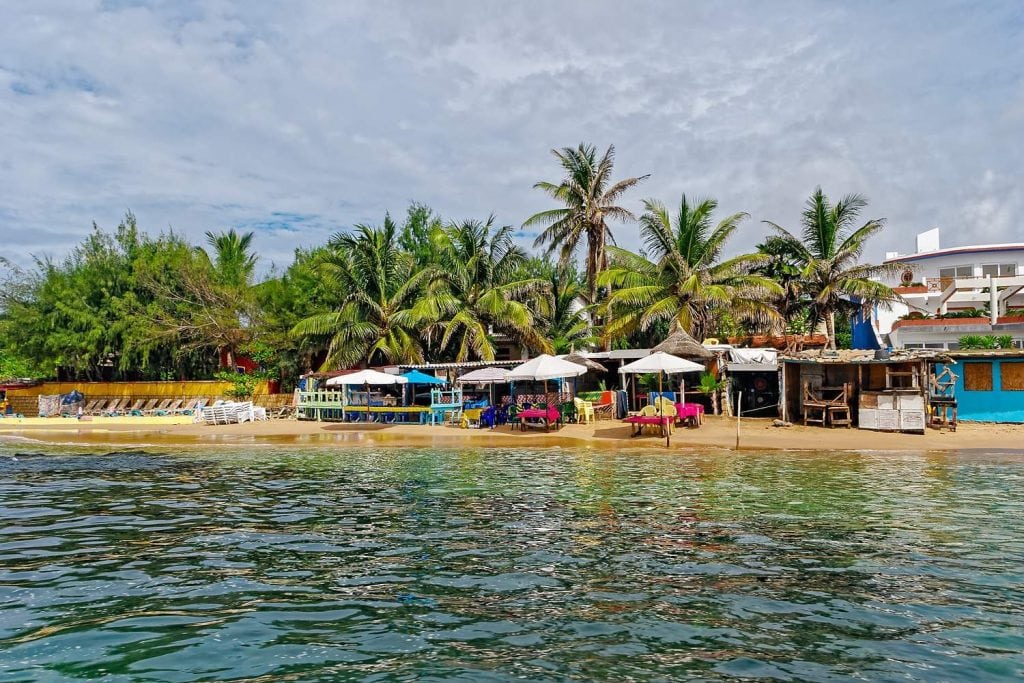
- The Petite Côte: most of the lessons in the catalogue, in Saly, Ngaparou and Guéréo, sometimes near the beach. A session happily fills a late afternoon between two days at the seaside.
- Toubab Dialaw: the artists’ village at the foot of the cliff, a reference for African dance, where drum and dance live side by side. The catalogue has no percussion lessons there yet, but the stop is worth it for the atmosphere.
- Casamance: the home ground of the djembe and the bougarabou, with no lessons in the catalogue for now. Abéné lives to the beat of the drum and every year, between Christmas and New Year, hosts its percussion and dance festival; Kafountine, its neighbour, is the most practical base. Ziguinchor is the gateway by road or by plane.
When to take a workshop
The drum is played all year round, often in the shade or at the end of the day. The dry season, from November to May, remains the most comfortable: the air is less heavy and your palms heat up less. The rainy season (hivernage), July to October, is hotter and more humid, but a late-afternoon session is still pleasant. For Casamance, aim for the dry season, and the last week of December if you want to experience the Abéné festival: it is the only time the village fills up, so book your accommodation well in advance. The rest of the year, keep your ears open at weekends: that is when the drums come out in the neighbourhoods.
Good to know & budget
Nothing to bring: the instrument is provided. Wear light clothing, take off rings and bracelets, and bring water. The first sessions warm up your hands, especially on the sabar: do not look for strength, look for the right spot on the skin, that is where the sound comes from. No musical knowledge is needed, everything is learnt by ear and by imitation, just as griots’ children learn it. If the teacher agrees, record the rhythm you worked on with your phone so you can find it again at home.
On Que Faire Sénégal, the price shown on the activity is the price of the service. It varies with the format and the duration, and is per person. You pay 20% to secure your booking (the booking fee). The balance is paid on site, on the day of the workshop. If you live in Senegal, you get the resident rate: up to 30% off (the exact rate is shown on each listing). For a percussion workshop, there are no additional official fees.
Who is it for?
Visitors will find the best way not to remain a spectator: an hour is enough to leave with a rhythm in your hands and fresh ears for the rest of the trip. Do it at the start of your stay rather than at the end, and you will hear mbalax differently afterwards. Residents have every reason to aim for regularity: one session a week for a few months, and the day a sabar sets up in your street, you understand who leads, who answers, and when the rhythm is about to break. The resident rate makes the habit affordable. Families will enjoy it too: children love to bang drums, the djembe is within their reach, and one format is designed for 10 to 14-year-olds. For a group of friends or colleagues, playing a rhythm together in several parts beats any team-building activity: everyone has to hold their own part without listening only to themselves.
For a long time, the sabar was men’s business: women danced, they did not play. Doudou Ndiaye Rose broke with that rule by forming the Rosettes, an all-female percussion orchestra made up of his daughters and granddaughters. It was a bold bet; the Rosettes went on to take the sabar to stages around the world. If a woman teacher welcomes you from behind the drums, you will know where that gesture comes from.
Frequently asked questions
Do I need to be able to play music to sign up?
No. Senegalese percussion is learnt by ear, by imitation. From the very first session, you play a simple rhythm with the group, and the instrument is provided.
Sabar or djembe: which should I start with?
The djembe, played with bare hands, is quicker to pick up: it’s the focus of the one-hour taster, and it suits children well. The sabar, played with one hand and a stick, takes more coordination, but it’s Senegal’s true drum, the drum of neighbourhood parties and of mbalax.
What is the bougarabou?
It’s the drum of the Diola of Casamance: a set of three or four drums played by a single percussionist standing up, with bare hands. You mostly hear it in Lower Casamance, particularly around Abéné and Kafountine; the catalogue has no bougarabou lessons yet.
When is the Abéné festival?
Every year between Christmas and New Year, in Lower Casamance. Percussion, ballets and dances follow one another for a week; it’s the time of year when you need to book your accommodation earliest.
How do I book and how much should I budget?
The price is shown on each activity, per person, and depends on the format and the duration. You pay 20% to secure your booking (the booking fee), and the balance is paid on site, on the day of the workshop. Residents get the resident rate: up to 30% off, and there are no additional official fees.