Senegal & Chinese martial arts
There is no ancient tradition here: Chinese martial arts reached Senegal through gyms and the cinema. What does exist, however, is very real. Kung fu, known in competition as wushu, has its own national federation and clubs in Dakar, and the capital has already hosted African championships in the discipline.
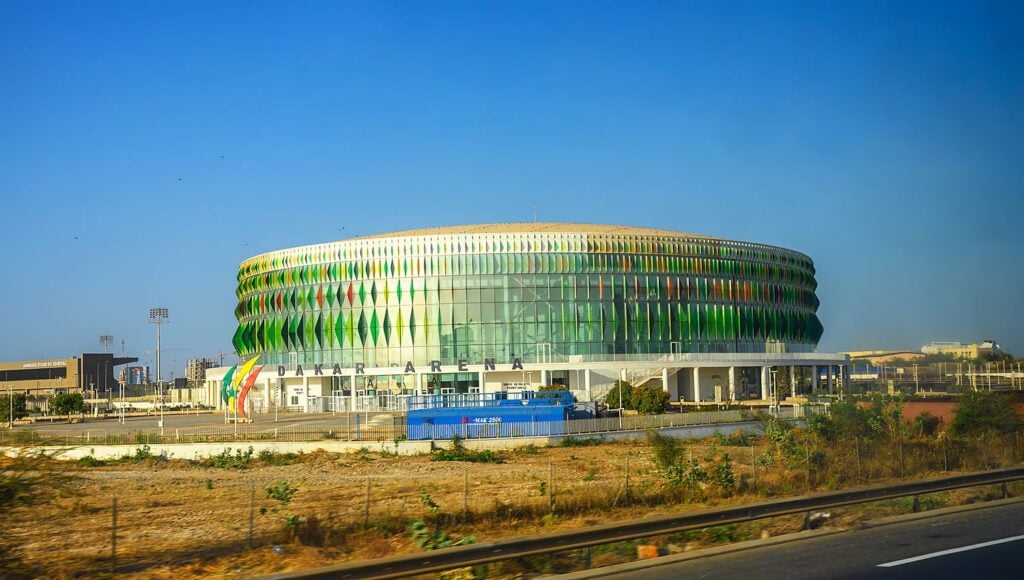
This year, 2026, gives this low-key practice an unexpected moment in the spotlight. From 31 October to 13 November, Dakar, Diamniadio and Saly host the Dakar 2026 Youth Olympic Games (YOG), the first ever held in Africa, and wushu makes its debut on the Olympic programme as a medal sport. The International Olympic Committee has said it will watch this first outing before deciding what comes next: so it is in Senegal that the Chinese martial art sits its Olympic exam.
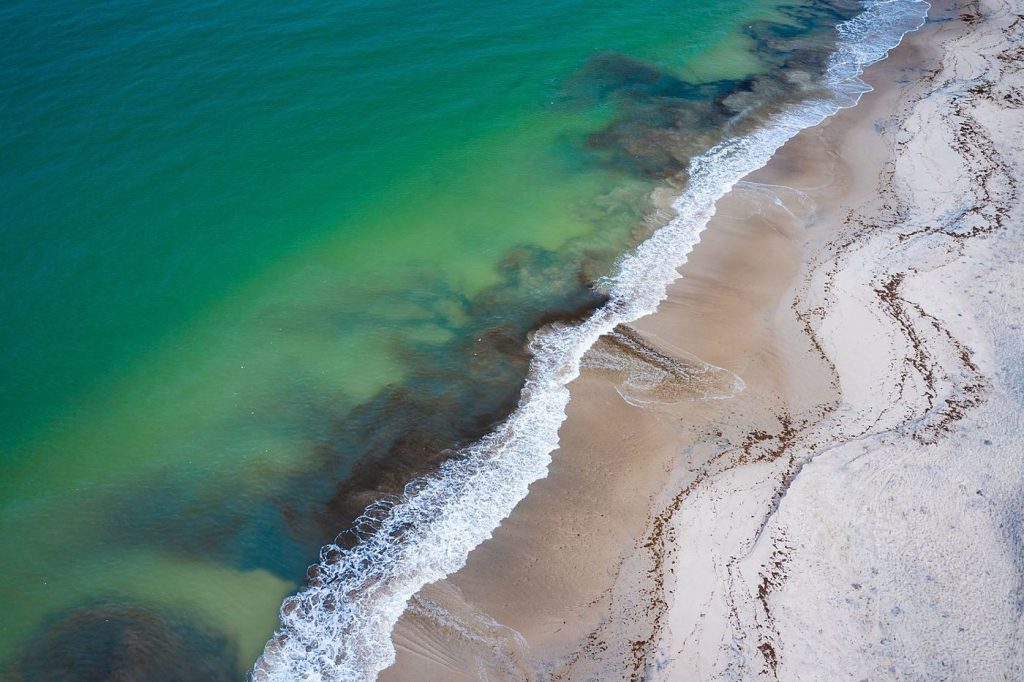
Tai chi and qi gong follow a different logic. They are not competitive sports for the general public, but health exercises from the same culture: you work on balance, flexibility, breathing and concentration. Taijiquan, the Chinese name for tai chi, has been inscribed since December 2020 on UNESCO’s list of the Intangible Cultural Heritage of Humanity, on behalf of China. In Dakar, these practices have found their natural home outdoors, on the sand or along the Corniche, where the city rises early to walk, run and stretch facing the ocean.
Formats: martial arts sessions
The class lasts an hour, with a teacher, and always follows the same pattern: warm-up, sequences, breathing work. It is open to everyone, children and adults alike, with no experience needed.
- Kung fu session: stances, strikes and sequences, with an emphasis on self-defence and strengthening. You sweat, and you learn how to position yourself.
- Qi gong session: work centred on breathing and energy, through slow movements and held postures.
- Tai chi session: slow sequences that train balance and concentration, like meditation in motion.
- 8-session pack: non-transferable, for residents who want to progress over several weeks.
A taster session also lets you sample several disciplines, and a private booking for a group can be requested when you book.
Where to practise in Senegal
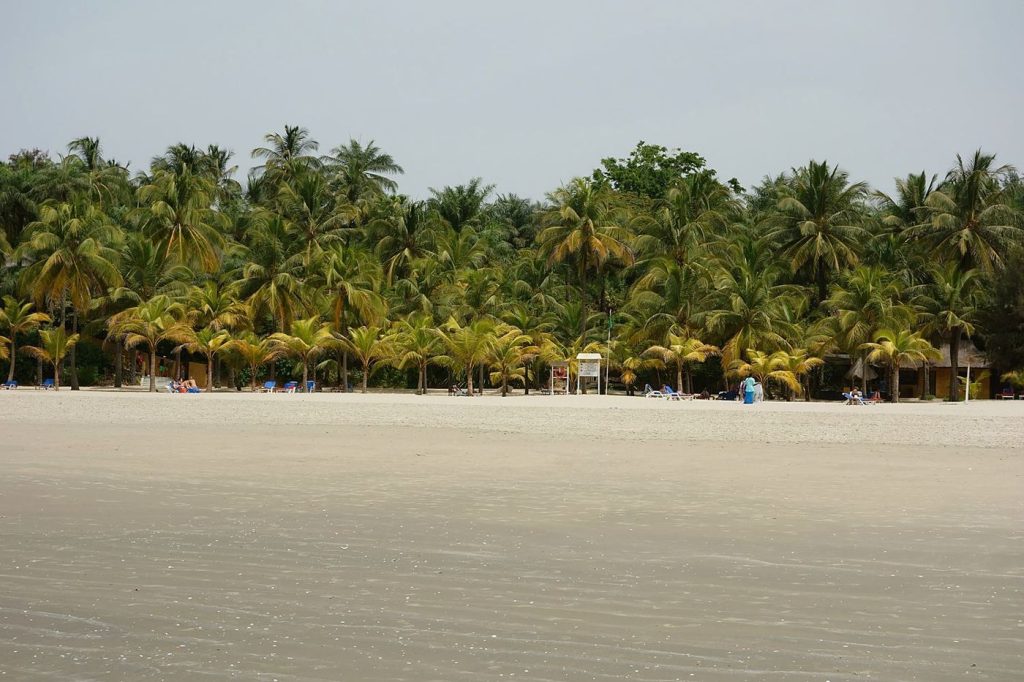
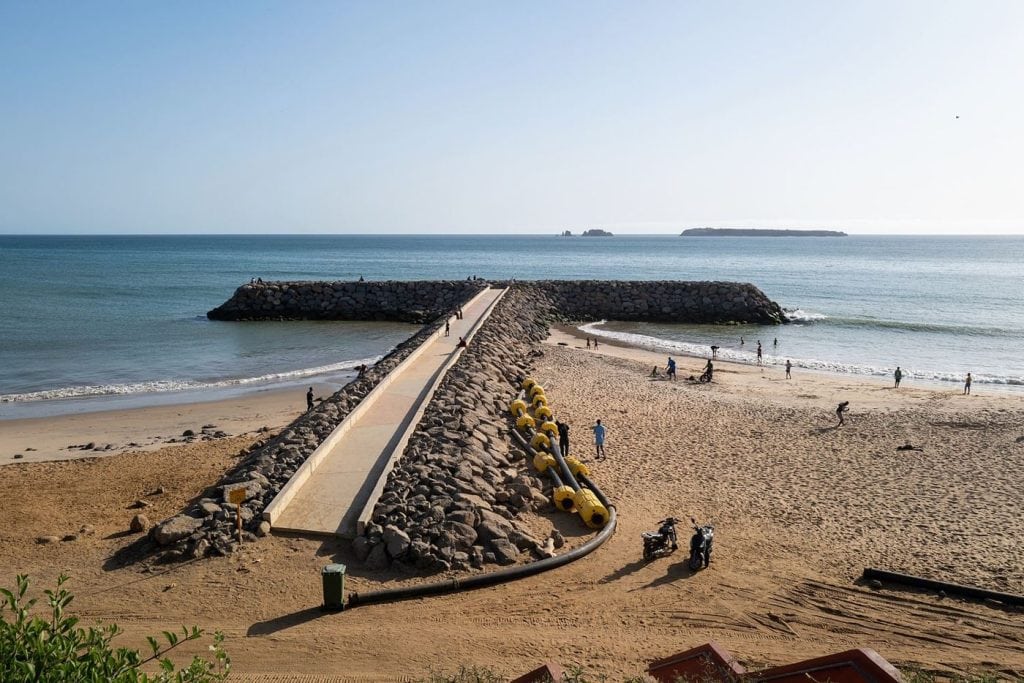
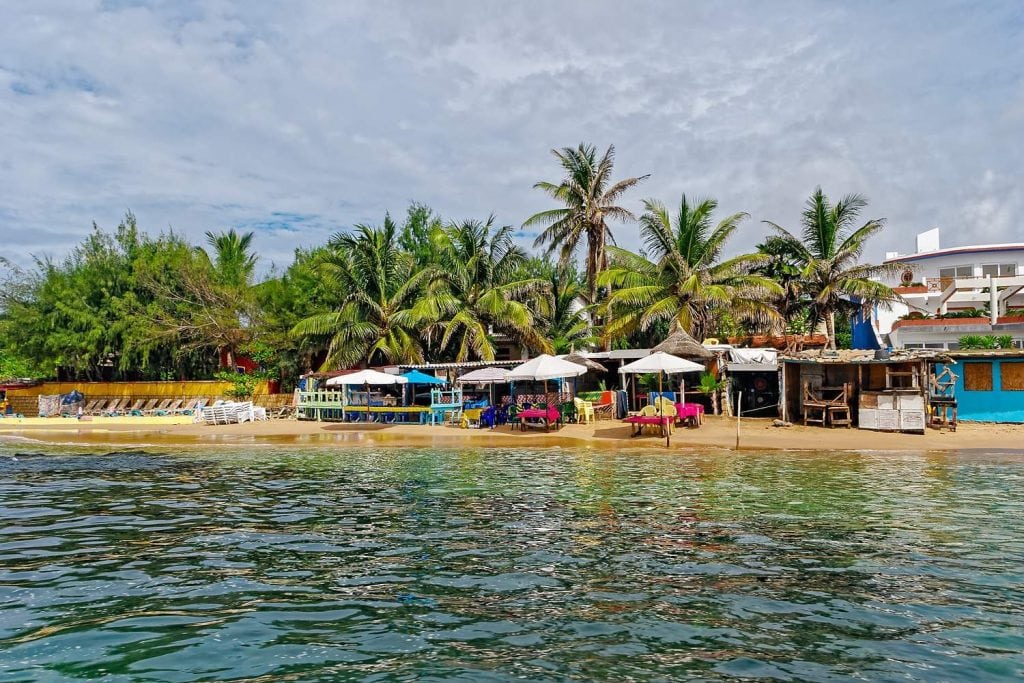
- Dakar: this is where the class in our catalogue takes place, and where the federation holds its competitions. To practise on your own outdoors afterwards, the beaches and Corniche of the Cap-Vert peninsula, from Ngor to Yoff by way of Ouakam and Almadies, offer the open horizon that tai chi and qi gong practitioners look for.
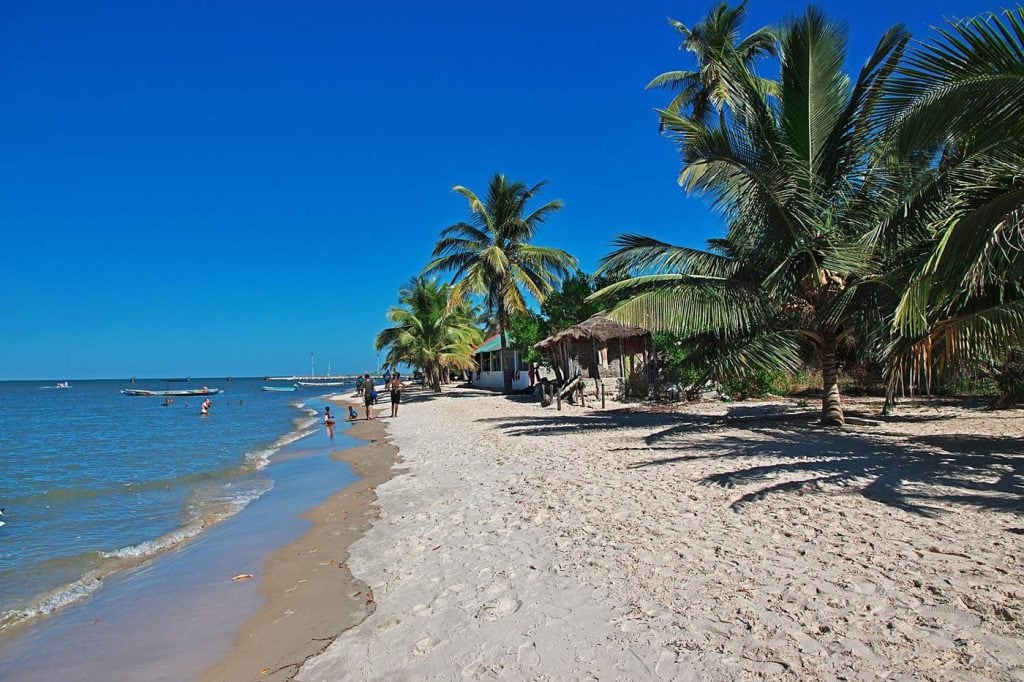
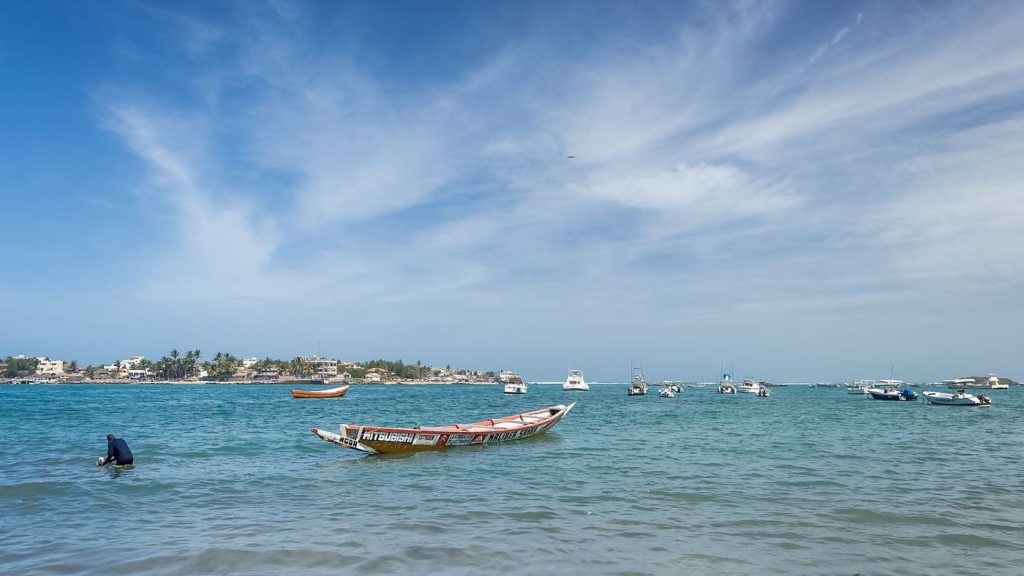
- The Petite Côte: the catalogue does not offer classes here yet. If you have learnt a few sequences in Dakar, the calm beaches of Saly, the Somone or Toubab Dialaw lend themselves to an early-morning session on your own.
When to practise
The time of day matters more than the season. Senegal runs on GMT even though it lies far to the west: the sun rises late and the first hours of the day stay cool, even when the afternoon turns heavy. That is the ideal slot for practising outdoors, before the heat and the crowds.
Over the year, the dry season, from November to May, brings the most pleasant mornings, with dry and often breezy air. During the rainy season (hivernage), July to October, the humidity makes exertion harder going. Indoors, the class runs all year round.
Good to know & budget
What to wear. Loose, light clothing is enough for a first session. Flexible clothing that lets you move freely is recommended for all three disciplines; outdoors, tai chi and qi gong are practised barefoot on the sand or in flat shoes. Bring water and sun protection.
Health. Let the teacher know before you start if you have any pain, are pregnant or have a heart condition.
Booking and payment. The price of the session is shown on the activity’s listing. You pay 20% to secure your booking (the booking fee), and the balance is paid on site, on the day of the session. No additional official fees. If you live in Senegal, you get the resident rate: up to 30% off (the exact rate is shown on each listing).
Who is it for?
Tai chi and qi gong suit almost everyone: stressed adults, seniors keen to keep their balance, athletes in active recovery. Kung fu appeals to children, teenagers and adults who enjoy effort, discipline and repeating a movement until it is right.
For residents, Senegalese or expatriate, the appeal is regularity: one session a week soon becomes a ritual, and the 8-session pack is made for it, with the bonus of the resident rate. For travellers, it is an experience in its own right: an hour of calm or energy in Dakar, before sightseeing or a swim, and a few movements to repeat afterwards facing the ocean. If you are after a combat sport rooted in the country’s own culture, turn to Senegalese wrestling; if it is relaxation that appeals, the yoga & meditation section is a natural follow-on from qi gong.
In the early 2000s, the national kung fu coach told the press that his discipline remained “little known, despite the famous actors”: Bruce Lee, Jet Li and Jackie Chan packed Dakar’s cinemas, but not its clubs. Almost a quarter of a century later, it is in Dakar that wushu joins the official programme of the Games for the first time.
Frequently asked questions
What’s the difference between kung fu, tai chi and qi gong?
Kung fu is a dynamic martial art, made up of stances, strikes and sequences. Tai chi is also a martial art, but practised slowly, like meditation in motion. Qi gong is a health exercise centred on breathing and posture, with no combat element.
Do I need to be sporty to start?
Not for tai chi and qi gong, which are open to everyone. Kung fu takes more effort, but the class is open to all, with no experience needed, children included.
Can I practise on the beach in Dakar?
Yes, it’s actually the setting tai chi and qi gong practitioners love most, early in the morning, when it’s cool and the beach is quiet. The venue for the class booked on the site is shown on its listing.
How is it different from Senegalese wrestling?
Wrestling is the country’s traditional sport, with its arenas, its stables and its rituals. Chinese martial arts belong to another culture; wrestling has its own section on the site.
How does payment work?
You pay 20% to secure your booking (the booking fee), and the balance is paid on site, on the day of the session. No additional official fees; you get the resident rate: up to 30% off (the exact rate is shown on each listing).