Senegal & wrestling: a sport, a celebration, a ritual
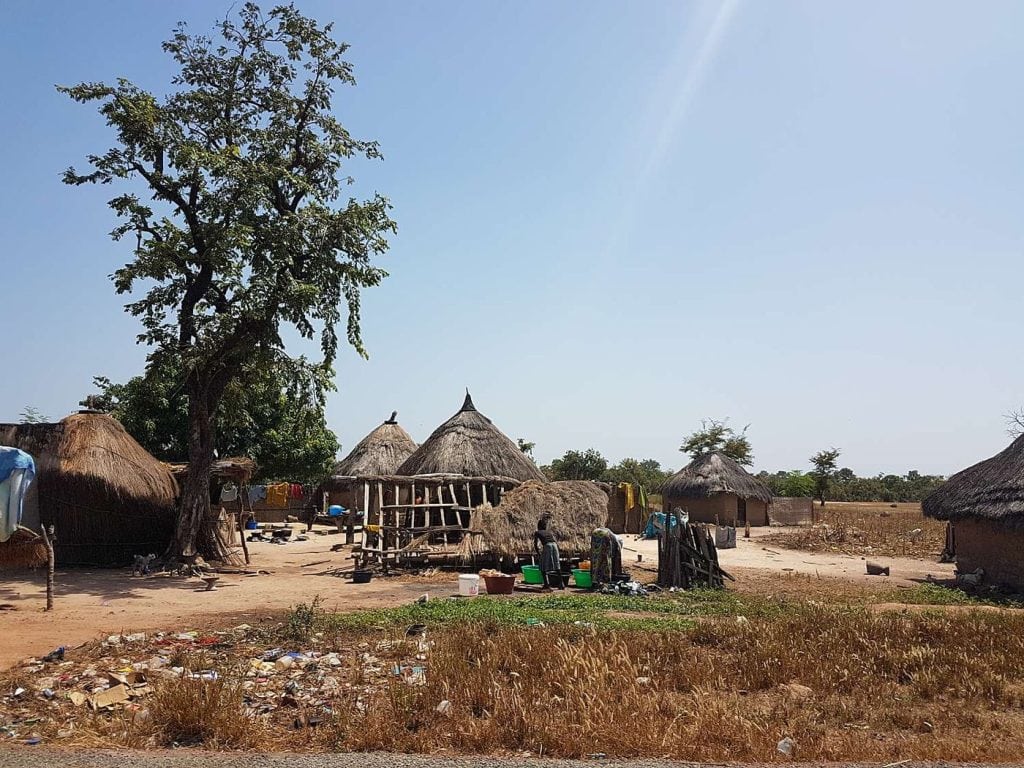
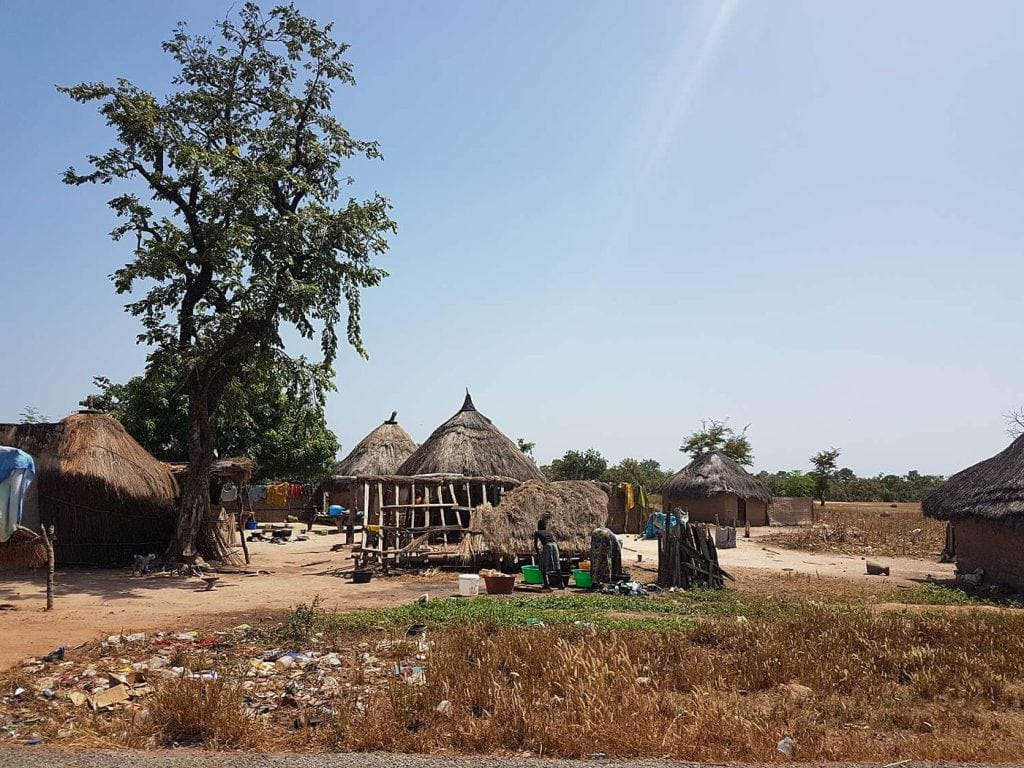
In Wolof, wrestling is called laamb. It was born in the villages, among the Serer and the Diola in particular, to celebrate a good harvest and crown the village champion. This original form of wrestling is practised without strikes: the aim is to put the other man on the ground, nothing more. It lives on in the mbapat, the evening tournaments held after the harvest, where herders, fishermen and young farmers wrestle for a sack of rice, a little money or a head of cattle.
The version that fills stadiums is wrestling with strikes (lutte avec frappe), a Senegalese speciality: you wrestle and box bare-handed. The winning rule is still the village one: you lose if you touch the ground on all fours, fall on your back, or tumble out of the ring marked by sandbags.
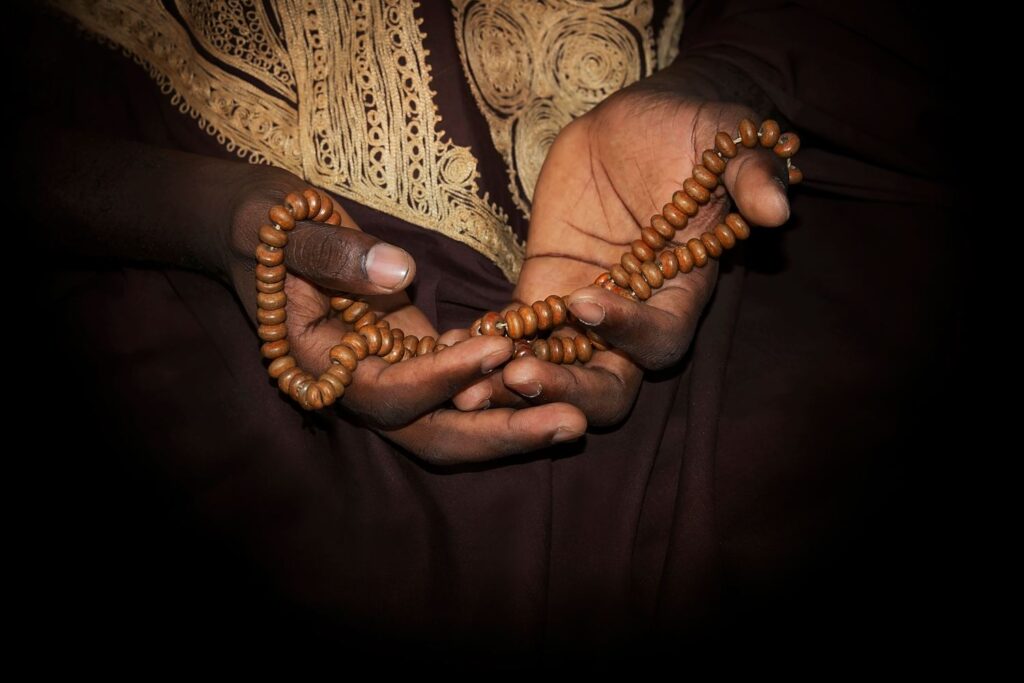
The rest is what makes wrestling a spectacle like no other. First, the bàkk: a poem of bravery that the wrestler declaims and dances before the bout, with his motto, his lineage and his victories, to the rhythm of the griots’ drums. It is meant to intimidate the opponent and win over the crowd. Then there is the mystical preparation, which nobody takes lightly: gris-gris (amulets) tied around the arms and waist, ritual baths, prayers from marabouts. A big bout is sometimes settled in under two minutes; the ceremony before it lasts for hours.
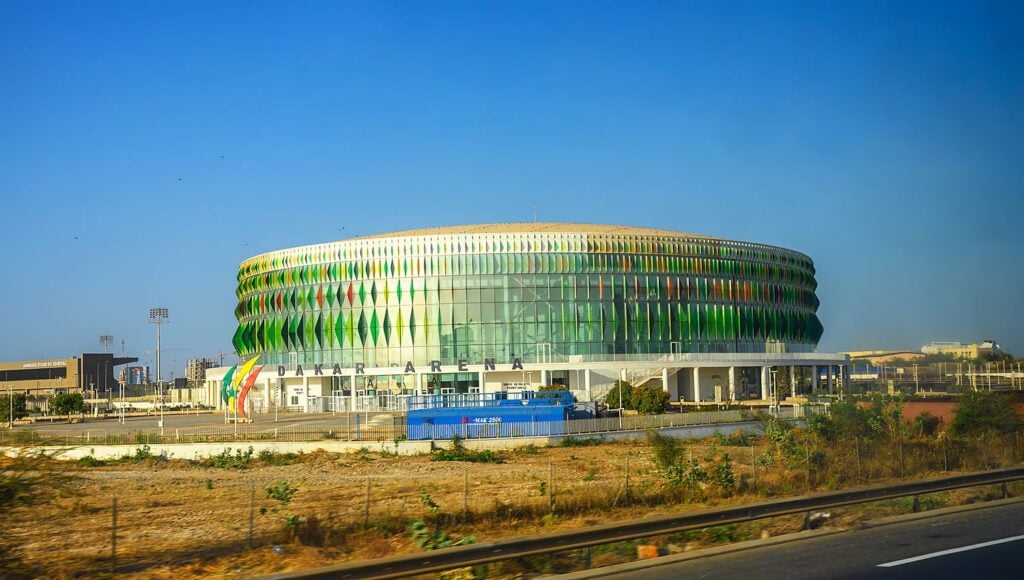
This spectacle has its temple: the National Wrestling Arena in Pikine, in the suburbs of Dakar, with around 20,000 seats, built by China and handed over to Senegal in July 2018. It also has its kings. The title of King of the Arenas (Roi des arènes) has existed since 1984 and the crowning of Manga 2; today it is held by Sa Thiès, who beat Modou Lô, king since 2019, on 5 April 2026.
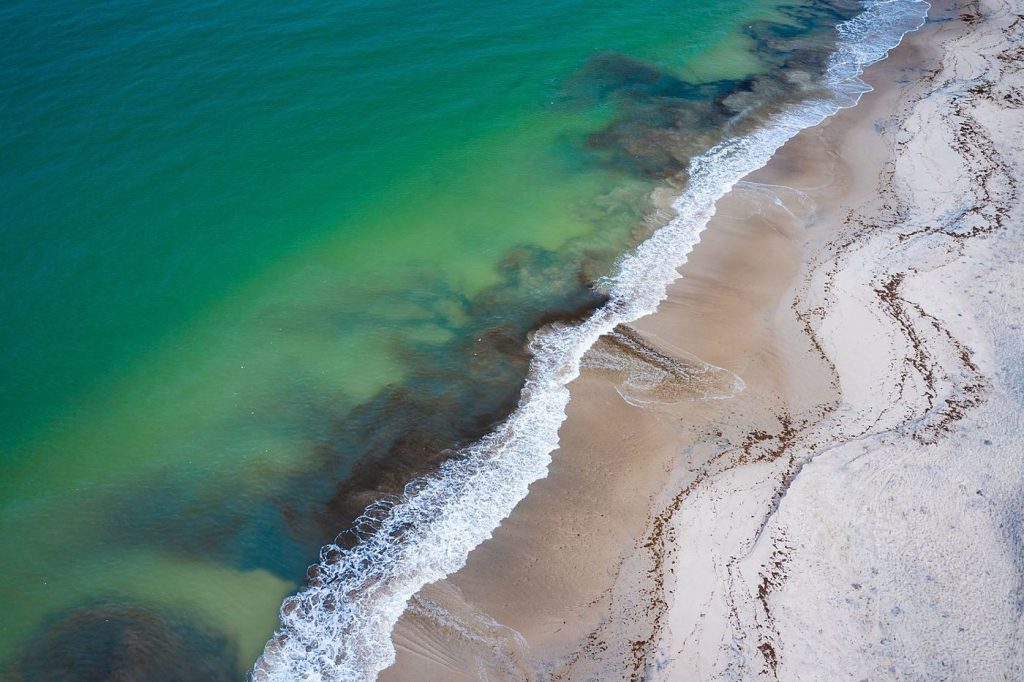
The latest chapter is being written right now: beach wrestling is on the programme of the Dakar 2026 Youth Olympic Games (YOG), from 31 October to 13 November, on the beach at Saly.
Formats: half a day of traditional wrestling
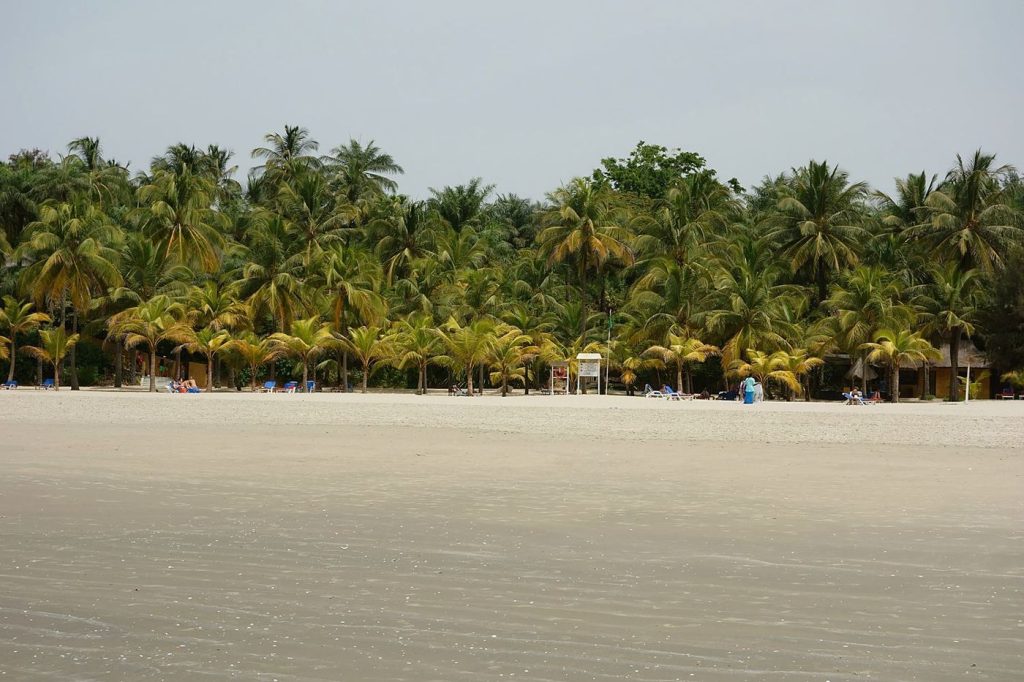
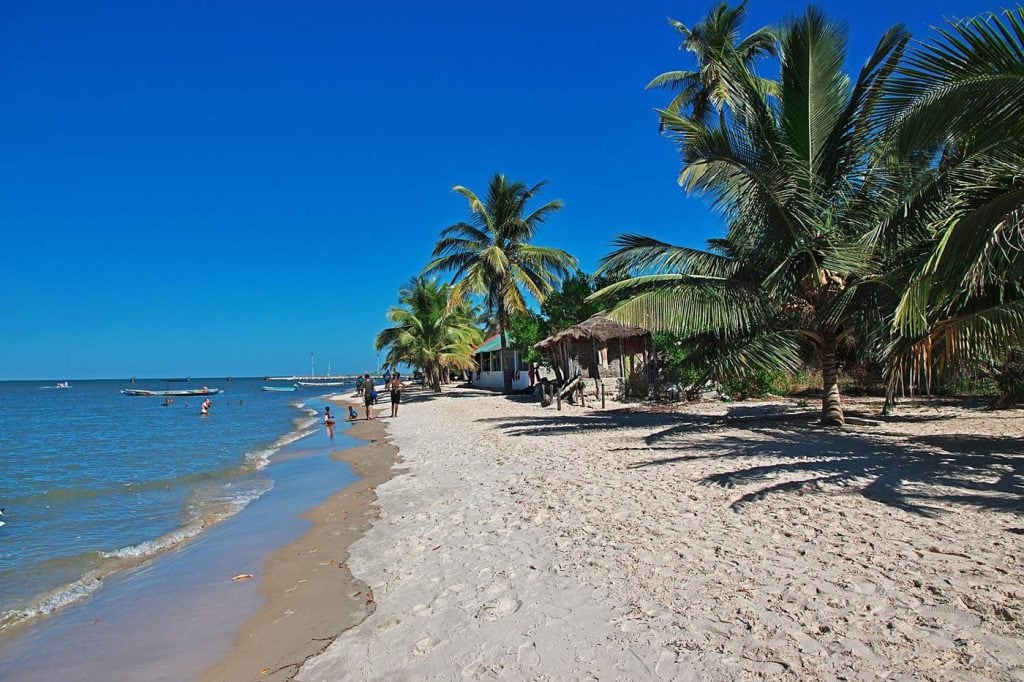
For now, the offer comes down to one activity that goes straight to the essentials: a traditional wrestling session in Cap Skirring, half a day outdoors on the sand, with a guide who runs the session and explains what you are seeing, from the moves to the songs. You choose your place: watch, or step into the ring to try a hold and feel how much more balance counts than strength.
The price is per person and goes down with the size of the group. If it is the sport rather than the culture that appeals, see personal training & fitness; for the drums that set the rhythm of the bàkk, our drumming workshops.
Where to see wrestling in Senegal
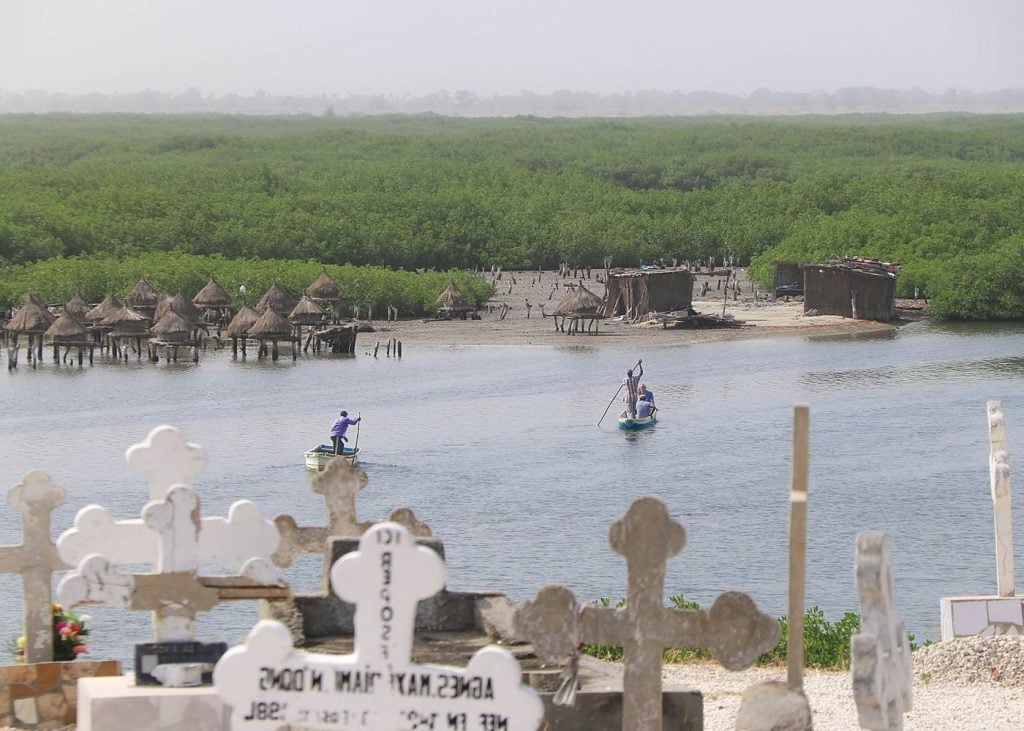
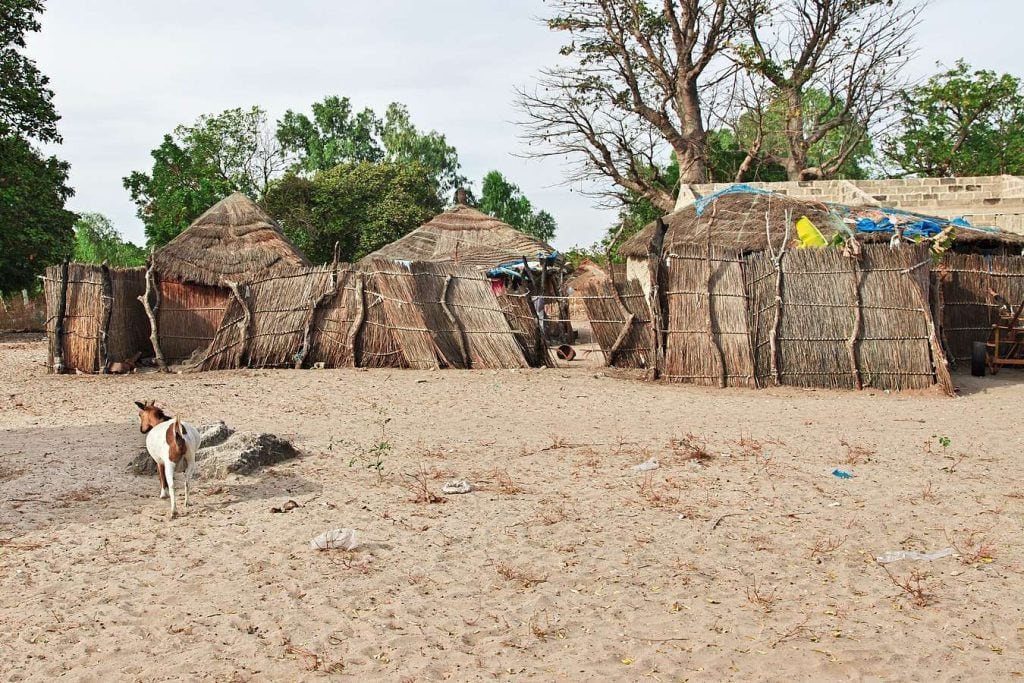
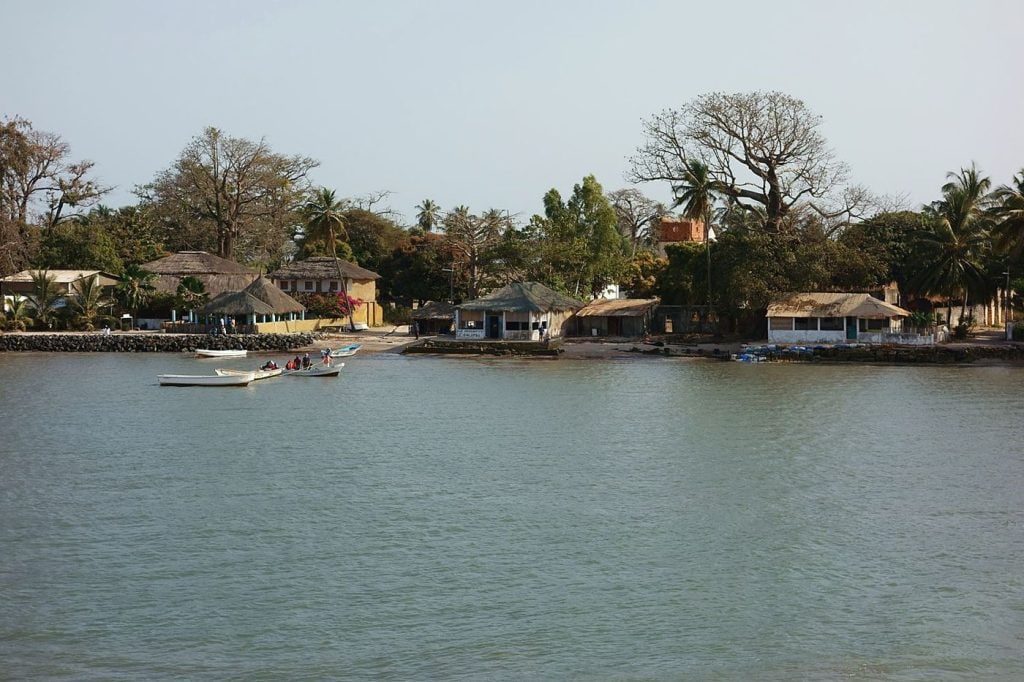
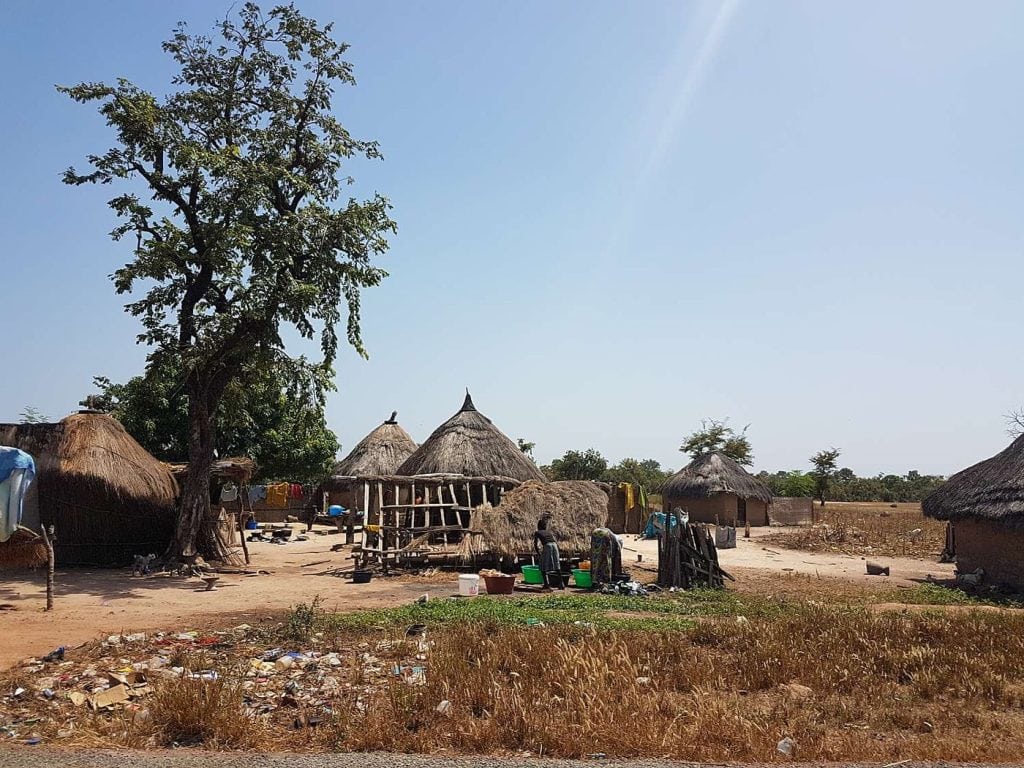
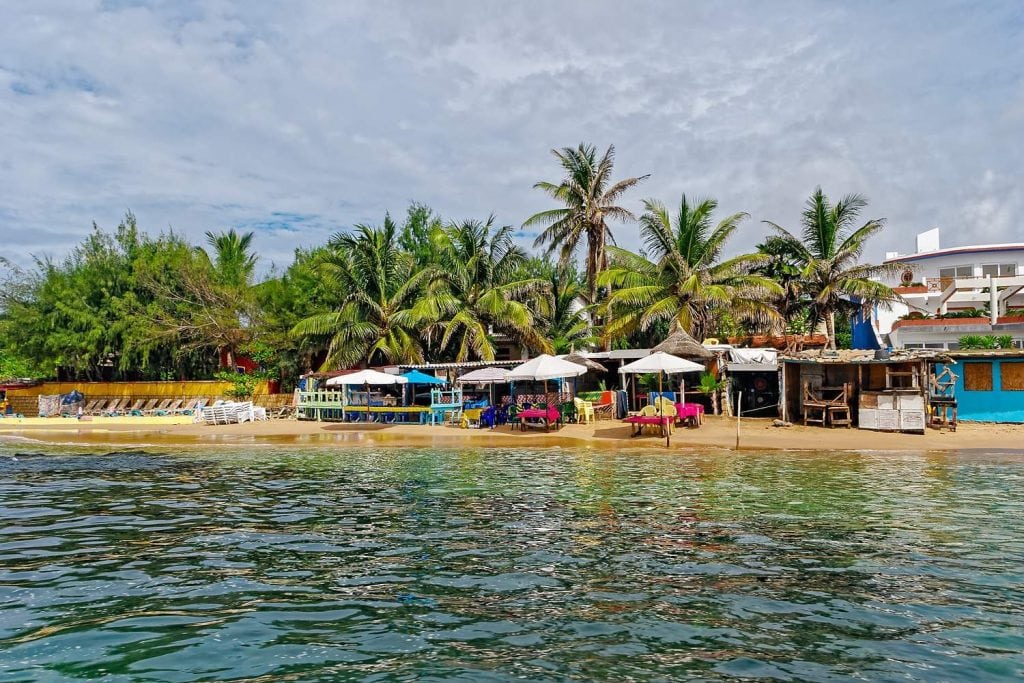
In Cap Skirring and Lower Casamance, where the activity bookable on QFS takes place, Diola wrestling is still a village affair, without strikes, far from the spotlights. In Oussouye, around thirty kilometres away, the Humeubeul, the king’s festival, brings together the villages of the kingdom every year at the end of the rainy season (hivernage), and each one fields its wrestlers: you go as a discreet guest, ideally with someone from the area.
Dakar and its suburbs remain the epicentre of wrestling with strikes. The big bouts are held at the National Wrestling Arena in Pikine, and the wrestling stables (écuries) train at the end of the day on the beaches, in Guédiawaye or Yoff. Tickets for the galas are sold by their organisers, not on QFS.
When to go
The season of big bouts opens in October, with fight cards at weekends. Village wrestling follows the farming calendar: the tournaments come back after the harvest, at the end of the rainy season, which is also when the Humeubeul in Oussouye is held, on a date that changes every year. The Cap Skirring session can be booked all year round; the dry season, November–May, offers dry sand and bearable heat.
Good to know & budget
To give it a go, come in light sportswear: you wrestle barefoot and end up covered in sand. Bring water, a hat and sunscreen. No experience is required; tell the guide about any weakness in your back or knees. When watching, do not laugh at the rituals, do not touch the gris-gris, and ask before photographing a wrestler up close.
You pay 20% to secure your booking (the booking fee), and the balance is paid on site, on the day. The price shown is the price of the activity, guide included; no additional official fees. Live in Senegal? You get the resident rate: up to 30% off depending on the activity (the exact rate is shown on each listing). Cancellation terms are shown on the listing and in our cancellation policy.
Who is it for?
For travellers who do not want to leave Casamance with nothing but beach photos, for families and groups of friends, since everyone chooses whether to watch or wrestle, and for sporty types curious about another style of hand-to-hand combat.
If you live in Senegal, you have probably watched dozens of bouts on screen without ever stepping into the ring: here is your chance, at the resident rate, combined with a weekend in Cap Skirring. If you are passing through, book the session early in your stay: after that, every beach where wrestlers train will speak to you differently.
On 5 April 2026, when Sa Thiès toppled Modou Lô, the Senegalese press focused above all on one date: fourteen years earlier, his elder brother, Balla Gaye 2, had also been crowned King of the Arenas. Two brothers, two crowns: in Senegal, wrestling is also handed down like a family name.
Frequently asked questions
Can you try Senegalese wrestling with no experience?
Yes. The Cap Skirring session is run by a guide and requires no experience: you can watch or try a few holds, at your own pace. You wrestle without strikes, barefoot, on the sand.
What’s the difference between laamb, wrestling without strikes and wrestling with strikes?
Laamb is the Wolof name for wrestling. Wrestling without strikes, the village and mbapat style, simply means putting your opponent on the ground. Wrestling with strikes, unique to Senegal, also allows punches: it’s the style of the big arena bouts.
What is the bàkk?
It’s the poem of bravery that the wrestler sings and dances before the bout, to the rhythm of the griots’ drums: his motto, his lineage, his victories.
Can you watch wrestling during the festival of the king of Oussouye?
Yes, traditional wrestling is one of the highlights of the Humeubeul, at the end of the rainy season. The date varies every year: check before you set off, and keep a low profile as a guest.
Can you book a ticket for a bout at the National Wrestling Arena on QFS?
No. Tickets for the big bouts are sold by the organisers of each gala. QFS offers a traditional wrestling session in Cap Skirring, guide included.
How does booking work?
You pay 20% to secure your booking (the booking fee), and the balance is paid on site, on the day. No additional official fees. If you live in Senegal, you get the resident rate: up to 30% off depending on the activity (the exact rate is shown on each listing).