

Yoff
Availability
Category
Duration
Where it happens
Who for
0 activities
Sorry, no activities match your search.
You Might Be Interested In
Quad bike ride through the dunes and along the salt lake, with guide and equipment provided, about 45 minutes from Dakar...
Pink Lake (Retba), Niaga
 30 min – 1h45
Starting at:
14 300 CFA13 585 CFA -5%
Resident :
Pirogue hire on the Pink Lake: 20 min, 35 min or 1 h with a boatman, boat of 5 to 6 seats, one price for the whole boat, not per person.
20 to 60 minStarting at:
16 500 CFA15 675 CFA -5%Resident :
A day in the Lompoul desert from the Pink Lake: ochre dunes, camp, lunch. Transport, guide, meals and entrance included,...
LompoulFull dayStarting at:
44 000 CFA41 800 CFA -5%Resident :


North of Dakar, Yoff stretches between the airport and the Atlantic, combining the life of a large Lebou village with the urban modernity of the capital. Known for its long beach, fishing activity, and central role in the Layène Muslim brotherhood, Yoff is a unique neighborhood where spirituality, community solidarity, and ancestral practices remain vibrant. It is also a lively, popular area animated by religious rituals and the daily spectacle of the sea.
History and identity of Yoff
Founded around 1432 (formerly “Mbokhékh”), Yoff is a pillar of Lebou history on the Cape Verde Peninsula. A people of fishermen, religious figures, and merchants, the Lebous of Yoff established the social organization in “penc” (traditional districts) and a customary system with the Jaraf as village chief.
The Layène brotherhood, which emerged here in the 19th century around Seydina Limamou Laye, strongly shapes local identity: each year, Yoff attracts thousands of faithful for pilgrimages and major ceremonies.
Even today, Lebou community life (ceremonies, customary structures, solidarity) forms the social foundation of the neighborhood, resisting the urban pressures of Dakar.
A Spiritual Hub: The Layène Brotherhood
The Layène mosque, facing the ocean, is the religious heart of the neighborhood and the brotherhood. Yoff hosts each year the Layène pilgrimage (“Appel”) and the Gamou (Prophet’s birthday), drawing worshippers from Senegal and the diaspora.
The neighborhood is structured around prominent figures and Sufi religious practices. During these celebrations, the central square and beach become genuine communal spaces with singing, dancing, and processions.
A Fishing village
Fishing is the soul of Yoff: each morning and evening, colorful pirogues line the beach, bringing back fish, shrimp, and seafood sold on the sand or in nearby markets.
The Lebous share the catch among families and communities: passing down skills, preparing nets, celebrating sea festivals, and helping the less fortunate shape daily life.
The beach of Yoff
Yoff has one of the longest beaches in Dakar (several kilometers). It lives at the rhythm of:
- artisanal fishing (central area, pirogues)
- swimming and surfing (some supervised areas suitable for visitors)
- religious ceremonies: the beach serves as a setting for Layène gatherings
- football, wrestling, and sand games, especially on weekend evenings. This makes it an open, communal, and lively space where everyone finds their place.
Cultural and Social Life
Yoff is also a major festive hub:
- sabar drums, Lebou dances (ndawrabine…), songs marking events
- Senegalese wrestling on the sand, animated by the whole neighborhood
- traditional healing rites (ndëp) and ceremonies honoring ancestors. The neighborhood has remained faithful to its customary councils, community festivals, and hospitality.
Unique anecdotes and rituals
- The “tuuru” of Maam Njaré is a major annual Lebou festival: sacrifices, prayers, and ceremonies honor Yoff’s protective spirit, inherited from a founding myth linking the sea spirit and village safety.
- Yoff fishermen attribute their luck to ancestral protection and sacrifices performed before going out to sea: every new boat is blessed with a specific ritual.
- Each Lebou family has a totem animal symbolizing the alliance between humans and nature.
- Healing sites (“Xamb”) are managed by initiates (Saltigués or Ndëpkat), the only ones authorized to perform traditional healing rituals.
What to Do in Yoff?
- Visit the Layène mosque and, if possible, attend a religious ceremony or pilgrimage.
- Observe the ballet of fishermen and collect souvenirs along the beach.
- Enjoy the vast beach: swimming, surfing, football matches, or walks.
- Attend or participate in Senegalese wrestling, a flagship coastal sport.
- Discover the art of ndëp or other Lebou rituals during a festival.
- Immerse yourself in village culture, meet a dignitary or master fisherman, and hear oral stories about Yoff’s history.
Practical information
- Location: North of Dakar, near the airport and the Almadies.
- Access: taxi, bus; wait times can be long during peak hours.
- Recommended duration: 2–3 hours to visit the mosque and beach; a full day for immersion (ceremony, fishing, culture).
- Tips: Respect places of worship; beach is vast—prefer supervised areas; a local guide is recommended for the spiritual dimension.
FAQ
Why visit Yoff? To experience a true immersion in Lebou identity, Layène religion, and Dakar fishing life.
What is special about Yoff? Its central spiritual role (Layène brotherhood), festive traditions, and lively beach.
Can you swim in Yoff? Yes, but be careful of currents. Prefer supervised areas.
Which religious events take place in Yoff? Layène pilgrimage, Gamou (Prophet’s birthday), sea ceremonies.
Recommended duration? Half a day for a brief visit; a full day to experience local life and the beach.
Sénégal travel news
Latest news
Discover the latest trends and tips for traveling in Senegal. From cultural tourism to outdoor activities, stay informed about events and news that will make your stay unforgettable.
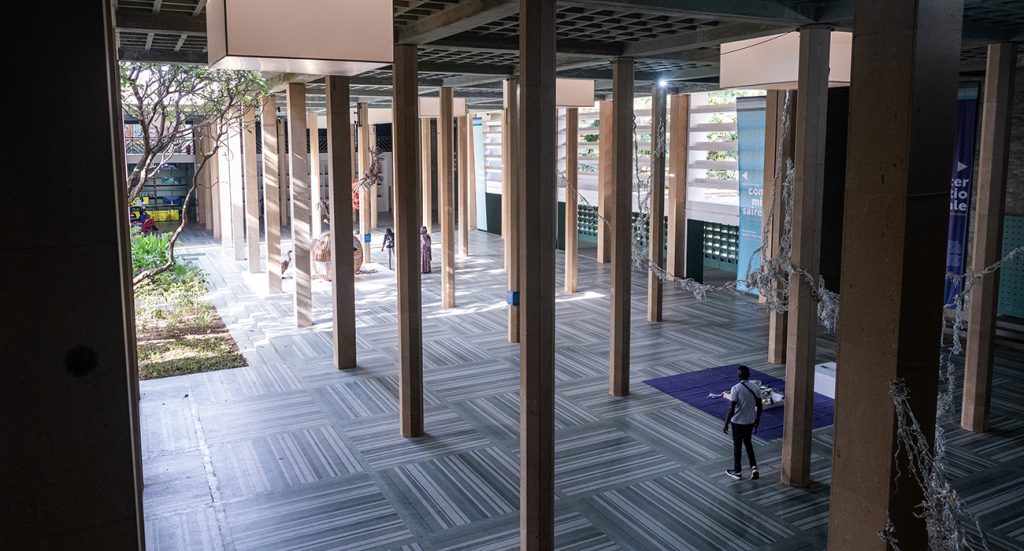
The Dakar Biennale (Dak’Art): Showcase of Contemporary African Art

The Saint-Louis International Jazz Festival: A Must-Attend Musical Event

The African Renaissance Monument: Pride and Symbol of Dakar
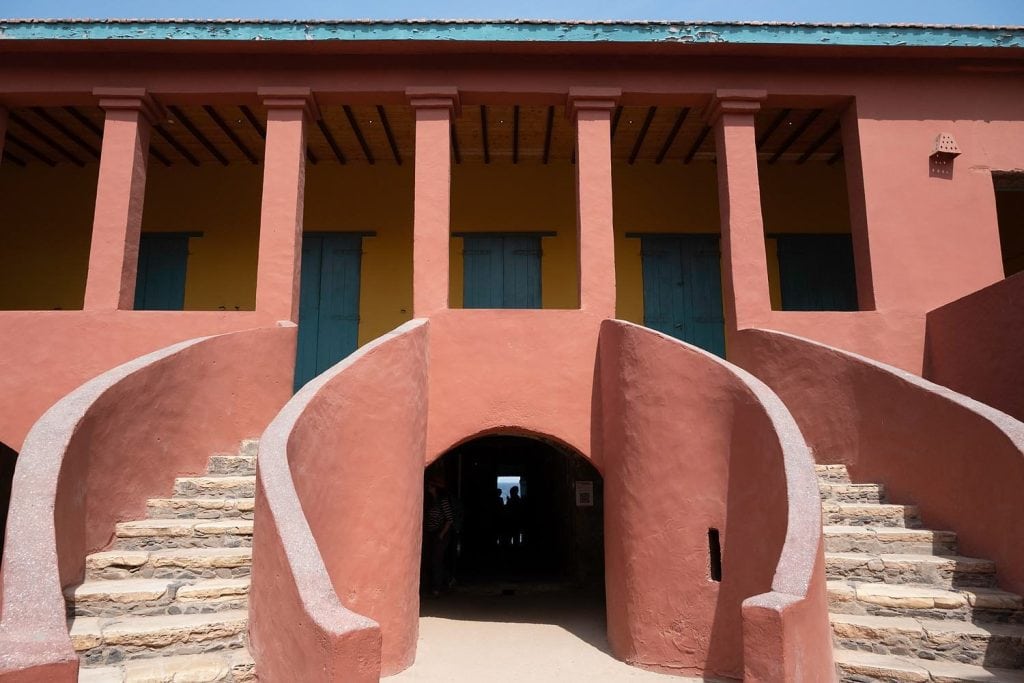
Gorée Island: Memory and World Heritage off the Coast of Dakar

Lake Rose (Lake Retba): a natural wonder at the gates of Dakar

The Sine-Saloum Delta: between mangroves, islands, and Serer traditions

The Madeleine Islands: National Park Off the Coast of Dakar

Fathala Reserve: a full-scale safari in Senegal

Bandia Park: safari in the heart of the Petite Côte

The Mosque of Divinity: Spirituality and Architecture Facing the Ocean
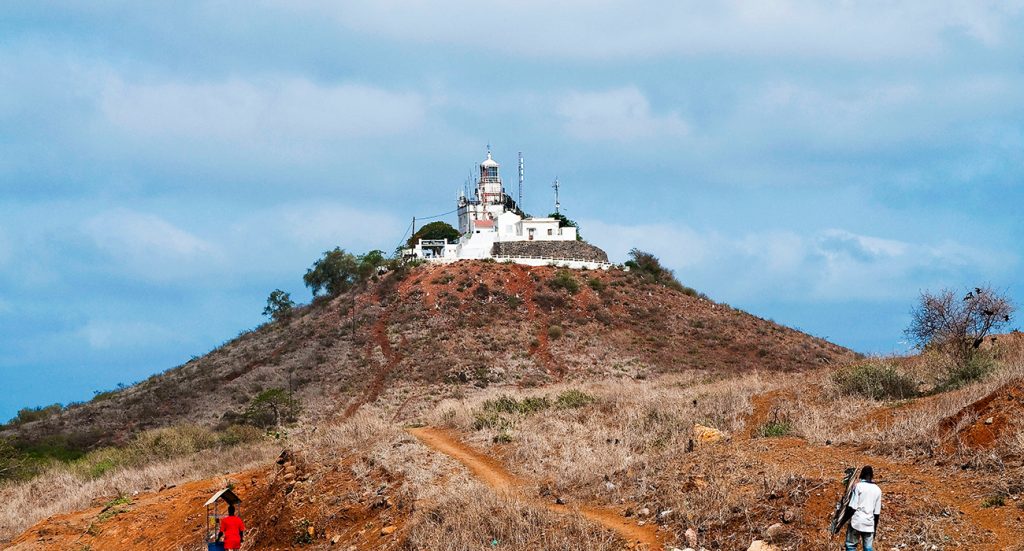
The Mamelles Lighthouse: Panorama and History of Dakar

Dakar’s Iconic Markets: Immersion into the Soul of the Capital

The House of Slaves on Gorée Island: A Universal Memory in Senegal
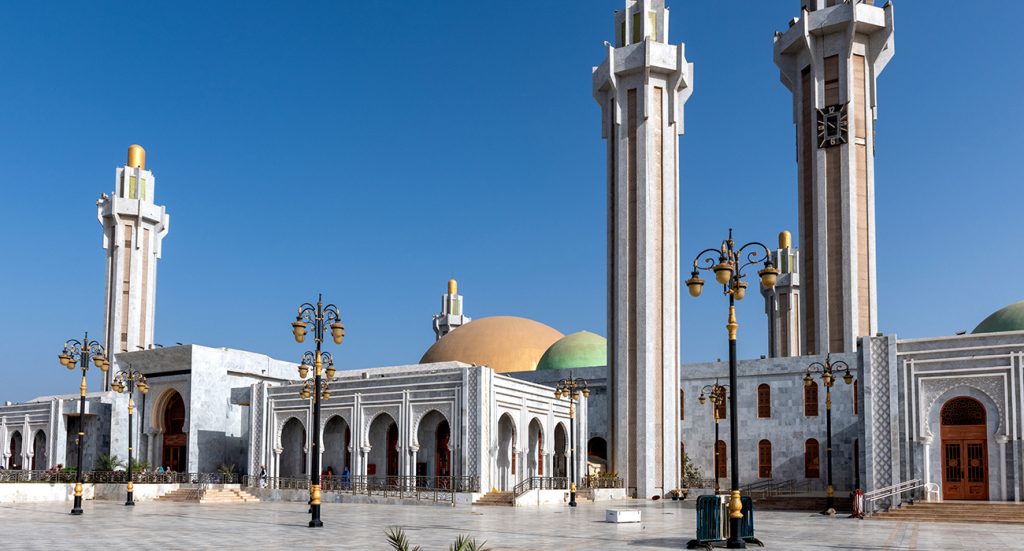
The Great Mosque of Dakar: Spirituality and Cultural Heritage

The Museum of Black Civilizations: Heritage and Modernity in Dakar

The Théodore Monod Museum of African Art: Heritage Treasure of Dakar
Ideal Itinerary : 3 Days in Dakar

The Dakar region, the beating heart of Senegal


