Guédiawaye
Home›Locations›Dakar Region›Guédiawaye
What to do in Guédiawaye?
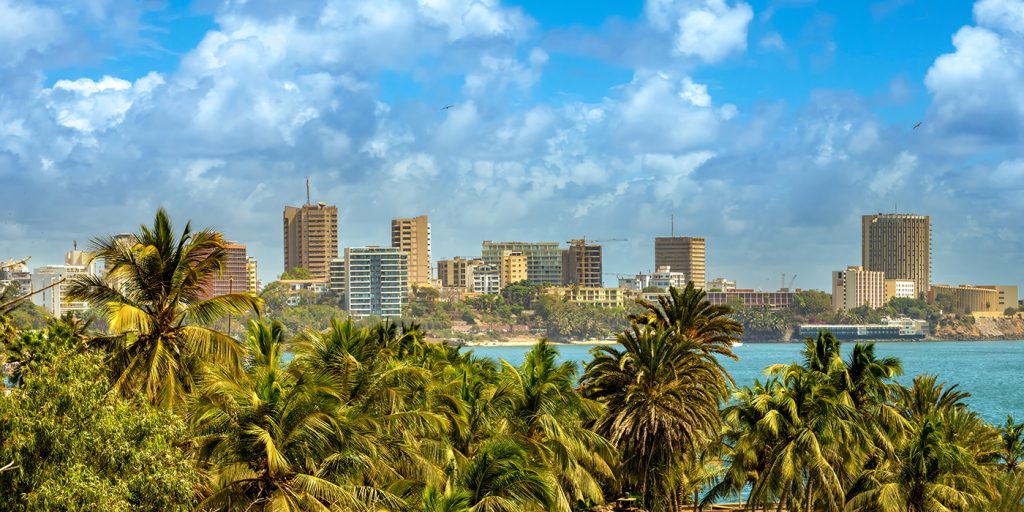
If you want to understand Dakar, one day you have to ride to the end of the line. The BRT (Bus Rapid Transit) speeds out from the Plateau on its dedicated lane and stops at Guédiawaye, in the north of the Cap-Vert peninsula: this is where the suburbs begin, home to a large share of Dakar’s people.
Category
Duration
Where it happens
Who for
Guide language
1 activity
- Family days & children's outings
Baby and child massage in Guédiawaye
Dakar Region · 30 min – 1h
From5 500 CFAResident price5 225 CFA−5 %
At a glance
| Region | Dakar Region, Guédiawaye department (created in 2002 by separating it from Pikine) |
| Type of place | Dense suburban town, five district communes (communes d’arrondissement), opening onto the Atlantic to the north |
| Getting there from Dakar | BRT to the prefecture terminus; by car, from 40 minutes to over an hour from the Plateau depending on traffic |
| Recommended time | Half a day, ideally in the late afternoon |
| Official fees | No additional official fees: there are no paying sites in the town |
| Swimming | Prohibited on Guédiawaye beach, as at neighbouring Malika |
| Best time to go | Dry season (November to June); in the rainy season (hivernage), water lies stagnant in the low-lying areas |
| On QFS | One activity linked to Guédiawaye; the rest of what is on offer is in Dakar and at Lac Rose |
Resident or visitor: two ways to approach Guédiawaye
If you live in Senegal, and all the more so in the suburbs, Guédiawaye is a natural starting point for heading north: Lac Rose (Pink Lake) and its dunes can be reached without crossing the whole of Dakar, and a quad or horse ride becomes a Saturday afternoon plan. Remember the resident rate: up to 30% off (the exact rate is shown on each listing). And as for the beach, you know the rule: you walk there, you play football there, you do not swim there.
If you are passing through, take Guédiawaye for what it is: a lived-in town, not a stage set. The BRT ride alone shows you the whole urban sprawl. Ideally come with someone from the neighbourhood, ask before photographing people, homes or a wrestling session, and save your swimsuit for Ngor or Dakar’s supervised beaches.
A town born of the sand
Guédiawaye is a resettlement town. After independence, the state moved families displaced from central Dakar neighbourhoods here, onto land made of dune ridges separated by dried-up lakes and fertile hollows: the Niayes, the string of wet depressions running along the Grande Côte that long kept the capital supplied with vegetables. The town grew faster than its infrastructure. A commune, then a city, it became a department in its own right in 2002, separated from Pikine, and is divided into five district communes: Golf Sud, Médina Gounass, Ndiarème Limamoulaye, Sam Notaire and Wakhinane Nimzatt. All of it fits into a dozen or so square kilometres, for several hundred thousand inhabitants: one of the highest population densities in the country. Hence its energy, its youth, and its vulnerability when the rainy-season water returns to the old hollows.
Read more
The beach: for looking, not swimming
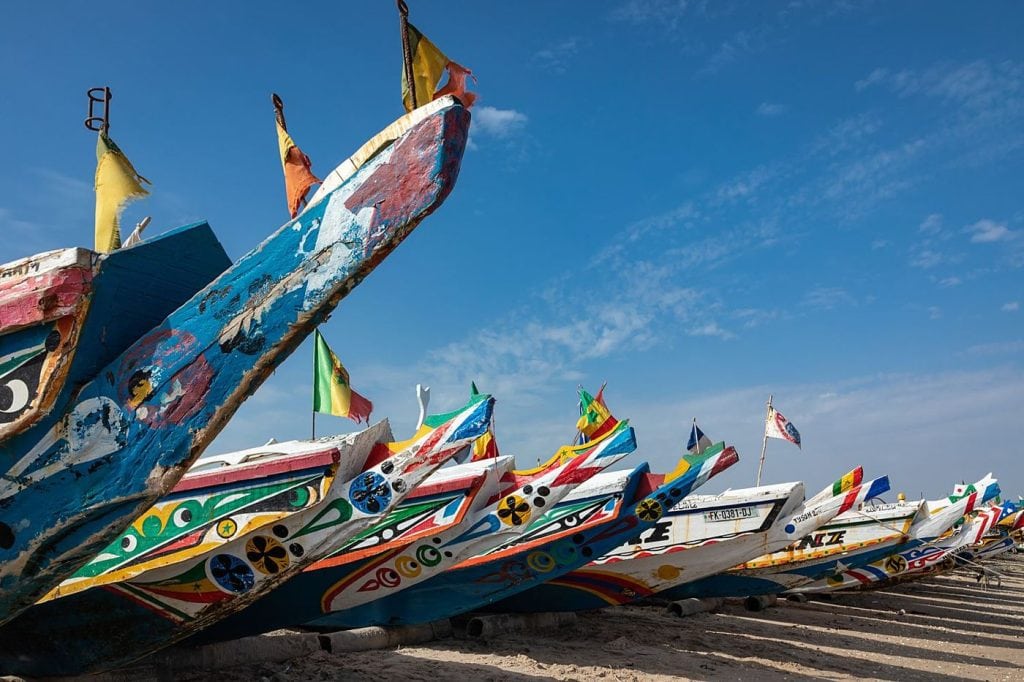
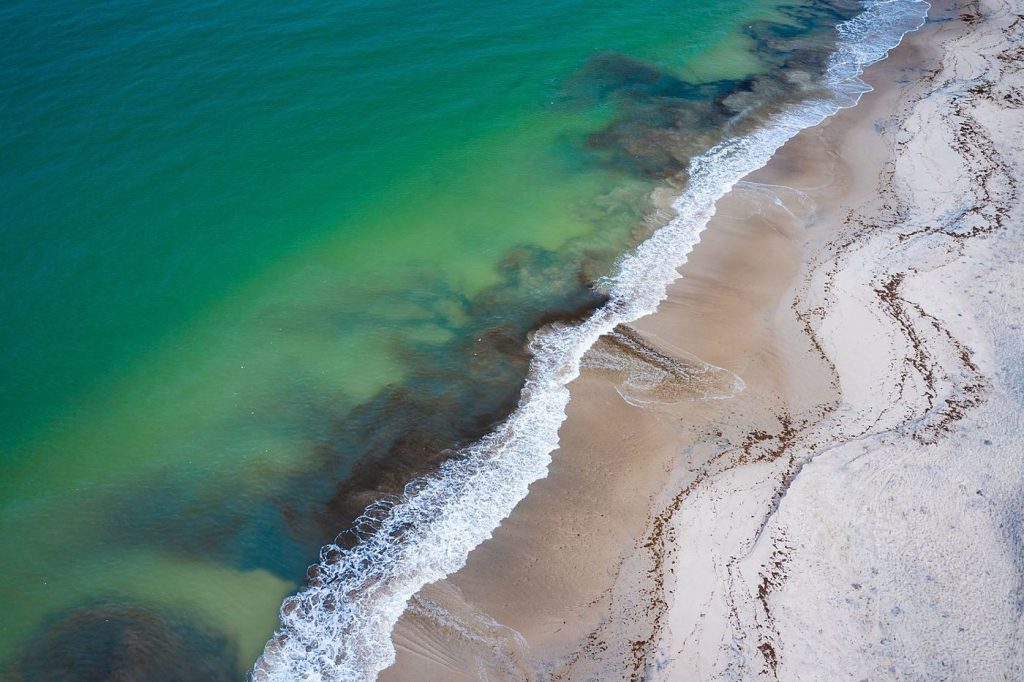
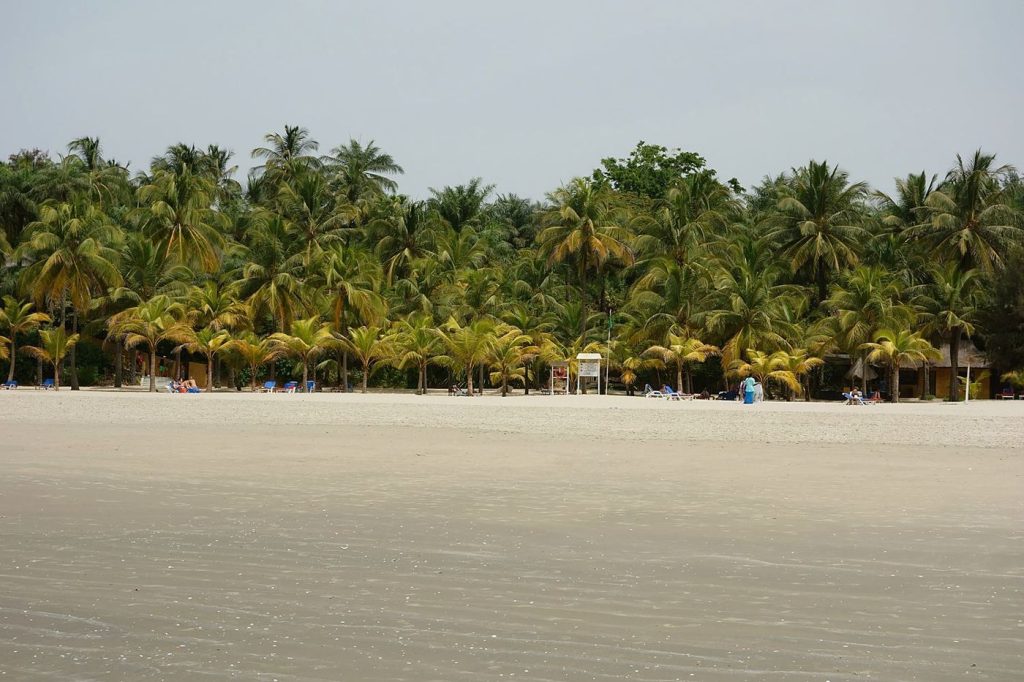
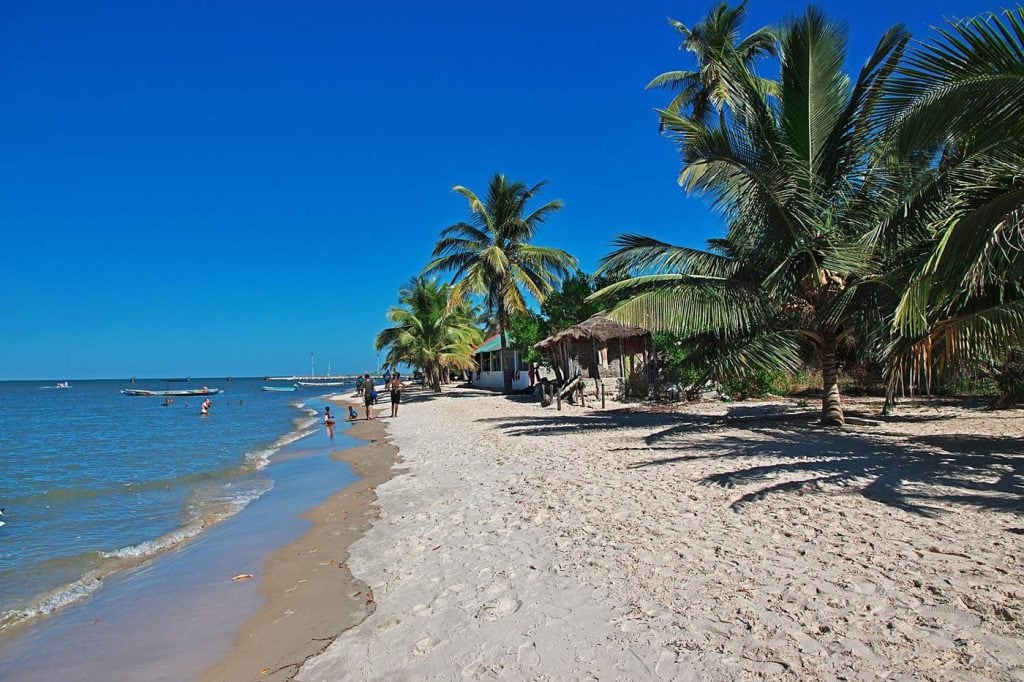
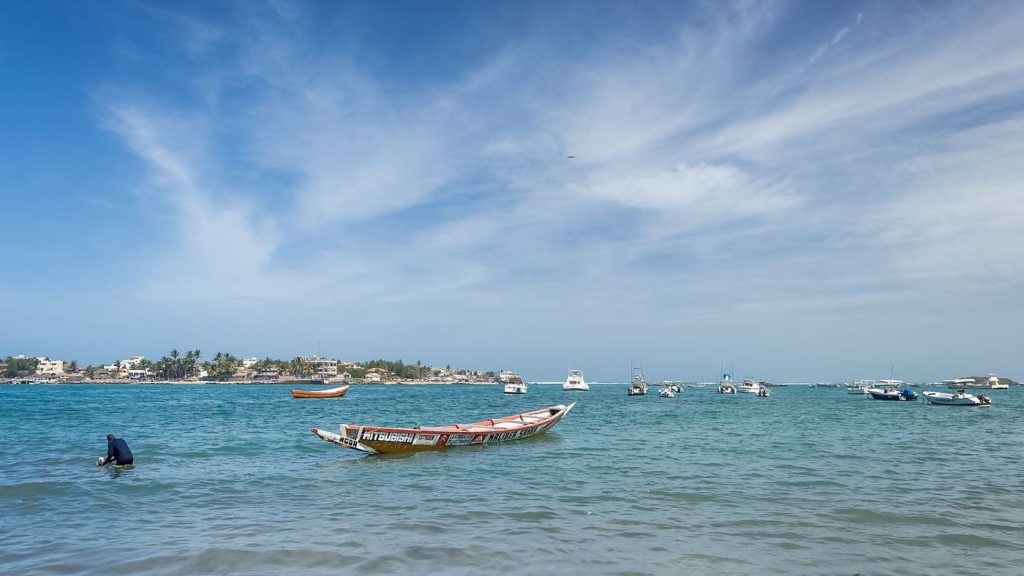
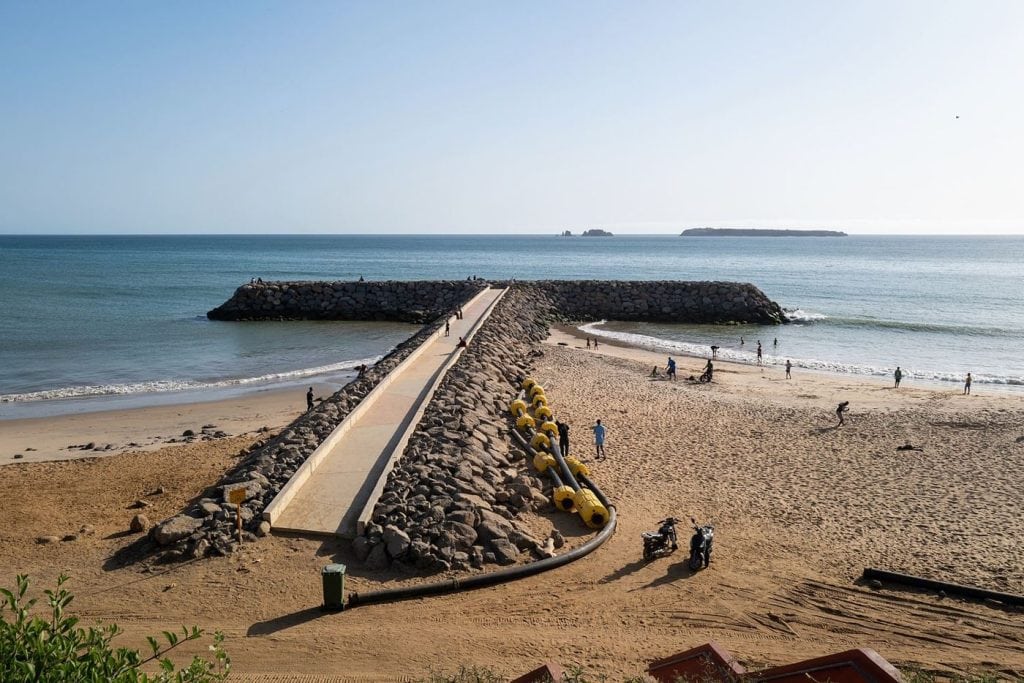
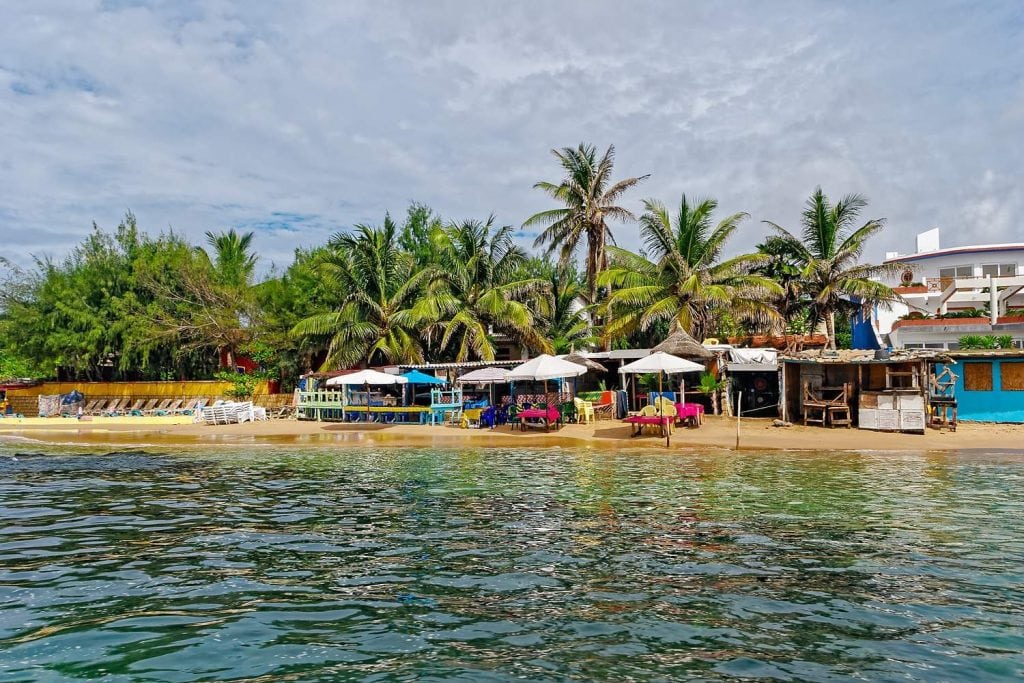
To the north, the town ends at the Atlantic, at the start of the Grande Côte that runs on towards Malika and Lac Rose. The seafront is the suburb’s great public space: people come at the end of the day and at weekends to walk, run, play football on the sand, and watch the pirogues and the sunset. But swimming is officially prohibited here, as on neighbouring Malika beach and along this whole suburban coastline: powerful currents, heavy breakers, and repeated drownings every hot season, despite the bans and prevention campaigns. Come for the horizon and keep children well back from the water’s edge.
Rap and wrestling: two neighbourhood sources of pride
Guédiawaye holds a place in the history of Senegalese hip-hop. The rapper Fou Malade (Malal Tall), who grew up here, is one of the founders of the Y’en a marre civic movement. The town’s hip-hop players set up the G Hip Hop centre, devoted to training in urban-culture careers, and the Guédiawaye by Rap festival puts the local scene on stage; a recent edition paid tribute to Matador, a pioneering figure of Senegalese rap. Here, rap is a tool for activism as much as it is music.
The other local religion is wrestling. Guédiawaye is the stronghold of Balla Gaye 2, the “Lion of Guédiawaye”, who became king of the arena by beating Yékini, and its stables keep training wrestlers on the sand. To try it yourself, look at the Senegalese wrestling section.
Getting there and getting around
| BRT | Dedicated-lane line between Petersen, in the Plateau, and the Guédiawaye prefecture terminus, using electric buses; the simplest and clearest option for a visitor |
| Taxi | Direct ride from the centre, fare to be agreed before getting in; allow plenty of time at rush hour |
| Car | Motorway, then the arterial roads into the suburbs; heavy traffic morning and evening |
| Cars rapides (minibuses) and buses | Many routes to Pikine and Dakar; cheap but slow, for those who know the network |
Practical tips
Carry cash in small notes for the taxi, a café Touba or some grilled fish. Keep your phone and camera discreet in crowds. In the rainy season, from July to October, some low-lying streets stay flooded after the rain: ask around before setting off.
Book an activity in Guédiawaye with QFS
Guédiawaye has one activity on QFS. Most of what is on offer nearby lies beyond Yeumbeul and Malika, at Lac Rose (see also the Lac Rose page), with quad & buggy rides, horse & camel rides and 4×4 (safari & dunes), and in Dakar and the wider region, with guided cultural tours and Senegalese wrestling. You pay 20% to secure your booking (the booking fee), and the balance is paid on site, on the day, to the professional who hosts you. Any official fees are payable on site and not included in the price. If you live in Senegal, you get the resident rate: up to 30% off.
Frequently asked questions
Where is Guédiawaye?
Can you swim at Guédiawaye beach?
How do you get to Guédiawaye from central Dakar?
Is Guédiawaye worth the detour for a visitor?
Sénégal travel news
Latest news
Discover the latest trends and tips for traveling in Senegal. From cultural tourism to outdoor activities, stay informed about events and news that will enrich your stay.
Dakar 2026 Youth Olympic Games: your guide to Africa’s first Olympic Games, from the stands
Prayer times in Senegal: understanding the five daily prayers, from Dakar to Touba
TER Dakar–AIBD: the train finally serves the airport, and how to make the most of it
Great Mosque of Touba: entering the holy city as a guest
Podor: the gum arabic trading post at the end of the river
Mamelles Lighthouse: Dakar’s oldest watchman, at the top of the city
Lac de Guiers: the great lake that keeps Dakar supplied with water
Éloubaline Island: at the end of the creek, the houses that drink the rain
Mar Lodj: the Saloum island with no roads, no ticket office and no borders between faiths
Djifère: the end of the road, facing Sangomar
Niodior: the Saloum island many people read about before they see it
Dionewar: the Gandoul island that faces the ocean
Missirah: the fishing village with the giant kapok tree, at the far end of the Saloum
Sipo Island: the island that had a queen, across the water from Toubacouta
Wendaye Island: crossing a Diola island on foot, from the pirogue to the rice paddies
Pointe Saint-Georges: the end of the track where you watch for manatees
Boucotte: where the beach at Cap Skirring turns wild again
Édioungou: the village where *bolong* clay becomes a jar
Diakène: the gateway to the mangroves, between the Cap Skirring road and Egueye Island
Egueye Island: an island with no village, where the mangrove has the last word
Ourong Island: the end of the chain, where the Casamance islands run out
Katakalousse: the bridge on the Cap Skirring road, and the pirogue to the islands
Cachouane: the peninsula where the Casamance stops running
Kadioute: not an island, but a Diola museum among the roots of a kapok tree
Djilapao: a sculpted house at the end of a *bolong*
Mlomp: two-storey houses of raw earth, in the shade of kapok trees
Niokolo-Koba National Park: Senegal’s great wild bush, which owes you nothing
Dindéfélo Falls: the waterfall the villages chose to keep
Énampore: the house that drinks the rain, at the end of the Bandial road
Guembeul Reserve: on foot among the gazelles the Sahel had lost
Simal: the village on the bolong, at the end of the tann track
Hann Bel-Air: the bay Dakar damaged and is trying to repair
Ngor Beach: the village beach, between pirogues, the landing point and evening football
Anse Bernard: the Plateau’s only beach, and the one Dakar nearly lost
Ndianda: the Serer village you drive through without seeing, ten minutes from Joal
Carabane Island: reading Casamance’s former capital on foot
Lompoul desert: a little Sahara best experienced at sunset
Langue de Barbarie National Park: the park the sea redraws every year
Djoudj National Bird Sanctuary: the pelican haven that almost drowned under a fern
Nguéniène market: on Wednesdays, the Serer bush does its shopping (and you are invited)
Tortoise Village (Village des Tortues) in Noflaye: the African spurred tortoise’s waiting room
Popenguine Nature Reserve: the bush that women brought back to life
Joal-Fadiouth: the island where people are buried together, and the town where Senghor was born
The Somone lagoon: the mangrove that local people replanted
Hann Park: come for the forest, the zoo is not the point of the outing
Ngor Island: one island, two faces, and it is up to you to choose yours
Write to us: a real team, here in Senegal, will reply
Live in Senegal? The resident rate is made for you
Register your activity: we will take care of making it bookable
AFCON 2025: winners in Rabat, a title under appeal, and a country that lives for football
Dak’Art 2026: a month to see Dakar through its artists, from 19 November to 19 December
Saint-Louis Jazz Festival: five May nights when the whole island starts to swing
African Renaissance Monument: contested before it even stood, now Dakar’s landmark
Gorée Island: it is not one house that is listed, but the whole island
Lac Rose (Pink Lake): at Lake Retba, everything comes down to salt
Sine-Saloum Delta: a delta listed for its shells as much as for its mangroves
Madeleine Islands: the park you visit to take nothing away
Fathala Reserve: the Saloum forest where you come looking for the Derby eland
Bandia Reserve: a rebuilt savannah, from giraffes to the griots’ baobab
Mosque of the Divinity: the mosque born of a dream, set on the ocean’s edge at Ouakam
The Mamelles Lighthouse: Panorama and History of Dakar
Dakar’s markets: six markets, six ways to read the city (and to haggle)
House of Slaves, Gorée: what the door helps you understand
Great Mosque of Dakar: one minaret, three stories, and respect above all
Museum of Black Civilisations: a 1966 dream that opened in 2018
Théodore Monod Museum: West African art up close, in the calm of the Plateau
How to book your activity in Senegal
3 days in Dakar: a day of memory, a day of ocean, a day in working-class Dakar
What to do in Dakar Region? Pick what you feel like, we will show you where to go
Bringing Senegal to life? We bring you the people who want to experience it
About us: Senegal to do, not just to see
Saly and the Petite Côte: pick what you feel like, then get out of the resort
Frequently asked questions: booking an activity in Senegal
What to do and see in Senegal: our iconic places, region by region
Our partners: the people who bring Senegal to life, one activity at a time
General Terms and Conditions of Sale
Book a private activity in Senegal for your group