Senegal & its islands: places you reach, never places you pass through
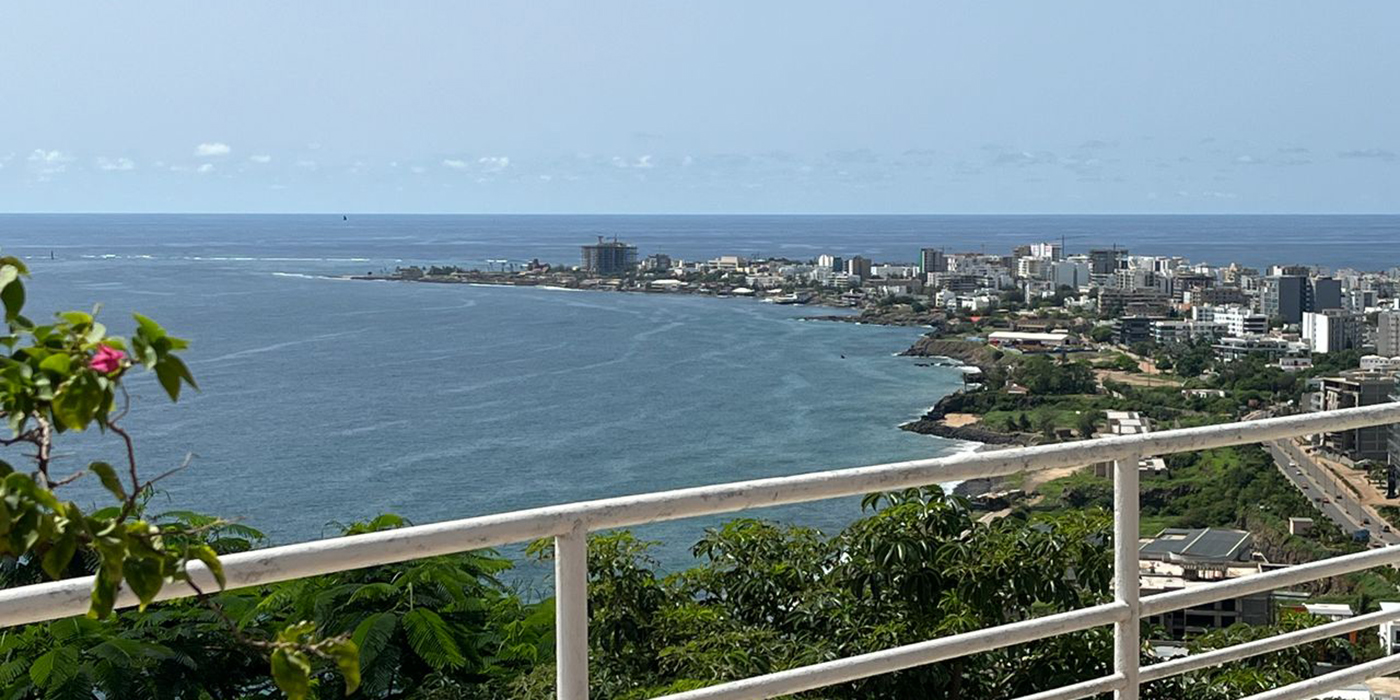
Senegal’s islands were born of three very different geographies. Off the Cap-Vert peninsula, they are volcanic rocks: Gorée opposite the port, Ngor opposite its Lebou village, and the small Madeleine archipelago. On the Petite Côte, at Joal, a lagoon gave rise to Fadiouth, a mound of shells built up over centuries by cockle and oyster gatherers. Further south, two great estuaries, the Saloum and the Casamance, open into deltas cut up by the bolongs (tidal creeks), saltwater channels lined with mangroves, where the water traces dozens of islands.
These islands have shaped history as much as geography. Gorée, a UNESCO World Heritage Site since 1978, has become the great place of remembrance of the Atlantic slave trade; its House of Slaves (Maison des Esclaves) is a place of pilgrimage for the diaspora. Carabane, ceded to France in 1836, was the first French trading post in Casamance and its administrative capital until the early 20th century. The Saloum Delta, for its part, has been a World Heritage Site since 2011 not for its mangroves but as a cultural property: for its shell mounds, its burial mounds and the way its inhabitants have lived off fishing and gathering for centuries without exhausting their environment.
Apart from the protected islets, these islands are inhabited: you come as a visitor, not as a spectator.
Formats: from a half-day to a stay in the delta
- A guided tour of an island: two to four hours with a guide on Gorée or Fadiouth, leaving from the quay, your hotel or the Petite Côte depending on the format.
- Island and city: Gorée combined with a tour of Dakar or with Lac Rose (Pink Lake), Ngor combined with the African Renaissance Monument, Fadiouth combined with the Nguéniène market.
- The island from the sea: around Ngor, half an hour in a transparent kayak or on an underwater scooter along the island’s rocks, depending on sea conditions.
- A day in the delta islands: by pirogue from island to island in the Saloum, leaving from Ndangane, Mbour or Joal, with stops at a village and on a shell bank.
- Trips from Toubacouta: from two hours to a half-day, out to Sipo Island and Missirah, in the south of the delta.
- The Casamance island circuit: a day around Carabane, from stop to stop, between fishing villages and the birds of the estuary.
Where to go on an island excursion in Senegal
- Gorée (Dakar): the car-free island opposite the port, its lanes, the House of Slaves (closed on Mondays), the Castel and its artists. You get there on the public ferry, from the ferry terminal in the port of Dakar, with a ticket bought at the counter and no booking possible. Official fees, payable on site and not included in the price: the return ticket (1,500 FCFA for a Senegalese adult, more for other categories) and the commune tax of 500 FCFA per visitor, plus museum admission. See the Gorée Island page.
- Ngor (Dakar): a few minutes by pirogue from the beach of the Lebou village, and the city disappears. Coves and grilled fish on Ngor Island. The pirogue crossing is paid on site, not included in the price.
- The Madeleine Islands (Dakar): a small rocky archipelago about four kilometres off the coast, a national park since 1976. You can only land there on a supervised trip, from Soumbédioune, and only when the sea allows; park entry is paid on site, not included in the price.
- Joal-Fadiouth (Thiès Region, Petite Côte): a long wooden footbridge leads to the shell island, its white lanes, its millet granaries on stilts and its cemetery where Christians and Muslims rest on the same mound. No additional official fees. Our Joal-Fadiouth page tells the story of the place in detail.
- The Sine-Saloum (Fatick Region): in the north, from Ndangane, the car-free Serer island of Mar Lodj is 15 to 30 minutes away by pirogue, with no official fees. Further out, the Gandoul islands, Dionewar and Niodior, can only be reached by pirogue. Depending on the route, the Saloum Delta National Park entry fee applies: payable on site, not included in the price; each listing tells you whether it concerns you.
- Toubacouta (south of the delta): from the Bandiala jetty, the pirogue heads to Sipo Island, a fishing village long led by a queen, Fatou Mané, who died in 2022, and to the Diorom Boumak shell mound.
- Carabane (Casamance): at the mouth of the river, reached by pirogue from Elinkine in under an hour, or by the Dakar–Ziguinchor boat, which calls there. A Breton-style church, the ruins of the trading post. No entry fee for the island: no additional official fees. See the Carabane Island page.
When to go to the islands
The Dakar islands can be visited all year round: Gorée and Ngor do not close for the rainy season (hivernage). What matters is the day. On weekdays and outside school holidays, Gorée is at its quietest; at weekends, the ferry fills up and Ngor welcomes the whole of Dakar. For the Madeleine Islands, the sea decides.
For the Saloum, Fadiouth and Casamance, the dry season, from November to May, is the most comfortable: milder air, calm water, and migratory birds from Europe in the deltas, especially from December to April. From July to October, the hivernage turns the islands a dazzling green, but the heat is heavy, mosquitoes are plentiful and crossings less predictable. In the deltas, let the tide call the shots: the boatman times the departure to the water’s cycle.
Good to know & budget
Bring cash in small notes: the ferry, the tax, pirogue crossings and tips are paid in cash, and there is no cash machine on most of the islands. A hat, water, shoes that can cope with shells, and insect repellent for evenings in the deltas. Insist on a life jacket, especially for children. Ask before photographing anyone, and never take any shells from the mounds, which are archaeological and often sacred sites.
On Que Faire Sénégal, the price shown is the price of the activity. Read the listing carefully, because pricing methods vary a great deal in this section: the guided tour of Gorée is a group flat rate that decreases per head as the group grows, the transparent kayak in Ngor is paid per two-seater kayak, the day in the Saloum islands from Mbour is a flat rate for up to five people, and the Casamance island circuit counts the pirogue separately, shared between participants. If there are several of you, compare. You pay 20% to secure your booking (the booking fee). The balance is paid on site, on the day. If you live in Senegal, you get the resident rate: up to 30% off (the exact rate is shown on each listing).
Official fees never go through the booking: the Gorée ferry and commune tax, museum admission, entry to Madeleine Islands National Park and, depending on the route, the Saloum Delta National Park entry fee are payable on site and not included in the price, with no resident discount. On Fadiouth, Mar Lodj and Carabane, there are no additional official fees.
Who is it for?
Almost everyone: there is little walking, and the shortest crossings last a few minutes. Families will start with Ngor or Fadiouth, with no endless drive. History lovers will go to Gorée and then, one day, to Carabane. Nature and bird lovers will aim for the Saloum, Toubacouta and the Madeleine Islands, binoculars in hand.
If you are a resident, you have an advantage: you can come back. Gorée on a Tuesday, with a swim, rather than on a school trip; Ngor as a Saturday ritual, before the crowds; a weekend on Mar Lodj or in Toubacouta, leaving on Friday, pirogue at dawn on Saturday. Visitors, on the other hand, should avoid two traps: rushing round Gorée between two ferries, and doing “the Saloum islands” in a day from Saly, where you spend more time on tarmac than on the water. Give Gorée a proper day and sleep at least one night in the delta.
In the Carabane cemetery, facing the estuary, the islanders will show you the grave of Captain Protet, an officer from the trading-post era. Legend has it that he was struck by a poisoned arrow and asked to be buried standing up, facing the shore. True or not, the story says a great deal about what the island has become: a former capital that now looks only to the sea.
Frequently asked questions
Which island should I choose for a first excursion from Dakar?
Gorée, for its memory and its lanes: a full day, on a weekday, but not on a Monday if the House of Slaves is your goal. For a more beachy escape, Ngor Island is a few minutes by pirogue from the village beach.
How much is the Gorée ferry, and can you book it?
The return ticket costs 1,500 FCFA for a Senegalese adult, more for other categories, plus a commune tax of 500 FCFA per visitor. Tickets are bought at the counter in the ferry terminal, with no booking. These official fees are payable on site and not included in the price of the guided tour.
Can you visit the Madeleine Islands?
Yes, but only on a supervised trip: this small archipelago has been a national park since 1976. Departures are from Soumbédioune when the sea allows; park entry is paid on site, not included in the price. This outing isn’t among the listings in the category.
Do you have to pay to enter Fadiouth or the Saloum islands?
Not for Fadiouth or Mar Lodj: no additional official fees. For Fadiouth, the guided tour organised on the Joal side is charged for, payable on site and not included in the price, unless the listing includes it. In the delta, depending on the route, the Saloum Delta National Park entry fee applies; it is payable on site, not included in the price, and the listing tells you whether it concerns you.
Is there a special rate for residents?
Yes. If you live in Senegal, you get the resident rate: up to 30% off depending on the activity (the exact rate is shown on each listing). It doesn’t apply to official fees such as the ferry, the Gorée tax or park entry.