Senegal & its cuisine: a listed dish, a city, a bowl
Few countries can say that their everyday dish is part of the heritage of humanity. Senegal can. In December 2021, UNESCO inscribed ceebu jën, “rice with fish” in Wolof, also written thiéboudieune, on the Representative List of the Intangible Cultural Heritage of Humanity. It was not a recipe that was listed but an entire culinary art: choosing the fish, the way of cooking, the way of serving and eating together.
The dish has a birthplace. The nomination file submitted to UNESCO traces it to the fishing community of Saint-Louis, on the Langue de Barbarie, in the Guet Ndar district. And it has a godmother. Oral tradition credits its invention to Penda Mbaye, a cook from Guet Ndar, who is said to have had the idea of colouring the rice with tomato. It is a story passed down by the elders and by her descendants, and the accounts disagree on when she lived. Take it for what it is: a founding tale that any Saint-Louisian will tell you with pride. The rice itself recalls a less gentle history: it is the imported rice of the colonial era that cooks eventually made their own.
Thiéboudieune comes down to a few precise techniques. Broken rice, which soaks up the sauce better than long-grain rice. Rof, a stuffing of pounded parsley, garlic and chilli slipped into slits in the fish. Whole vegetables, cabbage, carrot, cassava, aubergine, sweet potato, which cook in the broth before the rice goes in. The seasonings from the sea, guedj, dried fish, and yeet, a fermented mollusc, which give it that deep flavour no tomato can provide. And the crust of rice stuck to the bottom of the pot, scraped out to the last grain and fought over.
Around the national dish, the Senegalese table has its entourage. Yassa, chicken or fish marinated in lemon then simmered in a mountain of onions, comes from Casamance. Mafé coats meat in a peanut-butter sauce, served over rice. Thiakry, millet couscous with sweetened curdled milk, rounds off the meal. Bissap, an infusion of dried hibiscus flowers, is drunk ice-cold and becomes essential when breaking the fast during Ramadan. Then comes ataya, the green mint tea inherited from neighbouring Mauritania, served in three rounds: the first bitter as death, the second gentle as life, the third sweet as love, so the saying goes. It is poured from a height to make it froth, and you take your time.
The last piece of heritage is the shared bowl. Thiéboudieune is eaten together, often with the right hand, each person in front of their own section of the dish, without dropping any grains, the left hand resting on the bowl, without raising your knee. UNESCO described these rules in its decision, while also pointing out a risk: that of seeing the dish reduced to a tourist product. A good class does the opposite. It teaches you the gestures and the meaning given to them.
Formats: what you learn in a workshop
All the listings in this category share one principle: you cook, you eat. Ingredients, apron and meal are included, and no experience is required.
- The thiéboudieune and mafé workshop: the core format, in Dakar and on the Petite Côte. You prepare the two signature dishes, with the morning’s catch when the workshop is near a port.
- The short class in Dakar: depending on the listing, a one-hour theory class to understand the ingredients and steps, a two-hour hands-on workshop, or three hours of Senegalese cooking in Yoff.
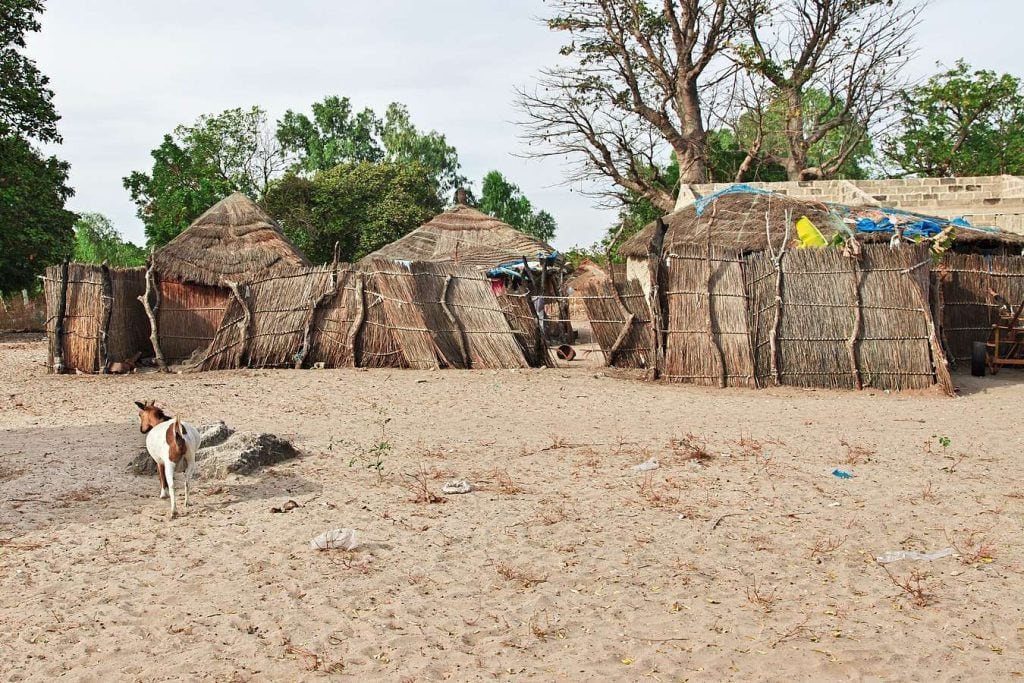
- The market, workshop and village day: in Dakar, Mbour or at Lac Rose, a guide takes you to the market, you cook a Senegalese dish, then you walk through a village neighbourhood or down to the fishermen. It is the most complete format for understanding where your food comes from.
- The cooking day in Saint-Louis: a Senegalese cooking workshop in the birthplace of thiéboudieune, alongside local cooks and chefs.
- Pastry and bread-making: in Saint-Louis (6 hours) and in Dakar (full day), for those who prefer dough to fish.
Where to take a cooking class in Senegal
- Dakar: the widest choice of formats, in the Plateau, the Médina and Yoff. Before your class, take a tour of Dakar’s iconic markets: you will then recognise every ingredient.
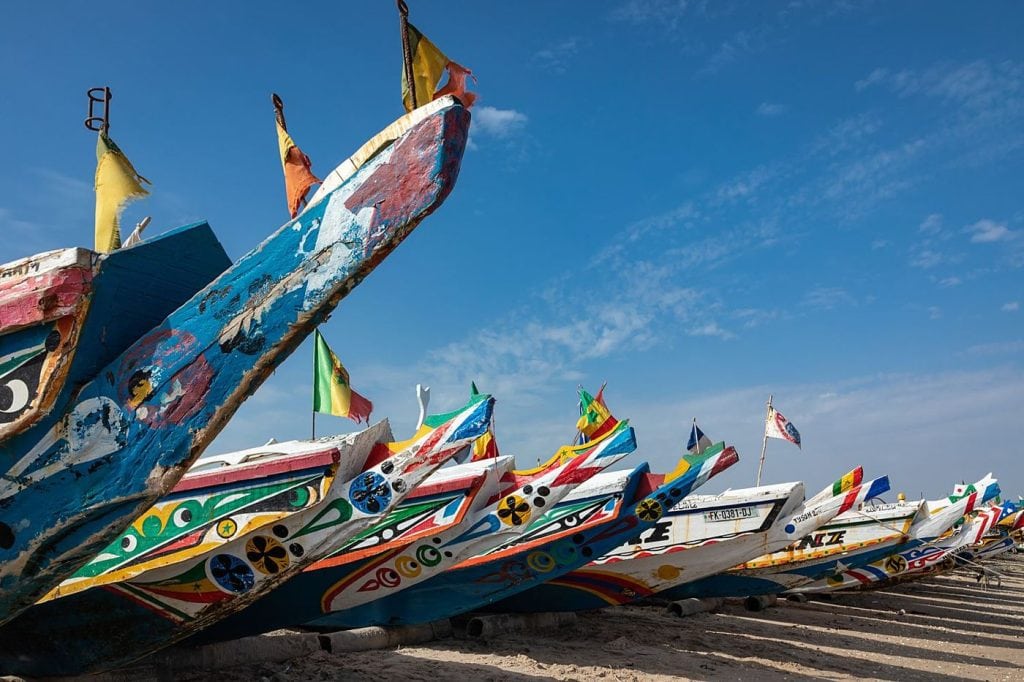
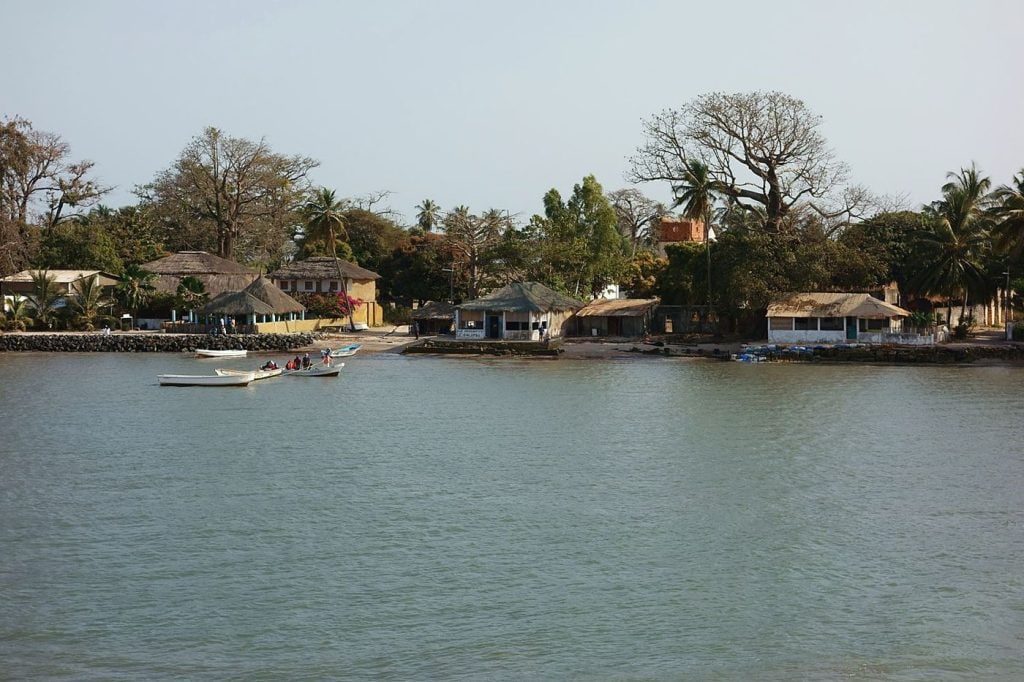
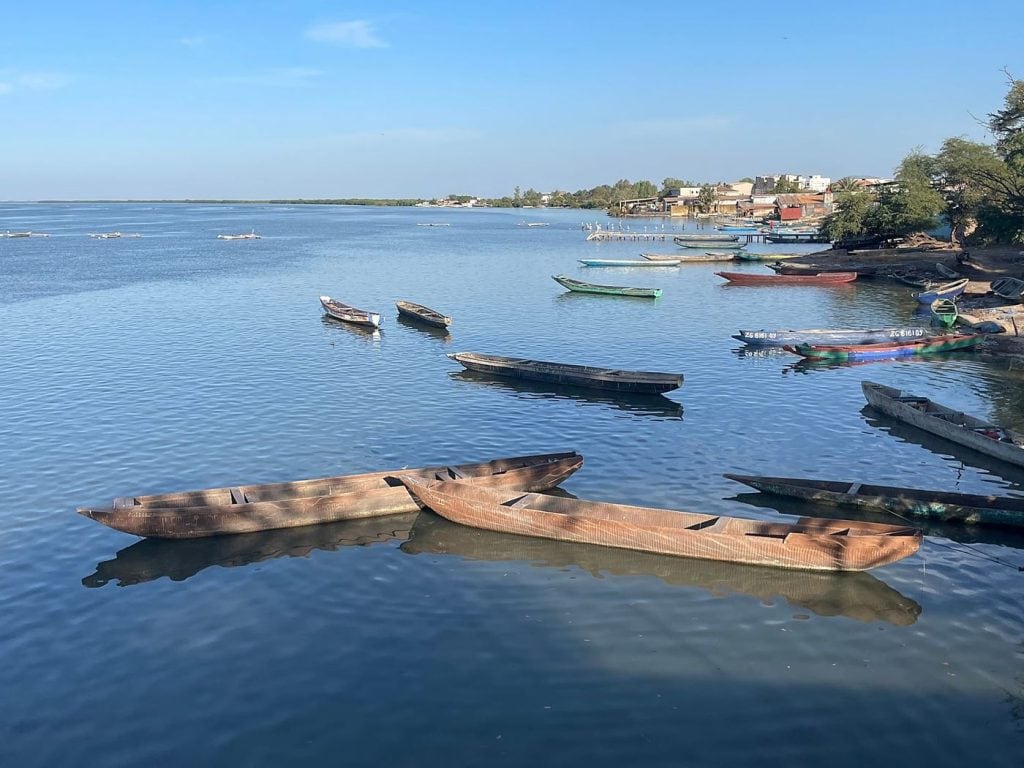
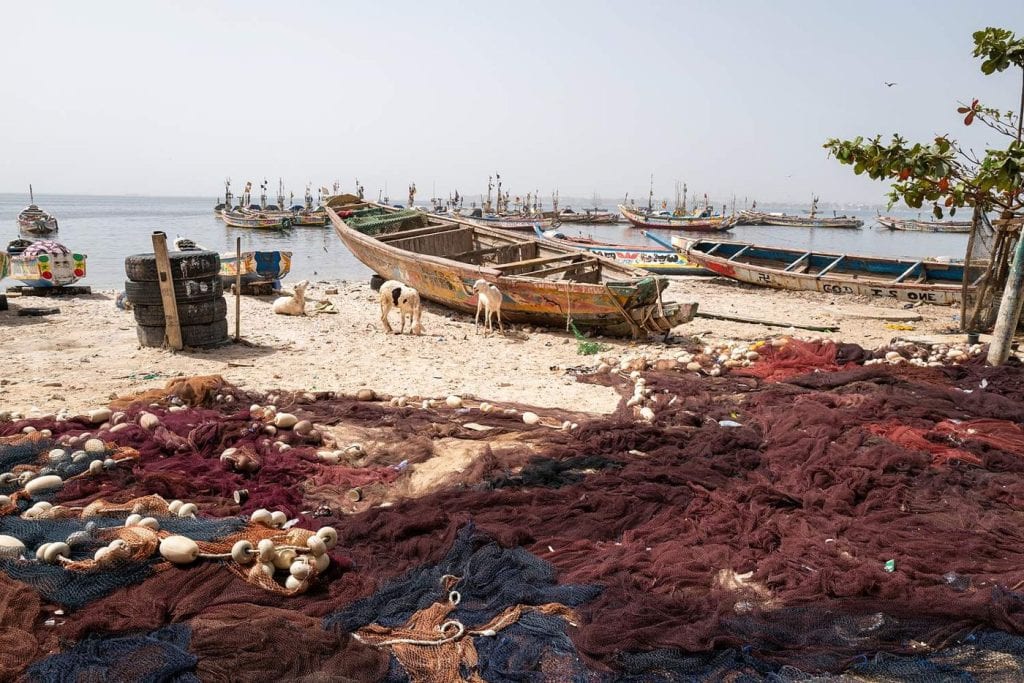
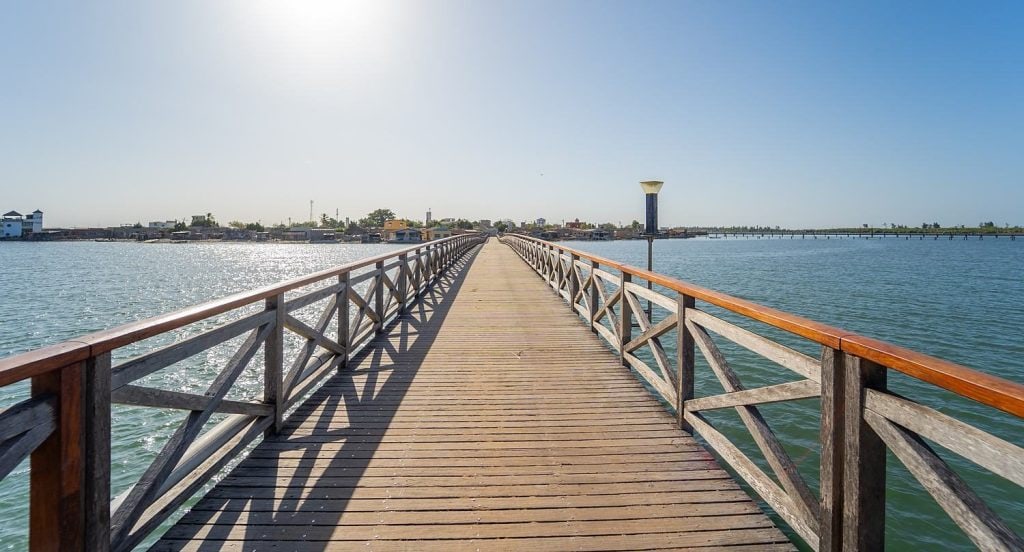
- Saint-Louis: cooking thiéboudieune where tradition says it was born. Combine the workshop with a walk through Guet Ndar, when the pirogues come in.
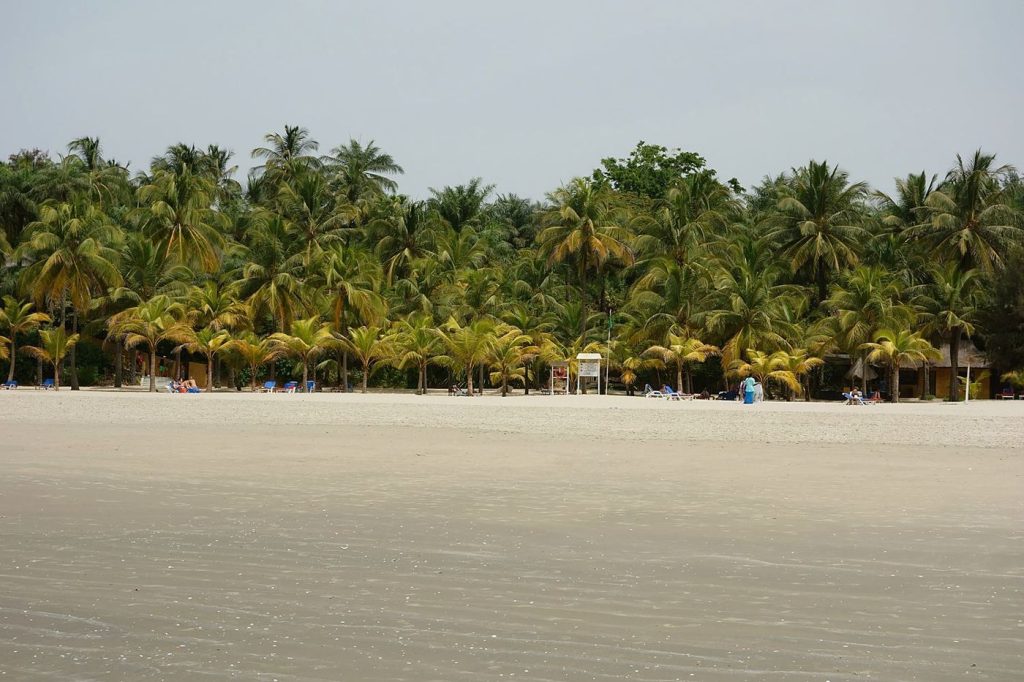
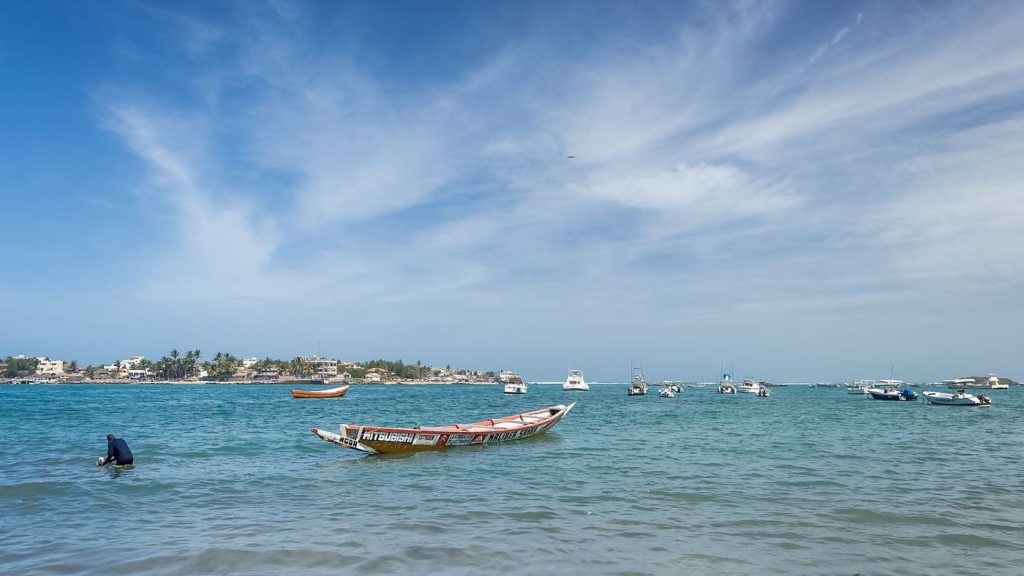
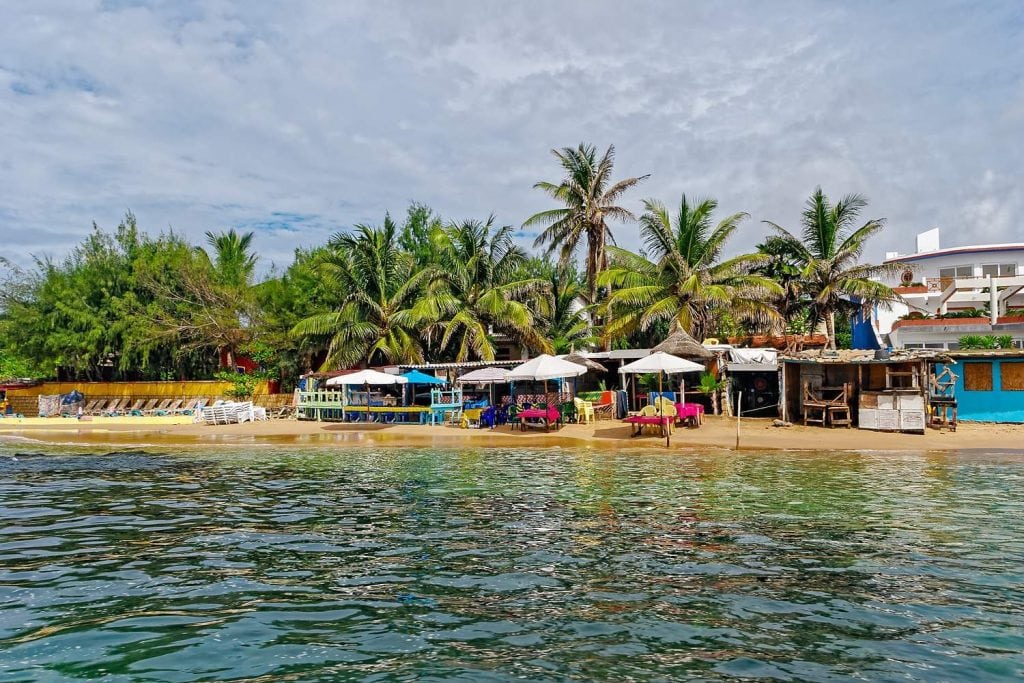
- The Petite Côte: Mbour, a fishing town where you start from the morning market, Saly and the Somone, near the lagoon. A workshop fits easily between two beach days.
- Lac Rose: a day combining a local market, cooking and a walk in a village by the lake, on Dakar’s doorstep.
- Casamance: the home of yassa, with no class in the catalogue for now. You can taste the dish locally, in Ziguinchor and in the villages alike.
When to take a class
Cooking goes on all year round, and workshops take place under cover. Comfort, though, changes with the seasons. From November to May, the dry season makes mornings at the market pleasant and the heat of the stoves bearable. The rainy season (hivernage), July to October, is hotter and more humid: choose a workshop that starts early, and save the market day for a morning without rain. The day of the week matters too: on Fridays, markets slow down around the main midday prayer. During Ramadan, family life follows the rhythm of breaking the fast; it is the best time to learn how to make bissap, and a good time to understand what sharing a meal really means.
Good to know & budget
Come on a light stomach: the meal that ends the workshop is a proper one. Wear clothes that can cope with oil and tomato, tie back long hair, and bring something to note down quantities, because cooking here is done by eye. Mention any allergies when you book: fish, peanuts and seafood feature in almost every dish. For the market day, take a hat and water, and always ask before photographing a vendor. At the table, eat with your right hand and stay on the section of the bowl in front of you.
On Que Faire Sénégal, the price shown on the activity is the price of the service. It varies with the duration and the format, and is per person. You pay 20% to secure your booking (the booking fee). The balance is paid on site, on the day of the class. If you live in Senegal, you get the resident rate: up to 30% off (the exact rate is shown on each listing). For a cooking class, there are no additional official fees.
Who is it for?
Visitors will find the most direct way into the country: in a single morning, you go from the market to the kitchen and to a family’s table, and you head home with a recipe you can make again yourself. Book the class early in your stay, and you will see everything you eat for the rest of the trip with new eyes. Residents eat thiéboudieune every week without necessarily knowing how to make it: the workshop finally teaches them the rof, how much yeet to add and when the rice goes in, and the resident rate makes the short format easy to fit into a Saturday. Families enjoy it too, with everyone given a task, from peeling to pounding. Groups of friends or colleagues discover that an eight-handed thiéboudieune requires some teamwork.
In Senegalese families, nobody learns to make thiéboudieune in a day. The nomination file submitted to UNESCO describes a long apprenticeship, from mother to daughter or from guardian to ward. You start with the side tasks, washing the rice, peeling the vegetables, pounding the rof, and you only touch the pot at the very end. During your workshop, when the cook hands you the onion rather than the fish, she is not underestimating you: she is having you start where everyone started.
Frequently asked questions
Do I need to know how to cook to sign up?
No. The workshops welcome beginners, and everything is learned by doing, step by step. Ingredients, apron and meal are included.
Is thiéboudieune really on the UNESCO list?
Yes. Ceebu jën, the culinary art of Senegal, has been inscribed since December 2021 on the Representative List of the Intangible Cultural Heritage of Humanity. The inscription covers the recipe, the know-how and the customs of the shared meal.
Who invented thiéboudieune?
Saint-Louis oral tradition credits it to Penda Mbaye, a cook from the Guet Ndar fishing district. It is a story passed down from generation to generation; sources disagree on when she lived.
Which dishes will I learn?
Thiéboudieune and mafé in most workshops; a Senegalese dish, after the market visit, in the full-day formats; pastry and bread-making in Saint-Louis and Dakar. Each listing gives the menu.
Does the class include the market?
Yes for the market, workshop and village days in Dakar, Mbour and at Lac Rose, with a guide. The short workshops start straight in the kitchen.
How do I book and how much should I budget?
The price is shown on each activity, per person, and depends on the format and duration. You pay 20% to secure your booking (the booking fee), and the balance is paid on site, on the day of the class. Residents get the resident rate: up to 30% off, and there are no additional official fees.