Senegal & surfing: a peninsula that catches everything
Look at a map. The Cap-Vert peninsula, on which Dakar is built, looks like an elbow planted in the ocean. It is what makes the country a surf destination like no other. Exposed to both hemispheres, it receives north and north-west swells in winter, generated by North Atlantic low-pressure systems, and smaller swells from the south in summer. When one face is too messy, the other is often clean: in Dakar, you change spots the way you cross the street. Few capitals offer that on the doorstep of the city centre.
This geography has a date of entry into global surf culture. In the mid-1960s, Californian film-maker Bruce Brown took two surfers, Robert August and Mike Hynson, around the world in pursuit of summer. The film, The Endless Summer, came out in 1966. Among its African stops, alongside Ghana, Nigeria and South Africa, was Senegal, and a wave: the right-hander peeling below Ngor Island. Sixty years on, it remains the country’s best-known wave, and the reason so many travellers check in a board bag at Dakar airport.
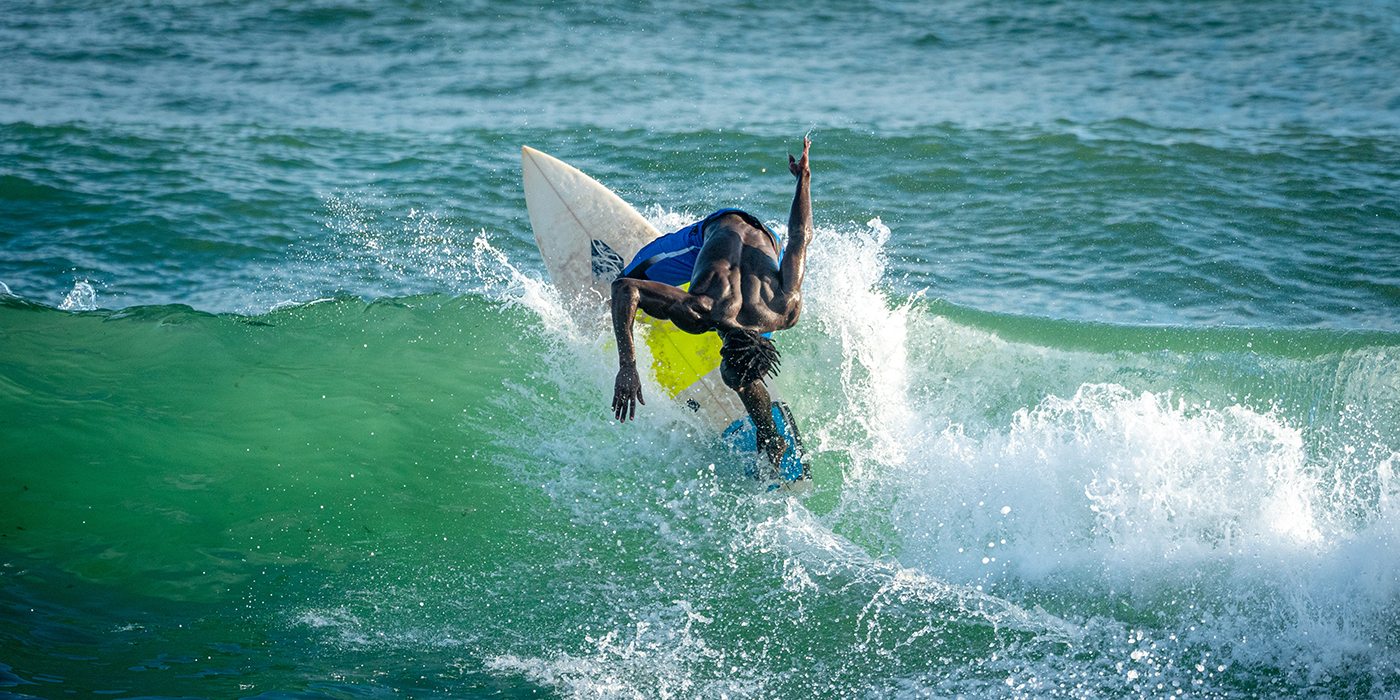
Senegalese surfing, though, has not stayed a postcard for foreigners. The kids of Ngor, Yoff and Ouakam grew up with a board, and the country has its own federation and its own male and female competitors. And 2026 brings a first-ever event.
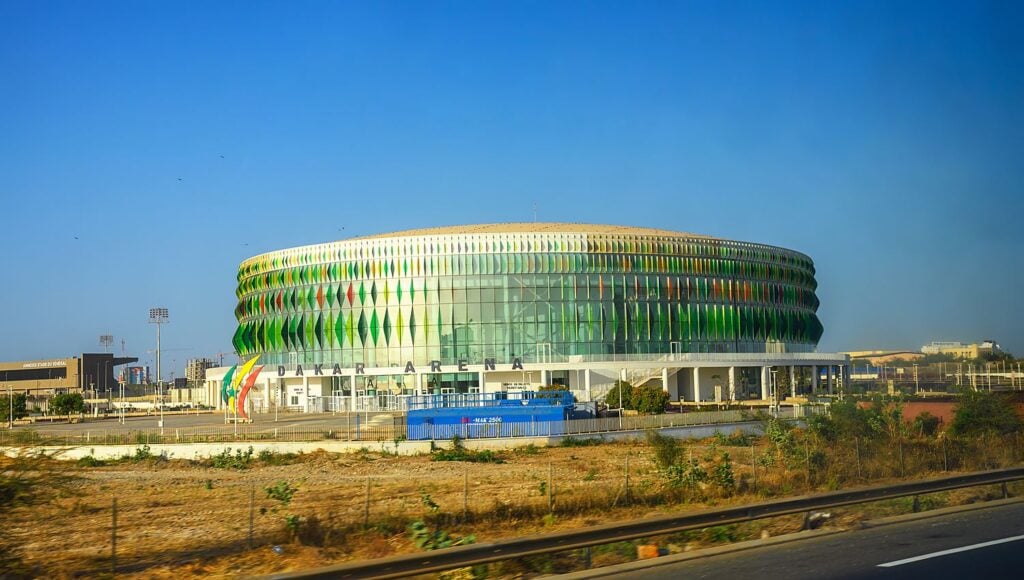
Surfing at the Dakar 2026 Youth Olympic Games (YOG): a status of its own. From 31 October to 13 November 2026, Dakar hosts the Youth Olympic Games, the first ever held in Africa. Surfing, an Olympic sport for adults since Tokyo 2020 and Paris 2024, is not among the 25 competition sports: it is one of the ten engagement sports, which the Senegalese press also calls the mobilisation programme (programme de mobilisation), alongside canoe-kayak, climbing, golf and tennis. In practice, there will be no surfing event and no medal, but taster areas and activities to introduce young people to the sport. If you are in Dakar during the Games, it is the right moment to take the plunge yourself.
Formats: from the first lesson to board hire
- Group lesson: the way in. A supervised session, in a small group, on a sandy beach: safety, position on the board, paddling, first waves in the white water. No experience needed.
- Private lesson: the instructor all to yourself. More expensive, but you progress faster, and it is the right format for a shy child or for getting back on a board after years away.
- Board hire: for independent surfers, by the hour or by the half-day. The price is per board and for a set period, not per person.
- Equipment hire: board and wetsuit, handy in winter when the water cools, if you are travelling light.
- Skimboarding: a thin board with no fin, which you throw down at the water’s edge to glide over the last of the wave. A fun taster, offered at the Somone, that teenagers love.
To really make progress, book several lessons over a few days: your body remembers the movement better when it repeats it the next day.
Where to surf in Senegal
Most of the action is around Dakar, with a calmer alternative on the Petite Côte.
- Yoff: a long sandy beach on the north coast, with soft, regular waves. The ideal setting for a first lesson.
- Ngor: the island’s right and left, breaking over reef. A legendary wave for intermediate and advanced surfers, rarely for a beginner. You reach the island in a few minutes by pirogue from Ngor beach.
- The Almadies: several peaks close together on the western tip, so you can choose your wave according to the day. Several equipment hire outlets operate from here.
- Ouakam: the powerful, hollow wave that breaks over the reef in front of the Mosque of the Divinity. For experienced surfers only. It does not work every day, but when it does, you remember it.
- The Somone and Ngaparou: on the Petite Côte, south of Dakar, a calmer sea and smaller waves. Group and private lessons, board hire, skimboarding: a gentle option for a family on a beach holiday.
A habit to adopt at every reef spot: sea urchins live on the rocks. Get in and out of the water where you are told to, and wear reef shoes if you are not used to it.
When to surf
The main season runs from October to April, peaking from November to March. This is the time of the north and north-west swells: they arrive regularly, often well lined up, and wake up the reefs at Ngor and Ouakam. For an experienced surfer, this is the time to come. For a beginner, it is a good period too, as long as you stay on sandy beaches such as Yoff, where the energy of the swell dissipates.
From June to September, summer brings smaller swells from the south. The reefs sleep more often, but the beach breaks remain surfable, and it is a comfortable season for learning.
As for temperature, the water hovers around 20 °C at its coolest (February–March) and 28 °C at its warmest (September–October). The season with the best waves is therefore the one with the coolest water: a shorty is enough at the start of the season, and a thin full wetsuit (3/2 mm) becomes welcome in midwinter. The rest of the year, a rash vest mainly protects you from the sun.
Good to know & budget
Safety. On the peninsula, some beaches are closed to swimming because of currents, under an order issued by the Ministry of the Interior in 2022; signs are posted on site. Respect these bans, and never go surfing alone while you are still a beginner. Listen to the instructor on where to position yourself: they know the day’s currents, you do not.
What to bring. Water-resistant sun cream, a rash vest, drinking water, a towel and dry clothes. The board is provided during lessons; for the wetsuit, check what the listing says.
How to read the price. The price shown is the price of the service. Lessons are paid per person; hire is paid per board or per set of equipment, for a given period. You pay 20% to secure your booking (the booking fee), and the balance is paid on site, on the day of the activity. If you live in Senegal, you get the resident rate: up to 30% off (the exact rate is shown on each listing). No additional official fees: you surf from public beaches, with no entry charge.
Who is it for?
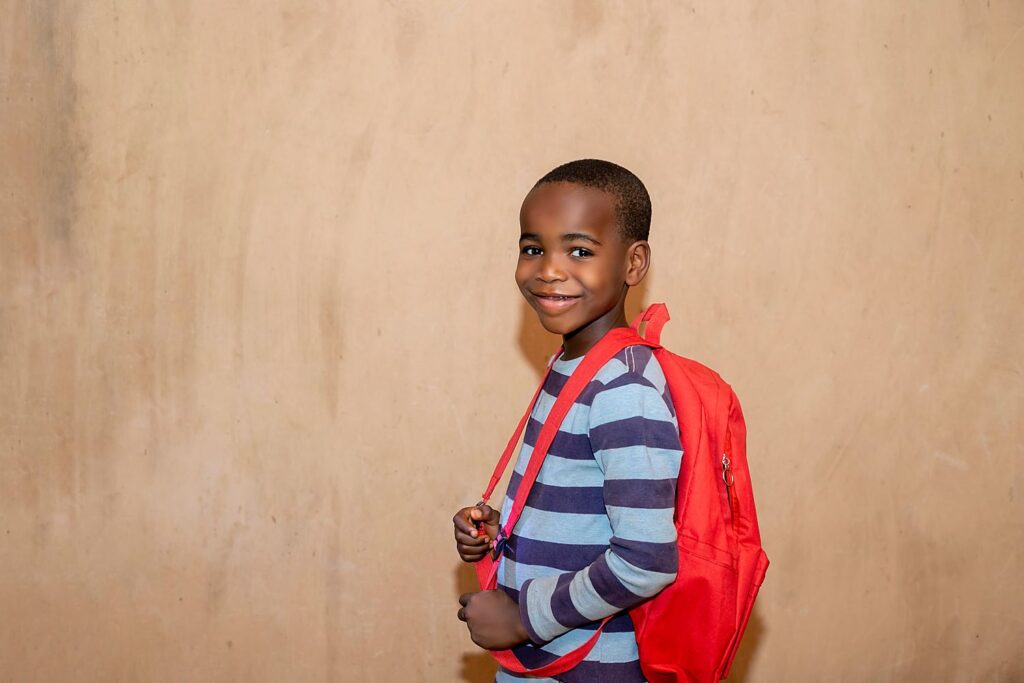
Anyone who can swim can take up surfing at any age. Children and teenagers progress quickly in the white water at Yoff or the Somone, and skimboarding has them hooked from the first few minutes. Adult beginners are wise to take two or three lessons before hiring anything. Experienced surfers come for the winter reefs, with Ngor and Ouakam leading the way.
If you are a resident, surfing is the ultimate on-your-doorstep sport: an early-morning lesson at Yoff before work, board hire at the Almadies on a Saturday, at the resident rate, watching out for the good winter swells rather than putting up with them. If you are a visitor, book your first lesson at the very start of your stay: if the sea is too rough that day, you still have time to move it. And do not aim for Ngor in your first week: a legendary wave has to be earned.
In The Endless Summer, the Senegal scene comes down to almost nothing: two Californians paddling towards Ngor Island, a right-hander curling over the reef, and the promise, filmed at the far end of the continent, of a summer that never ends. Today the wave is the same, but the line-up has changed: it is often the neighbourhood kids, born a hundred metres from the reef, who catch it first.
Frequently asked questions
Do I need to know how to surf to book a lesson?
No. The group lesson is designed for people who have never surfed, on a sandy beach such as Yoff or the Somone. You only need to be able to swim.
What is the best season for surfing in Senegal?
October to April, peaking from November to March, when the north and north-west swells arrive from the North Atlantic. In summer, the waves are smaller and well suited to beginners.
Can I watch surfing events at the Dakar 2026 Youth Olympic Games?
No. Surfing is one of the engagement sports of the Youth Olympic Games (31 October–13 November 2026): no event and no medal, but taster areas and activities for young people.
What wetsuit should I bring?
The water ranges from about 20 °C (February–March) to 28 °C (September–October). A shorty at the start of the season, a thin 3/2 mm wetsuit in midwinter, a rash vest the rest of the year.
Is the price per person or per board?
Lessons are paid per person. Hire is paid per board or per set of equipment, for a period stated on the listing.
How do I book?
On the activity’s listing: 20% to secure your booking (the booking fee), and the balance is paid on site, on the day. Residents get the resident rate: up to 30% off (the exact rate is shown on each listing).