

Ndayane
Availability
Category
Duration
Where it happens
Who for
0 activities
Sorry, no activities match your search.
Close to Ndayane:
- Saly 27 activities
- Somone 18 activities
- Mbour 9 activities
- Ngaparou et Popenguine 7 activities
- Réserve Bandia 7 activities
- Joal 4 activities
You Might Be Interested In
Sea fishing from Saly: big-game fishing offshore or palangrotte line fishing by pirogue near the coast, half day or full...
Half-day – Full day

Starting at:
22 000 CFA20 900 CFA -5%
Resident :
African dance class in Saly, on the Petite Côte: ndiembe and sabar, 2 hours with a local teacher, adults and children a...
Saly 1 h to 2 h
Starting at:
11 000 CFA10 450 CFA -5%Resident :
A 2-hour theatre class in Saly, led by a teacher of body expression and live performance, one to one or in a small group.
2hStarting at:
16 500 CFA15 675 CFA -5%Resident :

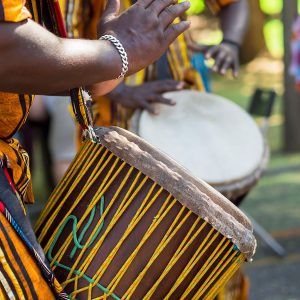

50 km south of Dakar, Ndayane — an emblematic Lébou village of the Petite Côte — blends preserved beaches with modern port ambitions, inviting visitors to immerse themselves in both tradition and transformation.
General overview of the town
Ndayane, part of the Popenguine-Ndayane commune in the Mbour department, is made up of neighborhoods such as Keuri Kaw, Thiothié, and Santhiaba. Located near Cape Naze after Toubab Dialaw, this semi-arid coastal village has shifted from an agricultural economy (millet, sorghum, peanuts) to one dominated by fishing due to drought.
Close to the future multifunctional port, it attracts visitors for its tranquility and tourism potential.
History of Ndayane
A unique Lébou village within its rural community, Ndayane was a major slave transit point near Gorée, marked by the resistance of Cheikh Oumar Foutiyou Tall and the memory of martyrs. Connected to the oral tale Xalé ba Démoon Guédjou, it developed through agriculture and later fishing, merging with Popenguine in 2008 under its first mayor, Mamadou Mansour Thiandoum.
Colonial and post-independence history intertwines here with the DP World port project — the first of its kind since 1960.
Iconic and attractive places
Cape Naze and beaches: Coastal cliffs, fine sand, ideal for swimming and marine observation.
Popenguine Nature Reserve: A protected area since 1986 featuring southern cliffs, managed by local women to combat deforestation.
Historic slave sites: Places of remembrance tied to Gorée and anti-slavery resistance.
Culture of Ndayane
A Lébou culture infused with oral storytelling such as the tale of Xalé ba Démoon, strong fishing traditions, and community-based environmental protection through the RFPPN (Women’s Group of Popenguine).
Warm Senegalese hospitality shines through local festivals and sustainable resource management, blending spirituality with ecology.
Neighborhoods like HLM Grande Mosquée highlight a vibrant, supportive Islamic community.
Anecdotes
Ndayane, the “living legend,” was the last transit point for resisting captives before Gorée, where Cheikh Oumar Foutiyou Tall led heroic resistance. The tale of Xalé ba Démoon Guédjou turns the village into a mythical cradle where fiction and history intertwine.
The nature reserve, restored by women against wood exploitation, stands as a community ecological triumph.
What to do in Ndayane
Explore slave-history sites and Cape Naze on coastal hikes; visit the reserve for botany and birdwatching; or go fishing in a traditional pirogue. Enjoy the beaches for relaxation, discover oral storytelling with locals, or witness the development of the new port for a modern perspective.
Combine with Popenguine for pilgrimage sites and the presidential retreat.
Practical information
Access in 1 hour from Dakar via the coastal road; dry season November–May recommended. Lodging options include simple huts or emerging villas; enjoy fresh local fish.
Guides recommended for sensitive sites; monitor port impacts on the lagoon and fishing areas.
FAQ
Where is Ndayane located?
50 km south of Dakar, in the Popenguine-Ndayane commune, Mbour.
Key history?
Slave transit, resistance, and Lébou oral traditions.
Main attractions?
The reserve, Cape Naze, and beaches.
Safety and access?
Peaceful; reachable by car or taxi, near Blaise Diagne Airport.
Port impacts?
Economic growth but ecological risks.
Sénégal travel news
Latest news
Discover the latest trends and tips for traveling in Senegal. From cultural tourism to outdoor activities, stay informed about events and news that will make your stay unforgettable.
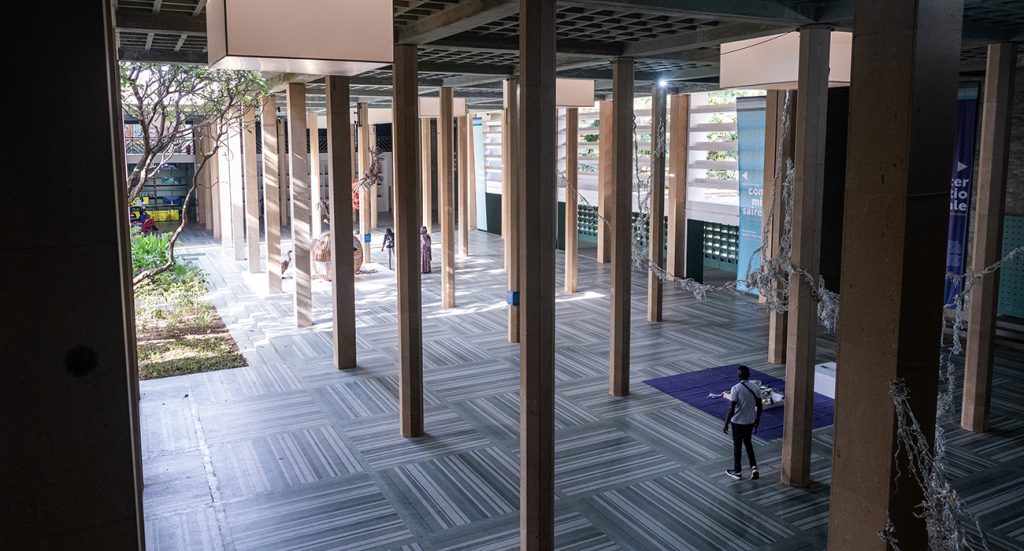
The Dakar Biennale (Dak’Art): Showcase of Contemporary African Art

The Saint-Louis International Jazz Festival: A Must-Attend Musical Event

The African Renaissance Monument: Pride and Symbol of Dakar
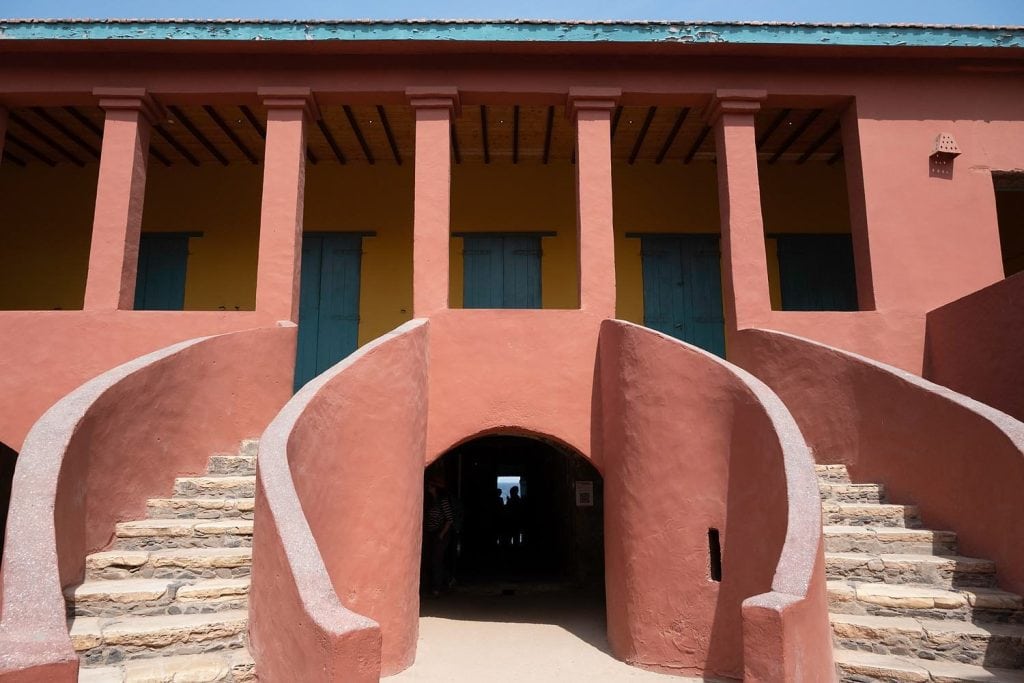
Gorée Island: Memory and World Heritage off the Coast of Dakar

Lake Rose (Lake Retba): a natural wonder at the gates of Dakar

The Sine-Saloum Delta: between mangroves, islands, and Serer traditions

The Madeleine Islands: National Park Off the Coast of Dakar

Fathala Reserve: a full-scale safari in Senegal

Bandia Park: safari in the heart of the Petite Côte

The Mosque of Divinity: Spirituality and Architecture Facing the Ocean
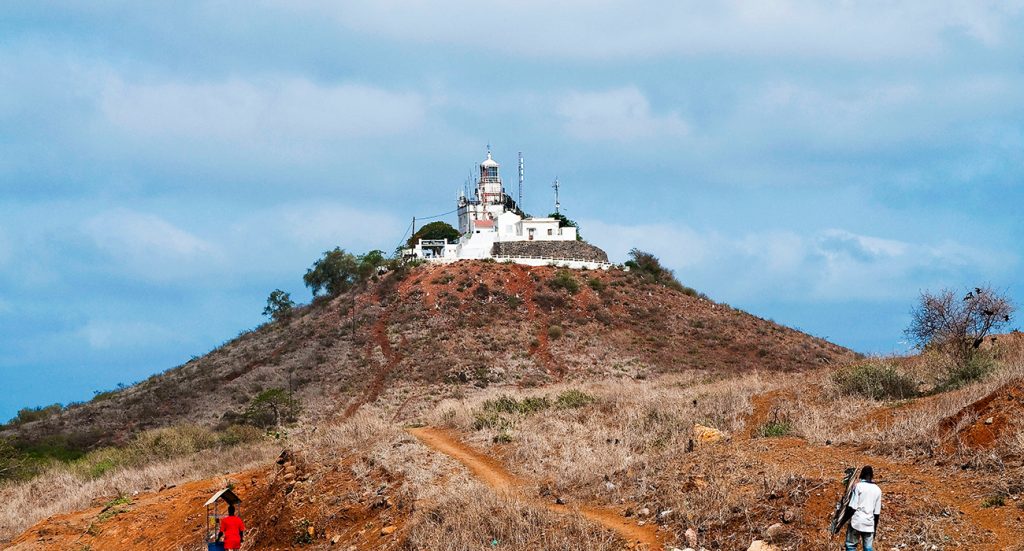
The Mamelles Lighthouse: Panorama and History of Dakar

Dakar’s Iconic Markets: Immersion into the Soul of the Capital

The House of Slaves on Gorée Island: A Universal Memory in Senegal
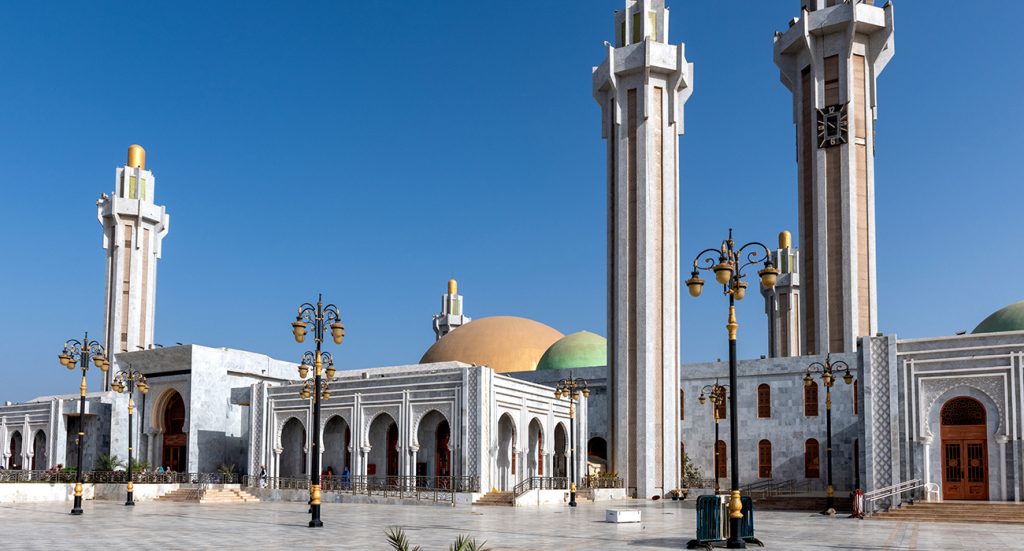
The Great Mosque of Dakar: Spirituality and Cultural Heritage

The Museum of Black Civilizations: Heritage and Modernity in Dakar

The Théodore Monod Museum of African Art: Heritage Treasure of Dakar
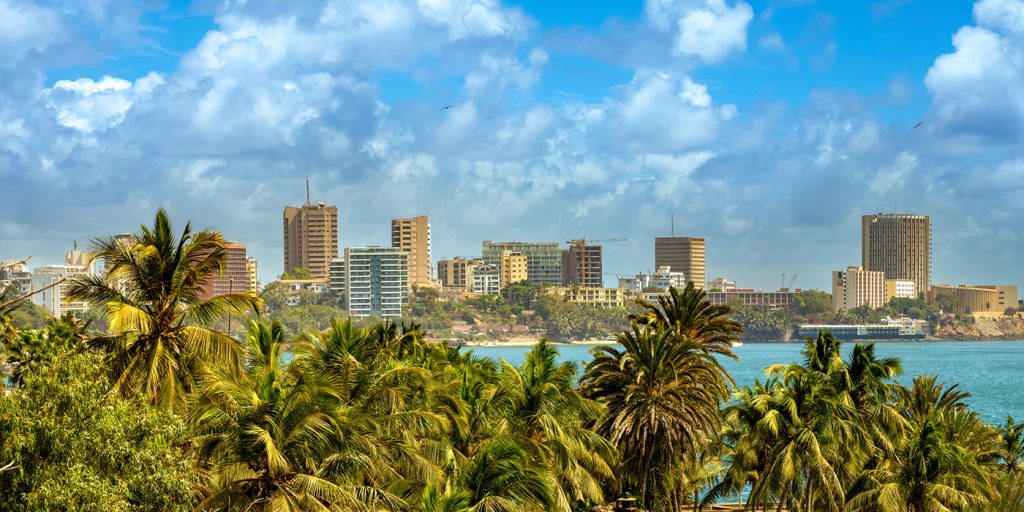
Ideal Itinerary : 3 Days in Dakar

The Dakar region, the beating heart of Senegal


