Senegal & learning: a country that passes things on by hand
In Senegal, many skills are not learned from books. Drumming is passed down among the géwël, the griots, often from parent to child: you listen, you imitate, you start again. The goldsmith trains an apprentice at his side, at the blowtorch, until the gold wire twists into filigree. In Édioungou, in Lower Casamance, potters hand down their technique from mother to daughter. On Dakar’s beaches, young wrestlers learn by watching their elders train on the sand. A workshop works in exactly the same way: a master, a gesture, lots of repetition.
Some of this knowledge has been recognised far beyond the country. In 2006, UNESCO proclaimed Doudou Ndiaye Rose, the sabar master who led orchestras of more than a hundred drums, a Living Human Treasure. In December 2021, ceebu jën, the national fish and rice dish, was inscribed on the Intangible Cultural Heritage of Humanity list. Cooking it means learning a way of welcoming people and sharing the dish.
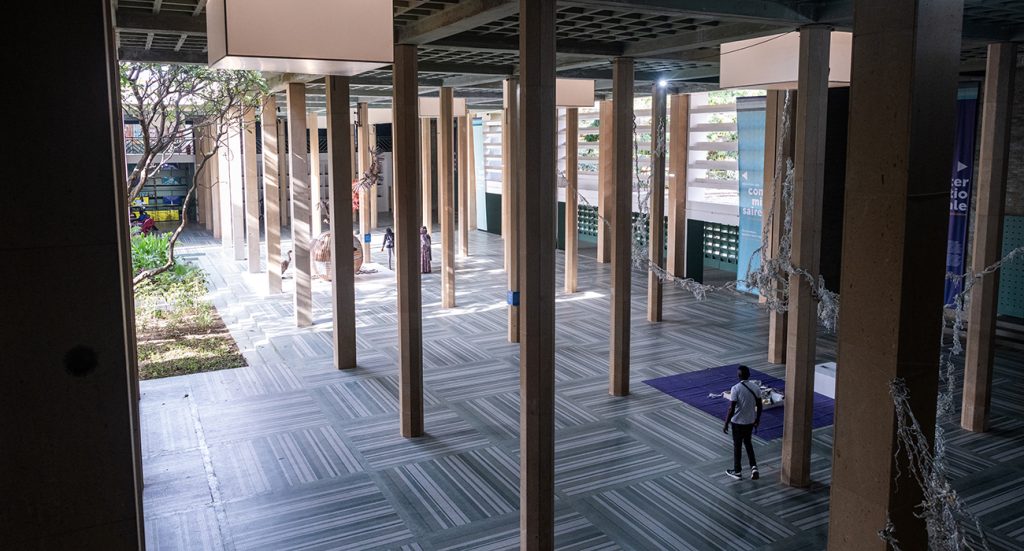
The newly independent state also wanted places to train its artists. On 4 December 1966, on the initiative of Léopold Sédar Senghor, a tapestry workshop was founded in Thiès, which became the Manufactures sénégalaises des arts décoratifs (Senegalese Decorative Arts Manufactures): weavers there work on large looms from cartoons designed by painters. They celebrate their 60th anniversary in December 2026. Dakar shares the same ambition with Dak’Art, the Dakar Biennale of Contemporary African Art, whose 16th edition runs from 19 November to 19 December 2026.
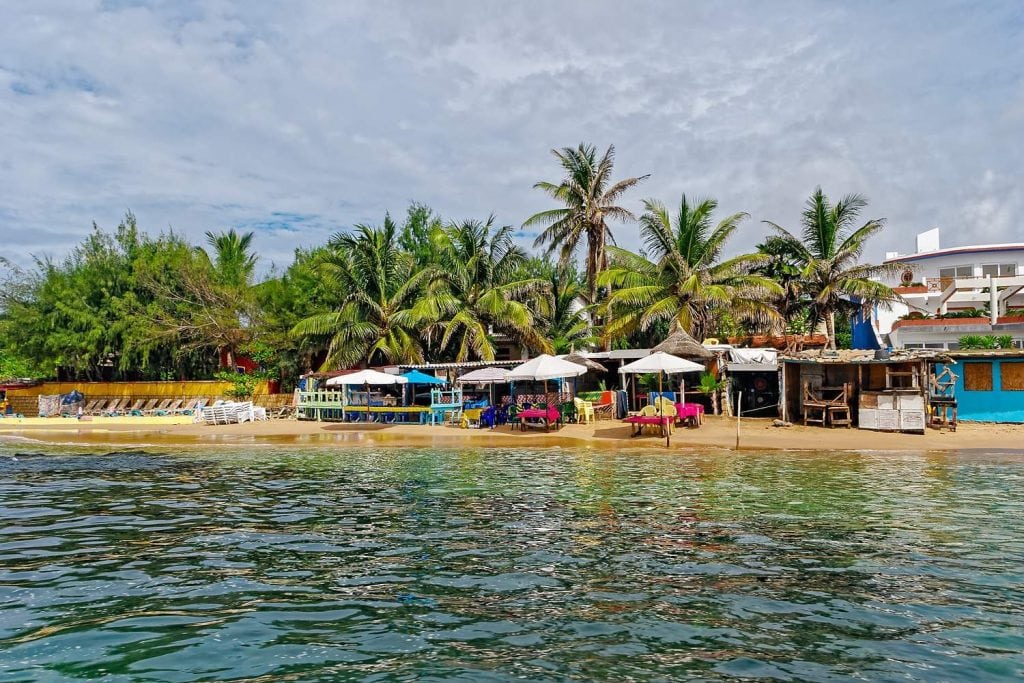
And 2026 adds an exceptional event: from 31 October to 13 November, Dakar, Diamniadio and Saly host the Dakar 2026 Youth Olympic Games (YOG), the first held in Africa. Beach wrestling is contested on the sand at Saly, and wushu, the competitive form of kung fu, joins the Olympic programme.
Formats: eleven ways to learn
Each discipline has its own detailed page. Here is how to tell them apart.
- Percussion workshops: the sabar, a Wolof drum played with one hand and a stick, and the djembe, which is easier to pick up. One-hour introduction, two-hour class, a format for 10–14-year-olds.
- Singing & music lessons: the voice first, in the griot tradition, then the strings of the kora or the xalam.
- African dance classes: sabar, traditional dances and current rhythms, sometimes to live drumming.
- Senegalese cooking classes: thiéboudieune and mafé, sometimes with a trip to the market, from an hour to a full day.
- Crafts & traditional skills: woodcarving, beadwork, crochet, upcycled objects, creative workshops for children.
- Dyeing, textiles & sewing: indigo dyeing and tie-dye, but also sewing classes and courses, from an introductory session to a programme lasting several months.
- Painting & visual arts: taster session, full-day workshop, lessons at home and reverse glass painting, known as souwère.
- Senegalese wrestling: half a day to discover the national sport, its holds and its atmosphere.
- Martial arts (Kung Fu, Qi Gong, Tai Chi): as a one-hour session or a pack of eight.
- Personal training & fitness: one-to-one or small-group sessions, beach volleyball, acrobatics, team sports.
- Swimming & water activities: learn to swim or improve your stroke, and aqua biking for a workout in the water.
The section also includes a few workshops that fit no particular box: a Wolof and African oral tradition class in Dakar, to get to grips with the language almost the whole country speaks day to day, an introduction to traditional games, a drama class in Saly or a kizomba class in Nguéniène.
Where to learn in Senegal
- Dakar: the widest choice, in almost every discipline. Cooking between the Plateau and the Médina, drumming and kora, painting, dyeing, sewing, martial arts, personal training on the Corniche Ouest, swimming in Ngor. Between two classes, the Soumbédioune craft village shows artisans at work.
- The Petite Côte: drumming in Saly, Ngaparou and Guéréo, dance and painting in Saly, dyeing in the Somone, swimming in Nguéniène, lamp-making in Mbour, sewing in Nguékhokh.
- Around Dakar: a cooking class combined with a visit to the market and the village at Lac Rose (Pink Lake), dance in Rufisque, a sewing course in Yeumbeul.
- Saint-Louis: the widest choice after Dakar, with cooking and pastry-making, traditional music, sewing, reverse glass painting and sculpture made from bicycle parts.
- Thiès: yoga and team sports, plus the Manufactures to understand tapestry.
- Casamance: traditional wrestling in Cap Skirring, in a region where wrestling is still a village affair, as at the Humabel, the festival of the king of Oussouye, where each village fields its wrestlers.
When to take a class
The vast majority of workshops run all year round, in the shade or indoors: cooking, painting, dyeing, sewing, singing. The dry season, from November to May, remains the most pleasant for anything that happens outdoors, on the beach or on the Corniche, and for travelling to Saint-Louis or Casamance. At the height of the rainy season (hivernage), the humid heat weighs on sport and dance: opt for late afternoon.
For physical activities, the time of day matters more than the season. Senegal runs on Greenwich Mean Time even though it lies far to the west: the sun rises late and mornings stay cool. So the whole of Dakar trains early in the morning or at the end of the day. Finally, autumn 2026 is special: the YOG (31 October–13 November) and then the Biennale (19 November–19 December) turn Dakar into a city in celebration for nearly two months. Book early.
Good to know & budget
No experience is required for an introductory session: drumming, dance and singing are learned by ear and by imitation, and the teacher adapts the pace. Dress for the discipline: sportswear and plenty of water for wrestling, personal training or dance, clothes you do not mind ruining for dyeing, painting and sculpture. Each activity’s listing tells you what is provided and whether you take your creation home the same day.
On Que Faire Sénégal, the price shown on each activity is the price of the service. It depends on the discipline, the duration and the number of participants. Most classes are charged per person, but not all: beach volleyball court hire is paid for the group, and some classes are booked for a group of fixed size. The listing explains the calculation. You pay 20% to secure your booking (the booking fee). The balance is paid on site, on the day of the class. If you live in Senegal, you get the resident rate: up to 30% off (the exact rate is shown on each listing). For a class or workshop, there are no additional official fees.
Who is it for?
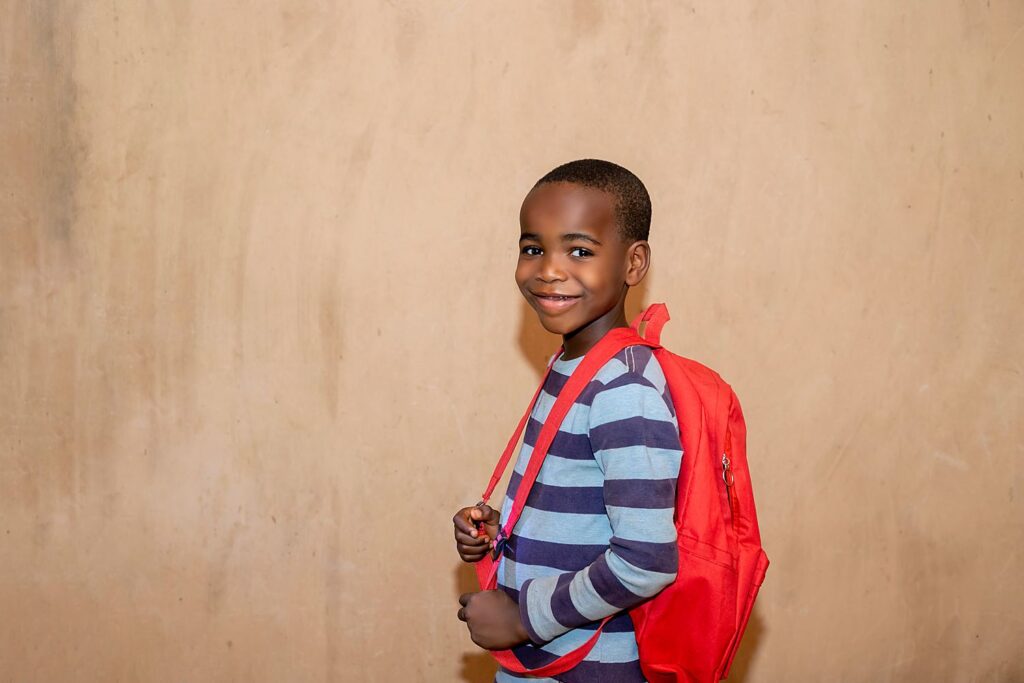
For families, who will find ways to keep children busy other than with a screen: djembe for 10–14-year-olds, beadwork, trades discovery workshops, acrobatics, swimming lessons. For the curious, who want to understand a culture through their body and their hands. For sports lovers, from wrestling to kung fu by way of personal training on the beach. And for groups: playing a rhythm in several parts or cooking for the whole table brings people together better than a restaurant.
Visitors would do well to fit a workshop in at the start of their stay. After an hour of sabar, you will never hear mbalax the same way again; after a cooking class, you will know what you are eating; after a morning of dyeing, you will look at the markets differently. Residents will be looking for regularity instead: a weekly class, a pack of sessions, a sewing course over several months, a few streets from home and at the resident rate. Or to finally learn the Wolof you hear everywhere.
In 1977, Léopold Sédar Senghor and the choreographer Maurice Béjart opened a dance school in Dakar with a name taken from Sanskrit, Mudra Afrique, and entrusted its direction to the dancer Germaine Acogny. Young dancers from several countries across the continent learned African dance and contemporary dance there together, to the sound of drums. The school closed in the early 1980s, but its former students went on to open companies and schools of their own, in Africa and elsewhere. That is the principle behind this whole section: a skill learned from someone always ends up being passed on to someone else.
Frequently asked questions
Do I need any experience to take a class or workshop?
No. Introductory sessions are designed for complete beginners: the teacher adapts the pace and intensity. Some disciplines then offer packs of sessions or longer courses to help you progress.
Which discipline should I choose for a first time?
Drumming and cooking speak most directly: an hour of djembe or a thiéboudieune workshop is enough to come away with something. For a souvenir to take home, choose dyeing, painting or crafts.
Are the workshops suitable for children?
Many are: drumming for 10–14-year-olds, beadwork, trades discovery workshops, acrobatics, swimming, painting. The minimum age is shown on each activity’s listing.
What is the difference between wrestling and martial arts?
Senegalese wrestling is the country’s traditional sport, with its stables, its rituals and its village bouts. The martial arts in this section are of Chinese origin: kung fu, tai chi and qi gong. Each has its own sub-category.
Is the price per person?
Usually, yes. A few activities are paid for a group, such as beach volleyball court hire or some group classes of fixed size: the listing explains how the price is calculated.
How do I book and how much should I budget?
The price is shown on each activity. You pay 20% to secure your booking (the booking fee), and the balance is paid on site, on the day of the class. You get the resident rate: up to 30% off (the exact rate is shown on each listing), and there are no additional official fees.