Senegal & transfers: a country measured in hours
The map of Senegal is deceptive. Distances look short, but journey times depend on three things the map does not show: the time of day, the state of the road and the rivers to cross. The first lesson comes as soon as you land. Since 7 December 2017, international flights no longer land at Yoff, on the edge of the city, but at Blaise Diagne International Airport (AIBD), at Diass, about fifty kilometres from central Dakar. The airport has moved away from the capital and closer to the Petite Côte: Saly is less than an hour away, Dakar 45 minutes on a clear motorway, much longer at rush hour.
The network has changed a great deal in ten years. A toll motorway links Dakar to Diamniadio, the airport and the Petite Côte; another branch climbs towards Thiès, and the Ila Touba motorway, open since late 2018, leads to the holy city of the Mourides. Rail has followed: the TER (Regional Express Train) has linked Dakar to Diamniadio since late 2021 and, since Monday 28 September 2026, it has served the airport. Real progress for light travellers landing in daylight, but the train does not run in the middle of the night, stops at the station rather than at your door, and goes neither to Saly, nor to Touba, nor to Saint-Louis.
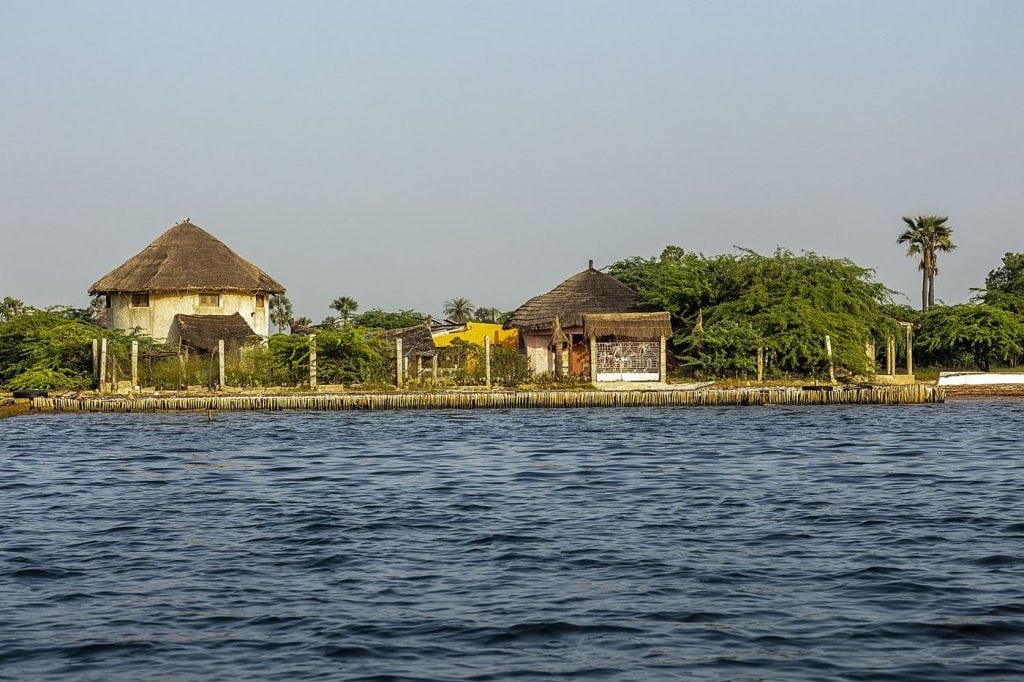
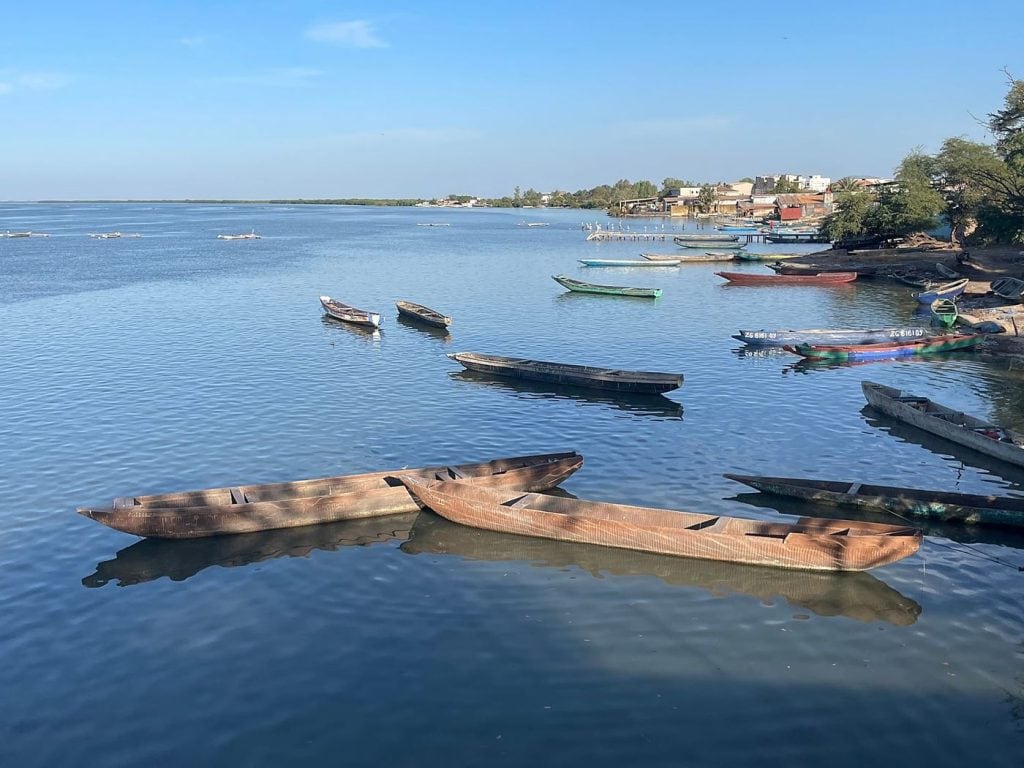
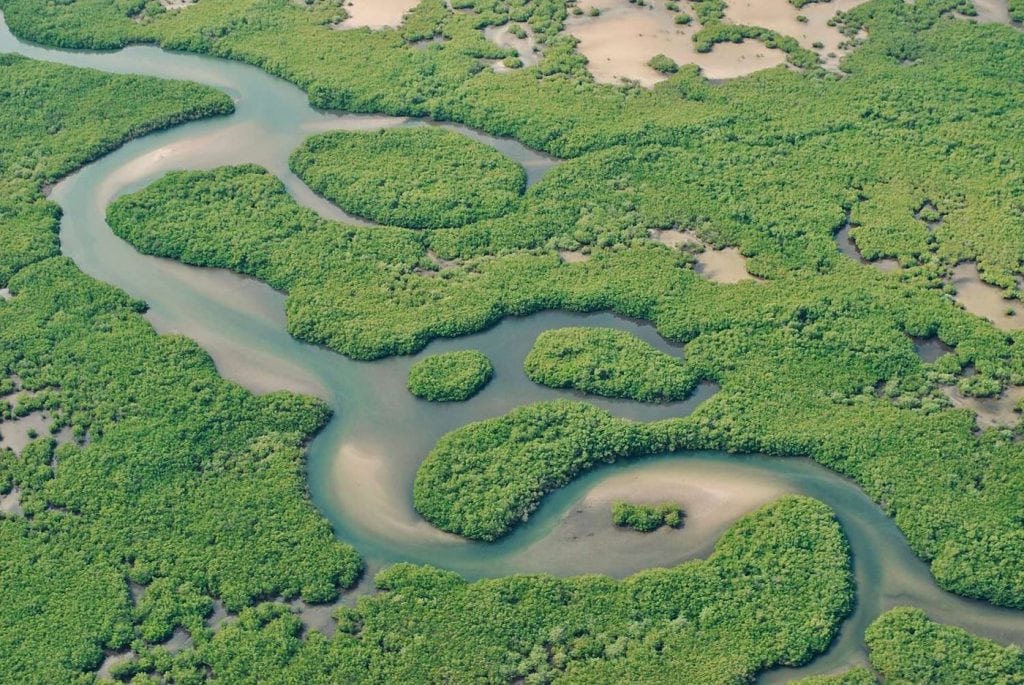
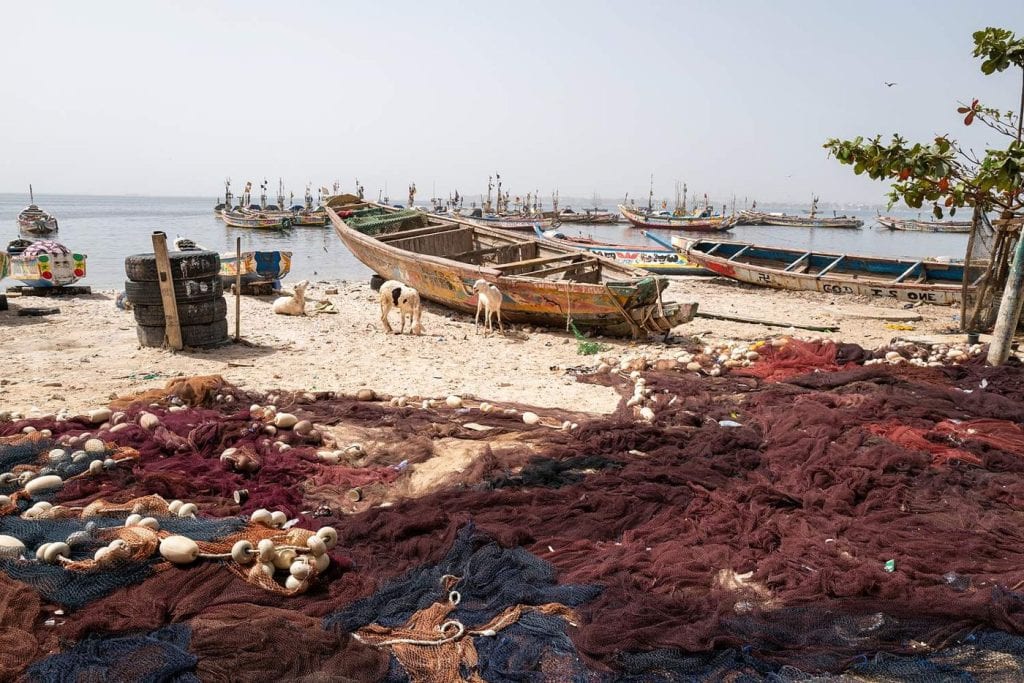
To the north, the road to Saint-Louis is still the main highway, via Thiès and Louga: the motorway meant to run alongside it is still under construction. To the south, Casamance can be reached by road through the Gambia, by air, or by the public-service boat that leaves Dakar in the evening and reaches Ziguinchor the next morning. And along the coast, whole islands of the Sine-Saloum or Lower Casamance can only be reached by pirogue.
Most Senegalese people travel by shared transport, from bus and taxi stations such as Baux Maraîchers, in Pikine: a sept-places (shared taxis) leaves when it is full. Cheap, but hardly suited to children, four suitcases or a flight to catch: that is where the private transfer comes in.
Formats: six ways to get around
- Airport / Dakar: the most requested journey. From AIBD to Dakar, to Saly, the Somone, Ngaparou or Popenguine, and all the way to Saint-Louis. The driver tracks your flight and waits for you at the exit, day or night.
- Airport / Saint-Louis: to start your trip in the north. Almost everyone lands at AIBD: the transfer heads straight for the river road, without crossing Dakar.
- Airport / Cap Skirring – Ziguinchor: the last leg in Casamance, between the airport and your beach hotel or campement (village guesthouse), where choosing the right bank matters as much as choosing the right flight.
- Intercity transfers: a private journey from one town to another, from your address. From Dakar to Saly, Mbour, Joal or Touba, from Saint-Louis to Dakar, the Petite Côte, Lac Rose (Pink Lake) or Lompoul, by car, luxury sedan, van or fifteen-seat minibus.
- Vehicle hire with driver: you keep the vehicle and its driver for two hours, five hours or a day, from Dakar, for meetings, a city tour, a wedding or an outing to Lac Rose.
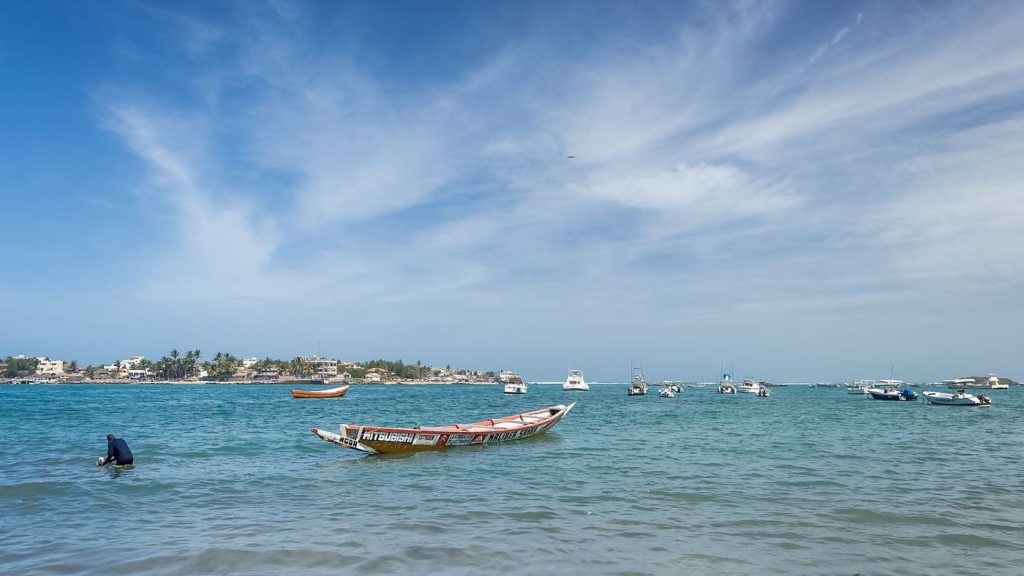
- Taxi-boat / sea transfers: the private pirogue to an island or a campement. It does not yet offer any bookable journeys, but already explains what you book ahead and what you buy at the ticket office.
The rule for choosing: a transfer is a journey fixed in advance, from point A to point B; hire with driver gives you the driver for a set time, and the route is decided as the day goes on.
Where: the main routes and their journey times
- AIBD → Dakar: from 45 minutes to over an hour by motorway, depending on traffic. The Plateau is the quickest to reach; the Almadies and Ngor mean crossing the city.
- Airport → Saly, the Somone and the Petite Côte: less than an hour, without going through Dakar. The shortest airport transfer in the country.
- Dakar → Saly and Mbour: 1¼ to 2 hours; a little more for Joal, at the end of the coast.
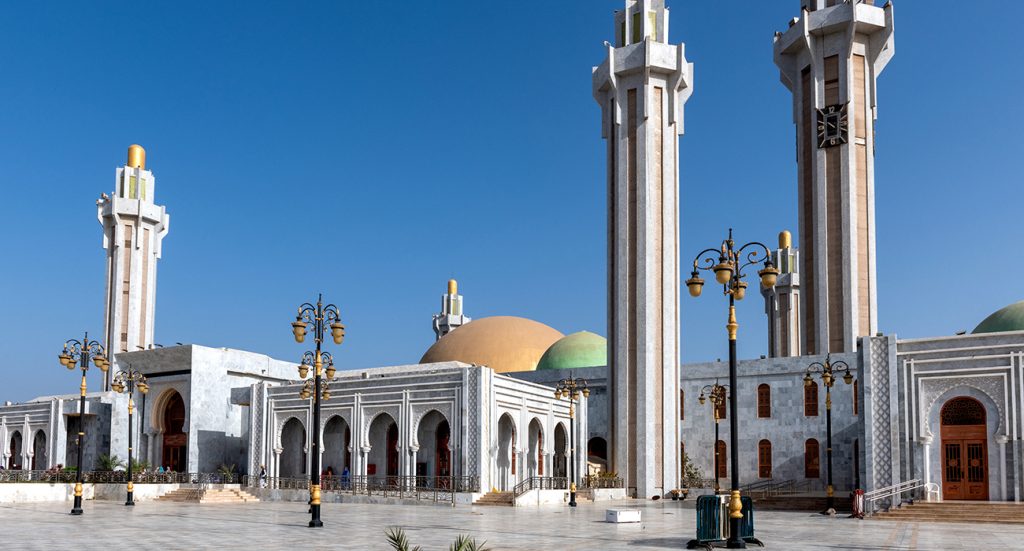
- Dakar → Touba: three to three and a half hours outside the pilgrimage period, via Thiès and the Ila Touba motorway, to the Great Mosque.
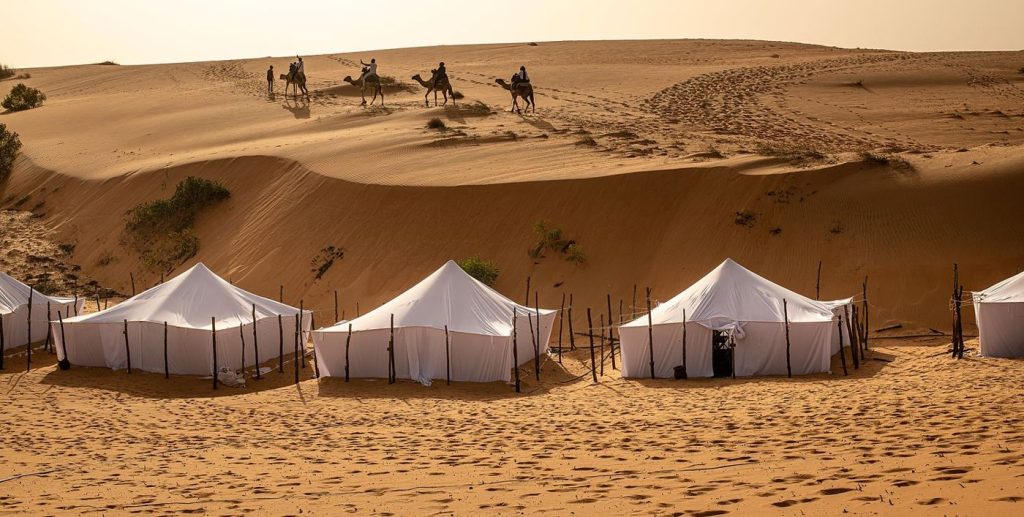
- Dakar or the airport → Saint-Louis: 4 to 5 hours via Thiès and Louga. From Saint-Louis, Lompoul is one and a half to two hours away, including the final dirt track.
- Casamance: between Ziguinchor and Cap Skirring, about 70 km of road via Oussouye; Kafountine is reached along the north bank, after the Ziguinchor bridge.
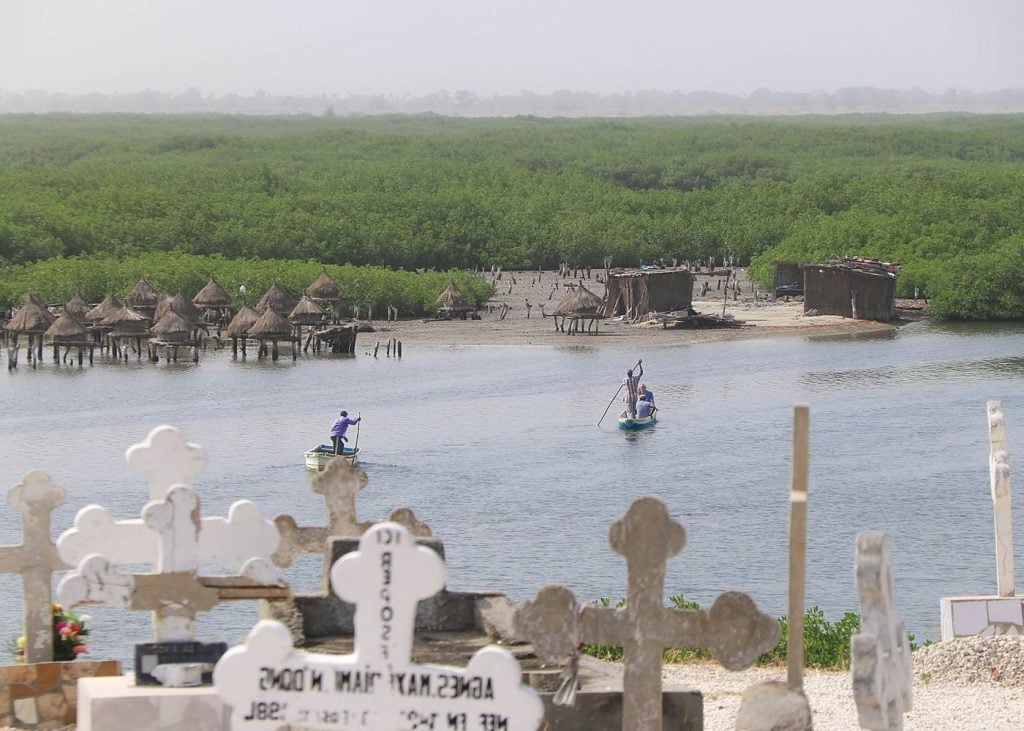
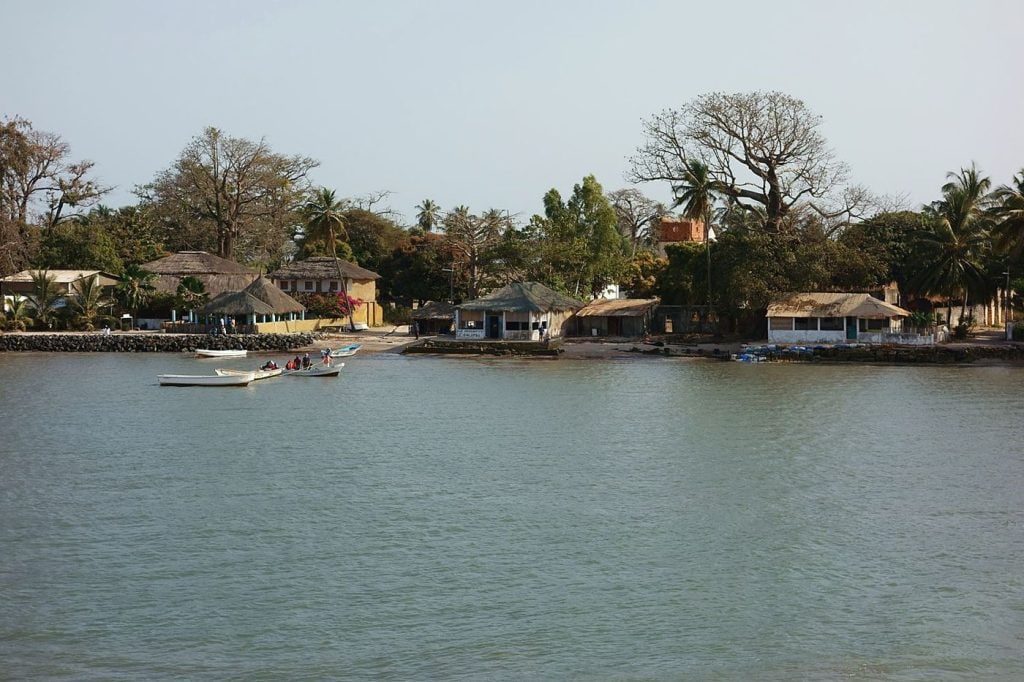
- The islands: the ferry to Gorée and the Ngor pirogue are taken on the spot; for Mar Lodj, the Saloum islands or Carabane, the road stops at a landing stage.
When to book your transfer
The time of day matters more than the season. Many flights from Europe land in the evening or at night: that is when the train has stopped running, and haggling over a fare with your suitcases is no way to start a stay. Book that arrival transfer before you leave, giving your flight number. For a departure, beware of the end of the day: traffic leaving Dakar jams up, and a wide margin is better than a missed flight. On long distances, leave in the morning so you arrive in daylight.
The dry season, November–May, brings the most visitors: book a few days ahead, more for a minibus or a top-of-the-range vehicle. During the rainy season (hivernage), storms slow the traffic and the final dirt tracks. Two festivals change everything on the road: Tabaski, when Dakar empties towards the regions, and the Grand Magal of Touba, which saturates the roads to the holy city. Their dates follow the lunar calendar: check them before fixing a journey. Finally, from 31 October to 13 November 2026, the Dakar 2026 Youth Olympic Games (YOG) are being held across Dakar, Diamniadio and Saly, right on the airport road: leave yourself some margin.
Good to know & budget
The price of each journey is shown on its listing and is per vehicle, not per person: four in a car or fifteen in a minibus share the cost, which makes a transfer good value for a family or a group. It depends on the destination, the vehicle and, depending on the listing, on one way or return, or on how long you keep the driver. You pay 20% to secure your booking (the booking fee), and the balance is paid on site, on the day, to the driver. If you live in Senegal, you get the resident rate: up to 30% off (the exact rate is shown on each listing).
No entry charge or tax applies to the journey itself. Only the motorway toll, towards the airport, the Petite Côte or Touba, deserves your attention: depending on the listing, it is either included or payable on site and not included in the price, and each listing says which. Public services, the Gorée ferry, the Dakar–Ziguinchor boat or the TER, cannot be booked here: their tickets are sold at the ticket office or the station.
When you book, give the exact pick-up and drop-off addresses, the flight number, the number of passengers and pieces of luggage, and the children’s ages if a suitable seat is needed.
Who is it for?
Visitors gain hours and peace of mind, above all. No haggling at the airport exit, no detour through Dakar when you are expected in Saly or Saint-Louis, no station to find: a one-week tour without losing two days. Families, groups loaded with surf gear, solo travellers arriving at night: this is who the format is for.
Residents know the road, and will happily take the TER in daylight with a cabin bag. A transfer is still well worth it to collect parents from the airport, accompany relatives to Touba, come back from Saly without driving on a Sunday evening or take wedding guests where they need to go, with the resident rate as a bonus.
For decades, reaching Casamance by road meant stopping on the bank of the Gambia River, at Farafenni, and waiting for the ferry. Hours, sometimes a whole day, and much longer for lorries when the boat broke down. In January 2019, the Senegambia Bridge was opened between Farafenni and Soma, and the wait disappeared. The journey south is still long, but you now know what time you will arrive: that is exactly what a well-prepared transfer aims to give you, everywhere else in the country.
Frequently asked questions
Is the price of a transfer per person?
No, it is per vehicle and shown on each listing. You pay 20% to secure your booking (the booking fee), and the balance is paid on site, on the day, to the driver; residents get the resident rate: up to 30% off (the exact rate is shown on each listing).
Is the toll included?
It depends on the listing: depending on the route, the motorway toll is either included or payable on site and not included in the price. Each listing says which; there are no other official charges linked to the journey.
Is the TER enough to get to the airport?
Since 28 September 2026, the TER has linked Dakar to AIBD. It works in daylight, with little luggage, if you are staying near a station. For a night-time arrival, with children, or for Saly, Touba or Saint-Louis, a transfer is still the answer.
What is the difference between a transfer and hire with driver?
A transfer is a journey fixed in advance, from one point to another. Hire with driver leaves you the vehicle and driver for two hours, five hours or a day, and the route is decided as you need.
Can I book the Gorée ferry or the Ziguinchor boat here?
No. These are public services whose tickets are sold at the ferry terminal ticket offices. You can, however, book a transfer here to the landing stage or from the port of Ziguinchor.
How long does it take to get from Dakar to Saint-Louis?
Allow 4 to 5 hours via Thiès and Louga, depending on traffic and stops; the time is similar from the airport, without crossing Dakar. The motorway to Saint-Louis is still under construction.