Senegal & its heritage: seven World Heritage properties
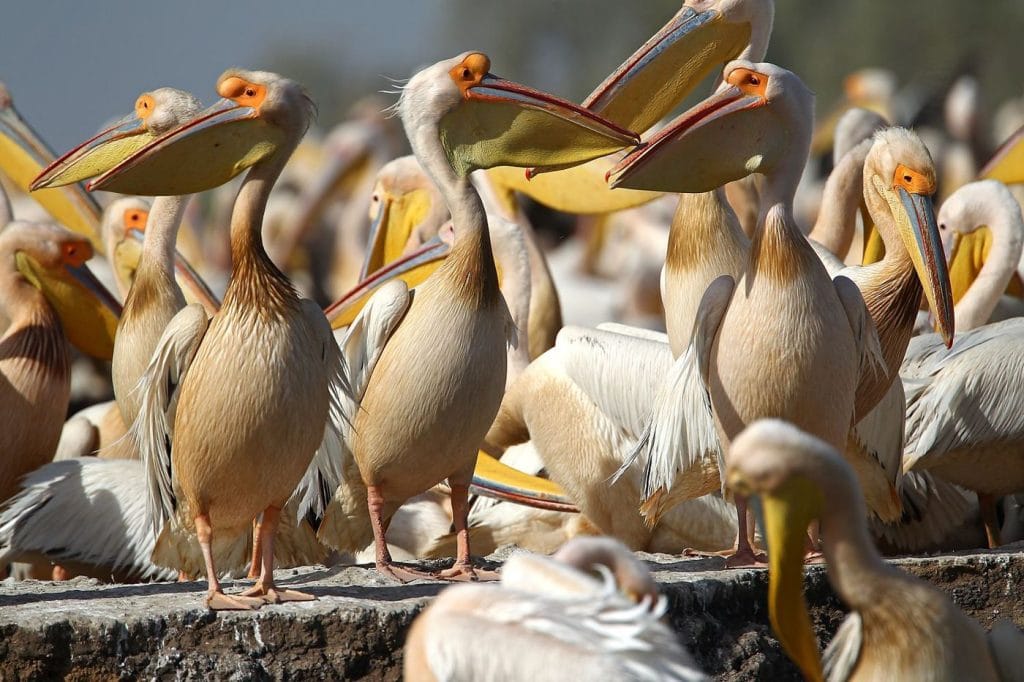
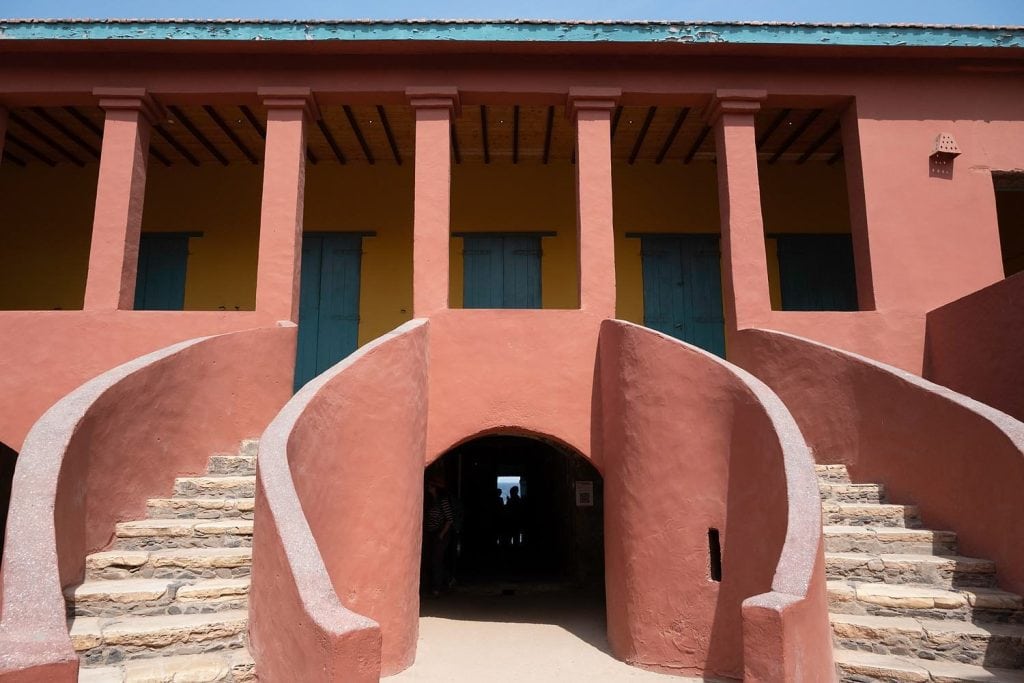
The first to be listed, in 1978, was Gorée Island, opposite Dakar: an islet of merchants’ houses and sandy lanes that has become a place of remembrance of the Atlantic slave trade, where the diaspora comes on pilgrimage. In 1981, UNESCO listed two natural parks at once. The Djoudj National Bird Sanctuary, in the Senegal River delta, welcomes migratory birds from Europe every winter; Niokolo-Koba, the country’s largest park, is home to chimpanzees, lions, leopards and the Derby eland in eastern Senegal.
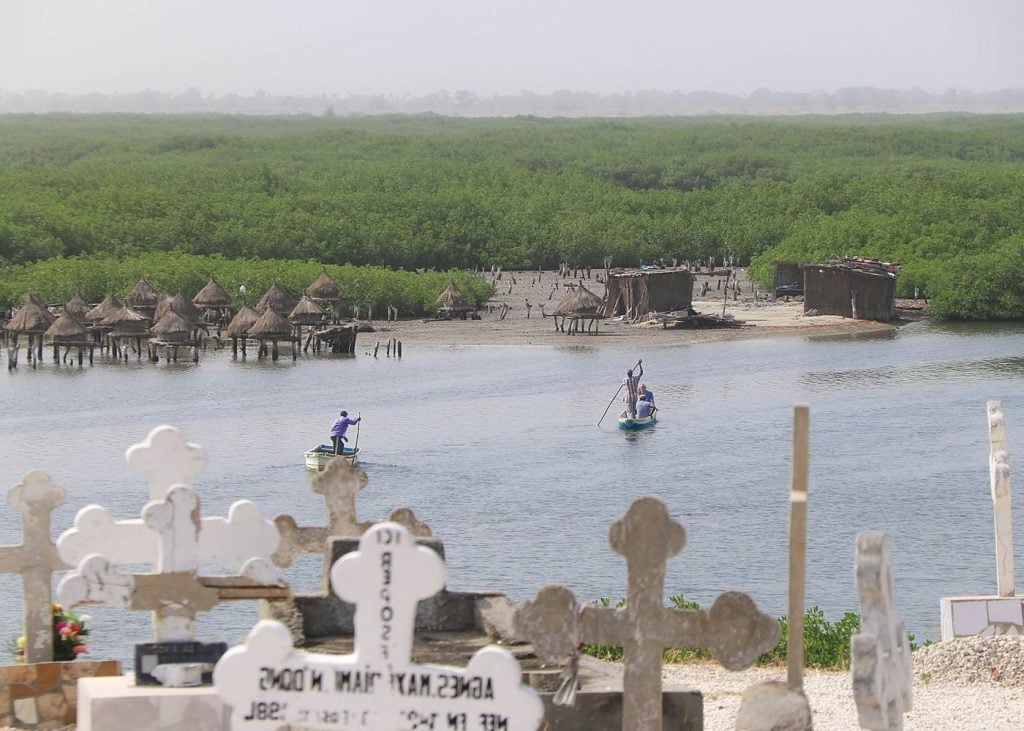
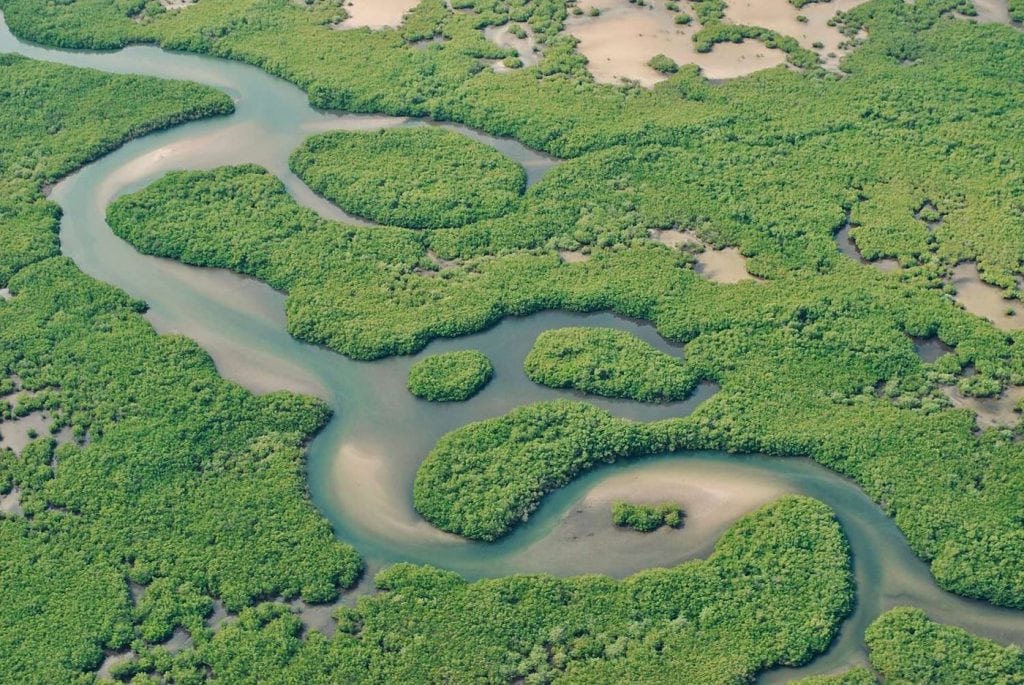
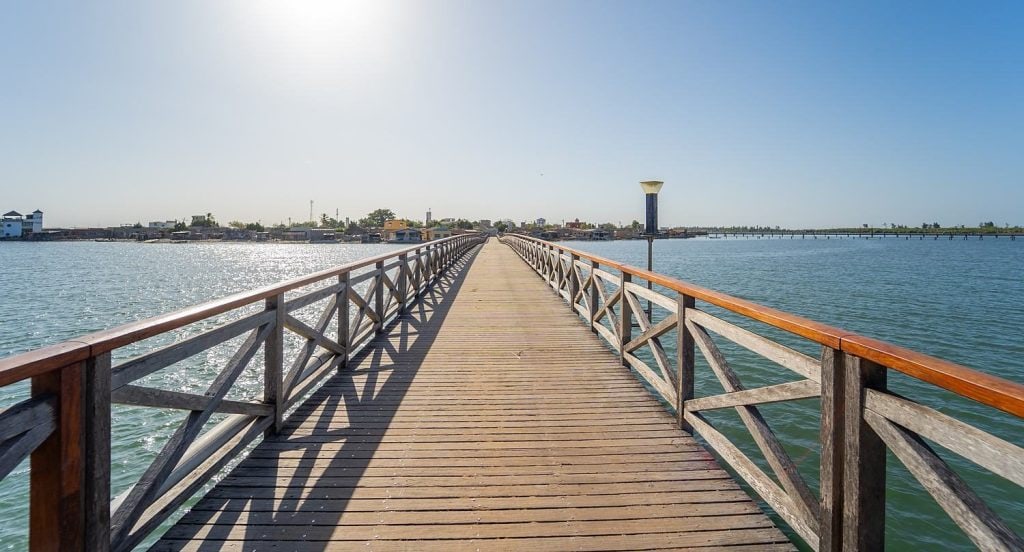
In 2000 came the island of Saint-Louis, the former colonial capital set on the river, with its wooden balconies and ruler-straight streets. In 2006, a property shared with the Gambia and often overlooked by travellers: the Stone Circles of Senegambia, more than a thousand funerary monuments of standing stones along the Gambia River, two groups of which are in Senegal, Sine Ngayène and Wanar. In 2011, the Saloum Delta, listed as a cultural property for its shell mounds, its burial mounds and the way its communities live off fishing and shellfish gathering. Finally, in 2012, Bassari Country (Pays Bassari), the Bassari, Fula and Bedik cultural landscapes around Kédougou: a territory listed for a way of life, with its hillside villages and initiation rites.
This heritage does not stop at stones. In December 2021, UNESCO added ceebu jën, the national fish and rice dish, to the Representative List of the Intangible Cultural Heritage of Humanity. And other sites wait on the Tentative List, such as the impluvium houses of the Bandial country, in Casamance.
Formats: the seven doors of the section
Each subcategory has its own page and listings. Here is what you will find.
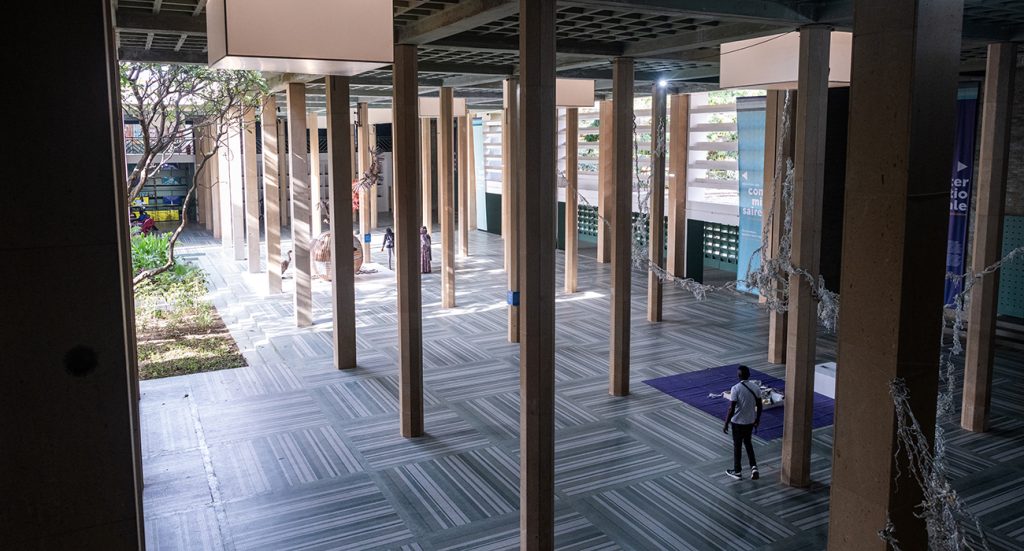
- Guided cultural tours: the best-stocked subcategory. Gorée and Saint-Louis with a guide, the Museum of Black Civilisations in Dakar, Dindéfélo Falls, multi-day tours in Bassari Country. A good guide turns a stroll into a story.
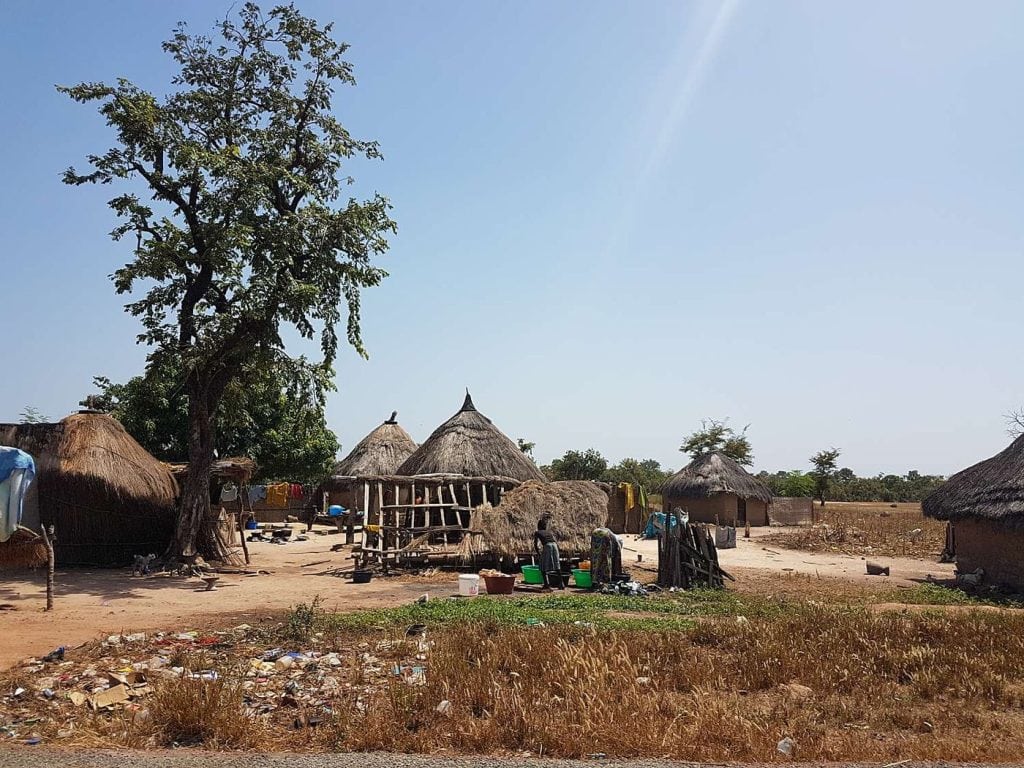
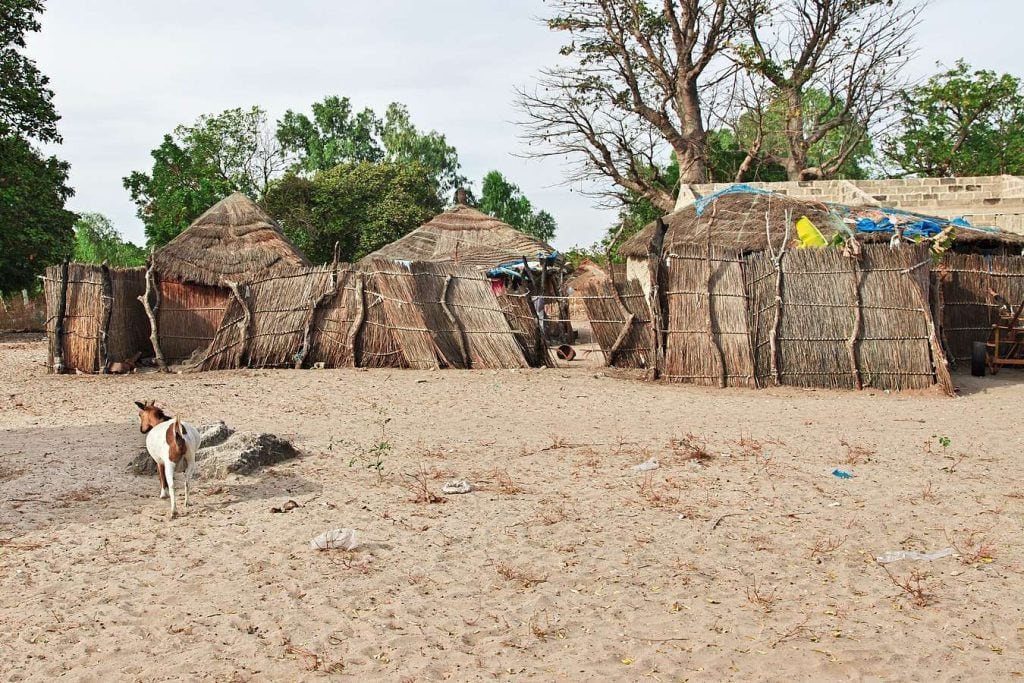
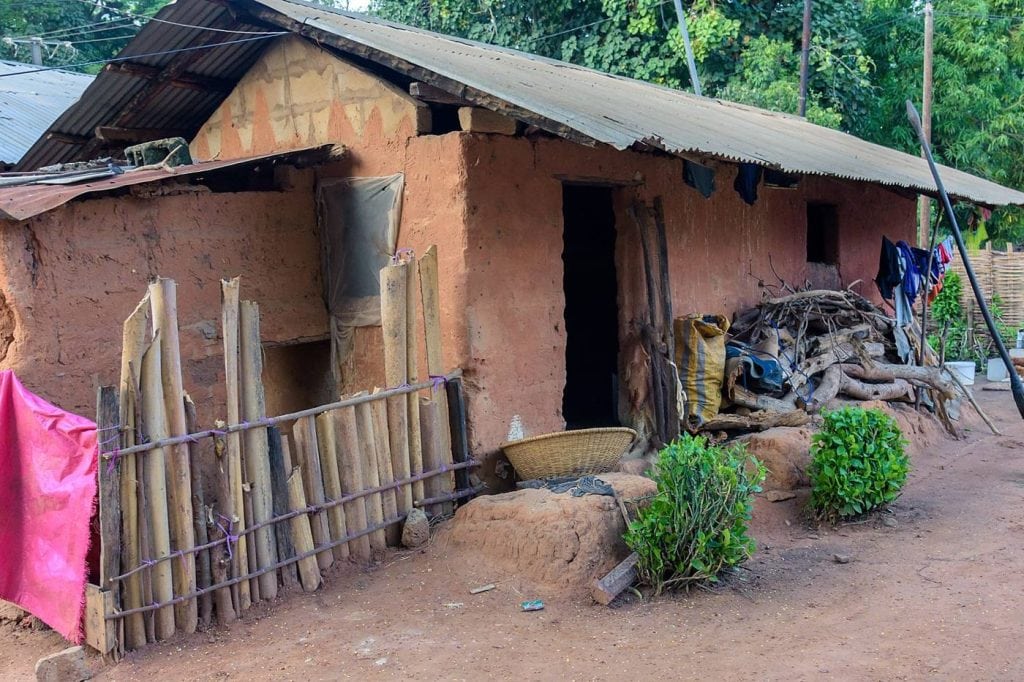
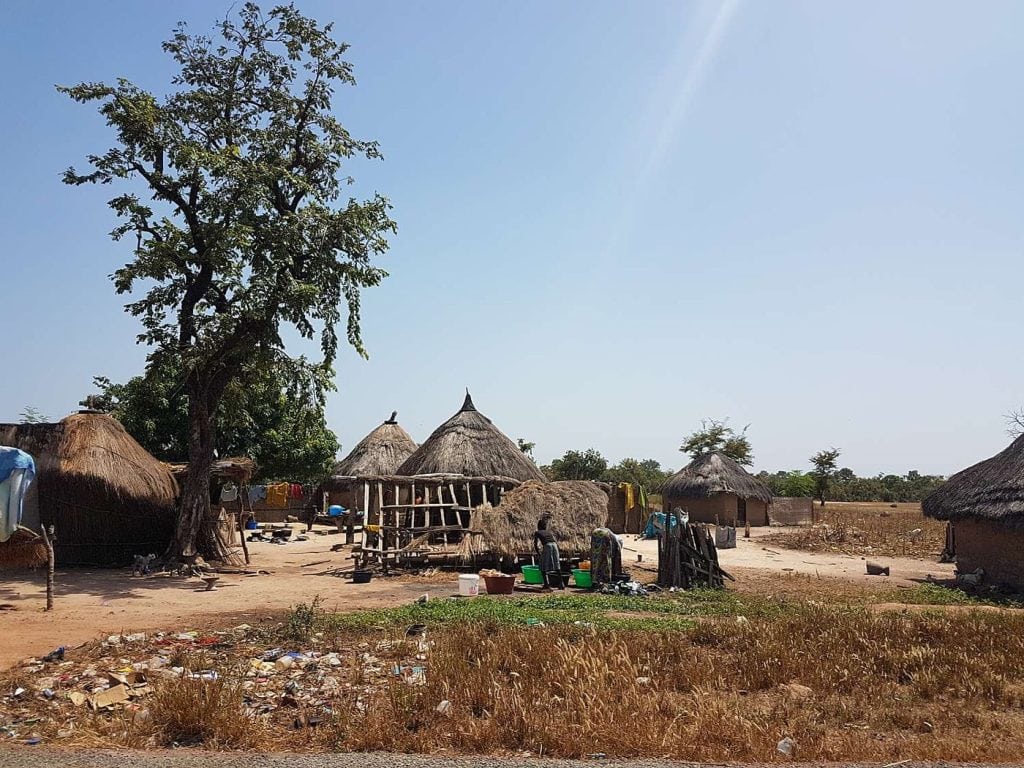
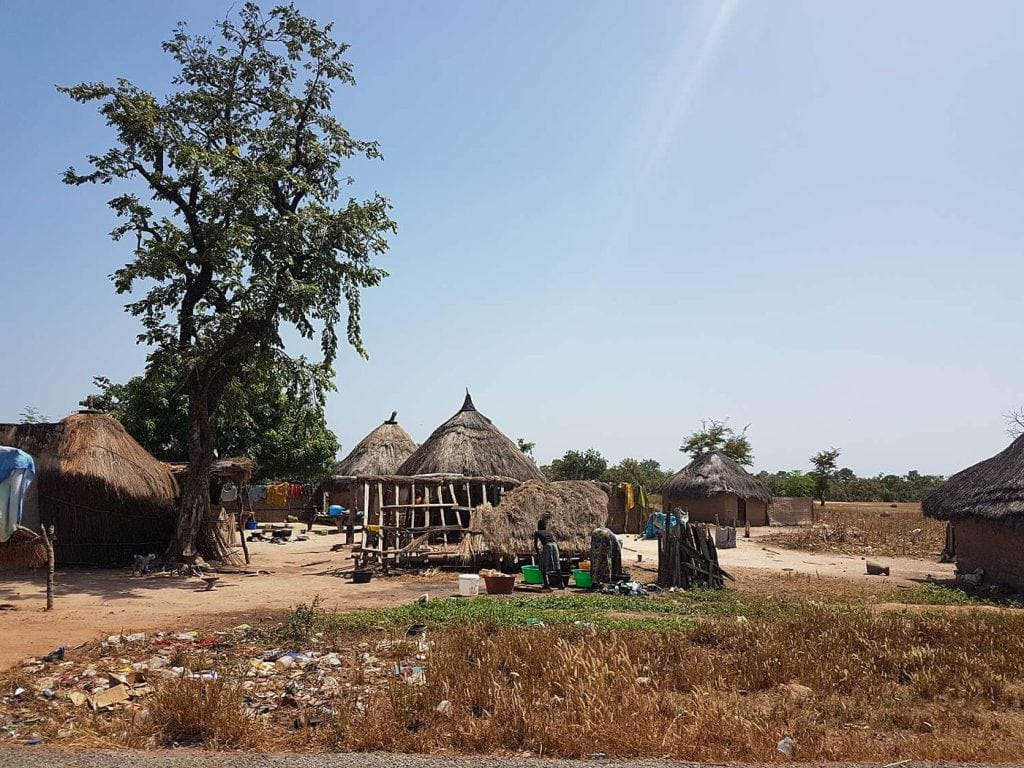
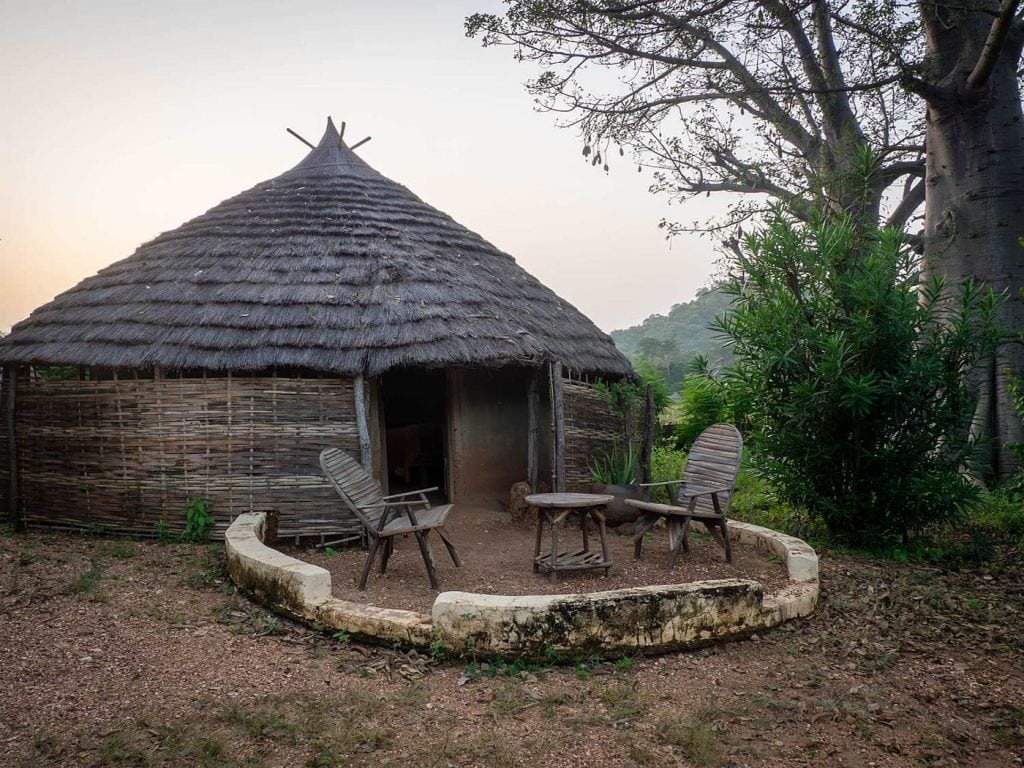
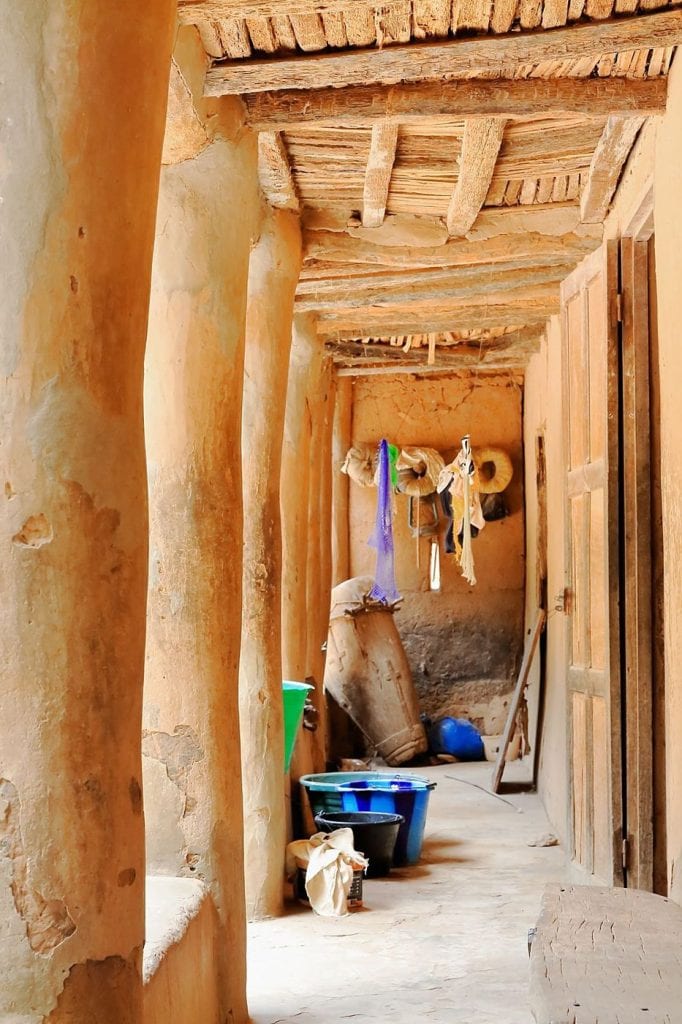
- Traditional sites & villages: Fadiouth and its island of shells, the impluvium houses of Lower Casamance, Serer and Diola villages, the weekend in Oussouye. These are lived-in homes, visited with a guide.
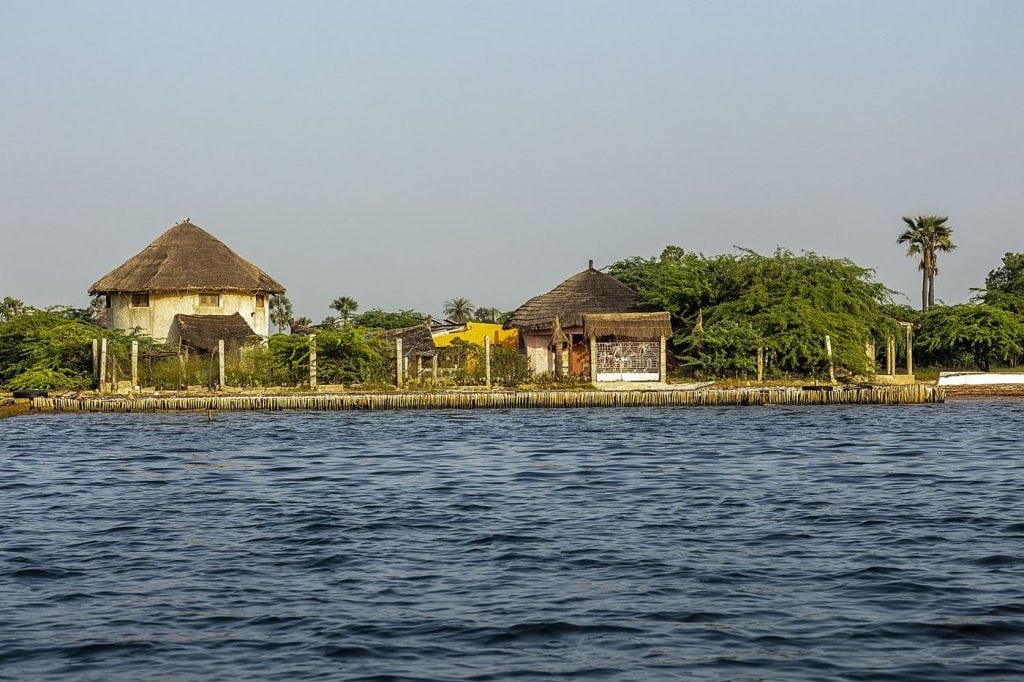
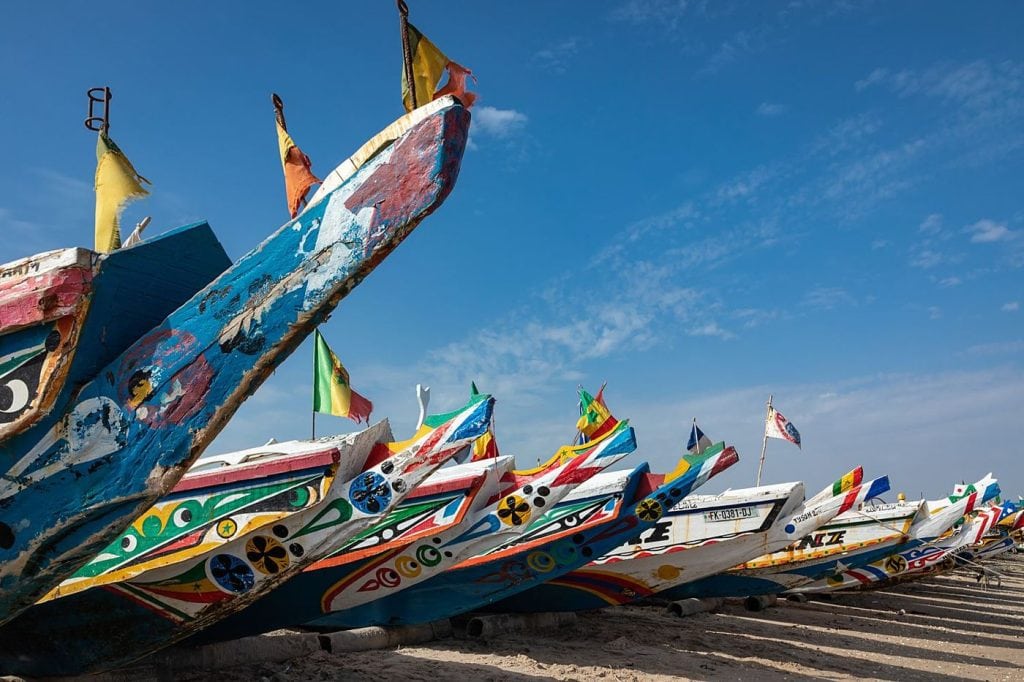
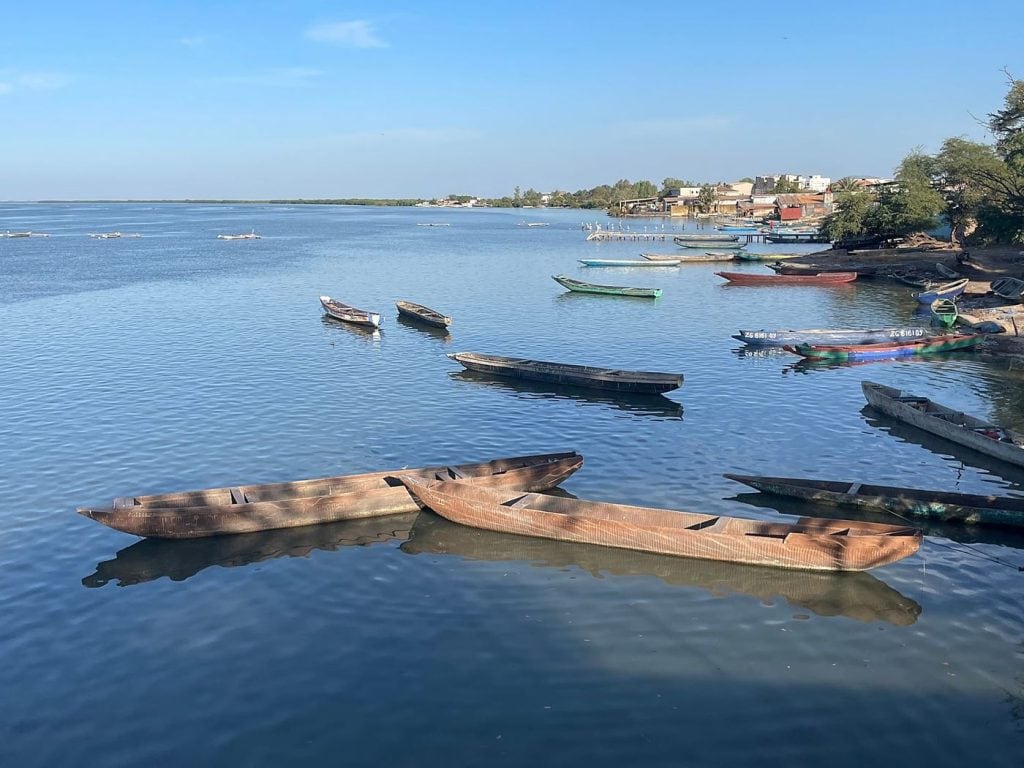
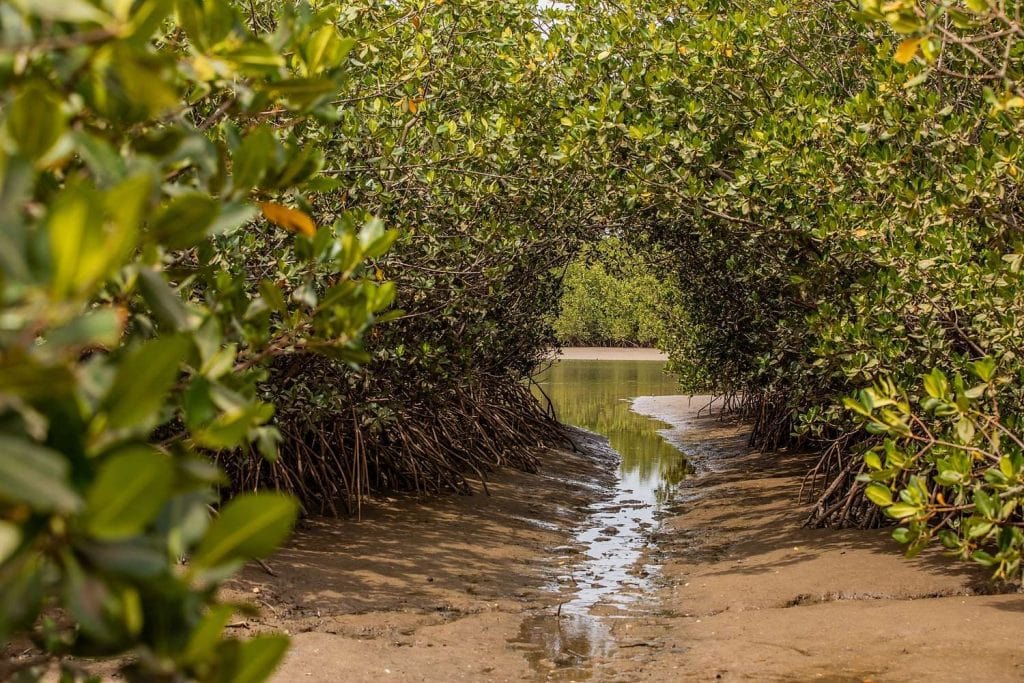
- Pirogue trips: from fifteen minutes on Lac Rose (Pink Lake) to several days in the bolongs (tidal creeks) of the Saloum, the most fitting way into the deltas.
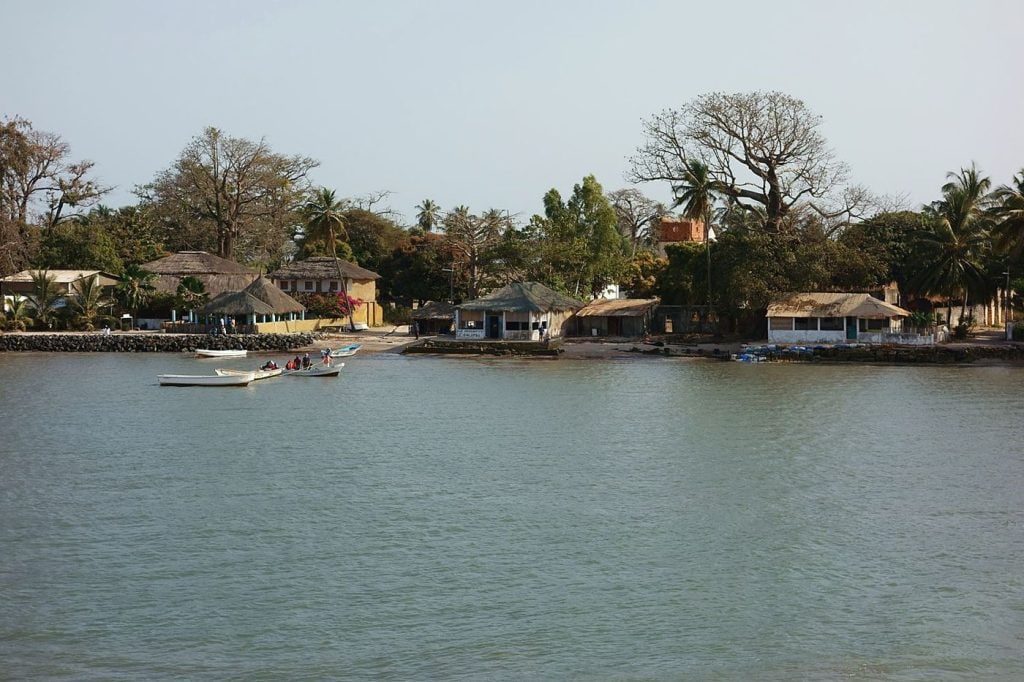
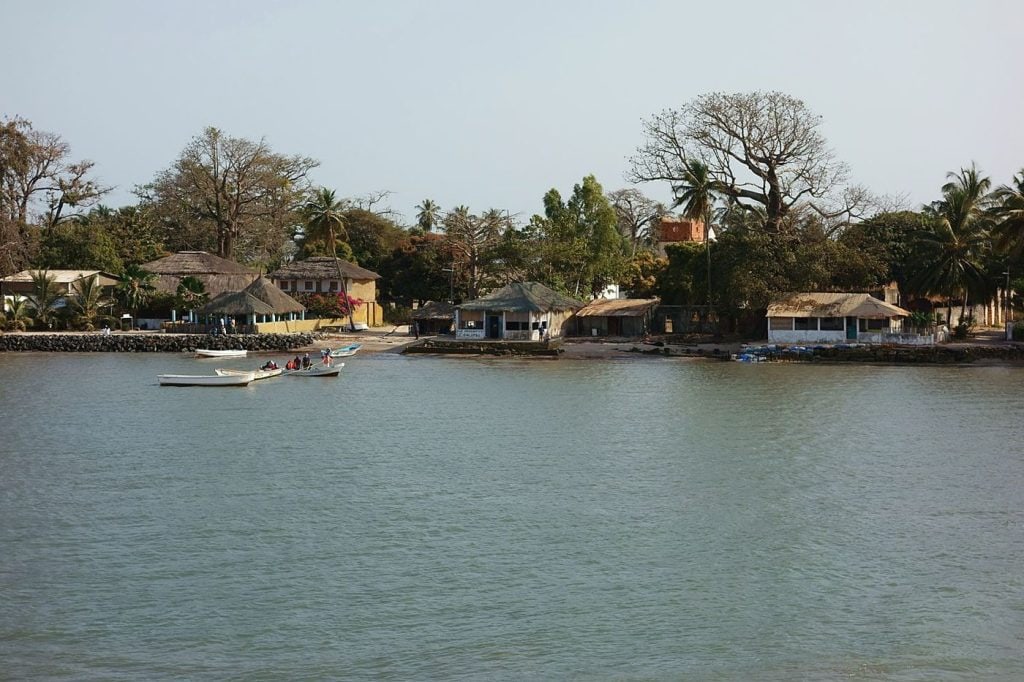
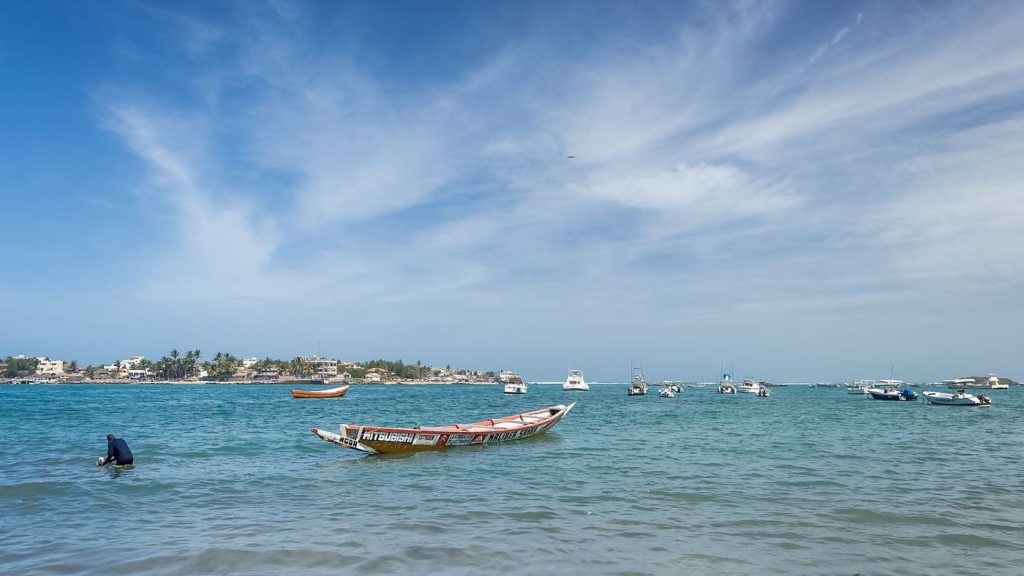
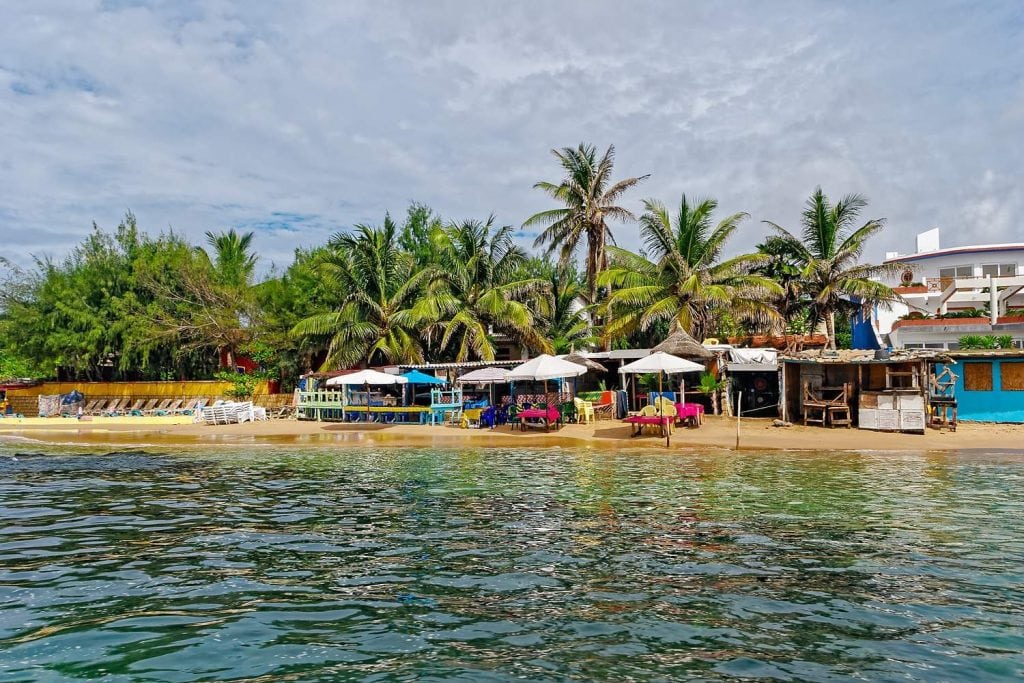
- Island excursions: Gorée, the Madeleine Islands, Ngor, Joal-Fadiouth, Carabane, the Saloum islands. Each island has its own character, and often its own crossing.
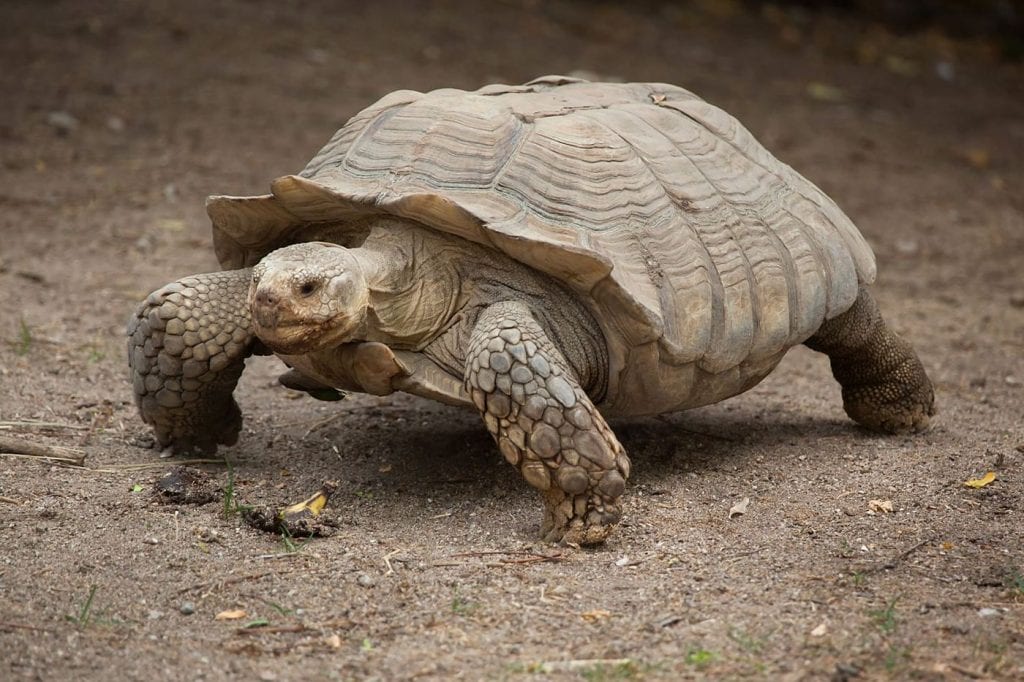
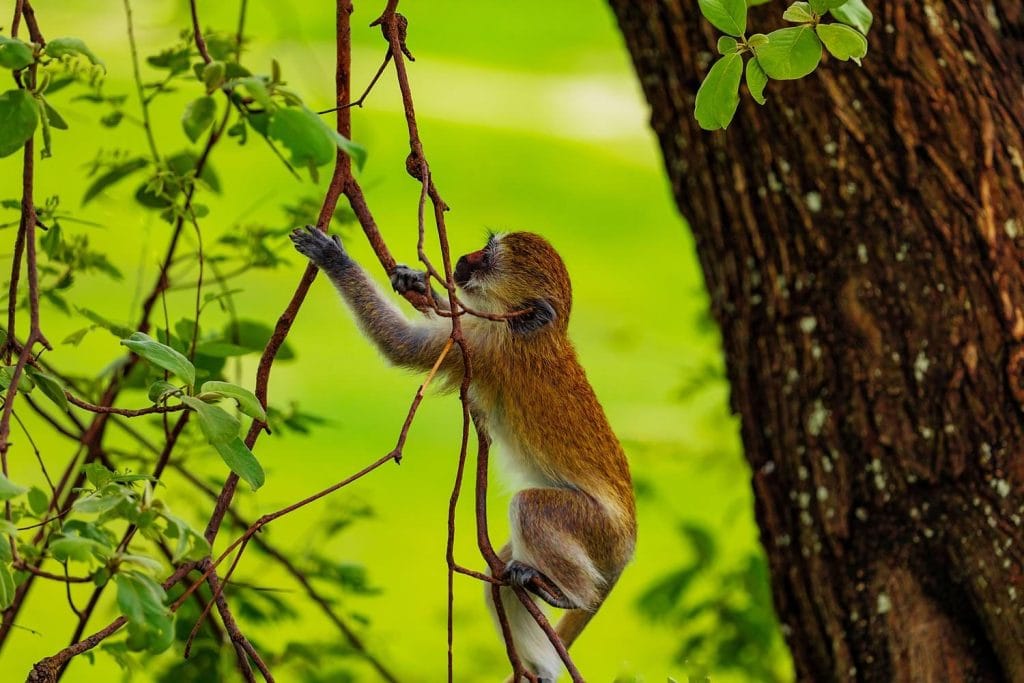
- Wildlife reserves & parks: big game by 4×4 in the western reserves, Bandia and Fathala, and the wildlife of Niokolo-Koba for those willing to drive a long way.
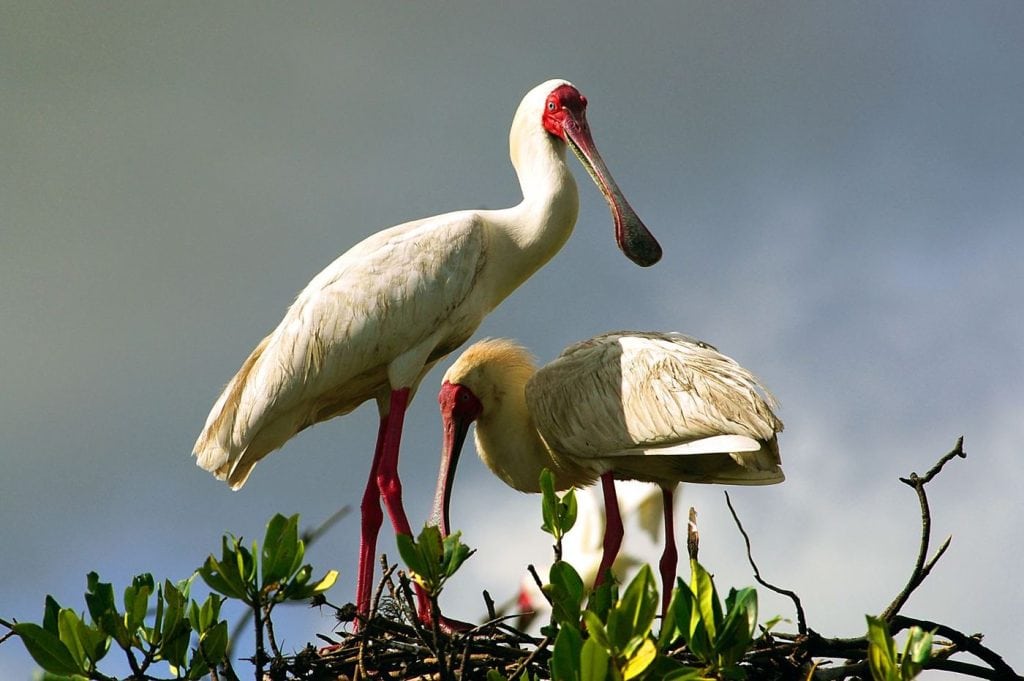
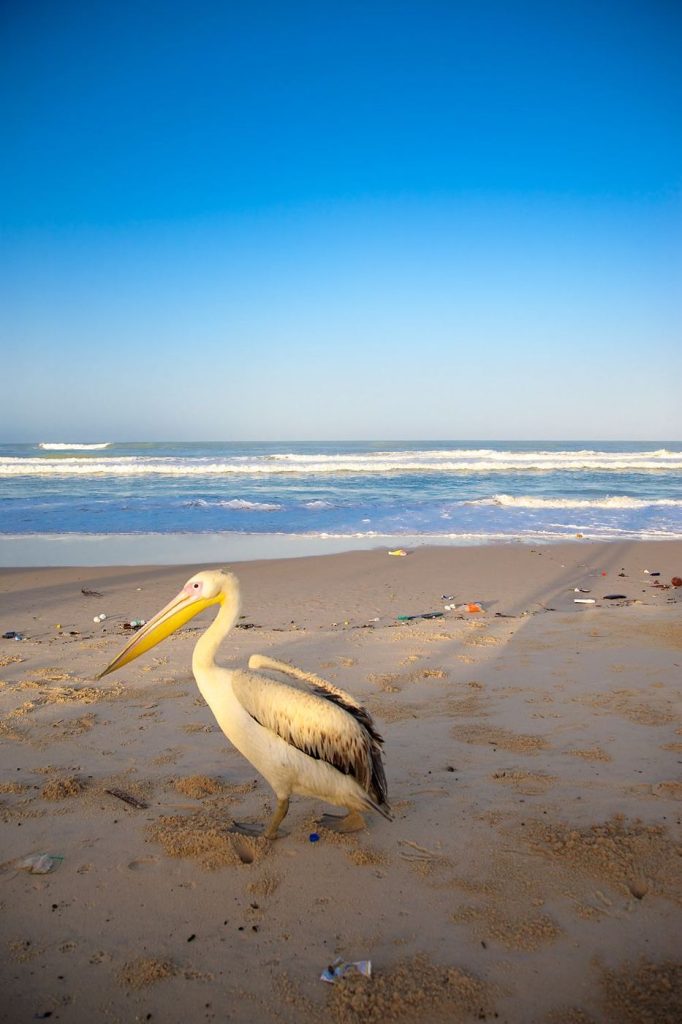
- Birdwatching: Djoudj and its pelicans, the Langue de Barbarie, Guembeul, the Somone lagoon, the mudflats of the Saloum.
- Evenings & gastronomy: a small subcategory, still thinly stocked, to taste the country at the table and after dark.
The listings range from a half-hour kayak around Ngor Island to a three-day bivouac in the Sine-Saloum.
Where to go exploring in Senegal
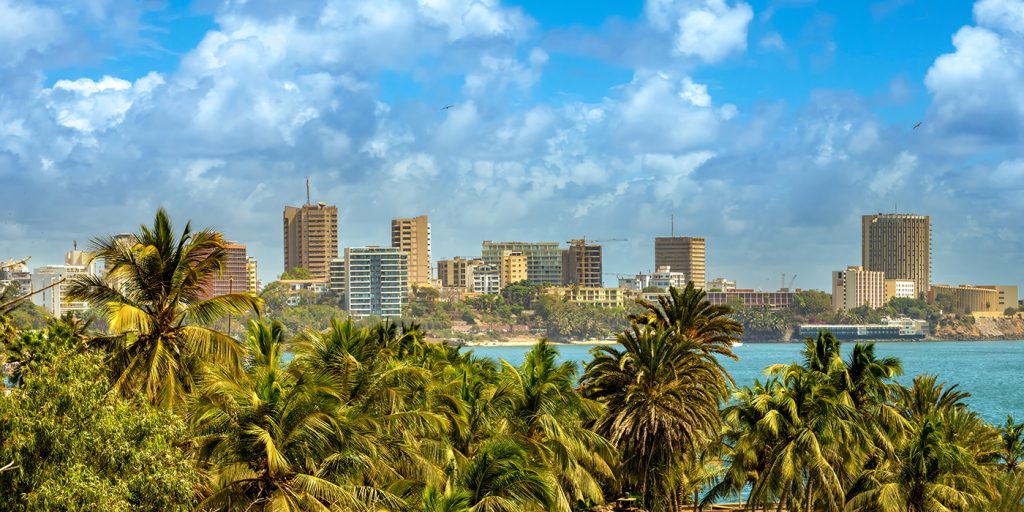
- Dakar and the peninsula: the easiest starting point. Gorée by ferry, the Madeleine Islands, Ngor Island, the museums and the Plateau. An hour’s drive away, Lac Rose, whose colour varies and is never guaranteed.
- The Petite Côte and the Sine-Saloum: the Bandia and Fathala reserves, the Somone lagoon, Joal-Fadiouth, then the listed delta, its bolongs and its islands from Ndangane, Mar Lodj or Toubacouta. This is the region with the most listings in the section.
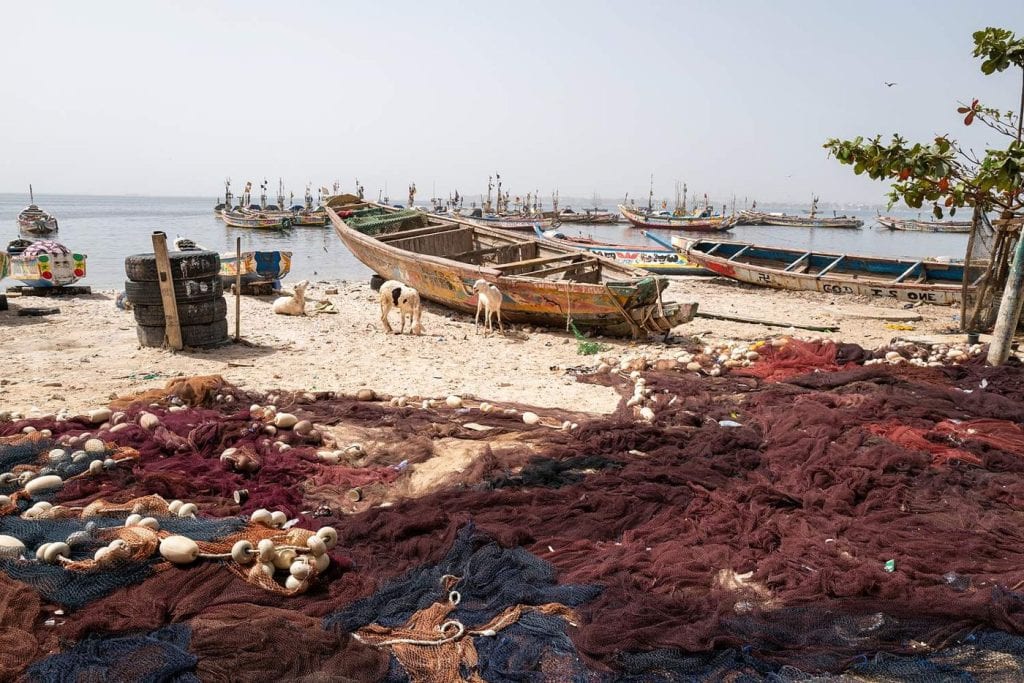
- Saint-Louis and the north: the listed island, Guet Ndar, the Langue de Barbarie, the Guembeul Reserve and Djoudj, some sixty kilometres to the north.
- Casamance: green Senegal. Diola villages around Oussouye and Énampore, a pirogue to Carabane, mangrove islands. Allow several days there.
- Eastern Senegal: Bassari Country, Dindéfélo Falls and Niokolo-Koba, around Kédougou. The furthest from Dakar, and the most striking change of scene.
The stone circles, in the centre of the country towards the Gambian border, are not in the catalogue: combine them with a road trip to the Saloum or to the east.
When to go
The dry season, from November to May, suits almost everything: passable tracks, bearable heat, animals gathering around waterholes. It is also the season of migratory birds. Djoudj is open to visitors from November, with a peak from December to February, and closes during the rainy season (hivernage). In eastern Senegal, aim for November to February, when the tracks are dry and the nights almost cool.
From July to October, the hivernage turns everything green. Casamance and the Saloum are superb, pirogue trips are still pleasant in the morning, but you have to cope with humidity, downpours and mosquitoes. During the day, set off early: morning light is the best for birds and for photos, and Gorée is calmer before the late-morning groups arrive.
Good to know & budget
Bring good shoes for the villages and tracks, a hat, water, binoculars for the birds, and clothing that covers your shoulders for memorial sites and places of worship. In a village, ask before photographing anyone and before entering a house; in Bassari Country, some rites must not be photographed at all. On the water, a life jacket must be provided.
On Que Faire Sénégal, the price shown is the price of the activity. It is per person or per group depending on the activity: a pirogue tour or a 4×4 outing is sometimes paid per vehicle or per boat, and the listing says so. You pay 20% to secure your booking (the booking fee). The balance is paid on site, on the day of the activity. If you live in Senegal, you get the resident rate: up to 30% off (the exact rate is shown on each listing).
Official fees are separate: national park entry (Djoudj, Langue de Barbarie, Niokolo-Koba, Saloum Delta depending on the route), the Gorée ferry ticket and the Gorée commune tax of 500 FCFA per visitor, museum admission. They are payable on site, not included in the price, and carry no resident discount. The Gorée ferry is a public service: tickets are bought at the counter in the ferry terminal, with no booking. When an activity involves none, the listing says “no additional official fees”.
Who is it for?
Families will start with the western reserves, a short pirogue trip and Gorée; birdwatchers will head for Djoudj and the Saloum; walkers and history buffs will aim for Bassari Country and Saint-Louis.
If you are a resident, time is on your side. You can go back to Djoudj in January for the pelicans, do Gorée on a Tuesday rather than a Saturday, split the Saloum into three weekends, and the resident rate makes these return trips affordable. Visitors often have a week: choose two regions at most, rather than rushing through Gorée, Lac Rose, the Saloum and Saint-Louis. Sleep at least one night in the delta or in Saint-Louis: discoveries happen early in the morning.
On 24 July 2024, in New Delhi, the World Heritage Committee removed Niokolo-Koba from the List of World Heritage in Danger, where it had been since 2007. The decision rewarded years of patrols against poaching and gold panning, better management of livestock migration and the fight against an invasive plant. The park is still home to chimpanzees and lions, even if big game remains rare and scattered there. Visiting it today, with a guide, means seeing the result of an effort many thought was lost.
Frequently asked questions
How many World Heritage Sites does Senegal have?
Seven: Gorée Island, the Djoudj National Bird Sanctuary, Niokolo-Koba National Park, the island of Saint-Louis, the Stone Circles of Senegambia (shared with the Gambia), the Saloum Delta and Bassari Country. On top of that, ceebu jën has been on the Intangible Cultural Heritage list since December 2021.
Where should I start if I only have one day in Dakar?
With Gorée: a short ferry crossing, a listed historic centre, guides on the island. If you’ve already seen it, Lac Rose or the Madeleine Islands are other day trips, in the Island excursions and Pirogue trips subcategories.
What is the best time for these discoveries?
The dry season, from November to May. Djoudj is open to visitors from November, with a peak from December to February, and closes during the rainy season; eastern Senegal is best visited from November to February. The rainy season, from July to October, is still pleasant for pirogue trips in Casamance and the Saloum.
Are park entrance fees included in the price?
No. Official fees (national parks, the Gorée ferry and commune tax, museums) are payable on site, not included in the price, and the resident rate doesn’t apply to them. Each listing tells you whether they concern you, or says “no additional official fees”.
How does booking work?
You pay 20% to secure your booking (the booking fee), and the balance is paid on site, on the day of the activity. If you live in Senegal, you get the resident rate: up to 30% off (the exact rate is shown on each listing).
Can you visit traditional villages without a guide?
Better not. These are lived-in places, with their own rules, and a local guide opens doors a visitor on their own would never see. Always ask before photographing someone or entering a house.